
Dogs and beautiful backyards can absolutely coexist — it just takes planning. These 14 ideas keep pups safe, happy, and (mostly) out of your flower beds.
1. Designate a Dig Zone

Give them a sanctioned sandbox — a bordered pit of loose soil or sand — and bury toys in it. Dogs dig where digging is rewarding; make the right spot the most rewarding.
Best for: terriers, beagles, and any breed with excavator instincts.




2. Plant Only Pet-Safe Varieties

Swap the danger list (sago palm, lilies, azalea, oleander) for safe picks: snapdragons, zinnias, sunflowers, herbs, and ornamental grasses. The ASPCA’s plant database is the gold standard for checking.
Best for: every dog owner — this is the non-negotiable first step.
3. Create a Shaded Rest Station
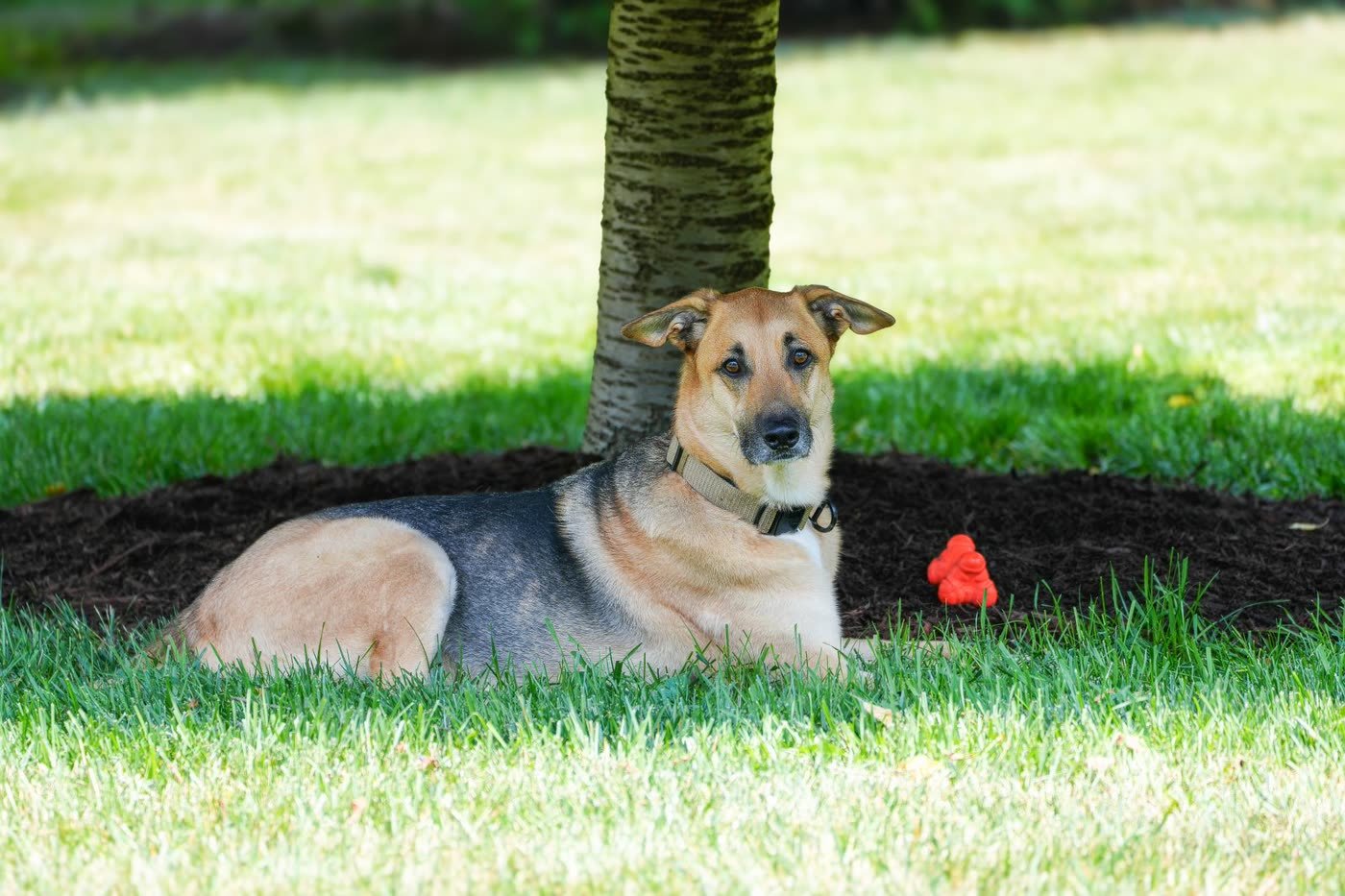
Dogs overheat fast. A shade sail, tree canopy, or covered corner with a raised cooling bed gives them a retreat on hot days. Always pair with fresh water.
Best for: sunny yards and heat-sensitive breeds like bulldogs and pugs.
4. Install a Proper Fence (Check Height by Breed)

Five feet stops most dogs; six for jumpers and climbers. Bury chicken wire 12 inches along the base in an L-shape to foil diggers. Check out https://cozypatiohome.com/backyard-walkway-ideas/ for gate and path ideas that integrate with fencing.
Best for: off-leash freedom without the escape-artist anxiety.
5. Lay a Potty Gravel Patch

Train them to one pea-gravel area for bathroom breaks. It drains well, doesn’t die like grass, and makes cleanup (and yard hygiene) dramatically easier.
Best for: preserving the rest of your lawn and simplifying cleanup.
6. Choose Tough Groundcover Over Delicate Lawn

Clover, buffalo grass, and artificial turf all survive dog traffic better than fussy Kentucky bluegrass. Clover stays green, needs no fertilizer, and handles urine spots.
Best for: yards that currently look like a brown patchwork.
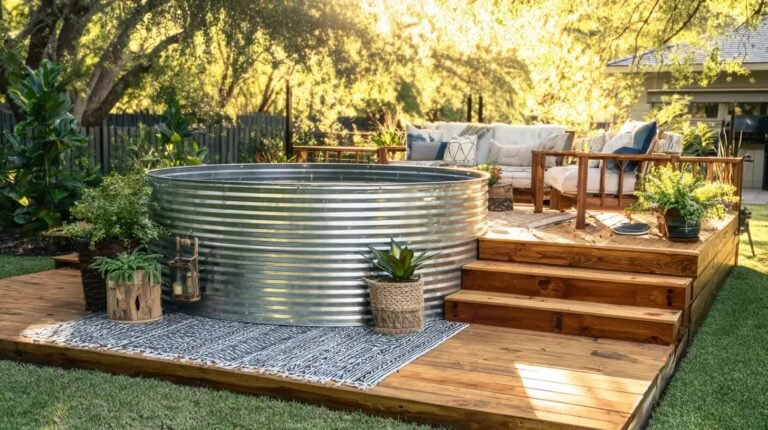
7. Build a Splash Zone
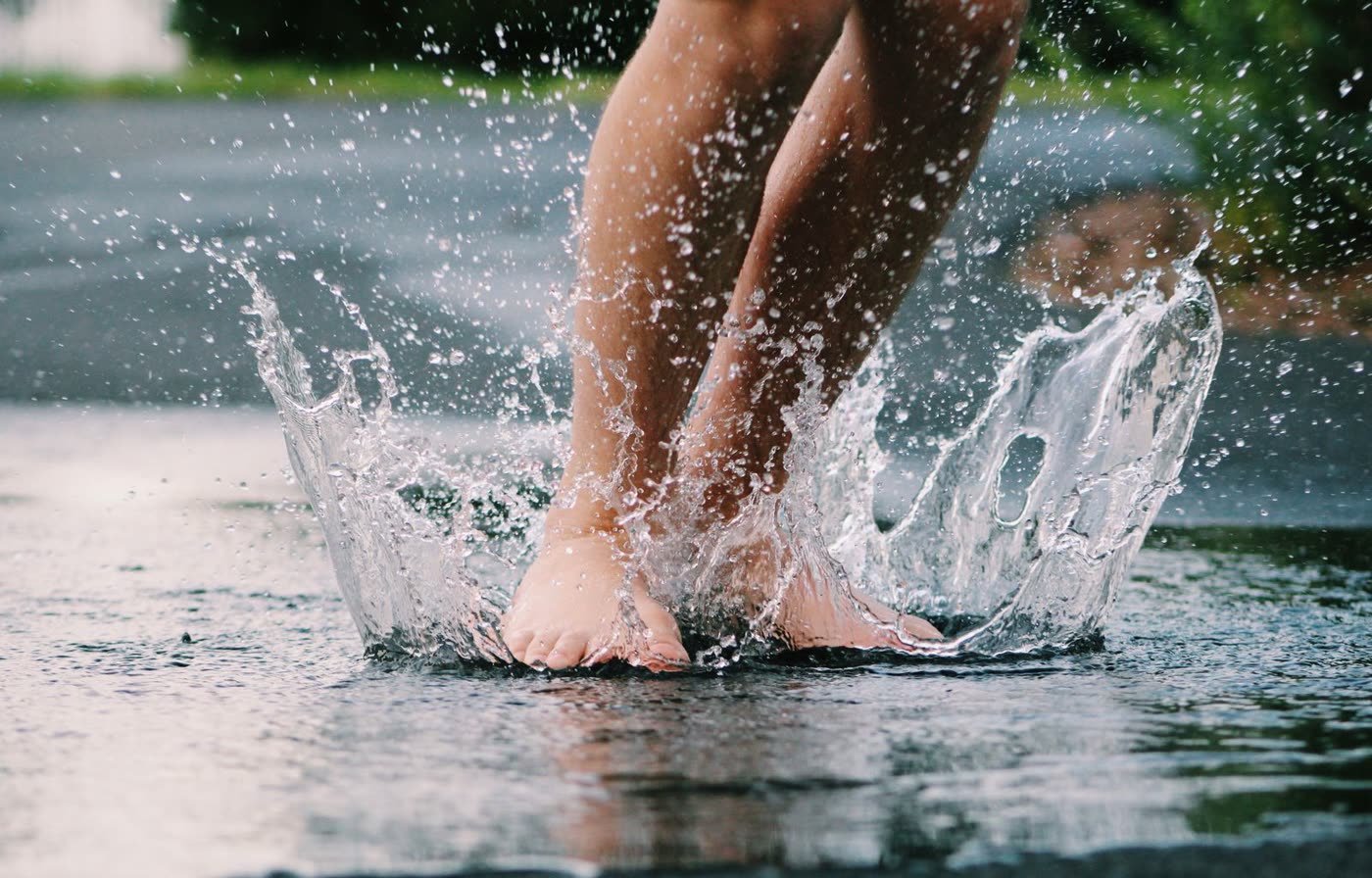
A shallow kiddie pool or splash pad is pure joy for water-loving breeds. Place it on gravel or pavers — not the lawn — to avoid a mud pit.
Best for: labs, goldens, and hot-summer climates.
8. Raised Beds With Fencing

Keep prized plantings in raised beds ringed with low picket fencing or decorative edging. Dogs respect a physical boundary far better than a verbal one.
Best for: gardeners who refuse to choose between roses and retrievers.
9. Mulch With Pine Straw, Not Cocoa

Cocoa mulch is toxic to dogs. Pine straw, cedar, or shredded bark are safe, smell great, and are gentle on paws.
Best for: an easy safety swap during your next mulch refresh.
10. Agility Corner With DIY Obstacles

A tunnel ($30 pop-up), weave poles (PVC pipe), and a low jump turn a yard corner into a dog playground. Fifteen minutes of agility tires most dogs out completely.
Best for: high-energy breeds that destroy things out of boredom.
11. Window-Level Fence Porthole

A convex “pet peek” bubble window in the fence satisfies the neighborhood-watch instinct without fence-fighting. Dogs that can see bark less.
Best for: reactive barkers and nosy pups.
12. Night Lighting Along Paths
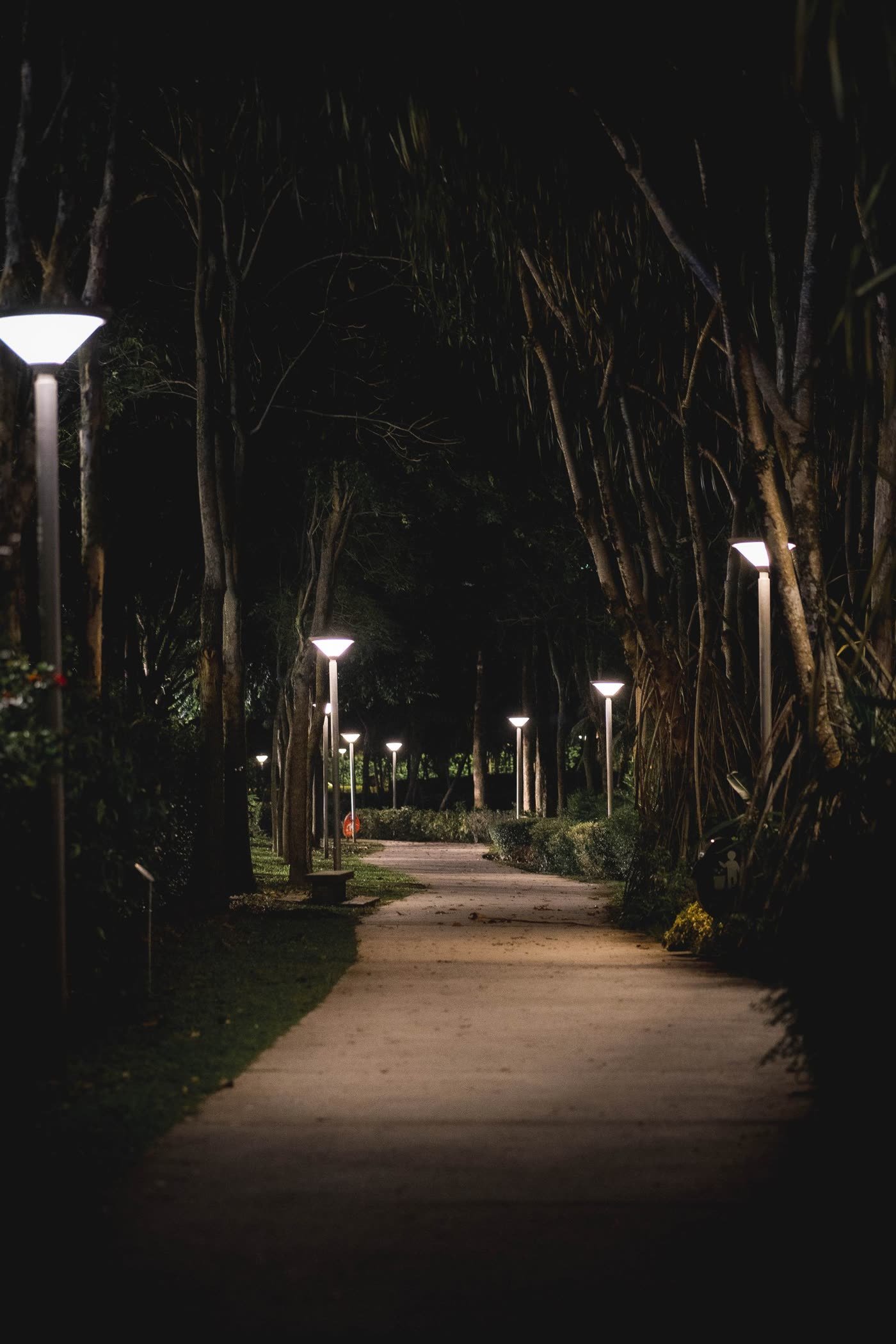
Dogs go out after dark too. Solar path lights along their routes prevent stepped-on surprises and make nighttime potty trips safer for everyone.
Best for: anyone who’s ever tripped over a sleeping dog at midnight.
13. Secure the Trash and Compost

Locking bins and enclosed compost keep curious noses out of trouble — many compost ingredients and food scraps are toxic. A simple latch solves it.
Best for: counter-surfers and trash-raiders.
14. Keep a Paw-Wash Station by the Door

A shallow basin, towel hook, and paw balm by the back door handle muddy-paw season. It’s the highest-ROI five minutes in dog ownership.
Best for: rainy climates and light-colored floors.
15. Elevated Cot for Senior Dogs
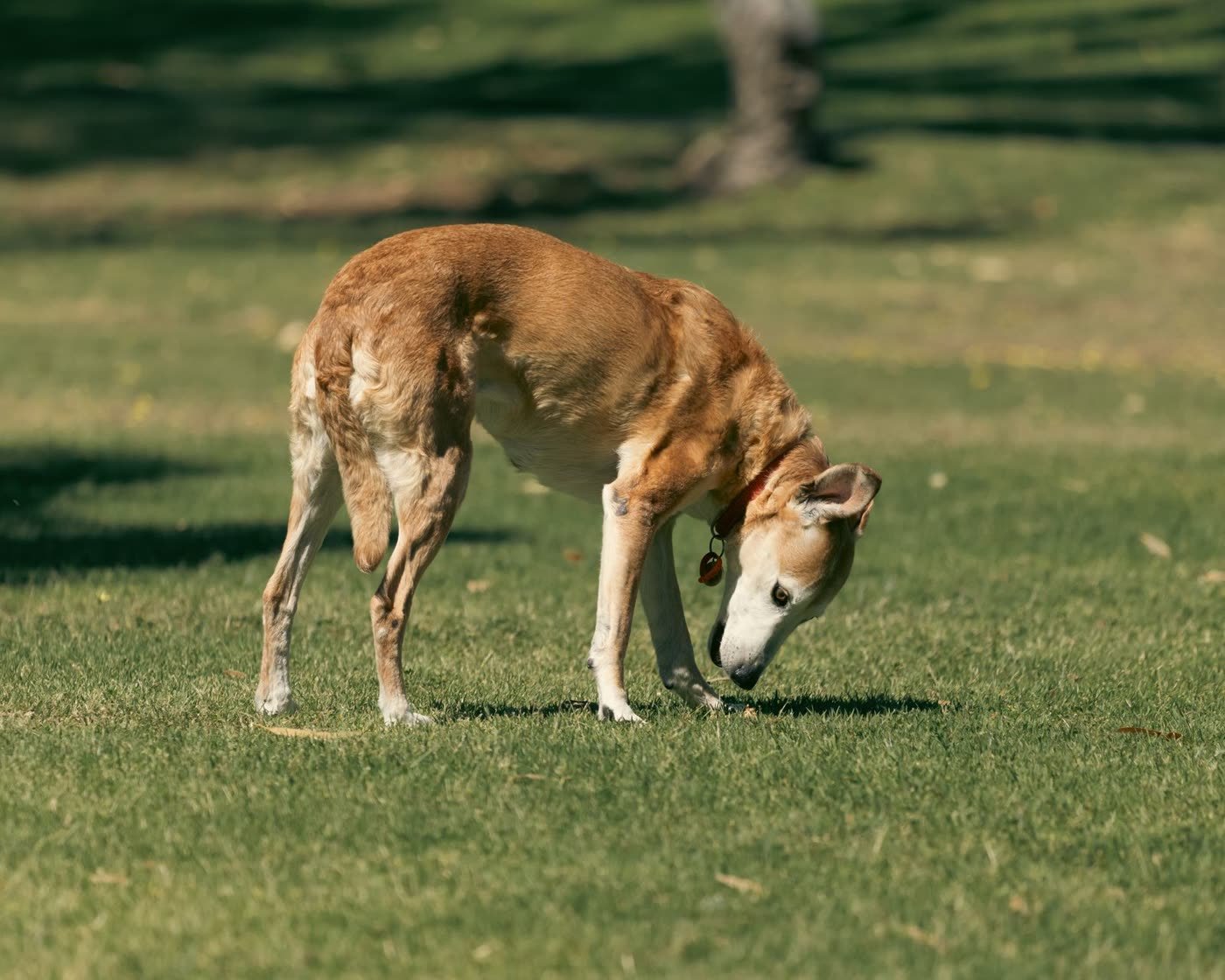
Older dogs struggle with cold, hard ground. A raised mesh cot ($30) keeps joints comfortable and cool. Place it in their favorite sunspot.
Best for: senior pups and arthritic dogs.
16. Frozen Treat Station
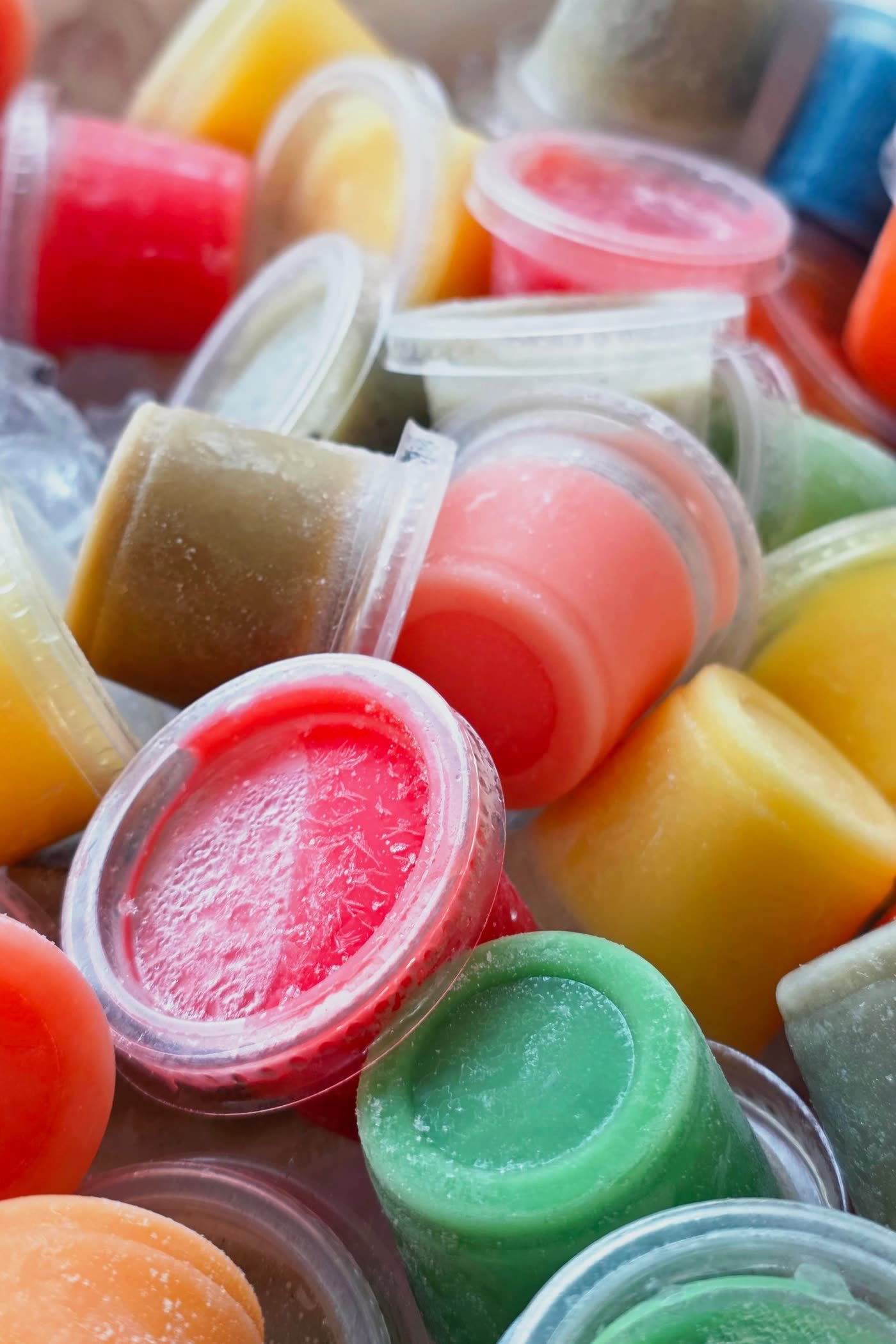
Freeze broth, peanut butter, and kibble in a bowl for a long-lasting summer enrichment toy. Serve it in the splash zone for easy cleanup.
Best for: hot days when a walk isn’t enough stimulation.
17. Scent Garden Corner
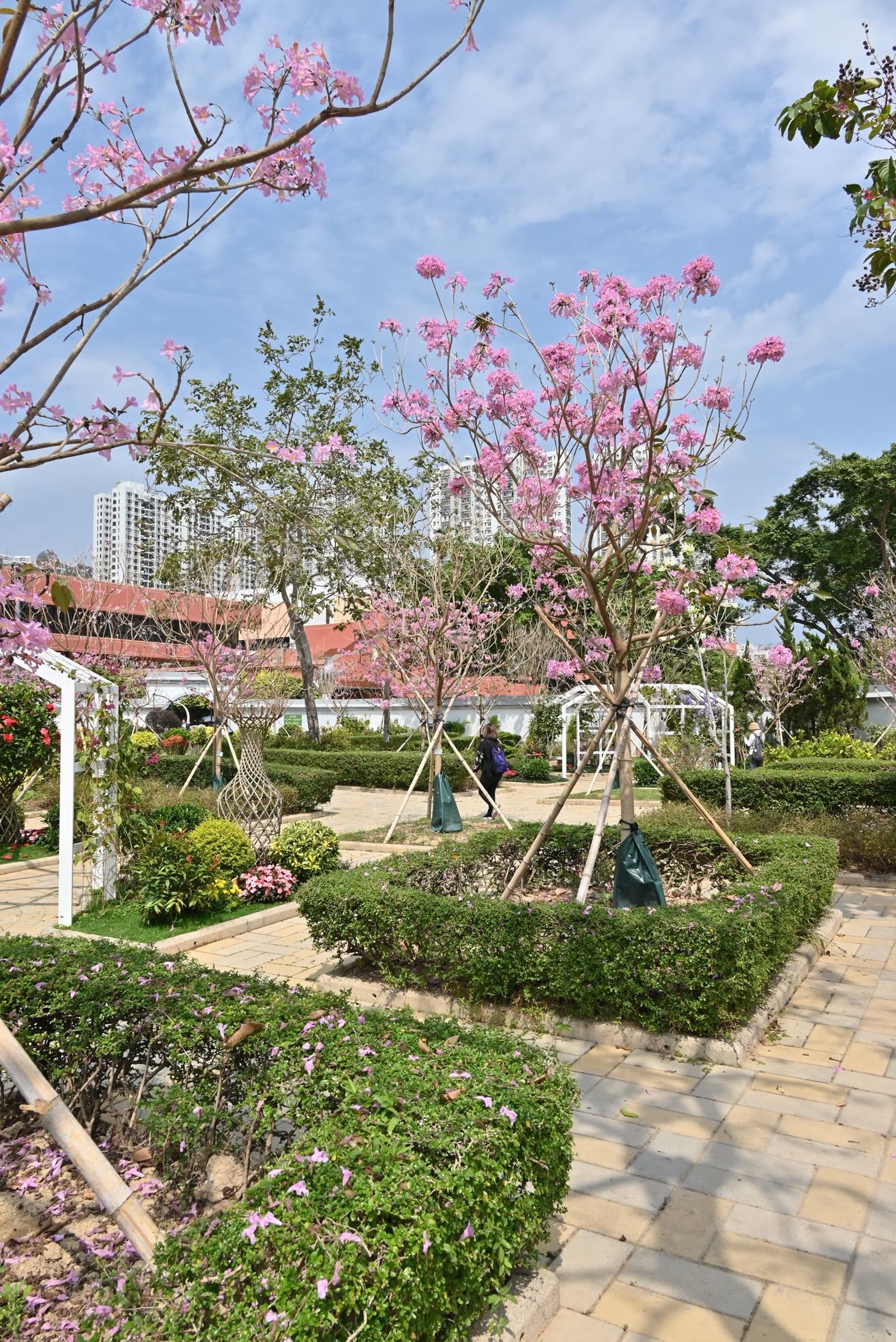
Plant lavender, rosemary, and mint in one corner — a sniffari garden. Dogs experience the world through smell, and these are all pet-safe.
Best for: enrichment for blind, senior, or anxious dogs.
Training Tips That Make It All Work
Landscaping only goes so far — training completes the picture. Teach a solid “leave it” for garden beds, reward calm behavior in the yard, and never leave a new puppy unsupervised until habits are set. Bitter-apple spray on bed edging discourages chewing during the learning phase. Most importantly, meet the exercise need first: a tired dog is a well-behaved yard citizen. If digging persists despite a dig zone, bury chicken wire just under the soil surface in forbidden areas — dogs hate the texture and give up quickly.
The Golden Rule
Exercise beats landscaping. A well-exercised dog digs less, chews less, and patrols less — most “bad yard behavior” is boredom in disguise. For more small-yard strategies that work with pets, see https://cozypatiohome.com/patio-ideas-for-small-yards-tight-budgets/.
The American Kennel Club’s dog-safe gardening guide covers toxic plants and safe design in more depth.
FAQ
What plants are poisonous to dogs in backyards?
Sago palm, lilies, azaleas, oleander, tulip bulbs, yew, and foxglove are among the most dangerous — sago palm can be fatal even in small amounts. Always check the ASPCA’s toxic plant database before planting anything new, and when in doubt, choose from the known-safe list: snapdragons, zinnias, sunflowers, marigolds, herbs like basil and thyme, and most ornamental grasses.
How do I stop my dog from digging up the yard?
Provide a legal dig zone and make it the most rewarding spot (bury toys and treats), increase daily exercise, and redirect in the moment rather than punishing after the fact. For persistent offenders, bury chicken wire just under the soil in forbidden zones — dogs dislike the texture and abandon the spot within days.
Is artificial turf safe for dogs?
Yes, provided it’s pet-rated turf with good drainage backing. Rinse it weekly to prevent odor buildup, choose products with antimicrobial infill, and make sure the surface doesn’t get dangerously hot in direct sun — light-colored turf stays cooler. Quality pet turf lasts 10–15 years even with heavy use.
What grass survives dogs best?
Clover lawns are the top pick — they stay green through urine, need no fertilizer, and handle traffic. Among true grasses, Bermuda is toughest in warm climates and tall fescue in cool ones. Whatever you choose, the real secret is reseeding bare spots promptly before they become mud wallows.