Apartment patios collect clutter fast: cushions, gardening tools, watering cans, kids’ toys, and that bag of potting soil you swore you would use last spring. Without a garage or shed, it all just… sits there.
These 10 apartment patio storage ideas hide the mess in plain sight, using furniture that does double duty and vertical space you are probably ignoring.
1. The Storage Bench (The MVP)
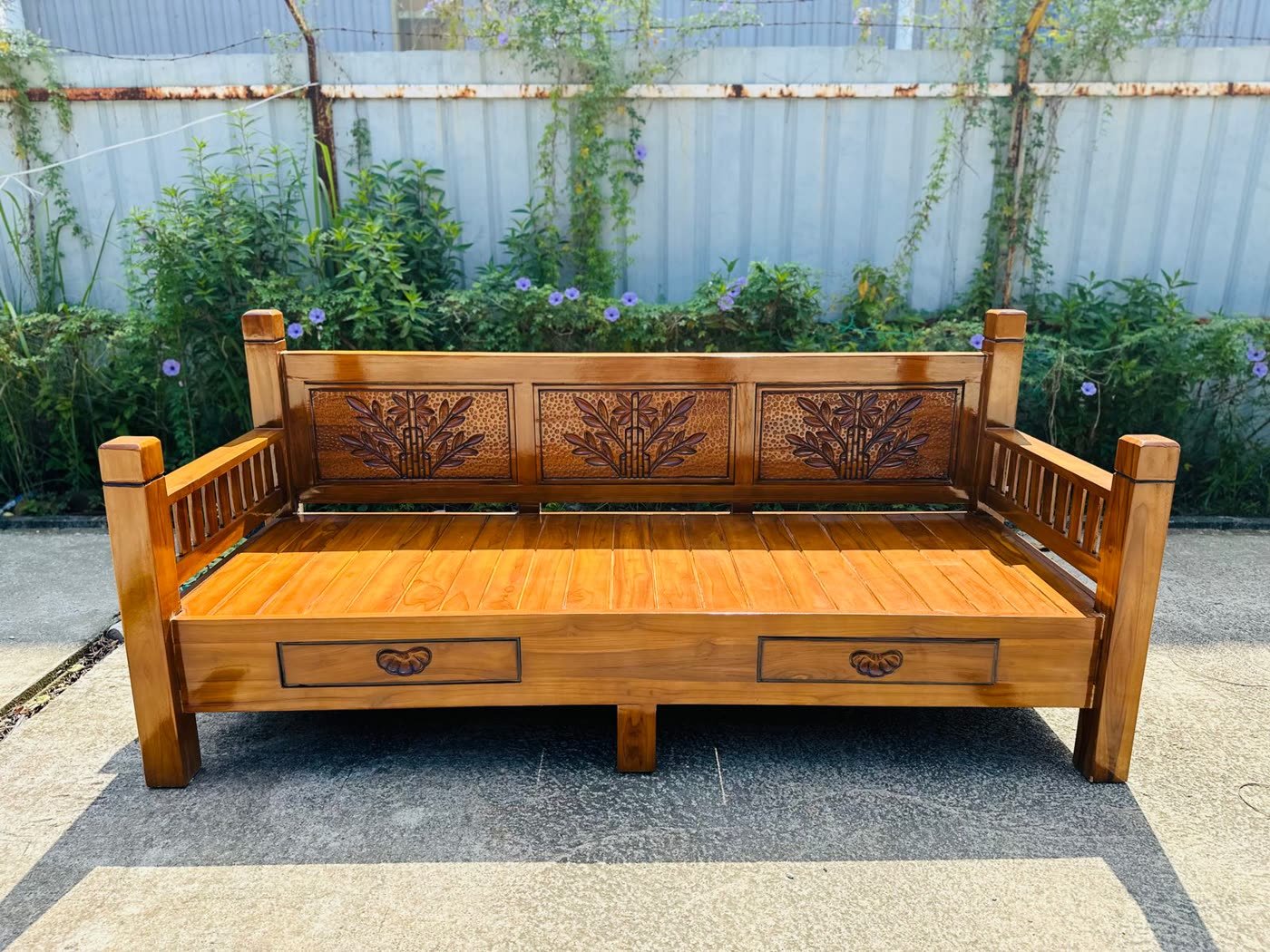
A weatherproof storage bench is the single highest-impact patio storage purchase. It seats two people and swallows cushions, throws, gardening gloves, and toys.




Best for: Every apartment patio | The first storage piece to buy
Look for a 30-50 gallon resin bench ($60-120). Resin will not rot, rust, or need maintenance. For styling ideas once it is in place, see these 25 practical balcony storage solutions.
2. Vertical Wall Racks
Your walls are empty storage real estate. A slatted wall panel or pegboard (freestanding or adhesive-mounted) holds tools, lanterns, and small planters off the floor.
Best for: Narrow balconies with no floor space to spare | Tool and garden-supply organization
A 2×4-foot cedar lattice panel leaned against the wall with S-hooks costs under $30 and holds a surprising amount. No drilling required.
3. Under-Bench and Under-Table Zones
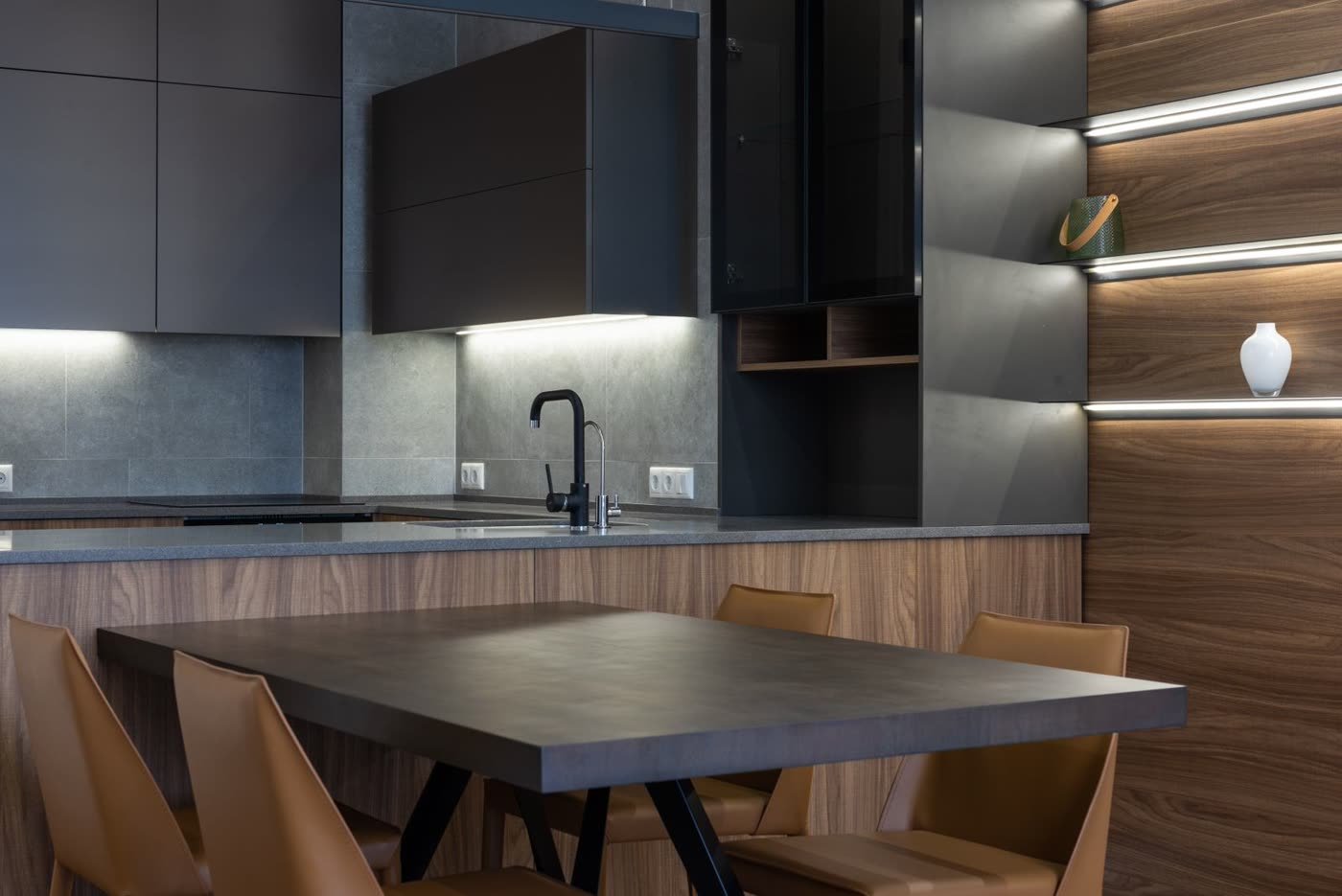
The space beneath your existing furniture is free storage. Slide flat weatherproof bins under benches, or hang a fabric organizer under a table.
Best for: Zero-footprint storage | Hiding ugly necessities
Low-profile under-bed storage boxes (the kind with wheels) roll perfectly under most patio benches. They are technically indoor products, but under a covered patio they last for years.
4. The Rolling Cart
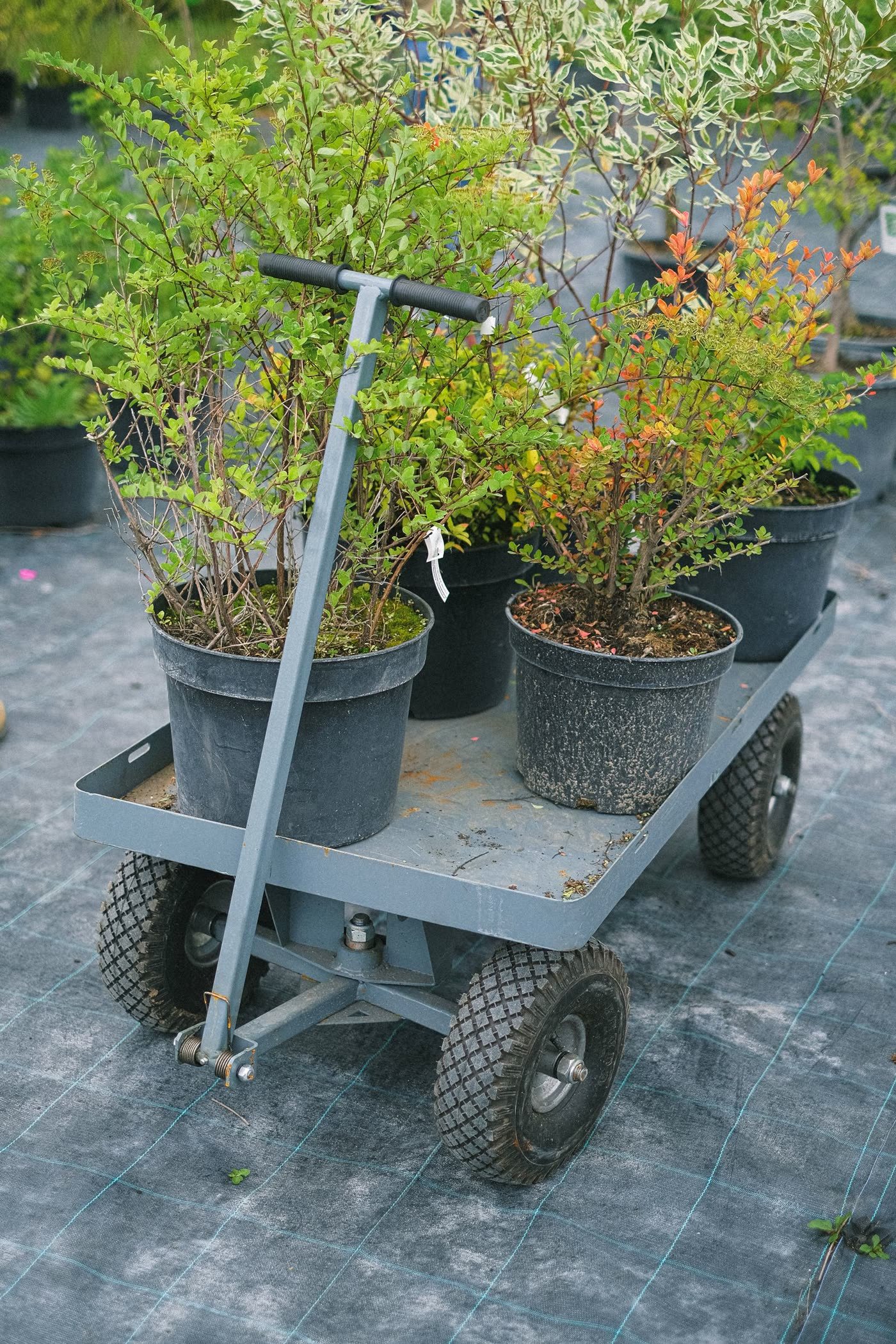
A 3-tier metal rolling cart corrals gardening supplies, sunscreen, bug spray, and drinks — then rolls inside when storms come or guests arrive.
Best for: Renters who need everything portable | Multi-use patios
The top tier works as a side table during gatherings. Choose a cart with locking wheels so it does not migrate in the wind.
5. Railing-Mounted Storage
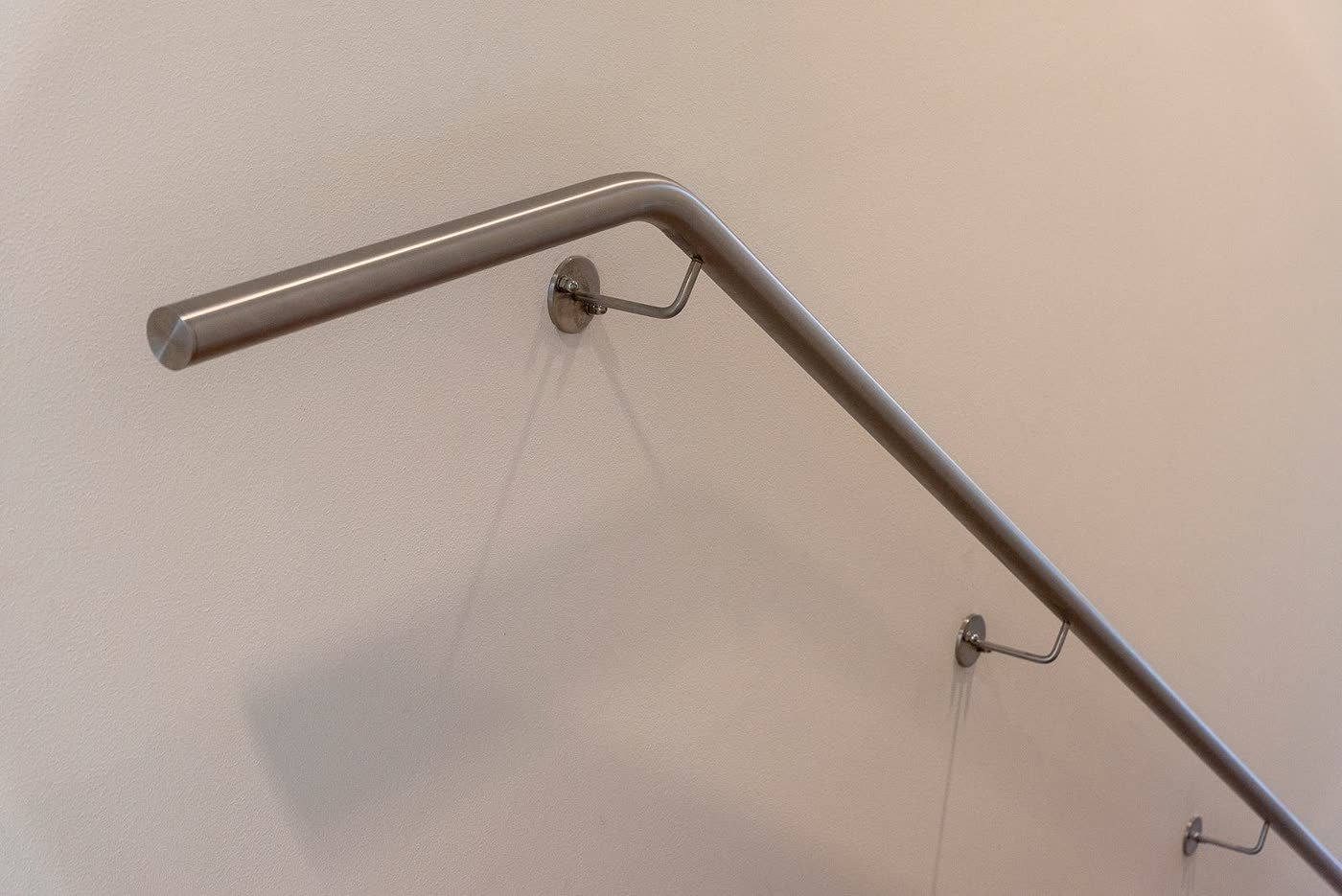
Balcony railings can hold more than plants. Railing-mounted baskets, hooks, and mini-shelves keep small items accessible without touching the floor.
Best for: Tiny balconies where floor space is sacred | Frequently used small items
Over-rail hooks hold tote bags, watering cans, and lanterns. A railing bar with S-hooks becomes a hanging garden-tool station. Check out our small balcony decor ideas for railing styling that looks intentional, not cluttered.
6. Deck Box as Coffee Table
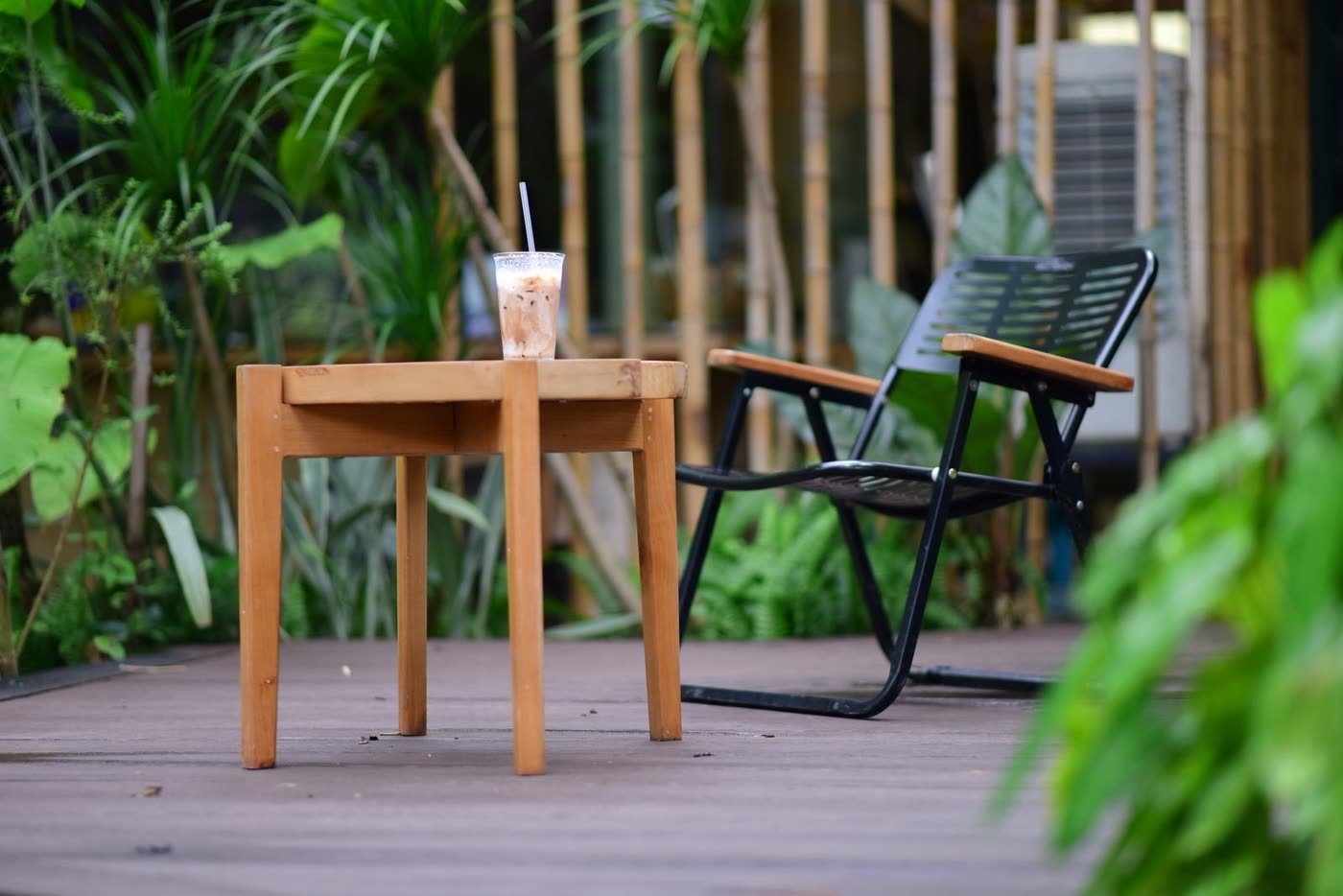
A low, wide deck box (rather than a tall bench) doubles as a coffee table or ottoman while hiding 30+ gallons of stuff inside.
Best for: Patios with a seating arrangement | Hiding bulky items like pool toys or pet supplies
Top it with an outdoor tray and it reads as furniture, not storage. Guests will never know your spare cushions are inside.
7. Hanging Shoe Organizers (Not Just for Shoes)
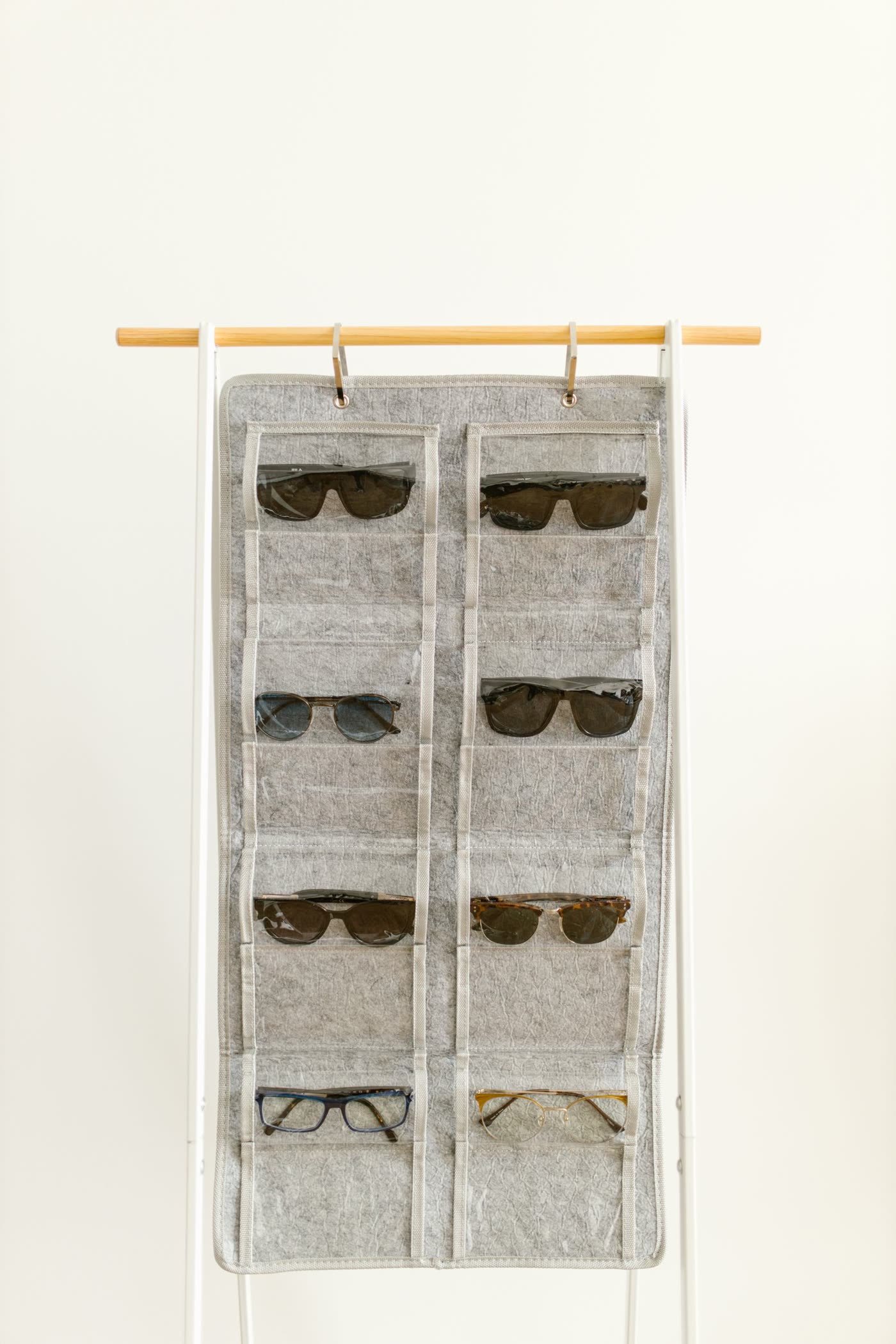
A clear over-the-door shoe organizer hung from a hook or railing holds seed packets, plant markers, twine, gloves, and small tools — every pocket visible at a glance.
Best for: Gardening supply chaos | Under $10 organization
Hang it on the inside of a storage bench lid, on a wall hook, or from the balcony railing. It is the cheapest high-impact organizer on this list.
8. Corner Tower Shelves
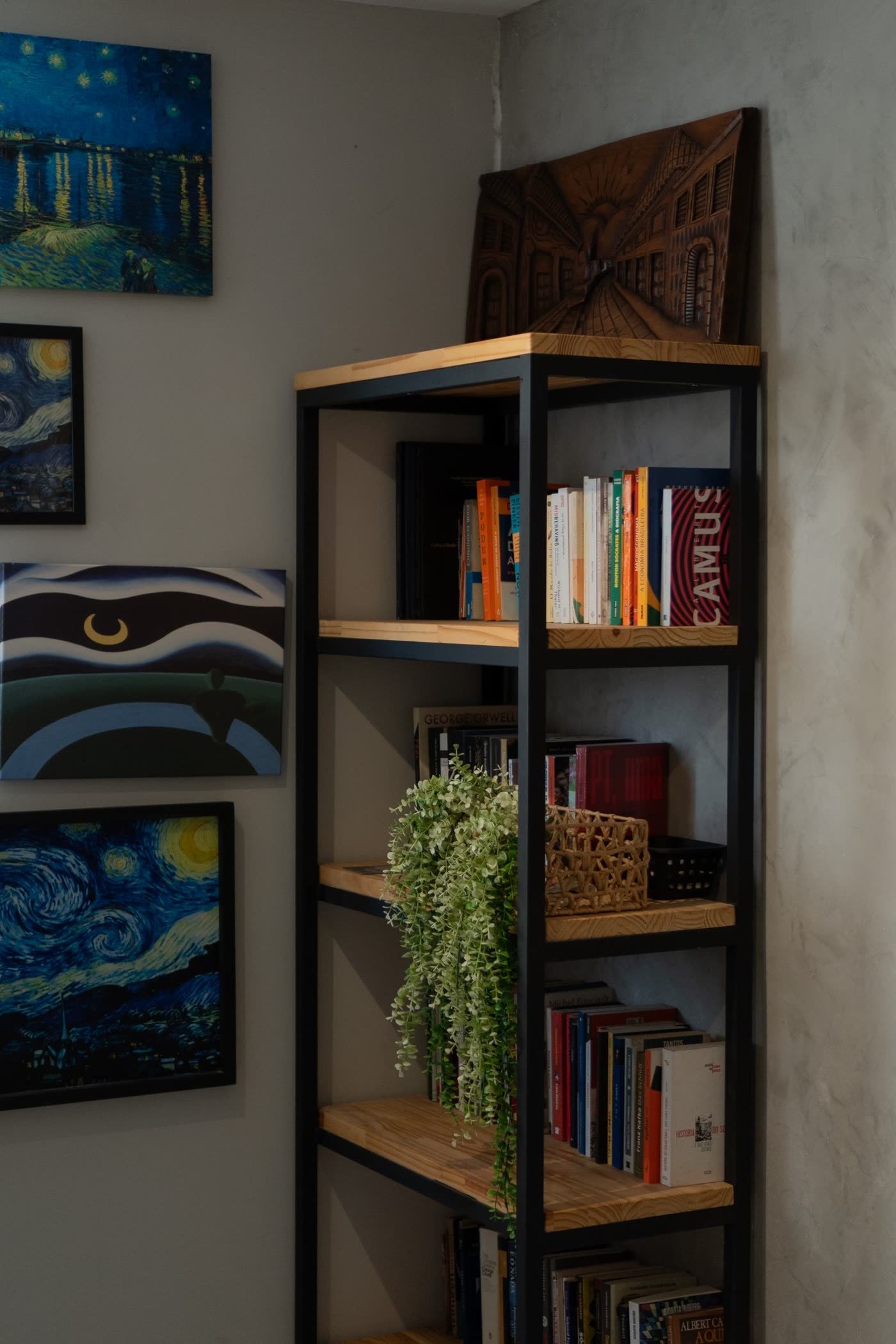
Corners are dead space on most patios. A triangular or narrow tower shelf turns one into a 4-tier storage station for pots, lanterns, and decor.
Best for: Awkward corners | Displaying pretty things while storing practical ones
Style the top shelves (plants, lanterns) and use the bottom shelves for the unglamorous stuff (soil bags, spare pots). A narrow side yard uses the same corner-maximizing principle.
9. Ottoman Storage Cubes
Outdoor storage ottomans give you a footrest, extra seating, and a hidden compartment in one 16-inch cube. Scatter two around the patio.
Best for: Flexible seating + storage | Small patios that host guests
They are light enough to move wherever needed and tuck under tables when not in use. Fill them with throws, outdoor games, or pet toys.
10. The Seasonal Purge System
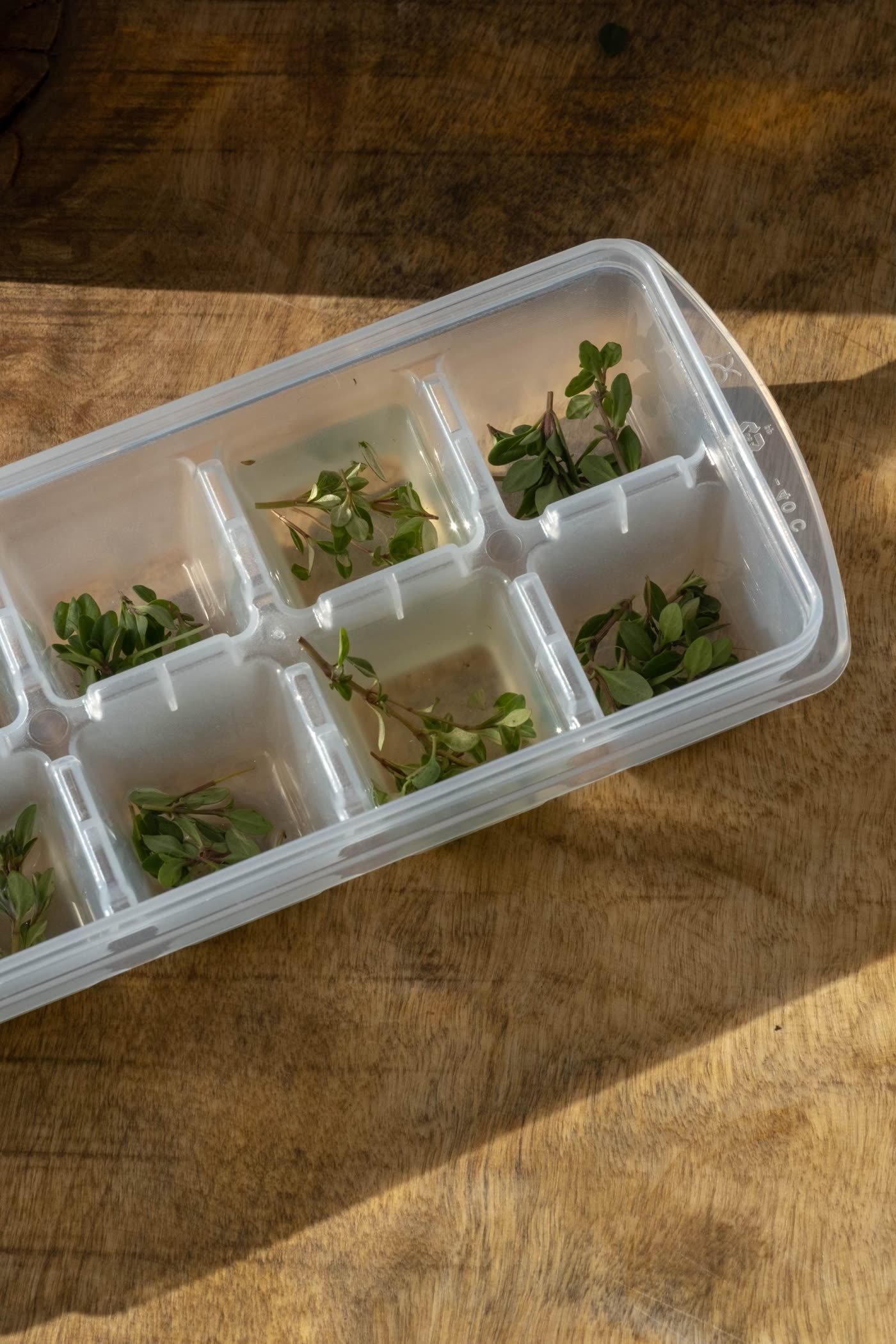
The best storage idea is owning less stuff. Twice a year, empty every patio storage spot and sort into keep, donate, and trash.
Best for: Everyone | Preventing the slow creep of patio clutter
Broken pots, dead plants, faded cushions, single gloves — if you would not buy it again today, let it go. A small, well-organized patio beats a large, chaotic one every time. For flooring that makes cleaning easier (and hides less dirt), see our renter-friendly patio flooring ideas.
What NOT to Store on Your Patio
Some things should never live outside, no matter how good your storage is. Natural-fiber rugs and untreated wood furniture will mold within weeks in humid climates. Paper products (books, magazines, important documents) attract insects and disintegrate. Anything with a lithium battery — power tools, e-bikes, large power banks — should not bake in direct sun or freeze overnight; temperature extremes degrade batteries and, in rare cases, create fire risk. Electronics beyond a weatherproof speaker belong indoors. And anything sentimental or irreplaceable deserves a closet, not a deck box — weather always wins eventually.
Frequently Asked Questions
How do I keep patio storage from getting moldy?
Ventilation is everything. Do not pack cushions in airtight bins while damp — let them dry first. Toss a few silica gel packs or a DampRid container in enclosed storage. Drill small drainage holes in the bottom of any DIY storage box.
What storage is safe to leave out all winter?
Resin deck boxes and benches handle winter fine. Bring fabric cushions, throws, and anything with batteries indoors. Metal carts may rust — a quick spray of WD-40 on joints before winter helps.
My HOA restricts visible storage. What can I do?
Choose storage that reads as furniture (benches, ottomans, deck-box coffee tables). Keep everything else behind a privacy screen or inside. Most HOAs object to visible clutter, not to attractive furniture.
How much weight can my balcony hold?
This matters. A standard residential balcony supports 40-60 lbs per square foot, but older buildings vary. Water is the heaviest culprit (a large planter with wet soil can top 100 lbs). When in doubt, ask your building manager before adding heavy storage like a filled deck box.