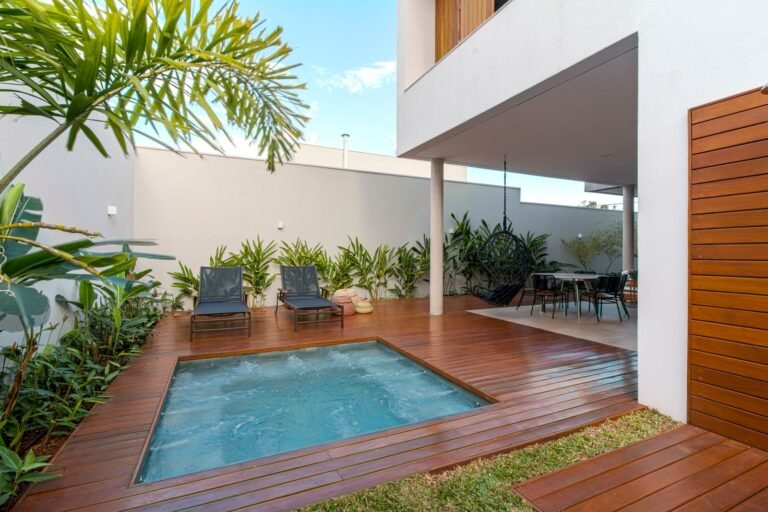
The stock tank pool might be the best budget hack in backyard history: a galvanized farm trough, a filter, and a weekend of work gets you a real, swimmable pool for under $800. Here’s how to set one up right — and make it look like a design choice, not a farm accident.
1. The Classic 8-Foot Setup
The standard build is an 8-foot round galvanized stock tank (about 2 feet deep, holds ~700 gallons). Level the ground, lay a sand base or interlocking foam mats, drop the tank, add water. That’s genuinely the whole foundation.
Best for: First-timers who want the proven, simplest version.




2. Filter: Don’t Skip It

Standing water turns green in days. A small Intex-style cartridge filter pump (1,000+ GPH) plumbed through the tank wall with bulkhead fittings keeps water clear for weeks. Drill two holes, install the fittings with silicone sealant, connect hoses — plenty of YouTube walkthroughs cover the exact parts list.
Best for: Anyone who wants to swim more than once before draining.
3. The Chlorine Question
You have two paths: a small floating chlorine dispenser with 1-inch tablets (cheap, effective, classic pool chemistry), or a saltwater chlorine generator for gentler water. Either way, grab $15 test strips and check levels weekly — a stock tank is a real pool and needs real water care.
Best for: Keeping the water safe and clear all summer.
4. Paint It (Yes, Really)
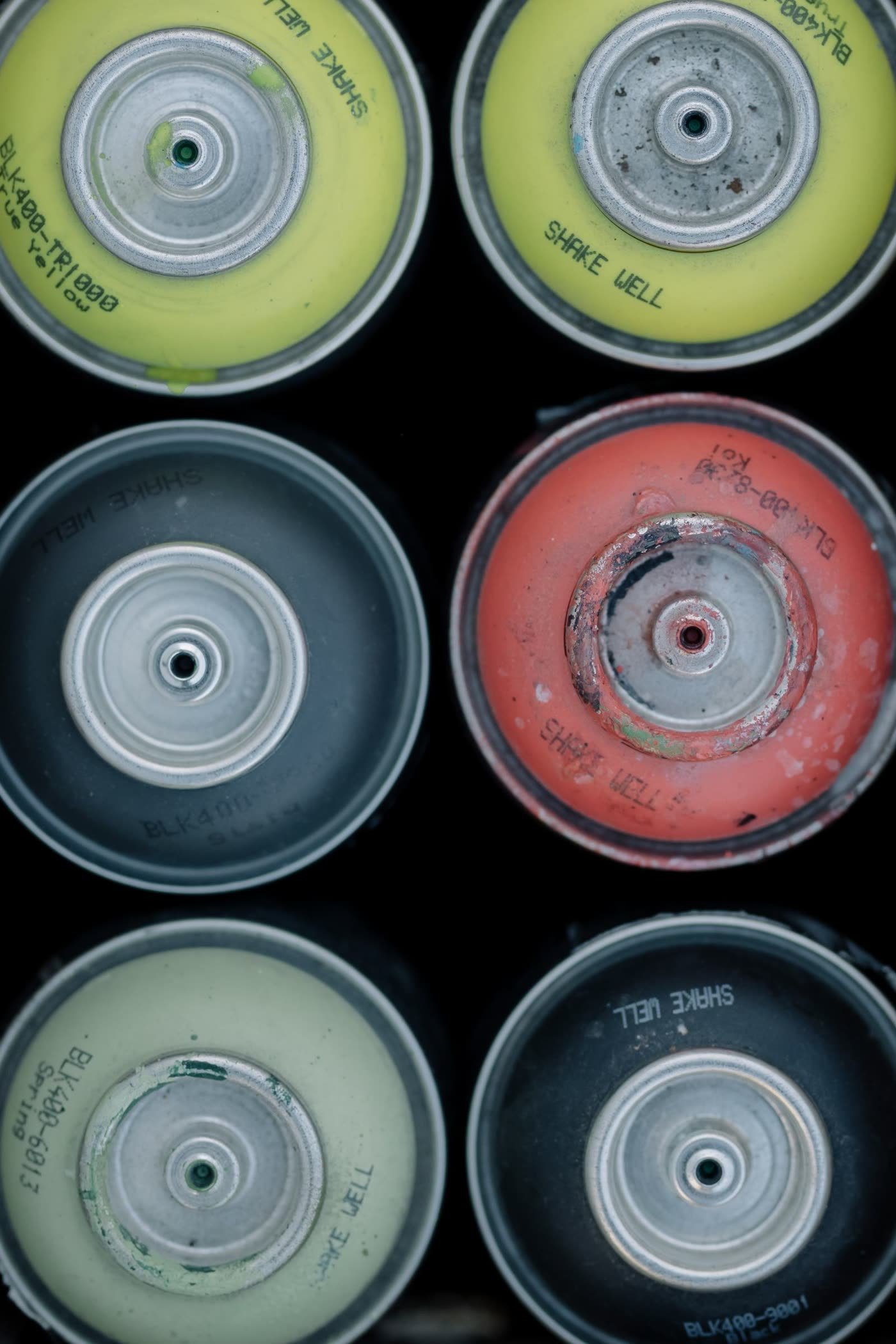
Galvanized metal is functional but industrial. Marine-grade epoxy pool paint in white, aqua, or deep blue transforms the look completely and adds a rust barrier. Sand lightly, prime with a metal primer, two coats of epoxy — do it before first fill.
Best for: Making the tank look intentional instead of agricultural.
5. Wood Surround
A simple cedar or pressure-treated surround — even just a 2-foot-wide deck ring — hides the metal wall and gives you a place to sit, set drinks, and step in gracefully. It also insulates the tank so water stays cooler in heat.
Best for: The single biggest visual upgrade per dollar.
6. Stock Tank Hot Tub Mode

Add a propane camp water heater or a wood-fired “chofu” style heater with a coil, and your pool becomes a hot tub from October to April. The small water volume heats fast — 1–2 hours to go from cool to steamy. This is the famous “hillbilly hot tub” and it genuinely works.
Best for: Extending your season into fall and winter.
7. The Oval Upgrade
Round tanks are classic, but oval stock tanks (typically 8×2 feet… actually commonly sold as 6-foot or 8-foot ovals) give swimmers a bit more stretch-out room and fit better against fences and walls. Same setup, slightly better proportions for narrow yards.
Best for: Narrow side yards where a round tank wastes space.
8. Shade Sail Above
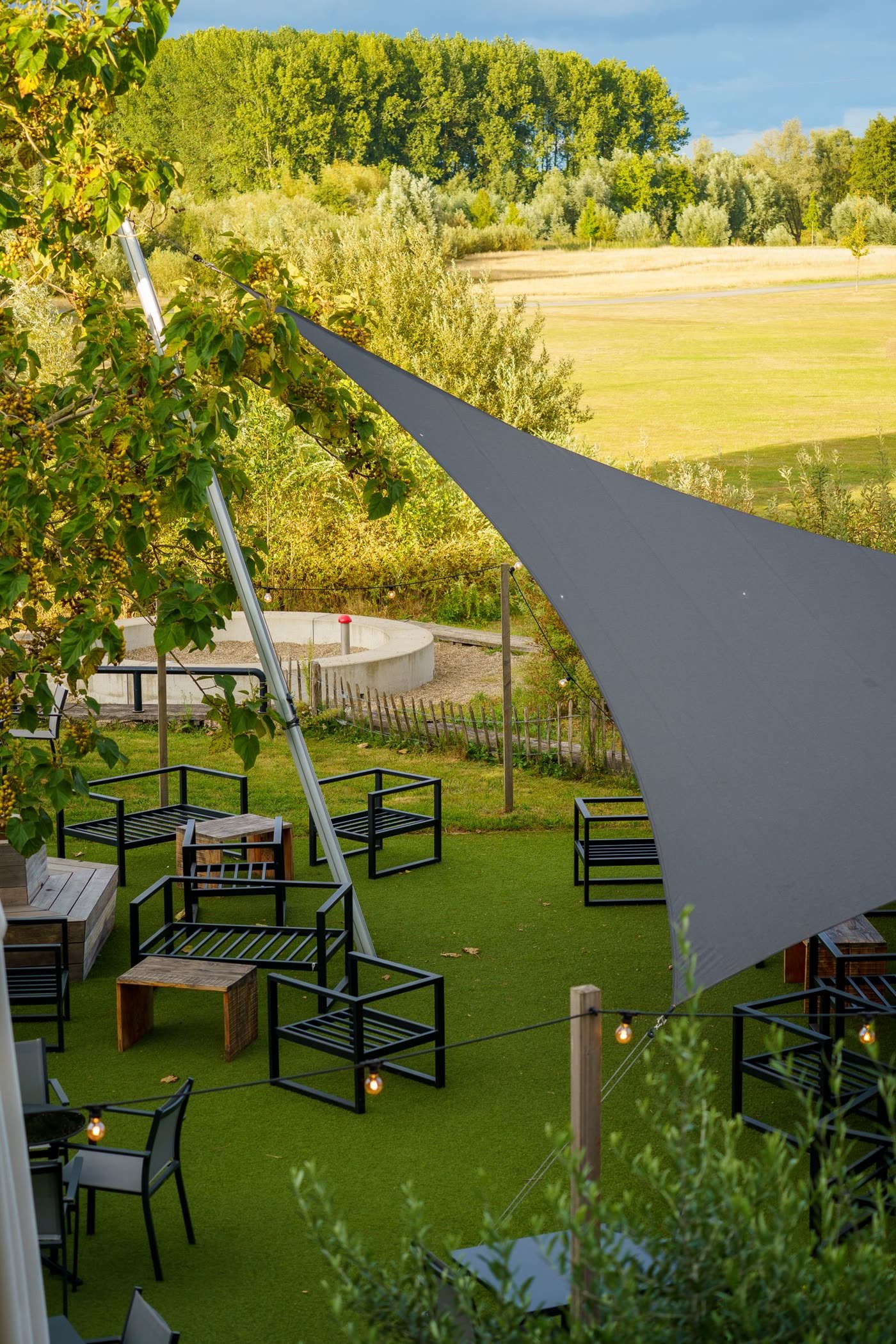
Metal tanks in full sun turn bathwater into soup by 3 PM. A triangle shade sail on two posts drops the water temperature noticeably and makes midday swims actually pleasant. It also cuts UV degradation on any painted finish.
Best for: Full-sun yards in hot climates.
9. Night Lighting

A couple of submersible LED pool lights (magnetic or suction-cup, battery powered) turn the tank into a glowing evening feature. Add string lights overhead and the whole corner of the yard becomes the nighttime hangout.
Best for: People who’ll use the pool more after work than at noon.
10. The Landscaped Nook
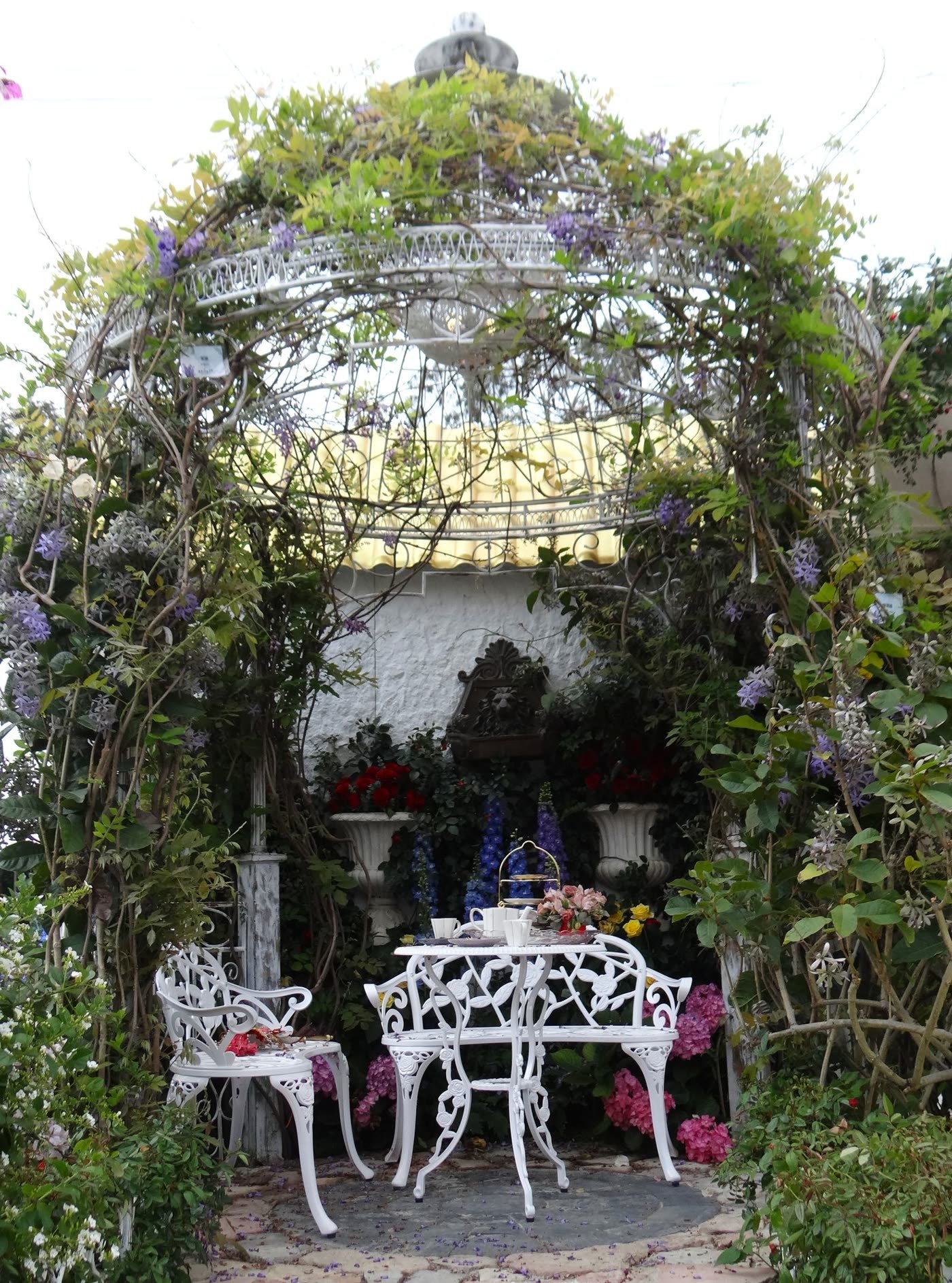
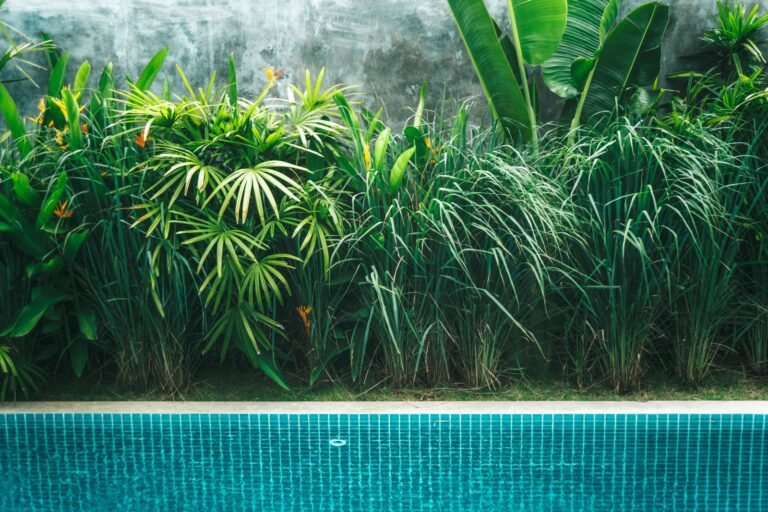
Sink the tank 6–12 inches into the ground (dig carefully, keep drainage in mind), then plant ornamental grasses and trailing plants around the rim. The partial bury makes it read as a “plunge pool” rather than a trough, and plants soften every hard edge.
Best for: Hiding the tank’s origins entirely.
11. Winterizing Done Right
In freezing climates: drain below the fittings, blow out the filter lines, remove the pump and store it indoors, and toss in a winterizing floater or just cover tightly. Galvanized tanks handle freeze-thaw fine when empty — it’s trapped water in fittings that cracks things.
Best for: Anyone north of the frost line.
12. The Social Setup

Arrange the tank as the center of a hangout zone: outdoor rug underneath the surround, a couple of Adirondack chairs, a side table for drinks, and a towel hook post. The pool becomes the excuse; the zone becomes the destination.
Best for: Making a $800 pool feel like a $8,000 backyard.
5 Stock Tank Pool Mistakes to Avoid
Skipping the level check. A tank that’s off by even an inch puts uneven pressure on the walls and looks visibly wrong once filled. Spend 30 minutes with a long level and sand — it’s the least fun, most important step.
Drilling filter holes too low. Bulkhead fittings should sit 4–6 inches below the rim. Too low and you lose water volume; too high and the pump sucks air when water evaporates. Measure twice, drill once — you can’t undrill a hole.
Using non-HT pallets or treated wood inside the water zone. Only heat-treated (HT-stamped) wood near the pool; chemically treated lumber leaches into water. Same goes for the surround — keep pressure-treated wood outside the splash zone or seal it thoroughly.
Ignoring the electrical. Filter pumps need a GFCI-protected outdoor outlet — not an extension cord across the lawn. If you don’t have one, a $150 electrician visit for a GFCI outlet is the cheapest safety upgrade in this whole project.
Filling before testing the filter. Fill the tank halfway, run the pump, and check every fitting for drips before committing 700 gallons. Finding a leak at half-full is an annoyance; finding it at full is a flood.
Pair your tank with ideas from our backyard pool ideas guide, and if the budget angle is your thing, our small patio ideas for tight budgets has more wallet-friendly wins. For water safety basics, the American Red Cross pool safety tips are worth a read before the first swim.
Frequently Asked Questions
How much does a stock tank pool really cost?
Tank ($400–$600 for 8-ft galvanized), filter pump ($80–$150), fittings and hoses ($50–$80), chemicals ($40/season). Total: roughly $600–$900 all-in for the classic setup.
Are stock tank pools safe?
As safe as any small pool with proper precautions: never leave kids unattended, maintain chlorine levels, and secure the area. The low 2-foot depth is actually a safety plus for wobbly toddlers — but it’s still water, so treat it seriously.
Will a stock tank pool rust?
Galvanized tanks resist rust well, but scratches and constant water contact eventually win. Epoxy pool paint before first fill is the best prevention; expect to touch up every 3–5 years.
Can I heat a stock tank pool?
Yes — small propane water heaters or wood-fired coils heat the ~700 gallons in 1–2 hours. Many owners run theirs as hot tubs in shoulder seasons, which is half the appeal.