
That strip of dirt along your fence is the most wasted space in your backyard. Here’s how to turn it into the prettiest part of your yard.
1. Layered Flower Bed
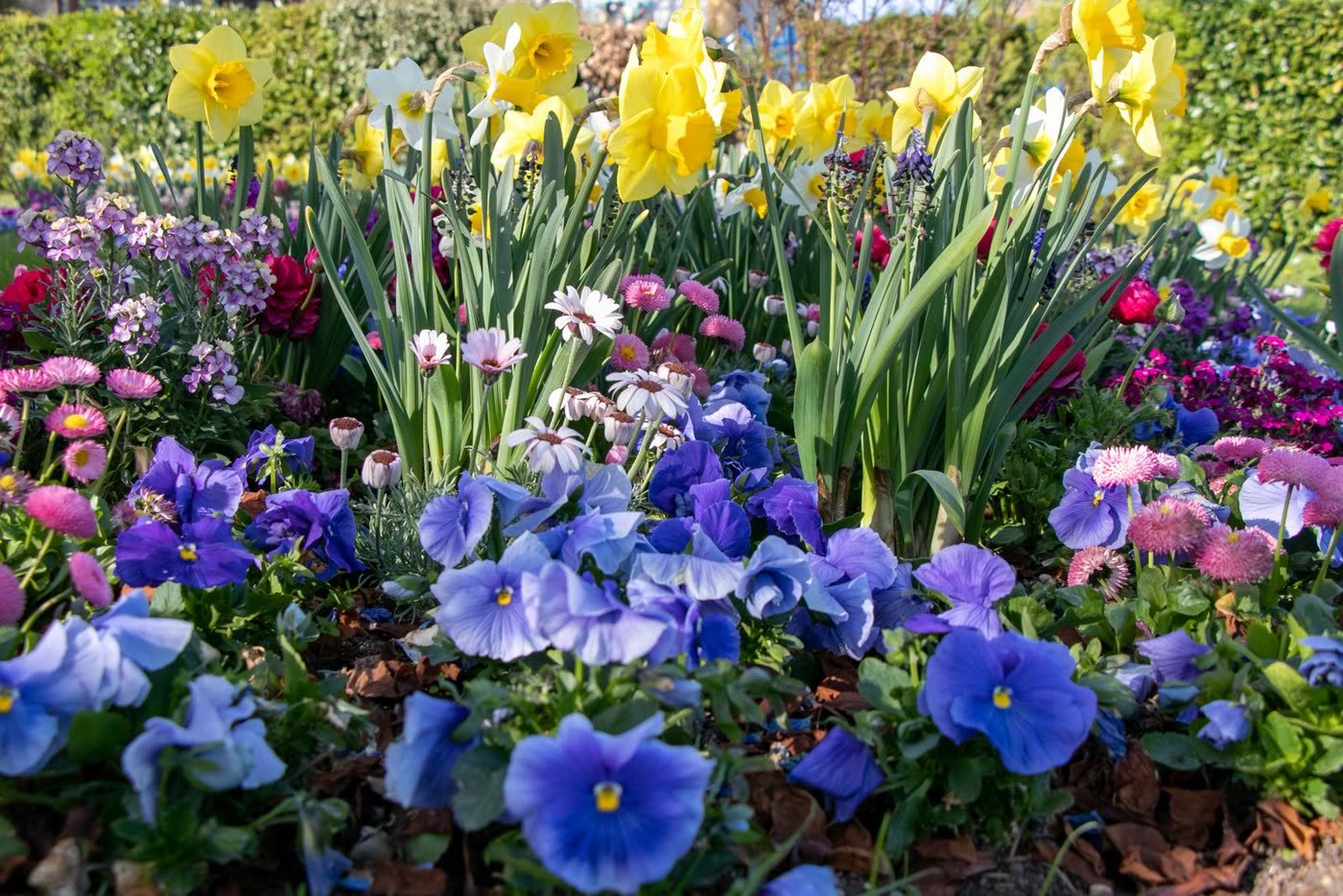
Dig a 2–3 foot bed along the fence and plant in tiers: tall (hollyhock, delphinium) at the back, medium (coneflower, salvia) in the middle, low (alyssum, creeping thyme) at the front. Mulch heavily to keep weeds down.
Best for: Flower lovers who want maximum color per square foot.
2. Evergreen Screen Hedge
Plant arborvitae or skip laurel 3–4 feet apart along the fence for a year-round green wall. They grow 1–3 feet per year and need almost no care once established.
Best for: Permanent privacy that looks better than the fence itself.




3. Climbing Roses on the Fence
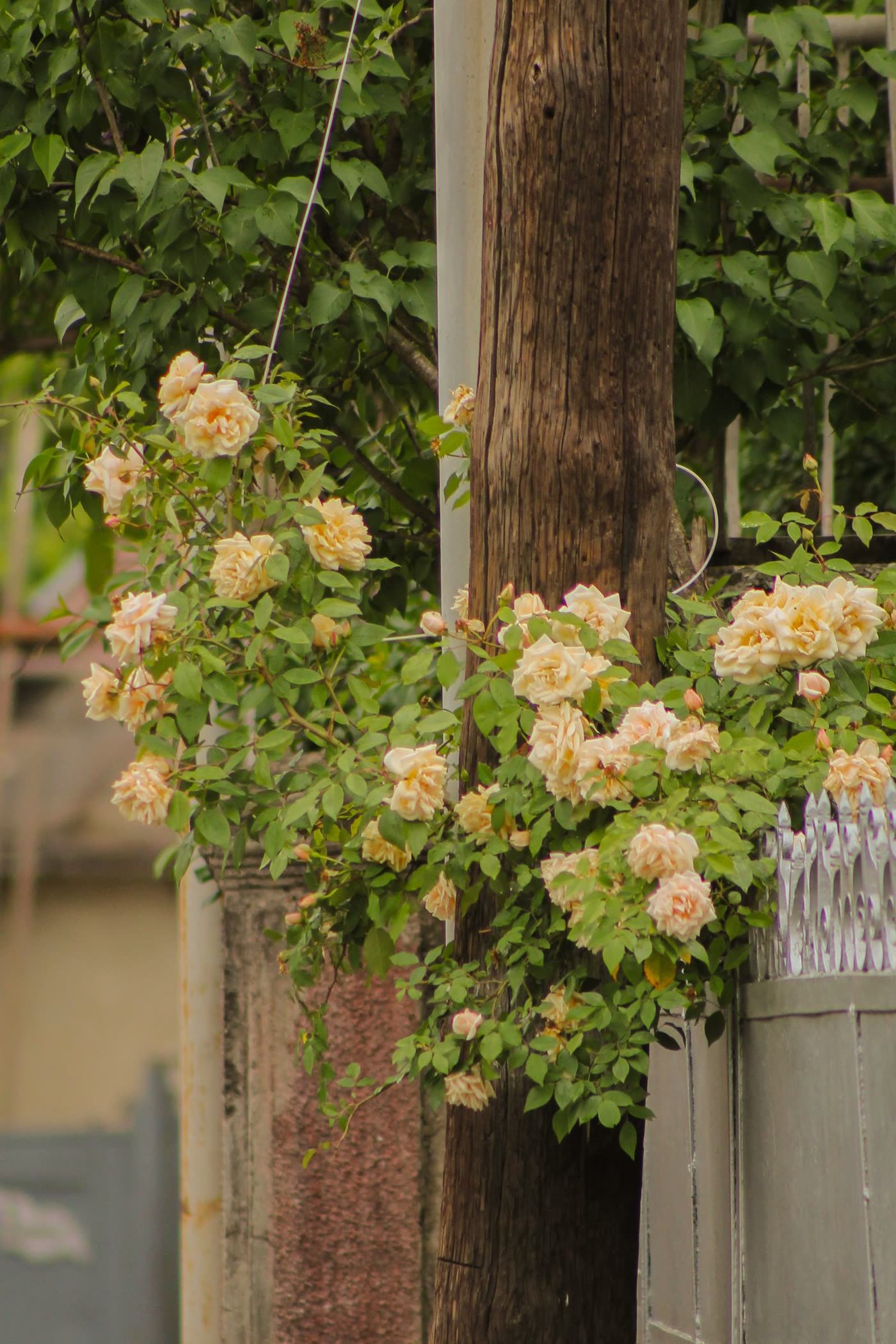
Mount a simple wire trellis on the fence and train climbing roses (New Dawn, Eden) horizontally along the wires. You’ll get a wall of blooms by year two.
Best for: Cottage-style charm on an ordinary wooden fence.
4. Ornamental Grass Border
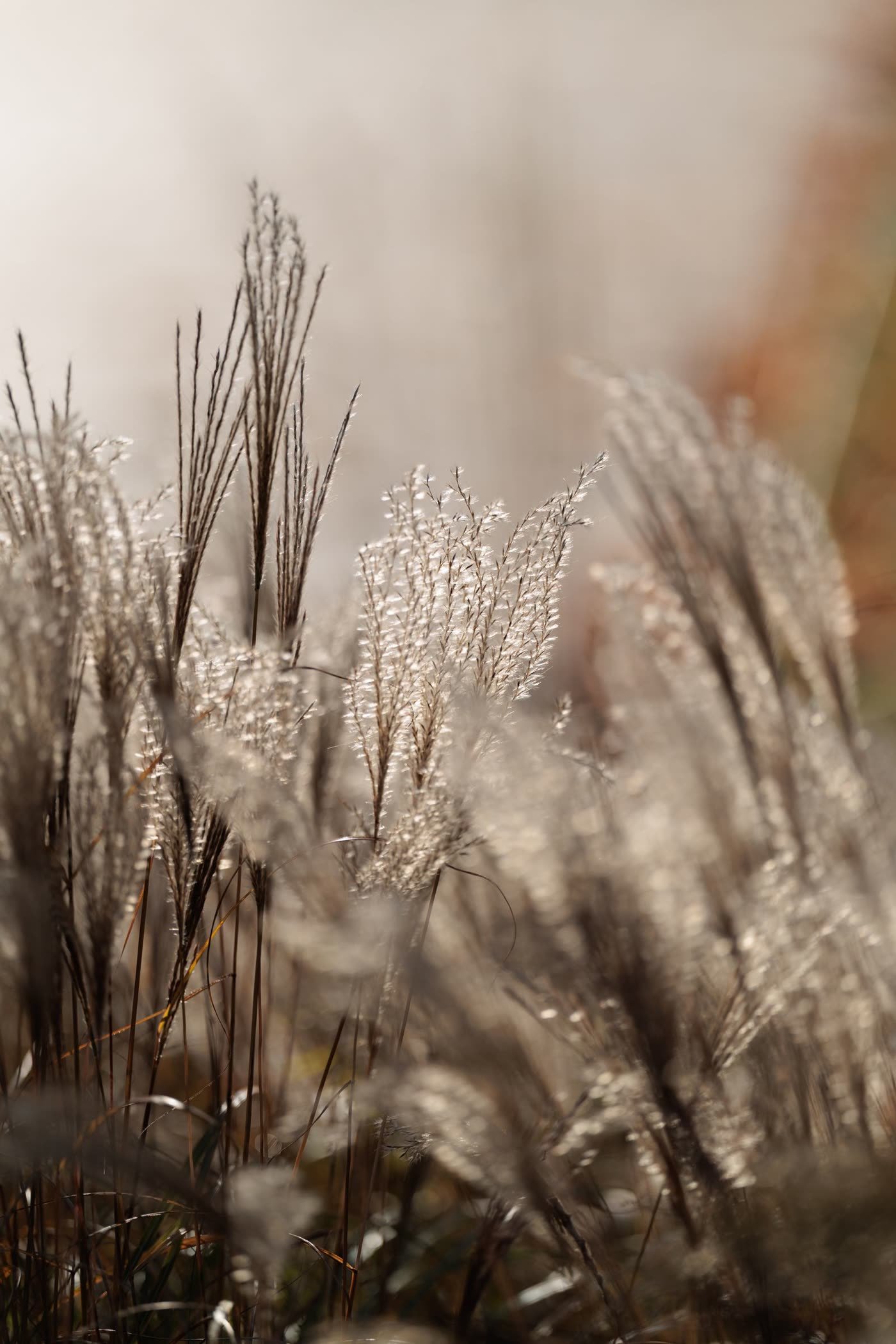
Plant clumps of maiden grass, fountain grass, or feather reed grass every 3 feet. They sway beautifully, need one haircut a year, and look great even in winter.
Best for: Low-maintenance gardeners who still want texture and movement.
5. Raised Bed Against the Fence
Build a narrow 18-inch-deep raised bed along the fence for vegetables or herbs. The fence blocks wind and reflects heat — tomatoes and peppers love it.
Best for: Edible gardeners short on sunny spots.
6. Mixed Shrub Border
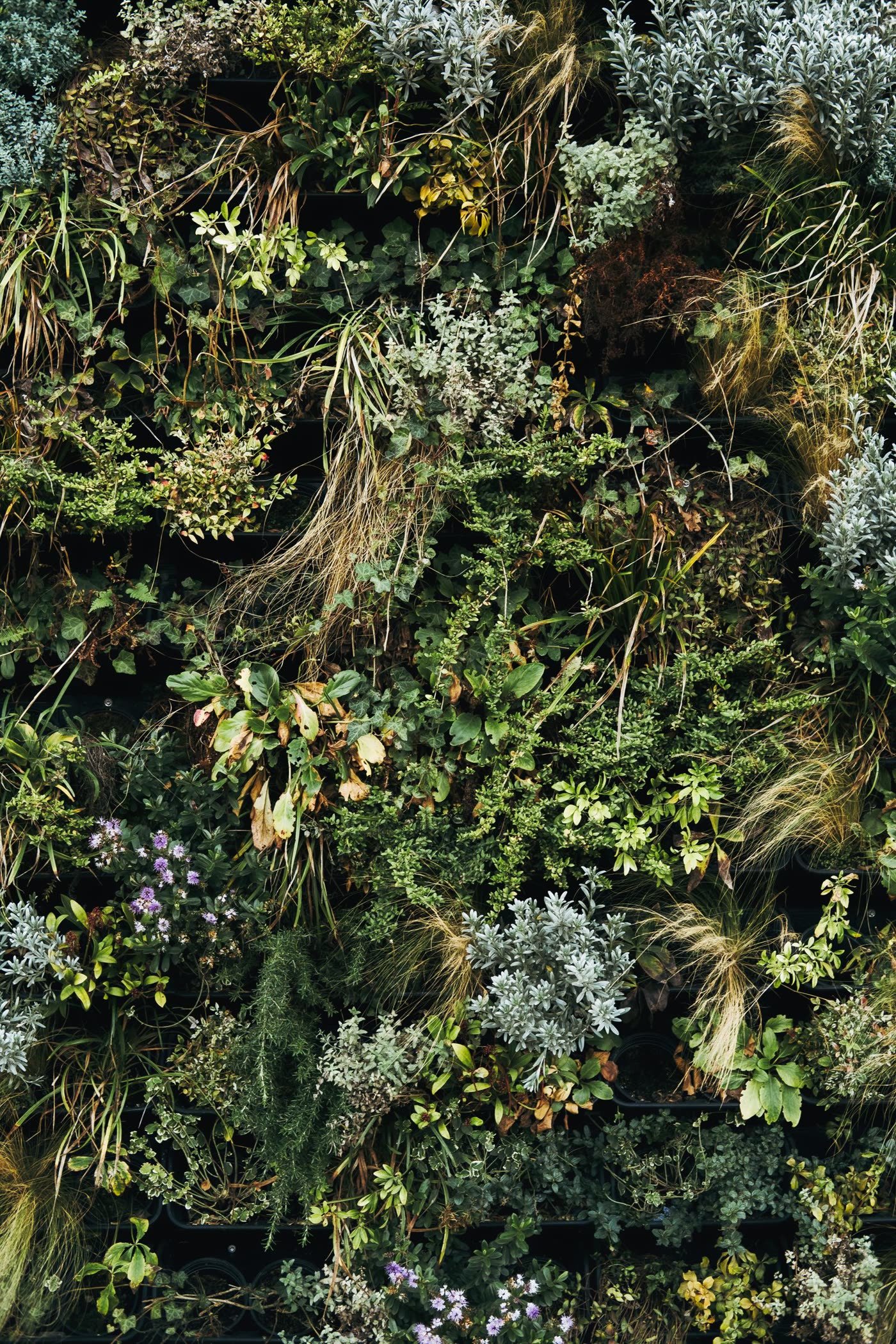
Combine hydrangeas, boxwood, and spirea in an informal row. Stagger bloom times so something’s always flowering from spring to fall.
Best for: A polished, landscaper-designed look without hiring one.
7. Espalier Fruit Trees
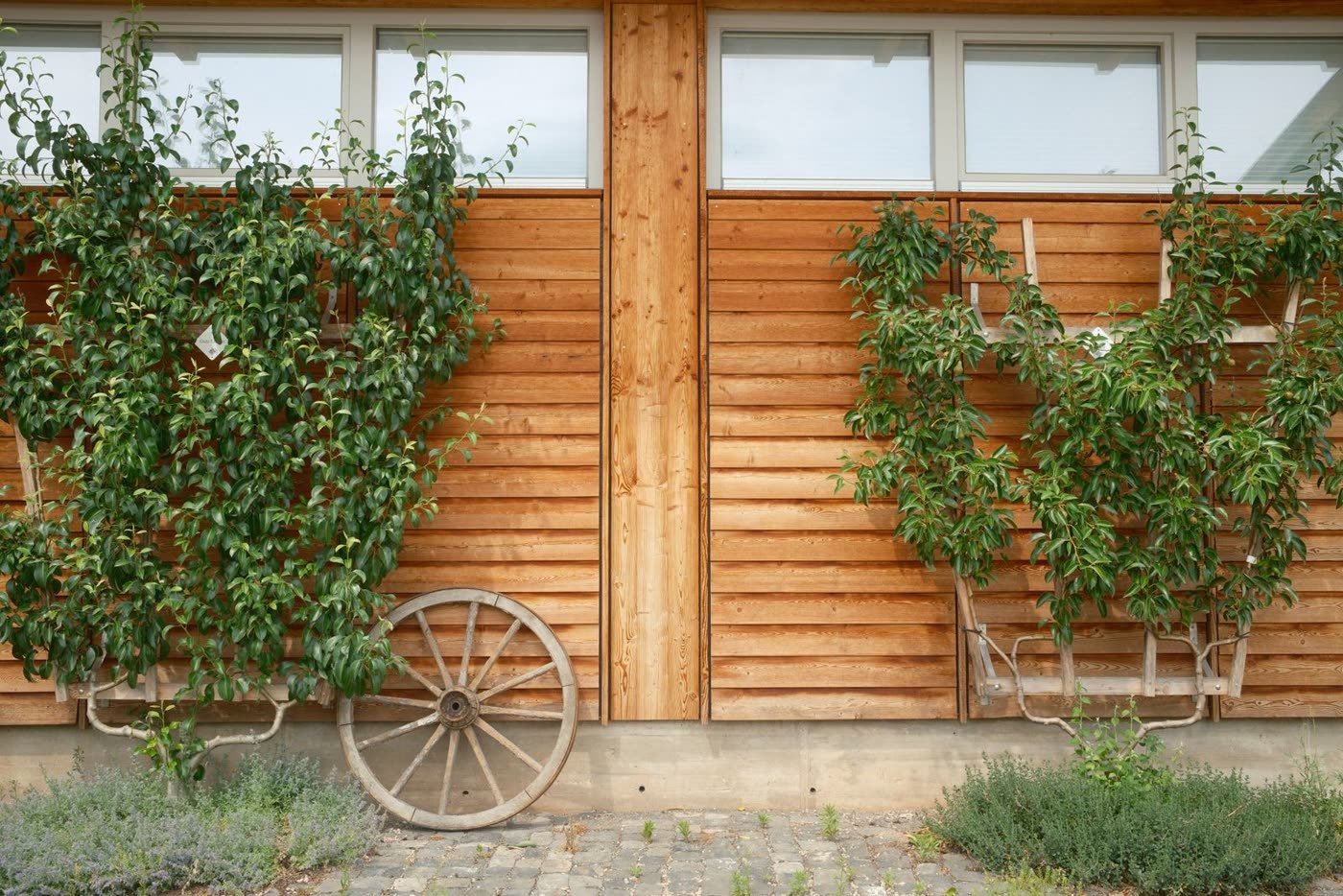
Train dwarf apple or pear trees flat against the fence in a horizontal cordon pattern. It takes 2–3 years but produces real fruit in almost zero floor space.
Best for: Small yards where every square foot must earn its keep.
8. Shade-Tolerant Hostas and Ferns
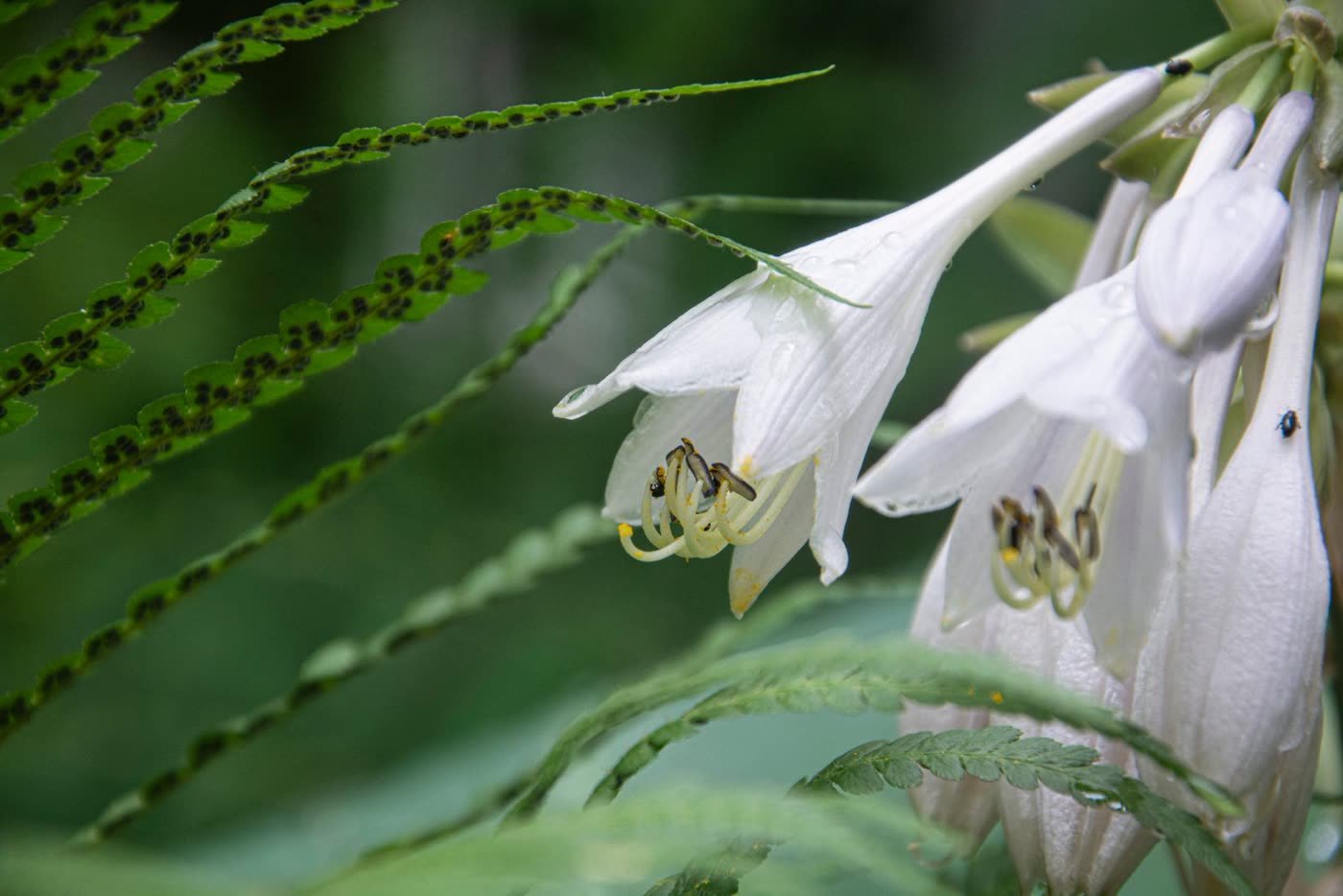
For north-facing fences, plant hostas, ferns, and astilbe — they thrive where sun-lovers sulk. Add a stone edging for a finished look.
Best for: Shady fence lines that currently grow nothing but moss.
9. Wildflower Strip
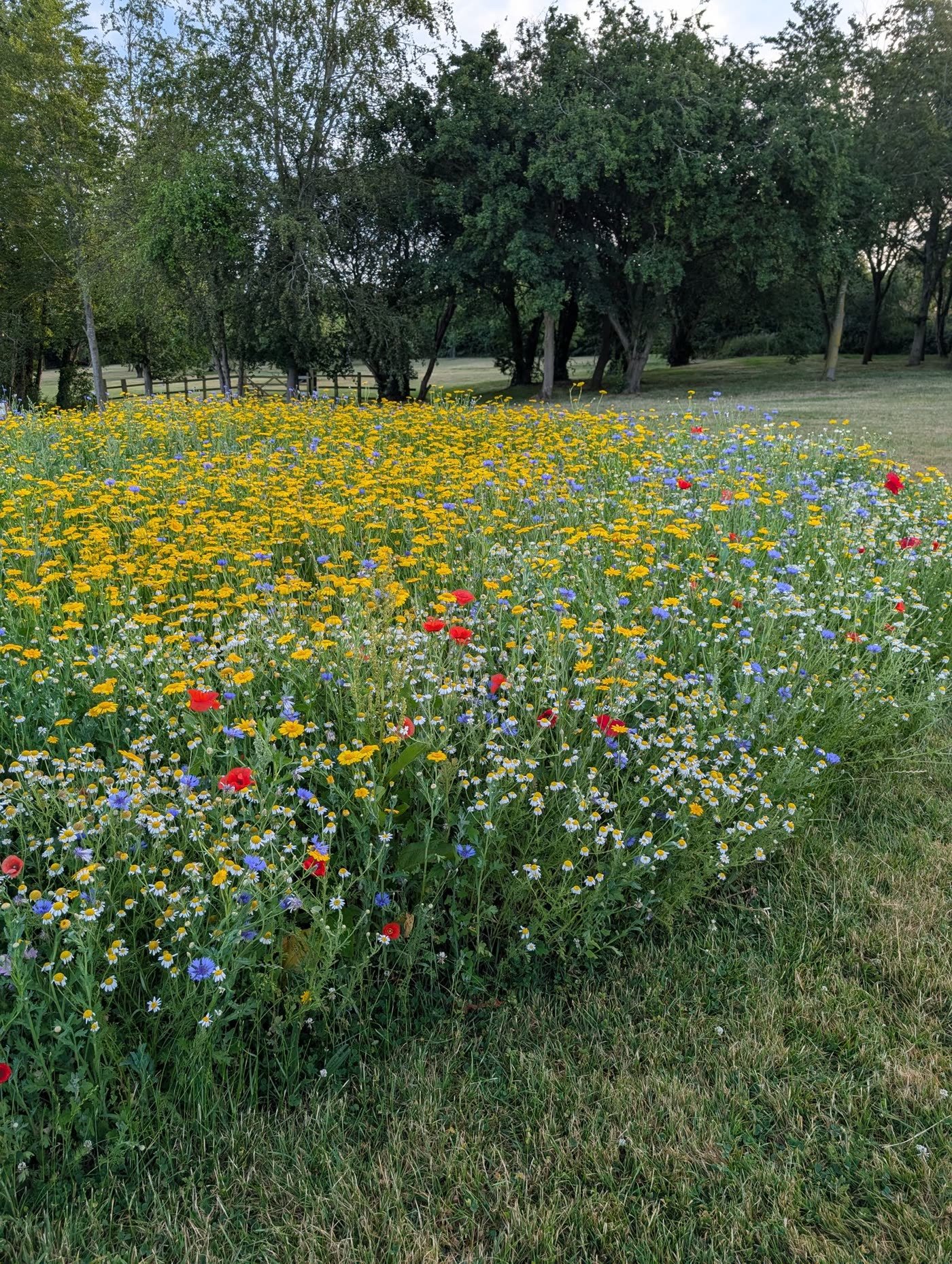
Sow a native wildflower mix in a 2-foot strip along the fence. Mow once a year. You’ll get pollinators, butterflies, and a meadow look for the cost of a seed packet.
Best for: Eco-friendly gardeners and anyone who hates mowing.
10. Bamboo Screen (Clumping Only!)

Plant clumping bamboo (Fargesia) — never running bamboo — for a fast tropical screen. It hits 10–15 feet in 3 years and stays where you put it.
Best for: Instant jungle vibes without the invasive nightmare.
11. Stone Edging + Groundcover
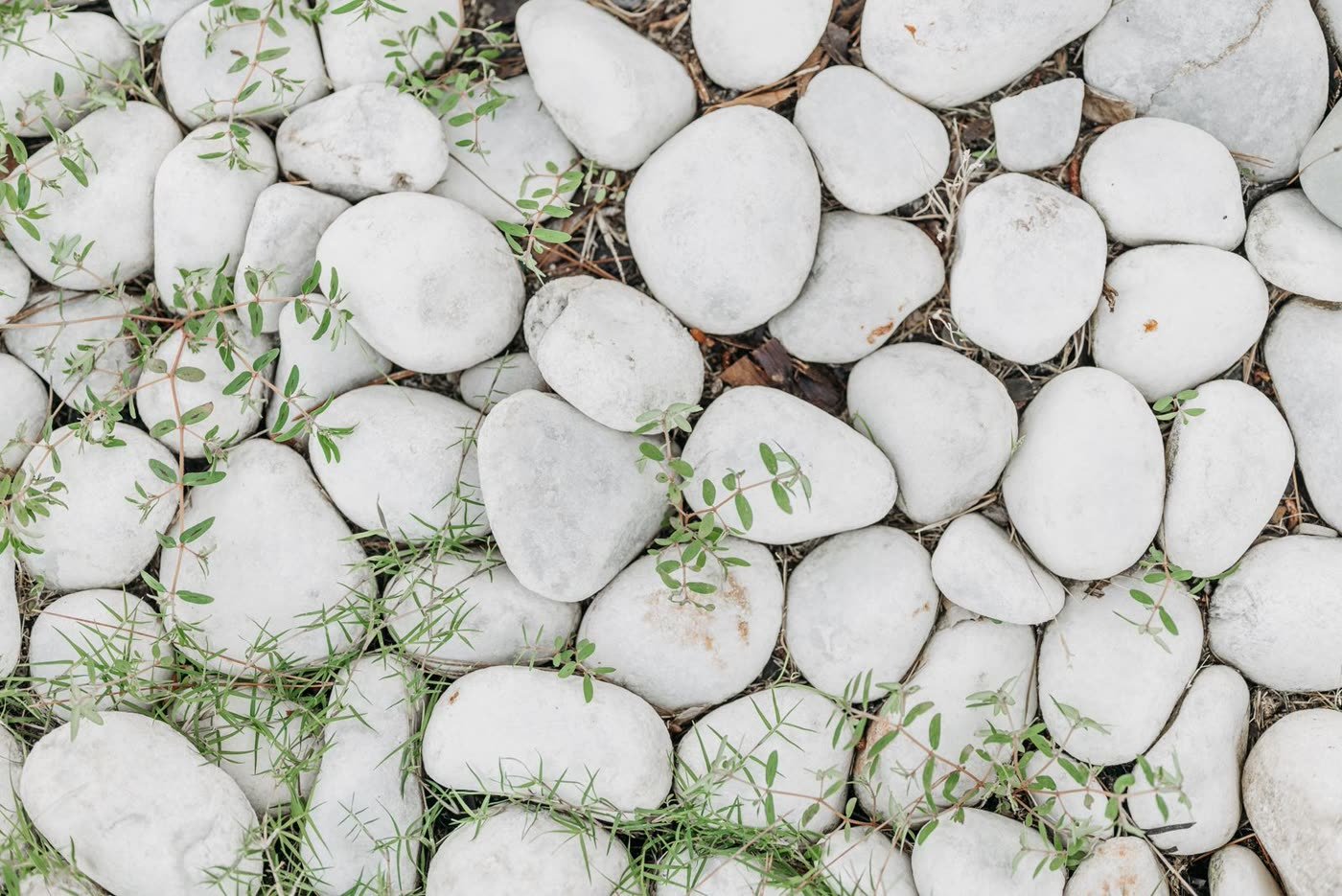
Line the fence with a low stone border and fill with creeping jenny, sedum, or mondo grass. Clean, modern, and nearly weed-proof once established.
Best for: Modern yards and anyone who wants “done” in one weekend.
12. Berry Bushes
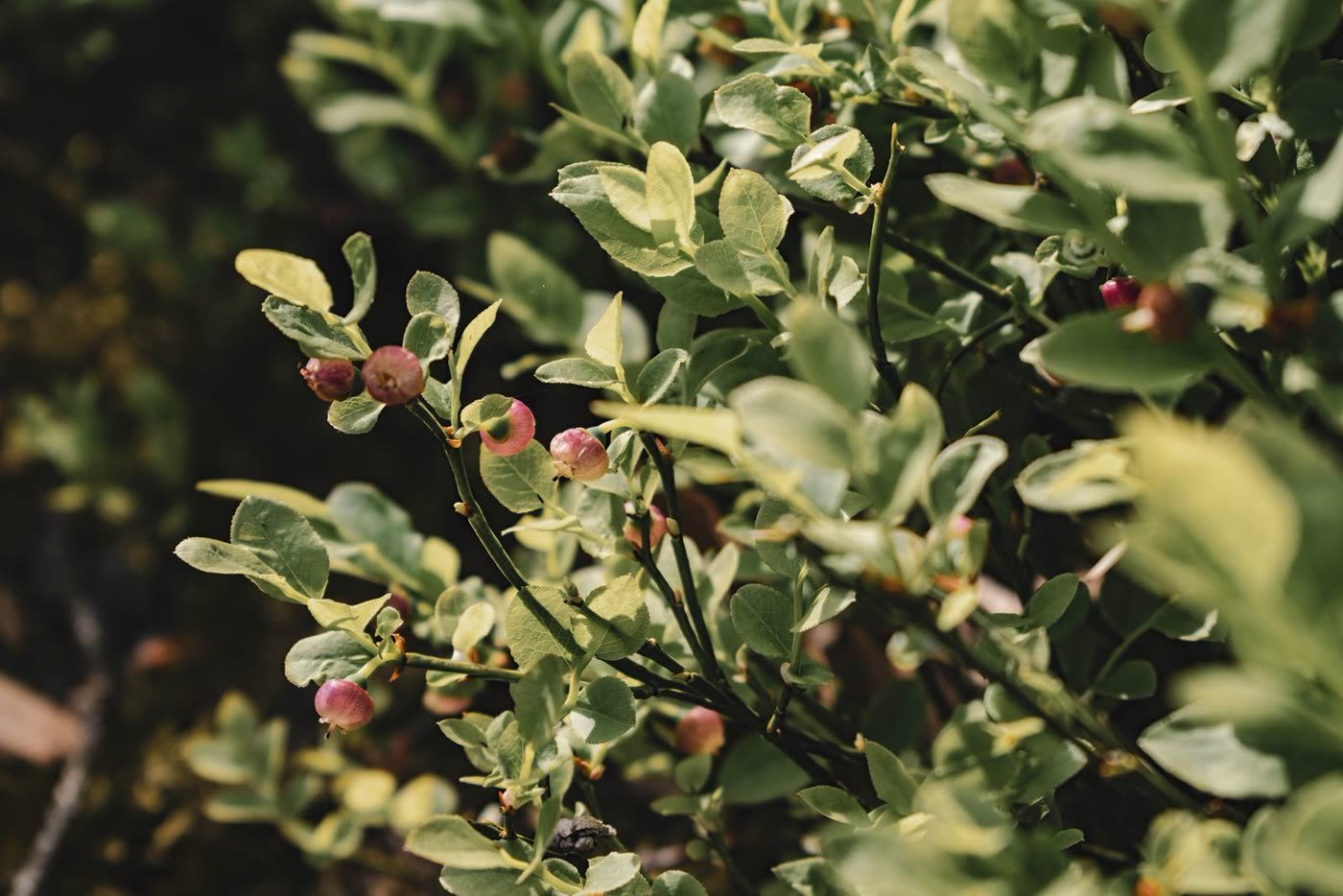
Plant blueberries, raspberries, or blackberries along a sunny fence. They fruit reliably, look pretty in bloom, and the thorns discourage fence-hoppers.
Best for: Families who want snacks and a little security.
13. Trellis Panels with Clematis
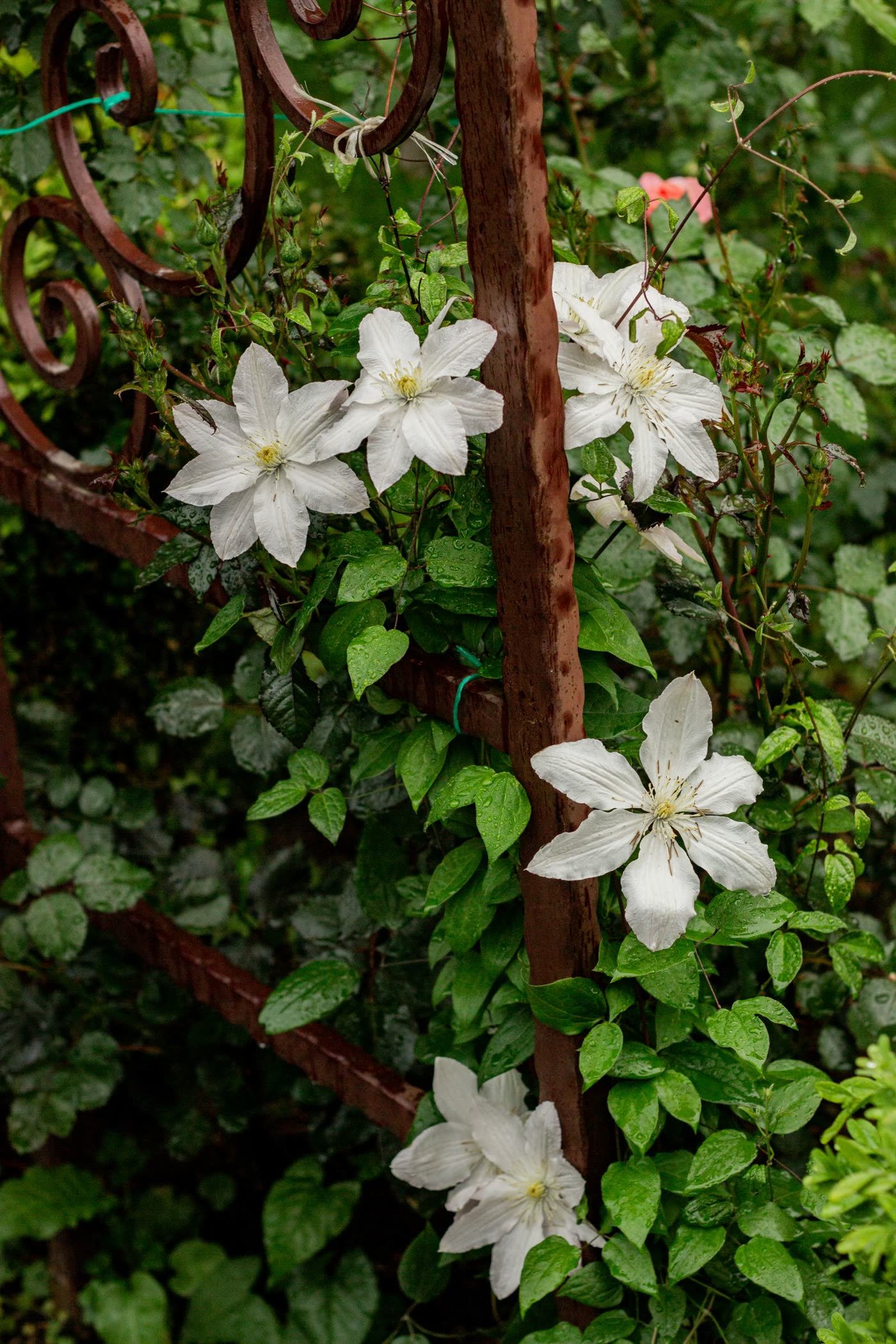
Lean cedar trellis panels against the fence and plant clematis at the base. Combine early and late varieties for blooms from May to September.
Best for: Renters or anyone who can’t attach things to the fence itself.
14. Night-Lighting Border
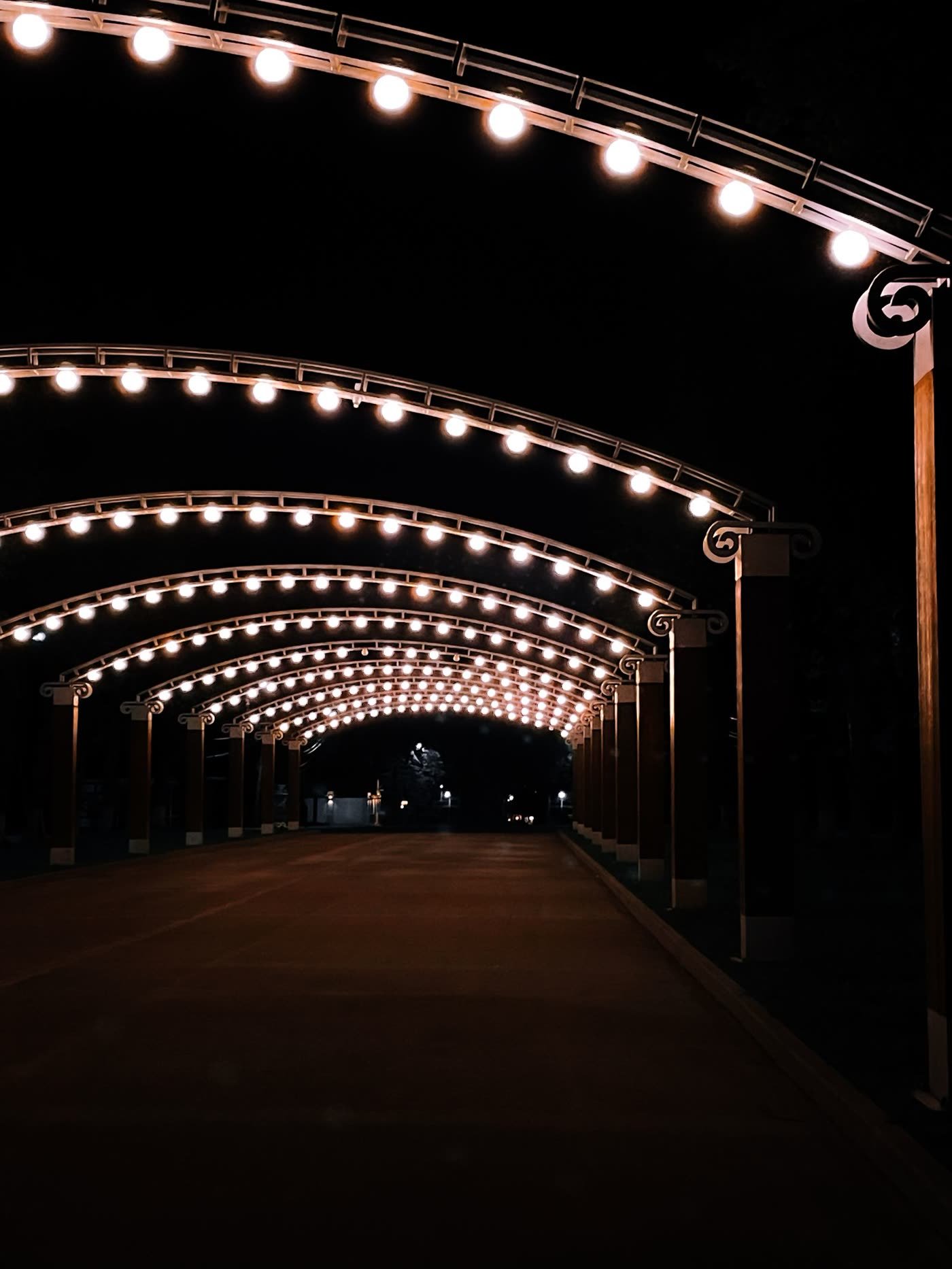
Add low-voltage spotlights or solar uplights along your fence-line planting. A $60 lighting kit turns the whole border into an evening feature.
Best for: Making the backyard usable (and gorgeous) after dark.
5 Fence Line Design Rules (From Landscape Designers)
Rule 1: Repeat in odd numbers. Plant in drifts of 3, 5, or 7 of the same plant rather than one of everything. Repetition is what makes a border look designed instead of random.
Rule 2: Mind the mature size. That cute 1-gallon arborvitae becomes a 15-foot giant. Check the tag’s mature width and space accordingly — overcrowded borders lead to constant pruning or removals in year five.
Rule 3: Include something evergreen every 6 feet. Deciduous-only borders look bleak from November to March. An evergreen anchor (boxwood, holly, yew) every 6–8 feet keeps the fence line presentable year-round.
Rule 4: Vary heights, not just plants. A flat-topped border is boring even with pretty flowers. Aim for a rolling profile — tall, medium, tall, low — like a skyline.
Rule 5: Edge it. A crisp edge (steel, stone, or just a clean spade-cut trench) between lawn and bed is the single cheapest way to make everything look professional. Re-cut edges each spring.
Seasonal Interest Calendar
Plan your fence line so it’s never boring:
– Spring: bulbs (plant in fall), flowering shrubs like forsythia and lilac, early clematis
– Summer: roses, coneflowers, ornamental grasses hitting peak, trellis vines in full leaf
– Fall: grasses turning gold, asters, sedum ‘Autumn Joy’, berry-laden shrubs
– Winter: evergreen structure, ornamental grass skeletons (don’t cut until spring), red-twig dogwood stems, uplighting
If every season has at least two “stars,” your fence line earns its keep twelve months a year.
When to Plant Your Fence Line
Fall is king. Planting shrubs, trees, and perennials in early fall gives roots months to establish before summer heat — fall-planted borders outperform spring ones by year two. Spring works fine for annuals and tender plants.
Nursery timing trick: Buy perennials in late summer when garden centers clearance them at 50–75% off. They look sad in the pot but establish beautifully by the following spring. Just keep them watered until the ground freezes.
For more ways to turn boundaries into beauty, see our guides to backyard privacy without a fence and patio privacy screens and plants. The RHS has excellent guidance on planting against fences and walls.
FAQ
How wide should a fence line garden bed be?
Two to three feet is the sweet spot — wide enough for layered planting, narrow enough to maintain from one side. Go wider only if you can access both sides.
What grows best along a fence?
It depends on sun exposure. South-facing: roses, lavender, grasses. North-facing: hostas, ferns, hydrangeas. When in doubt, ornamental grasses and evergreen shrubs work almost anywhere in the US.
How do I stop weeds along the fence line?
Lay cardboard or landscape fabric, then 3–4 inches of mulch. The fence blocks mowing access, so smothering weeds at planting time saves years of frustration.
Can I plant right against a wooden fence?
Leave 6–12 inches of air gap between plants and the wood to prevent moisture rot. A gravel strip or edging along the fence base also helps the fence last longer.