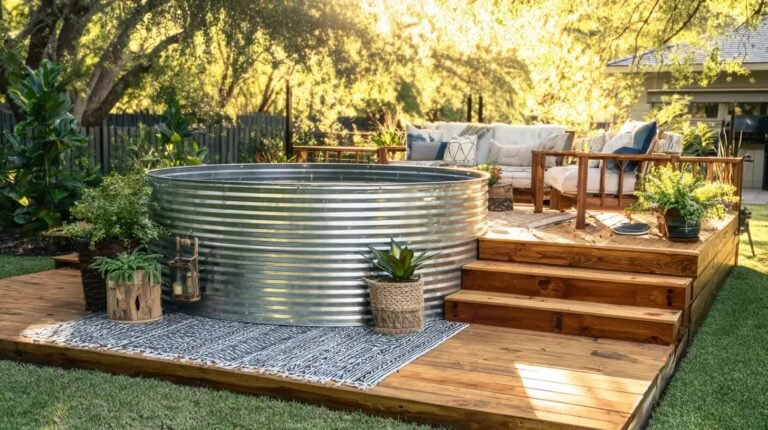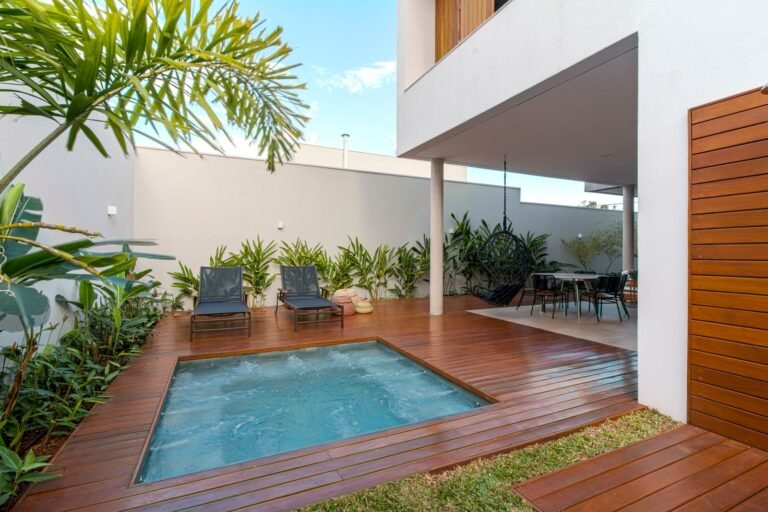

An above ground pool doesn’t have to look temporary. With the right deck, it becomes the centerpiece of your backyard — a place that feels built-in, intentional, and honestly a little luxurious.
1. The Half-Wrap Deck
You don’t need to circle the entire pool. A deck that wraps just half the pool gives you an entry platform and a lounging area while cutting lumber costs nearly in half. Build it at pool-rim height so swimmers can sit on the edge and swing their legs over.
Best for: Small yards where a full wraparound would eat the whole lawn.




2. Floating Platform Deck

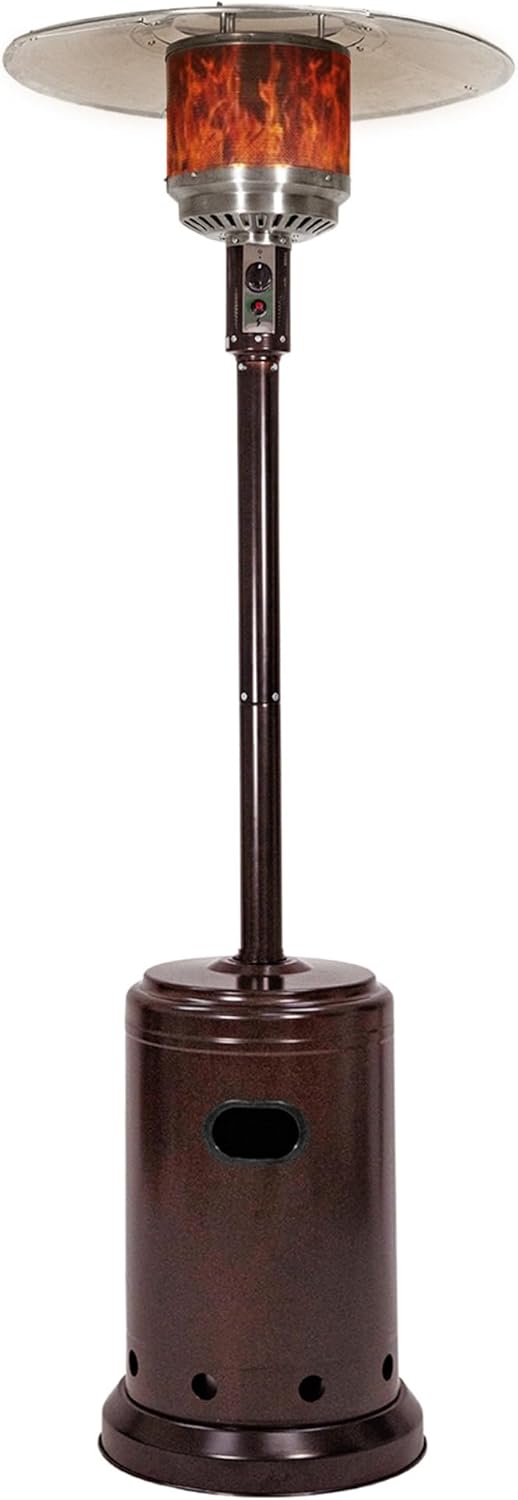
A low, ground-level platform deck next to the pool creates a lounge zone without the complexity of attaching to the pool wall. Use concrete deck blocks instead of poured footings — no digging, no permits in most areas, and you can reposition it later.
Best for: Renters or anyone who wants a no-commitment build.
3. The Stair-Step Entry
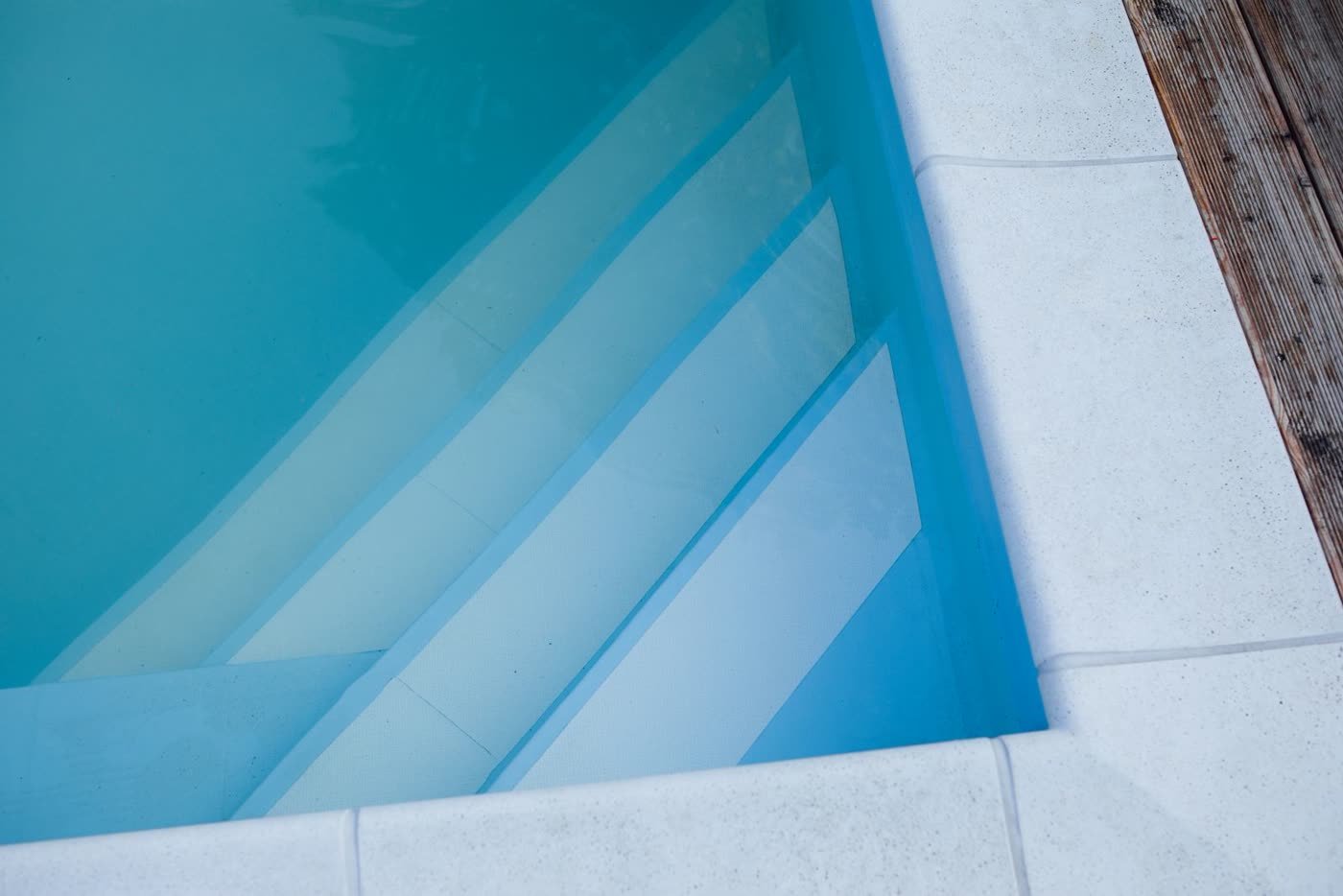
Instead of a wobbly pool ladder, build wide wooden steps leading up to a small landing at the pool’s edge. It’s safer for kids and grandparents, looks a hundred times better, and doubles as extra seating when the pool’s covered.
Best for: Families with young kids or older swimmers.
4. Wraparound With Built-In Benches

If you’re going full circle, make every inch earn its keep. Build bench seating directly into the deck railing — no separate chairs to buy, store, or blow away in storms. Add outdoor cushions and it becomes the evening hangout spot.
Best for: People who entertain; the deck becomes the party zone.
5. The Pallet-Wood Budget Deck
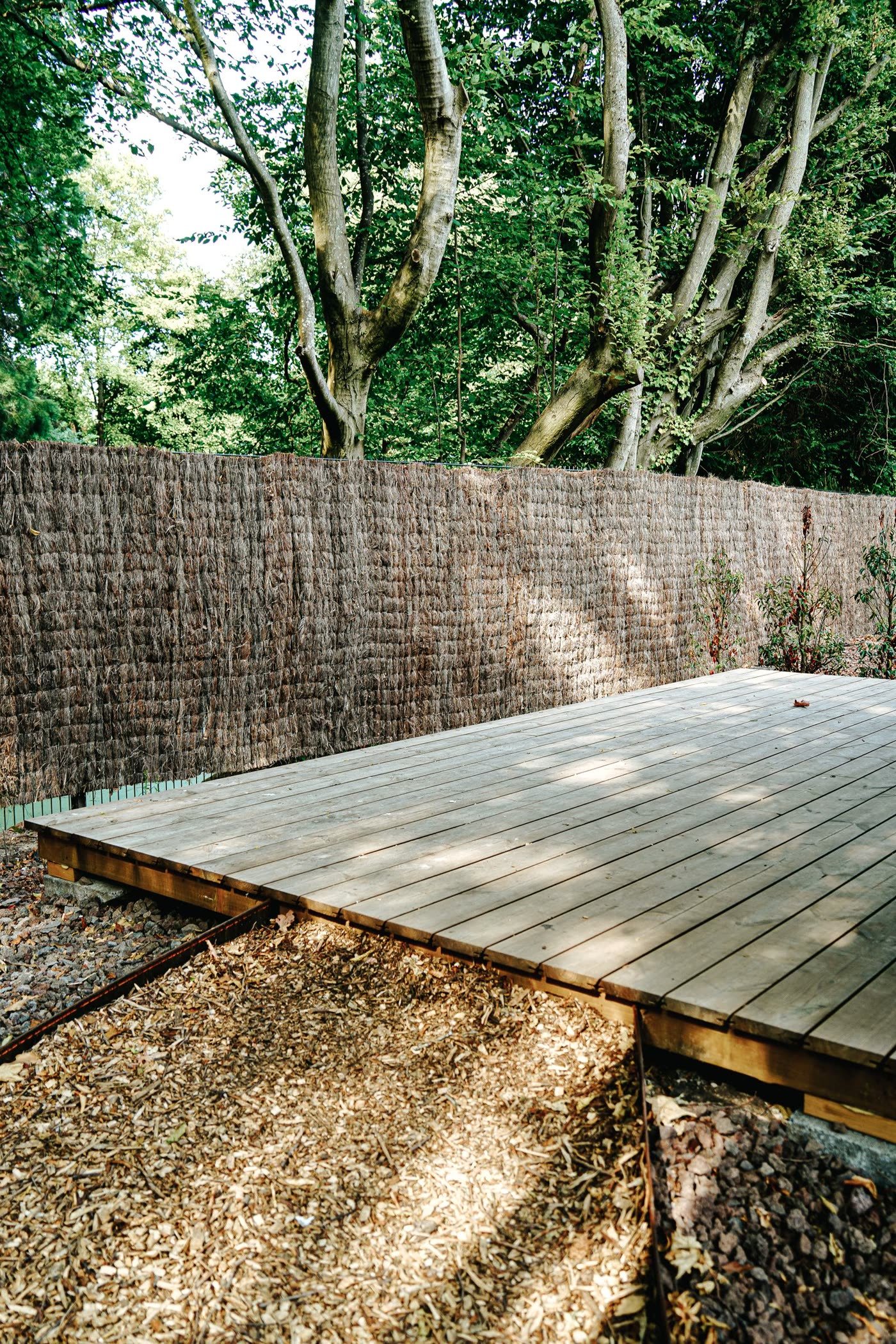
Heat-treated (HT-stamped, never chemically treated) pallets can become a surprisingly decent low deck for a fraction of lumber prices. Sand thoroughly, seal with exterior deck stain, and keep the structure low to the ground. Total cost can land under $300.
Best for: Tight budgets and DIY beginners.
6. Composite Decking Upgrade
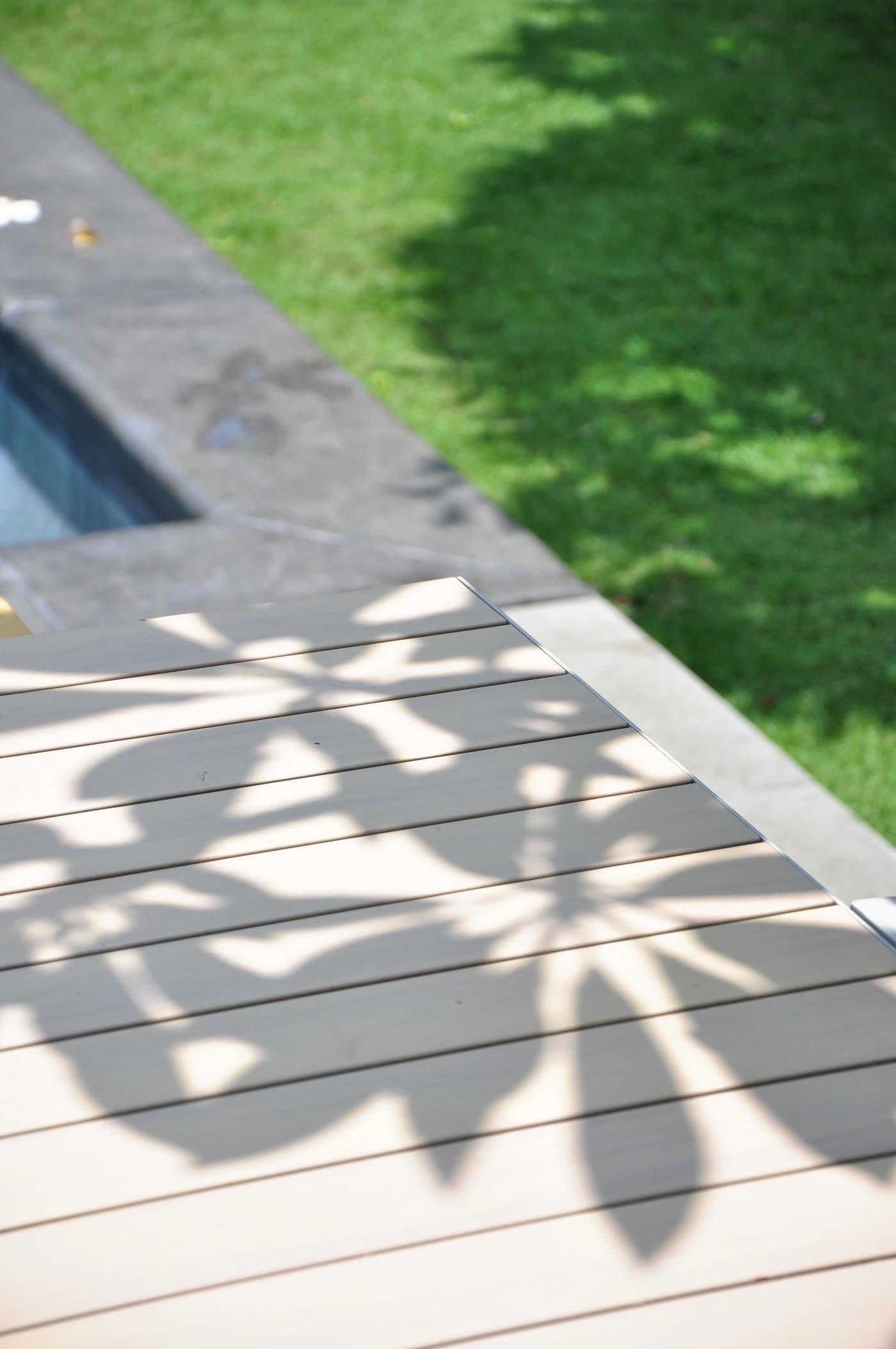
If you’re building once and never want to think about it again, composite boards are worth the upfront cost. No staining, no splinters, no rotting — and they stay cooler underfoot than dark-stained wood, which matters around a pool.
Best for: Hot climates and low-maintenance priorities.
7. The Sunken Lounge Corner

Build one section of the deck a step lower with an L-shaped built-in sofa around a fire pit or coffee table. The slight level change makes the space feel designed rather than slapped together, and the lounge corner works even in pool-off-season.
Best for: Making the pool area a year-round outdoor living room.
8. Deck + Pergola Combo
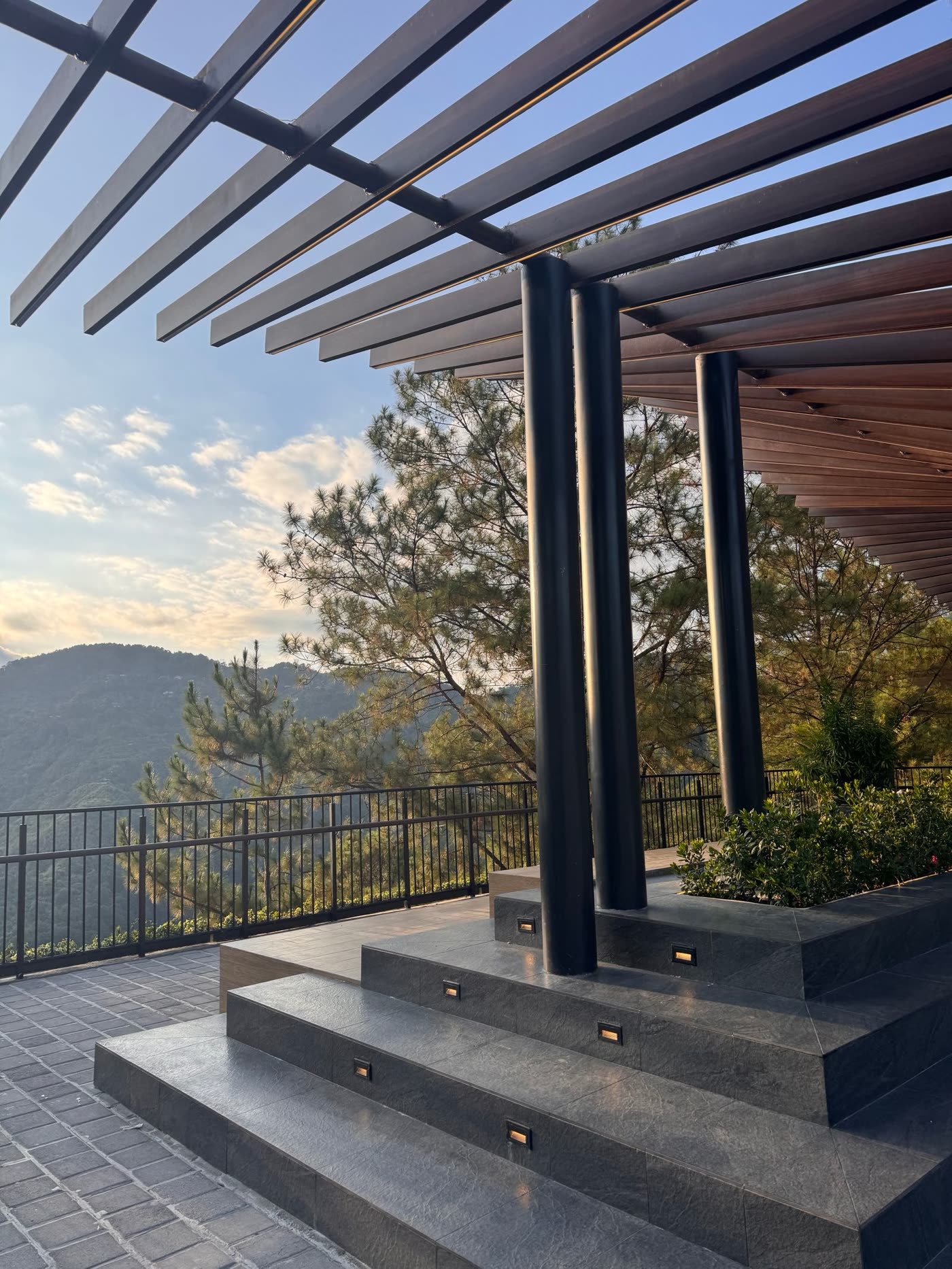
A simple pergola over part of the deck gives swimmers a shaded exit zone and creates the resort feeling instantly. Use a shade sail instead of a full pergola roof if the budget’s tight — same effect, a tenth of the work.
Best for: Sunny yards with zero natural shade.
9. The Narrow Side Deck

When the yard is truly tiny, a 4-foot-wide deck running along one side of the pool is enough for entry, a couple of lounge chairs, and a drink ledge. Think boardwalk, not patio — narrow can still feel intentional with the right railing and lighting.
Best for: Yards under 2,000 square feet.
10. Multi-Level Deck
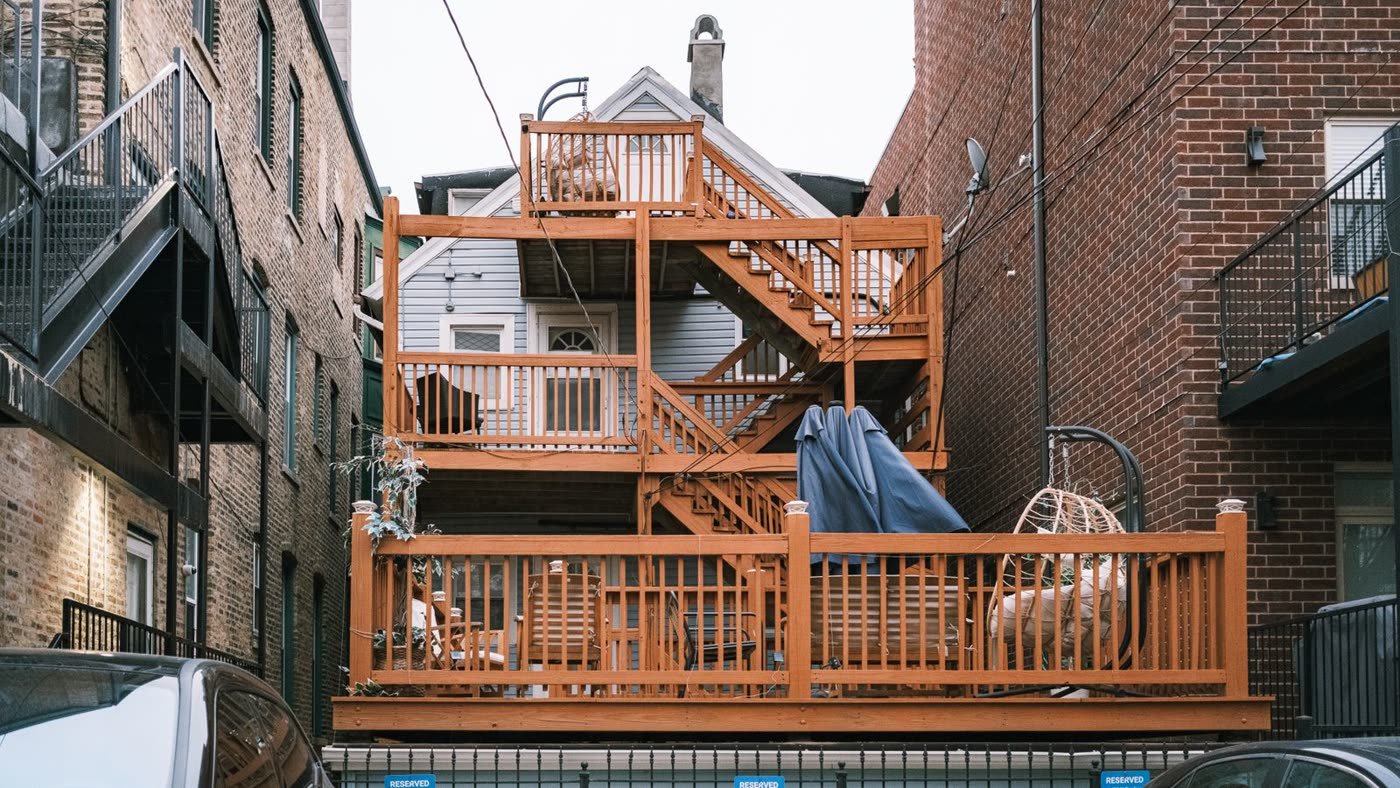
Two or three shallow levels — pool level, a mid landing, and a ground-level lounge — make a small space feel much bigger. Each level gets a job: swimming, dining, lounging. Use the level changes for built-in LED strip lighting.
Best for: Sloped yards where you’re terracing anyway.
11. The Tropical Surround

Pair a simple rectangular deck with dense tropical planting (banana plants, elephant ears, ornamental grasses in big pots) around the outside. The greenery hides the pool’s metal wall completely and the whole thing reads “resort” instead of “backyard.”
Best for: Hiding an older pool’s less-pretty exterior.
12. Rooftop-Style Rail Deck
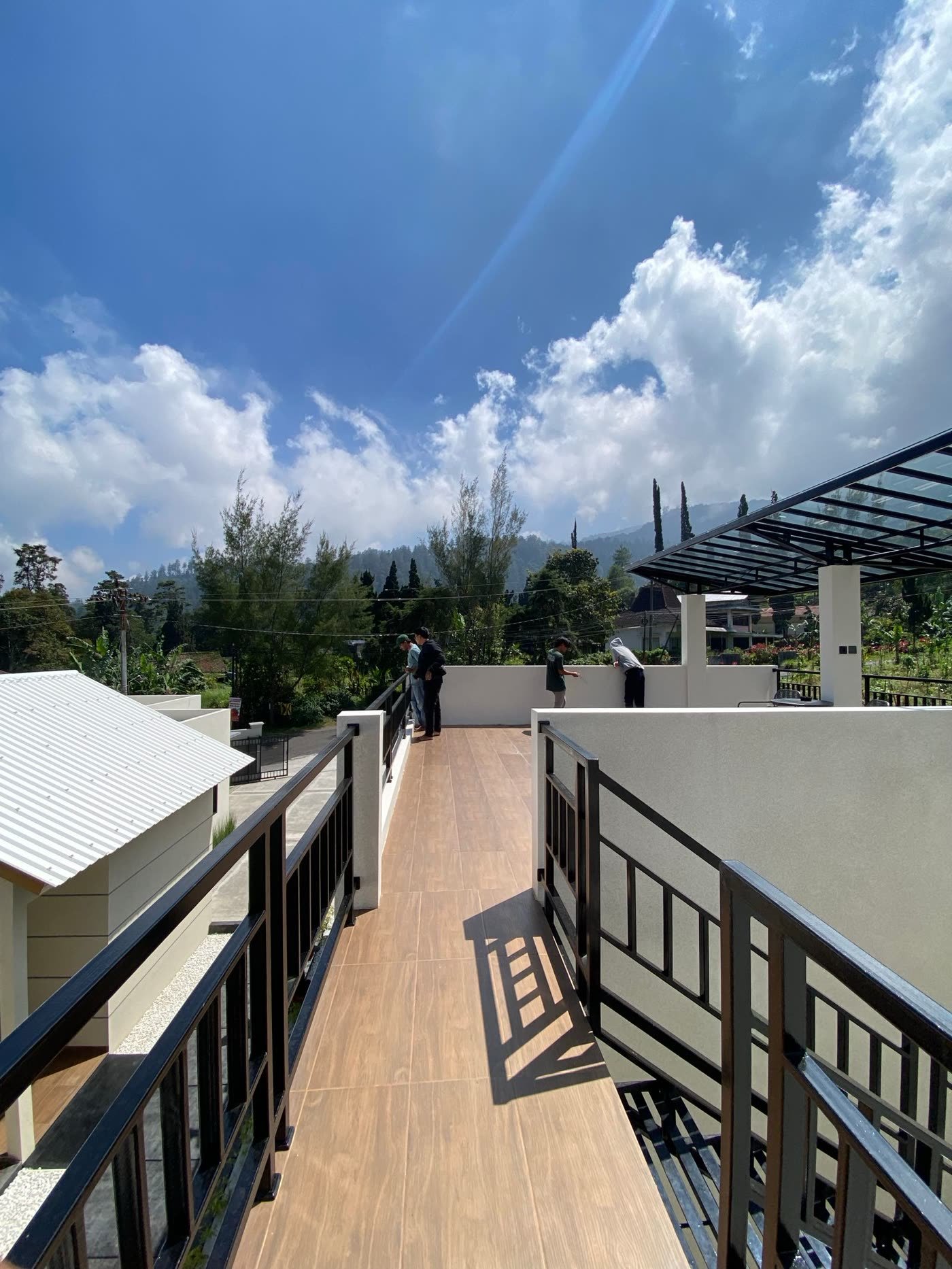
Use horizontal cable or metal railings instead of chunky wooden balusters. The modern look visually disappears, making the yard feel bigger, and it photographs beautifully if you ever sell the house.
Best for: Modern homes and anyone chasing that clean, airy look.
13. The Swim-Up Bar Ledge
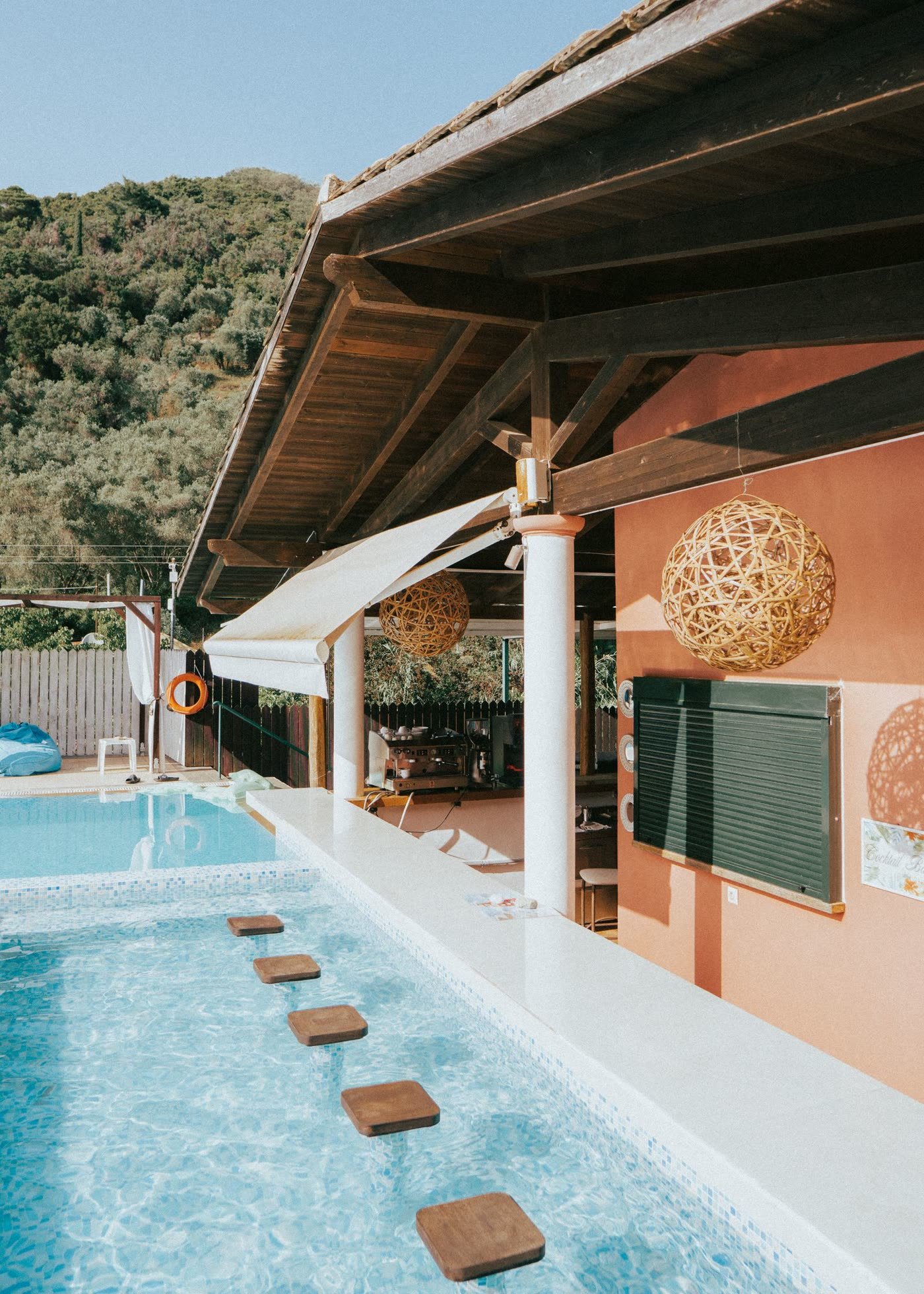
Extend one section of deck slightly into the pool’s edge zone as a wide ledge at water level — swimmers can rest drinks there, and it functions as the pool’s “bar.” Add two bar stools on the deck side and you’ve got the cheapest swim-up bar in the neighborhood.
Best for: Adults who use the pool as a social space more than a lap lane.
14. Seasonal Shade Deck
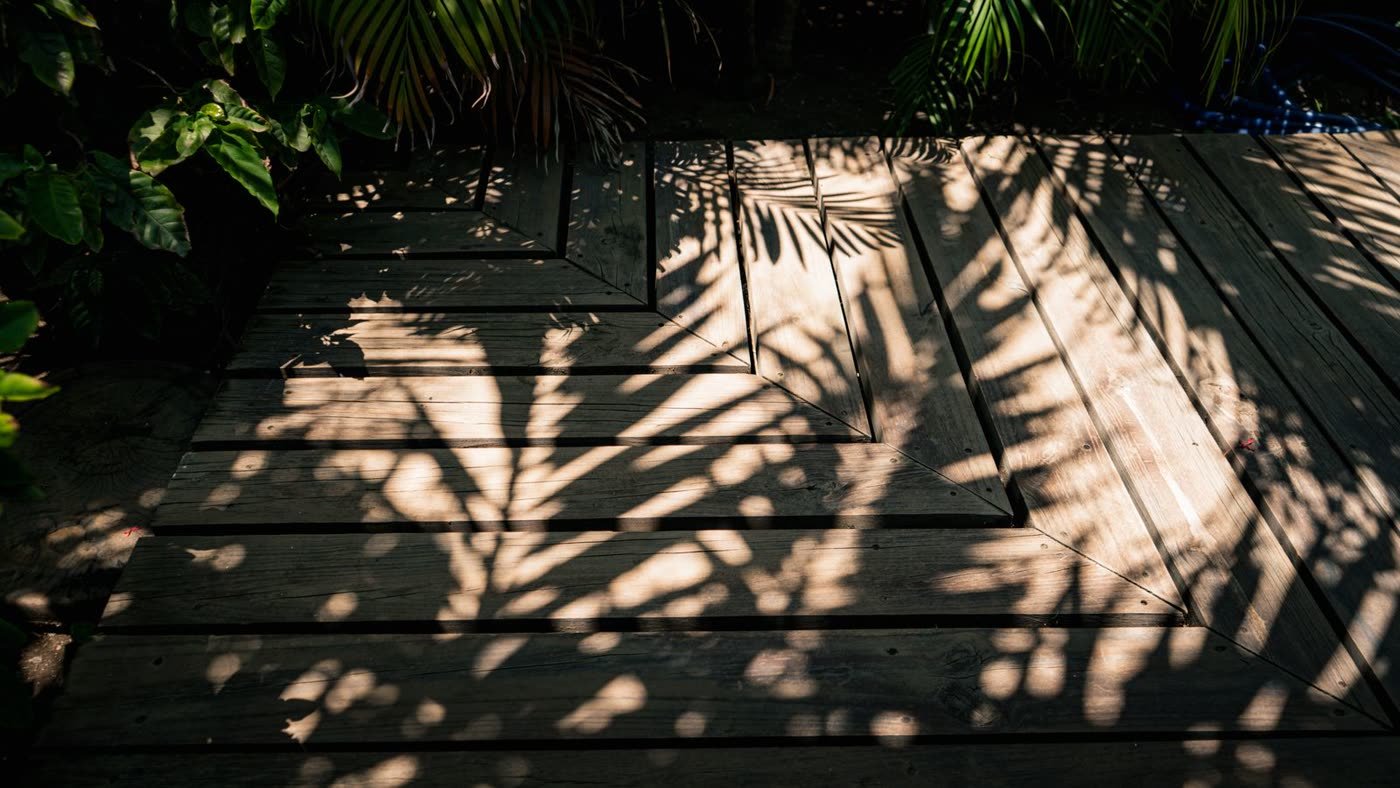
Build the deck with post sleeves so you can drop in a shade sail in summer and remove it in winter. In cold months the open deck becomes a fire-pit zone; in summer it’s the pool’s shady companion. One structure, two seasons.
Best for: Four-season climates where the pool sits idle half the year.
Above Ground Pool Deck Cost Breakdown
Before you commit, here’s what each approach really costs in materials (2026 US prices, DIY labor):
- Floating platform deck: $400–$900 — deck blocks, pressure-treated lumber, screws. The cheapest real deck you can build.
- Half-wrap deck: $800–$2,000 — more lumber, simple railing on the outer edge.
- Full wraparound (DIY): $2,000–$5,000 — the big variable is railing, which eats 30–40% of the budget.
- Full wraparound (contractor): $5,000–$12,000 — worth it if you want it done in a week instead of a summer.
- Composite upgrade: add 60–100% to any wood-deck material cost, but subtract every future staining weekend.
Money-saving moves: build in fall when lumber yards discount stock; use 4-foot widths (standard board lengths = less waste); skip the railing where the deck is under 30 inches high — most codes don’t require it, and it saves hundreds.
For broader pool styling beyond the deck, see our backyard pool ideas guide, and if the ground around your pool needs surfacing too, our paver patio ideas pair well with any deck build. The CDC’s guidance on pool safety barriers is worth reading before you build — most areas require specific fencing around pools.
Frequently Asked Questions
How much does an above ground pool deck cost?
A basic DIY platform deck runs $500–$1,500 in materials. A full wraparound built by a contractor typically costs $3,000–$8,000 depending on size, materials, and your local labor rates.
Do I need a permit for an above ground pool deck?
Often yes — most municipalities require permits for decks over 30 inches high or attached to the pool. Ground-level floating decks usually don’t need one, but always check your local building department first.
Should the deck be level with the pool rim?
Ideally the deck surface sits 1–2 inches below the pool’s top rail. This lets swimmers sit on the edge comfortably while keeping the pool wall accessible for liner changes and maintenance.
Wood or composite for a pool deck?
Wood is cheaper upfront ($3–$7/sq ft materials) but needs yearly sealing. Composite ($8–$15/sq ft) costs more but is splinter-free, cooler underfoot, and essentially maintenance-free — worth it if the budget allows.