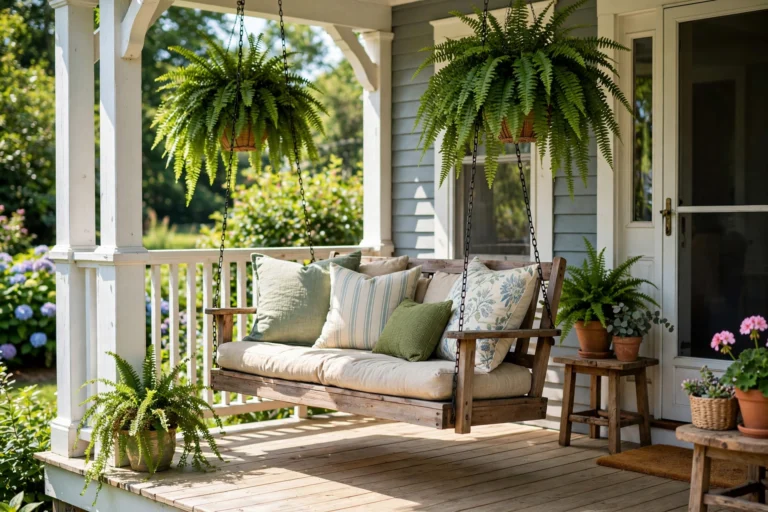
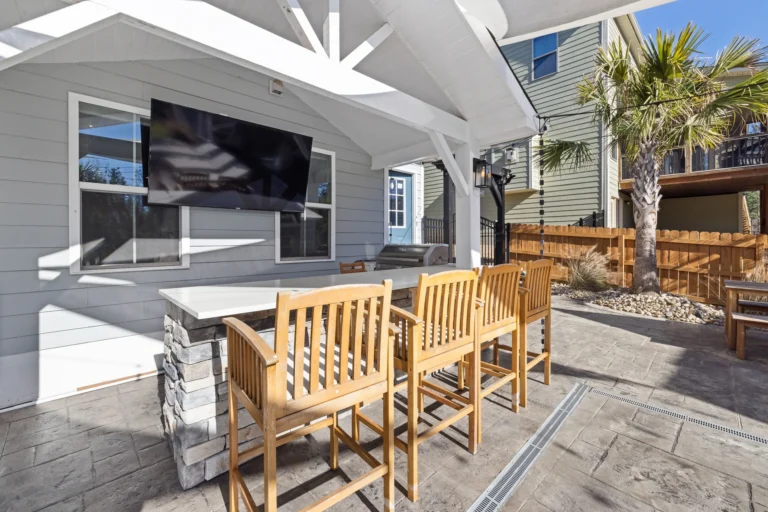
A retractable patio canopy gives you shade when you want it and sun when you don’t, extending from a wall-mounted cassette or gliding along a pergola track. Choose a manual lateral-arm awning for smaller budgets, a motorized full-cassette model for convenience, and always mount into solid framing – expect $800 to $4,500 for most residential setups. These retractable patio canopy ideas span that entire range, from DIY kits to pro-installed systems.
It is 2 p.m. in July, and your patio furniture is too hot to sit on. The cushions are fading, the dog has retreated indoors, and dinner outside is out of the question. Now picture the same patio at 7 p.m.: you pull a cord, press a remote, or slide a panel, and a canopy unfurls overhead. The temperature drops ten degrees, the glare vanishes, and your patio becomes the best room of the house again. That is the entire case for a retractable canopy — it adapts to the weather instead of fighting it, which fixed roofs and permanent pergolas simply cannot do.
Below are 10 retractable patio canopy ideas, from budget DIY tracks to motorized full-cassette awnings, plus a cost comparison table so you can match the idea to your budget. Every option here works on a real residential patio — no commercial equipment required.




1. Wall-Mounted Lateral-Arm Retractable Patio Canopy
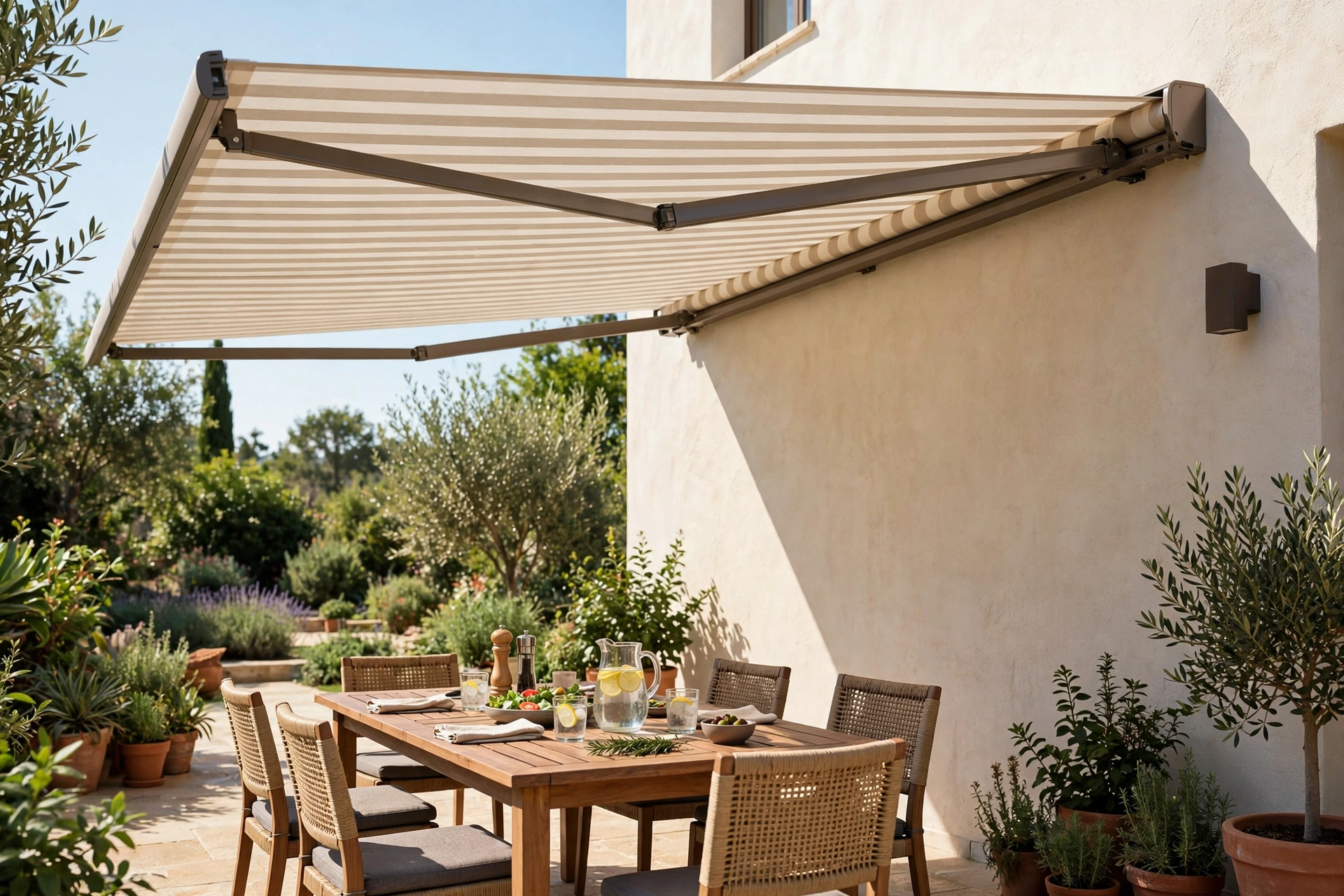
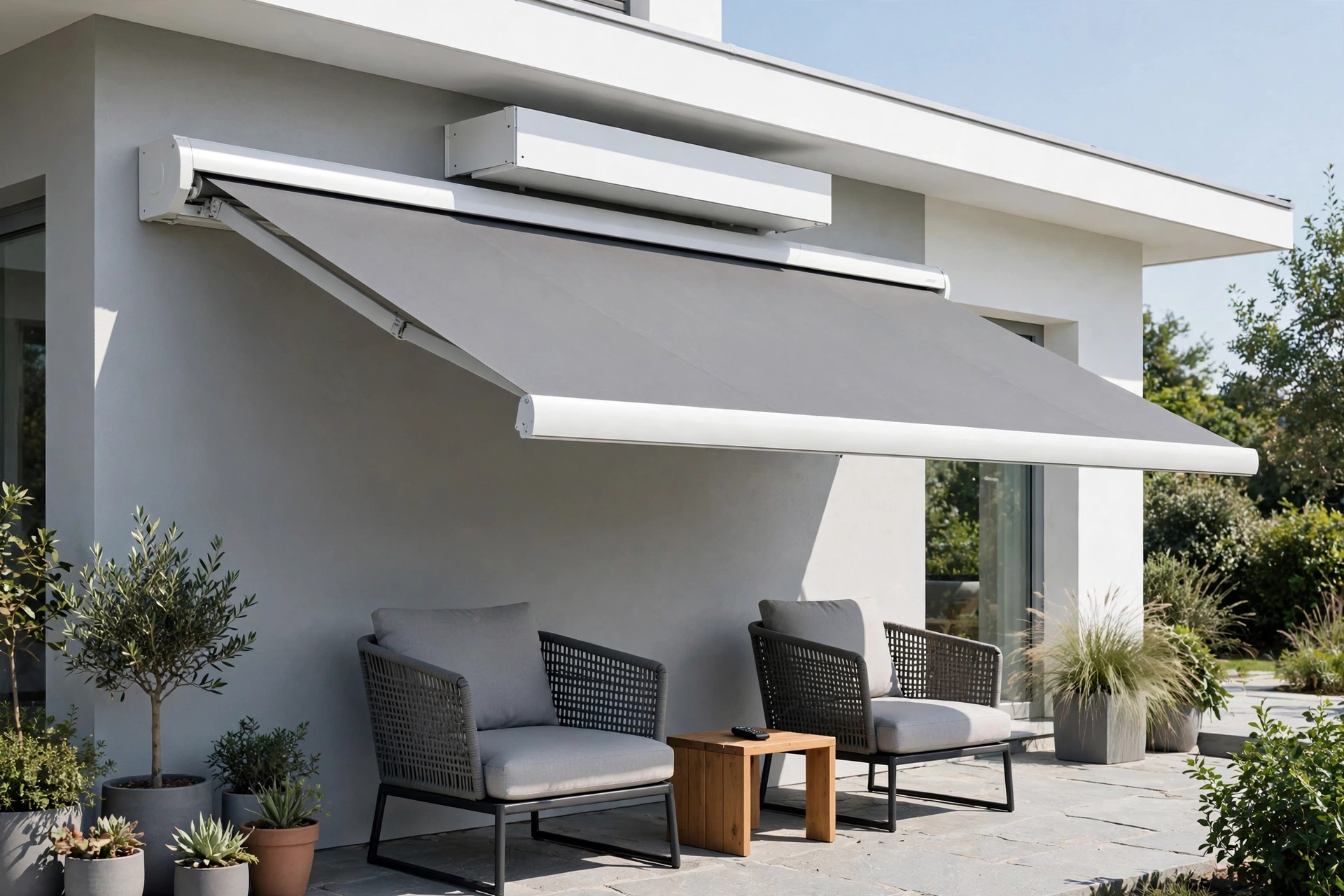
The classic retractable patio canopy is the wall-mounted lateral-arm awning: a fabric canopy that folds out from a housing cassette on your house wall, pushed by spring-loaded arms, with no posts to dodge on the patio floor. When you want sun, it retracts into its cassette and nearly disappears.
Sizes typically run 8 to 16 feet wide with 7 to 10 feet of projection, covering most dining sets and lounge areas. Of all the retractable patio canopy ideas in this guide, this wall-mounted style is the most popular for attached patios. Manual crank versions are the budget-friendly entry point, while motorized models open at the touch of a remote. Mounting matters enormously — the cassette must anchor into wall studs, masonry, or solid blocking, never just siding, because an extended awning catches wind like a sail. A semi-cassette (hooded top only) costs less than a full cassette that seals the fabric completely when closed.
2. Pergola-Mounted Slide-Cable Canopy
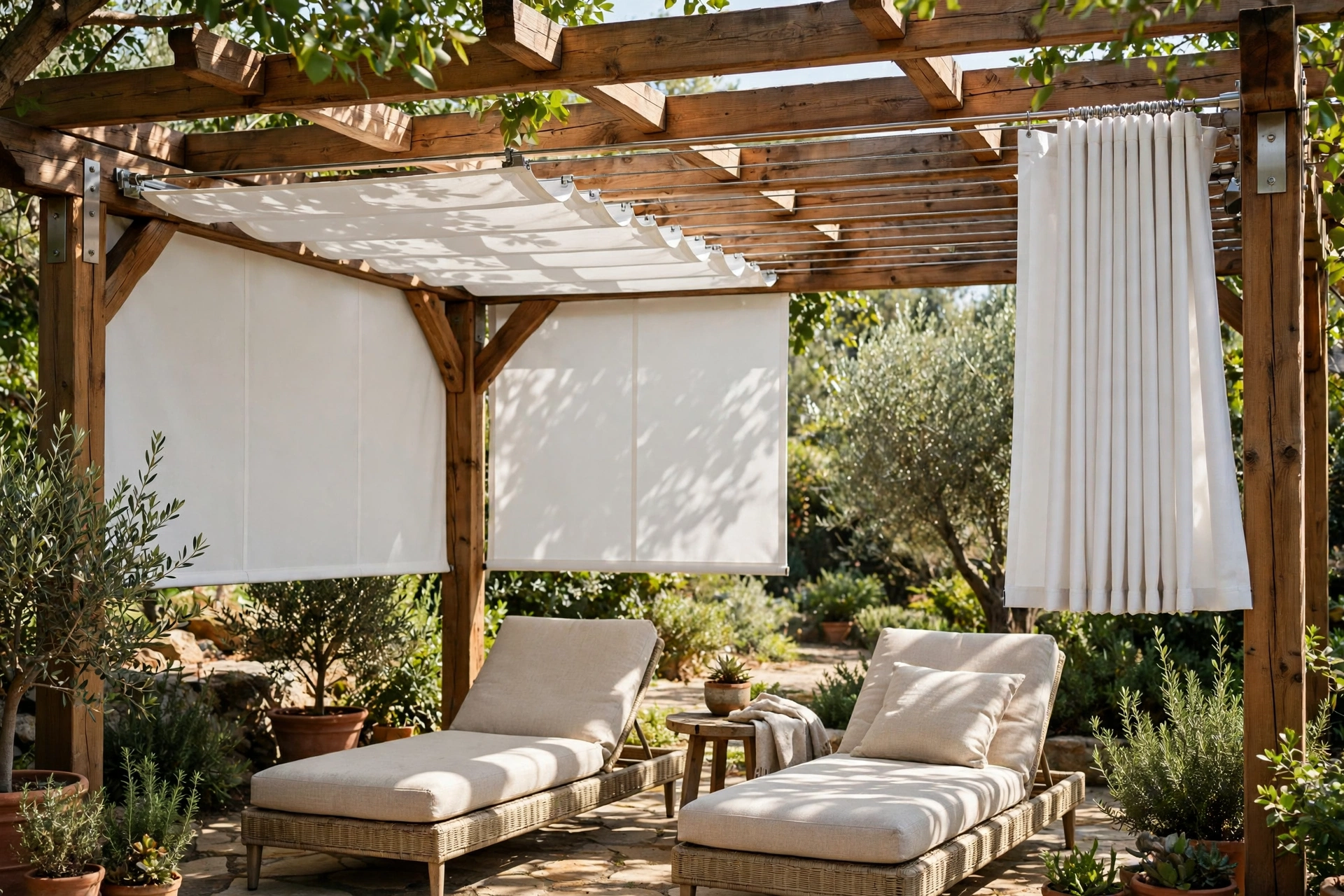
If you already have a pergola, you do not need an awning at all — you need fabric and a glide system. Stainless steel cables strung between the pergola beams, fitted with curtain rings or glider hooks, let canopy panels slide open and closed like oversized curtains. This is one of the most affordable retractable patio canopy ideas because the pergola provides all the structure; you are only buying fabric, cable, and hardware, often for $150 to $500 total. Use outdoor-rated fabric like solution-dyed acrylic or PVC-coated polyester so it sheds rain and resists mildew. Leave a slight slope across the panels so water runs off instead of pooling. The look is relaxed and Mediterranean, and you can swap fabrics seasonally for a fresh color scheme without touching the hardware.
3. Freestanding Retractable Shade Sail
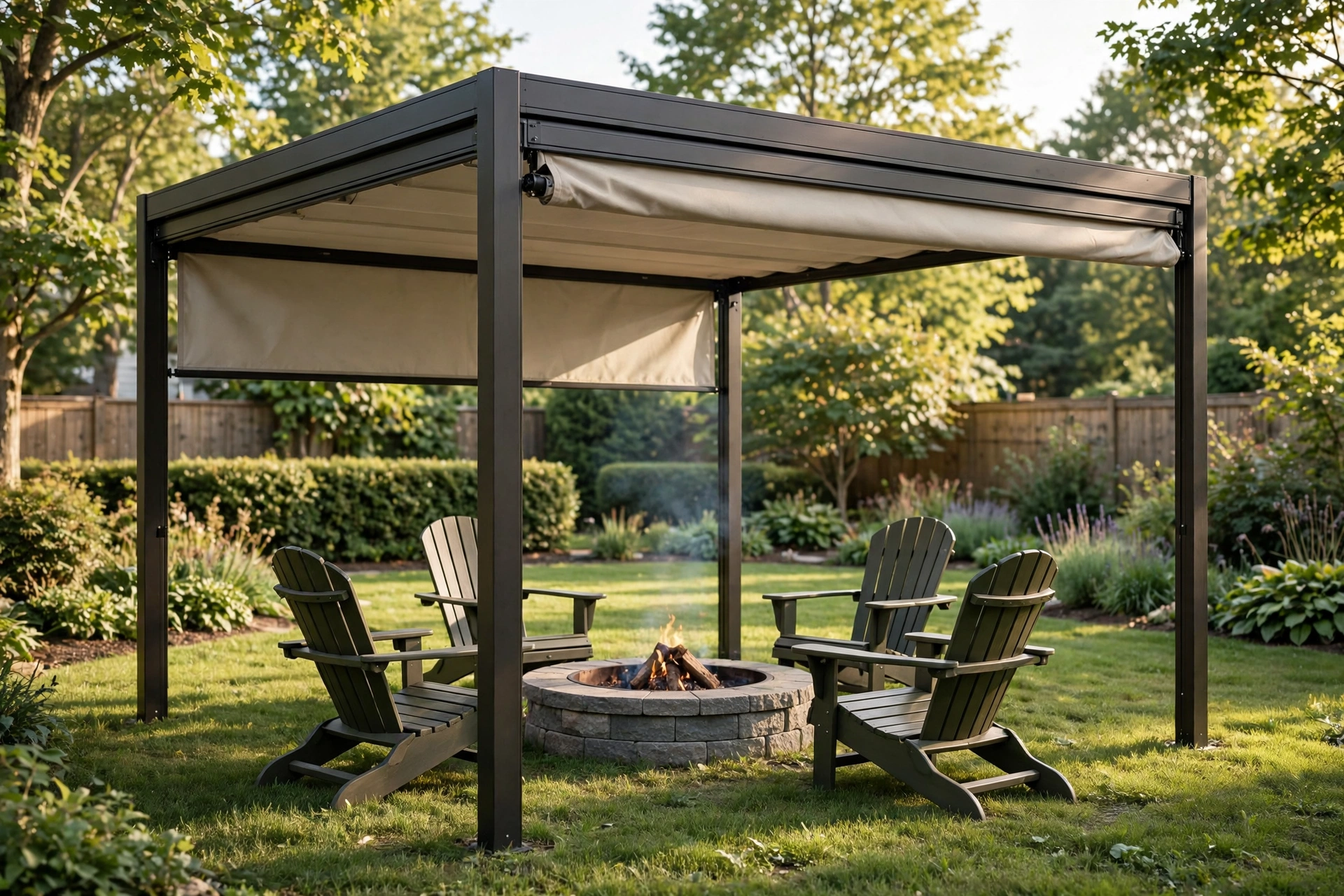
No suitable wall? No pergola? A freestanding retractable canopy on its own posts solves the problem. These systems use two to four powder-coated posts with a fabric panel that slides along a track or tensioned cable between them. They shine over spots far from the house — a fire pit area, a hot tub pad, or a dining zone in the middle of the yard — where a wall-mounted awning cannot reach. Because the structure stands alone, placement is completely flexible, and many models let you angle the fabric to track the sun through the day. The trade-off is footprint: the posts need concrete footings, so this is a more permanent commitment than it looks. Check local setback rules before you dig, and choose a model with a quick-release so you can drop the fabric before a major storm.
4. Motorized Full-Cassette Awning With Remote Control
Motorization turns a canopy from a chore into a habit. A motorized full-cassette awning extends and retracts with a handheld remote, a wall switch, or even a smart-home routine, and the full cassette seals the fabric completely when closed — protecting it from dust, bird droppings, and UV damage that shortens fabric life. That sealed housing is the real longevity upgrade: awning fabrics typically last 8 to 12 years, and a full cassette pushes you toward the top of that range. Expect to need an outdoor-rated power outlet near the mounting point; if your electrician has to run a new circuit, budget an extra $250 to $500 for the electrical work. For maximum convenience, add a wind sensor that retracts the awning automatically when gusts pick up — it pays for itself the first time a storm hits while you are away from home.
5. DIY Curtain-Track Canopy for Under $150
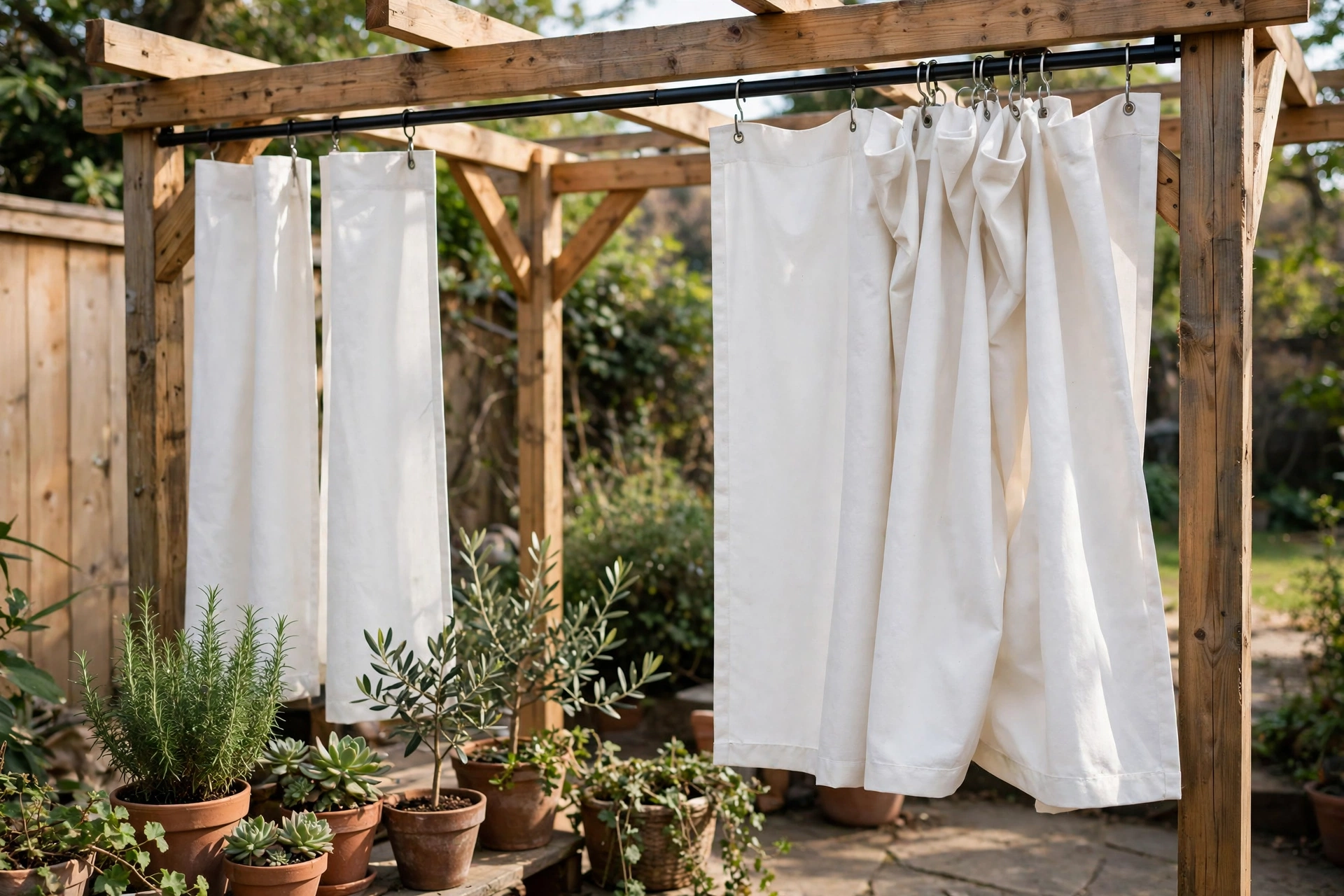
Here is the honest budget option: a DIY retractable canopy built from an outdoor curtain track, stainless glider hooks, and drop-cloth-weight outdoor fabric. Mount the track to your pergola beams, a wooden frame, or even a sturdy fence top rail, hang fabric panels, and you can slide shade open or closed in seconds. Total materials typically run $80 to $150 from a home-improvement store, making this the cheapest genuinely retractable option. It will not survive a storm the way a tensioned awning does, and the fabric will fade faster than premium acrylic — plan on replacing panels every couple of seasons. But for renters or anyone testing whether they actually use patio shade before investing, this project delivers the core experience for the price of a nice dinner out.
6. Retractable Canopy Over the Outdoor Dining Zone
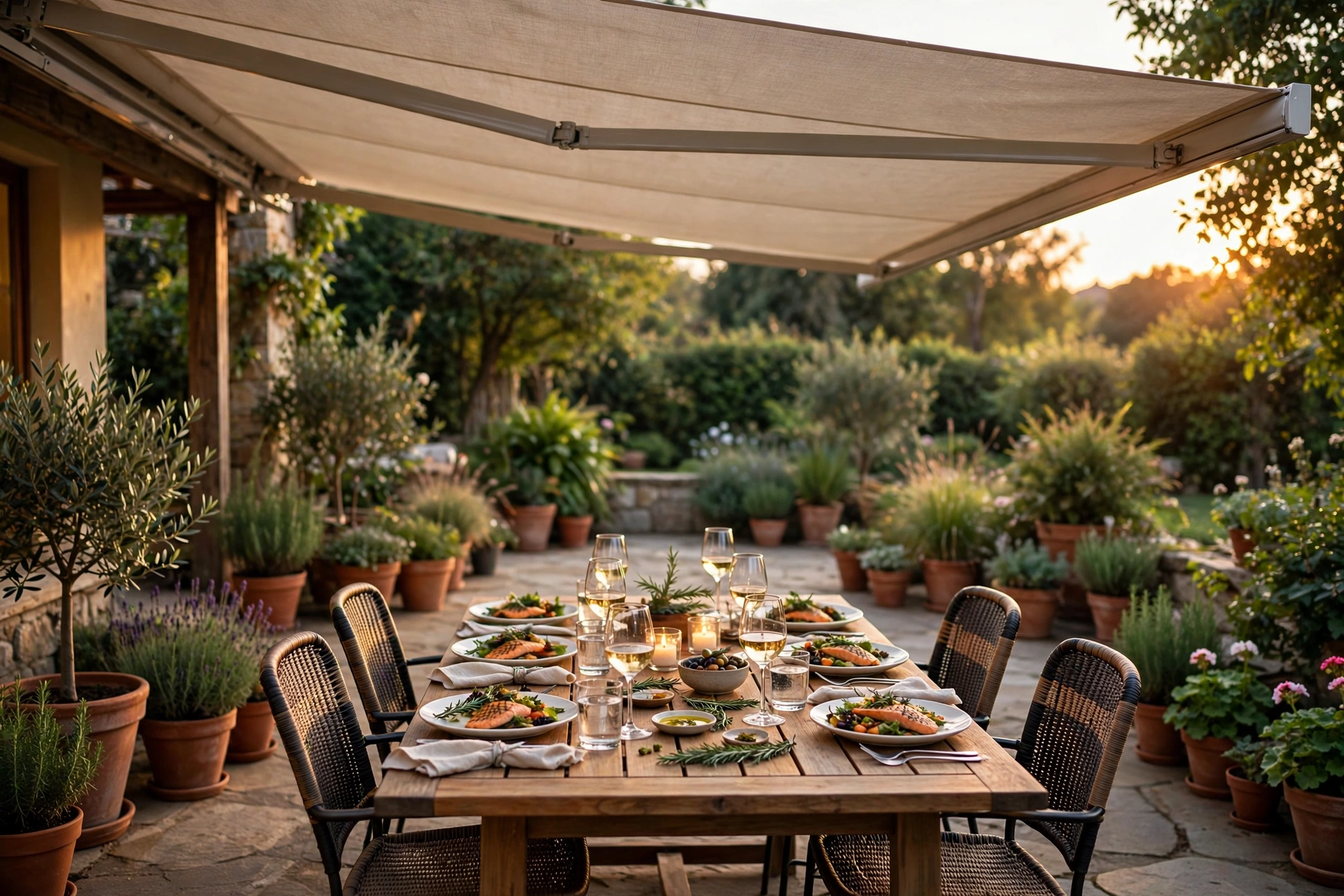
Dining sets are where retractable shade earns its keep fastest. Position a canopy to cover the table plus about two feet of clearance on each side, so diners stay shaded even when the sun angles in late afternoon. A 10-by-12-foot coverage zone handles a six-person table comfortably. Retractable beats fixed here because lunch wants full sun while dinner wants shade — one system serves both. If you grill nearby, keep the canopy fabric at least 6 feet above the grill and never extend it over an open flame; heat and grease will destroy fabric and create a fire risk. For evening meals, choose a light-colored fabric that reflects string-light glow downward — it makes the dining zone feel warm and intimate after sunset without extra fixtures.
7. Triangle Sail Canopy on a Center Track
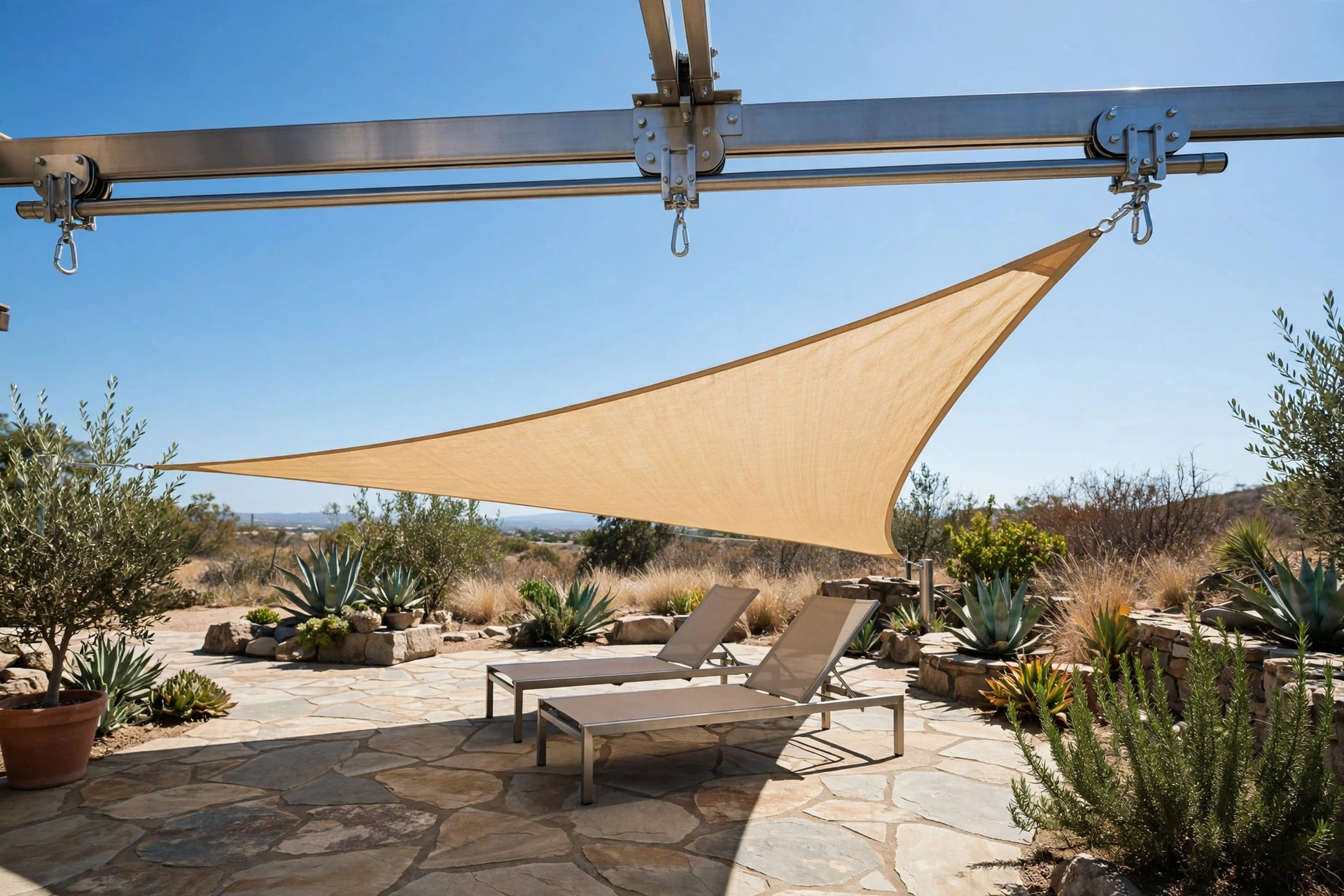
Shade sails look sculptural, but fixed sails leave you stuck with one shade pattern all day. Mounting a triangular sail on a center track or a sliding carabiner line makes it retractable: pull one corner along the track to open the sail, release it to close. This hybrid gives you the modern, architectural look of a sail with the adjustability of an awning. Triangle sails work beautifully over irregular patio shapes where a rectangular awning would look forced. Use marine-grade hardware — stainless steel rings, turnbuckles, and tensioners — because the fabric loads are real, and cheap zinc hardware corrodes within a season. Keep the sail’s low corner at least 7 feet off the patio floor so tall guests do not duck, and slope it 15 to 20 degrees so rain sheets off.
8. Overlapping Dual Panels for Adjustable Coverage
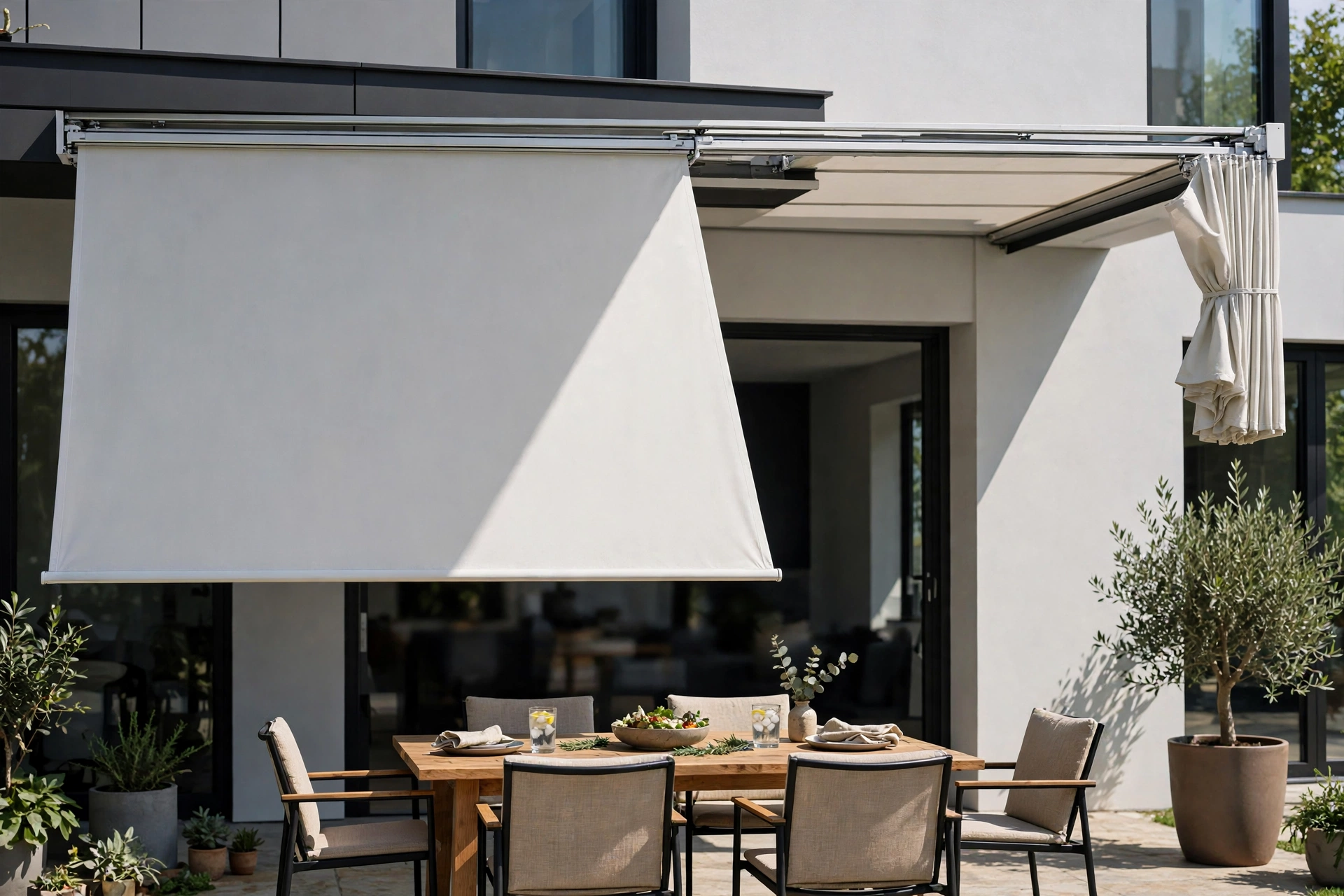
Why choose between sun and shade when you can have both at once? Dual-panel retractable canopies use two fabric sections on parallel tracks that slide independently, so you can cover half the patio while leaving the other half open. This is perfect for households that disagree about sun exposure — the sunbather and the shade-seeker each get their zone. It also lets you chase the shade through the day: open the east panel in the morning, the west panel in the afternoon. Overlapping panels add a layered, designer look that reads more custom than a single flat canopy. The catch is complexity — two tracks, twice the gliders, and more fabric to clean — so this idea suits DIYers comfortable with a weekend project or buyers opting for a professionally installed system.
9. Wind-Sensor Retractable Canopy for Peace of Mind
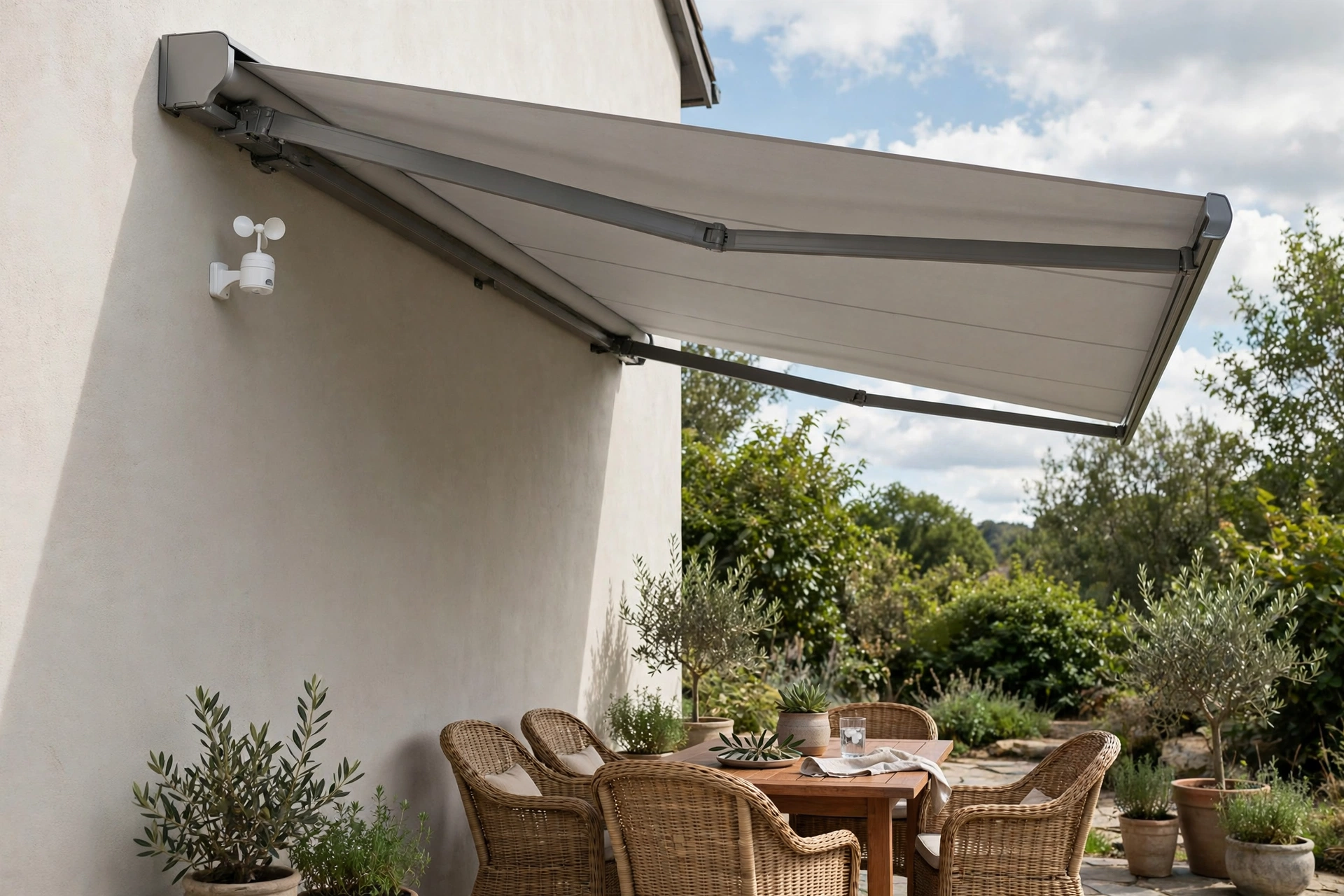
The number one killer of retractable awnings is wind, and the number one cause of wind damage is nobody being home to retract it. A wind sensor — a small anemometer mounted on the awning arm or nearby wall — monitors gusts and automatically retracts the canopy when wind exceeds a set threshold, typically around 20 to 25 mph. It is a modest add-on, usually $150 to $300 including installation, and it is the single best insurance policy for any motorized awning. Pair it with a sun sensor for the full automation package: the canopy extends when the sun hits and retracts when clouds or wind arrive. Even with sensors, retract the canopy before forecasted severe storms — sensors handle surprise gusts, not hurricanes. Think of it as a seatbelt, not a storm shelter.
10. Retractable Canopy With Integrated LED String Lights
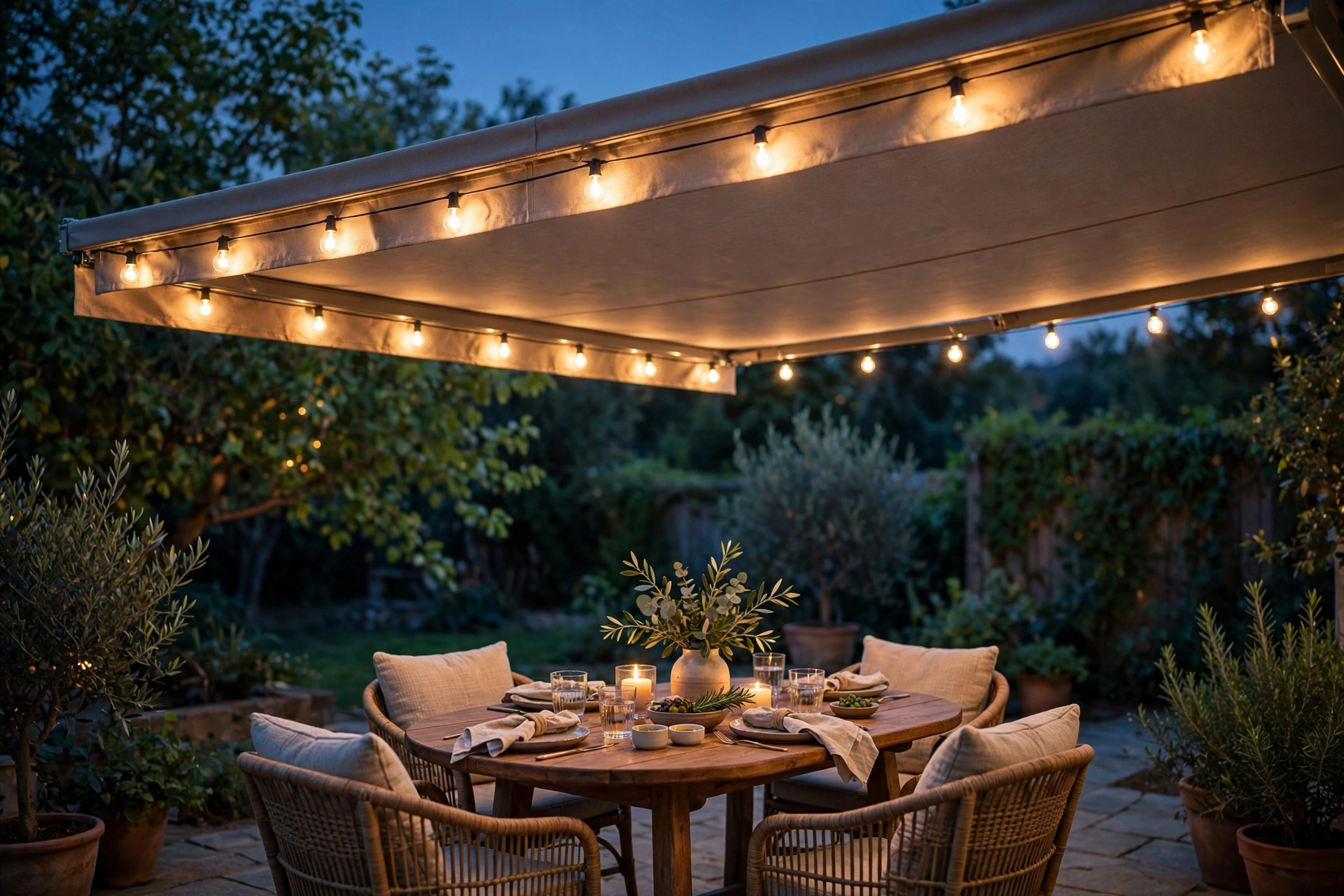
A canopy that shades by day and glows by night doubles your patio’s usable hours. Many retractable awnings now offer integrated LED strips in the arms or the front bar, and even basic models can carry lightweight string lights clipped to the fabric’s edge or the support arms. The trick is keeping the lights attached when the canopy retracts: use small carabiner clips or a flexible LED strip mounted on the roller tube side so nothing snags or bunches. Warm-white LEDs (around 2700K) flatter skin tones and food far better than cool blue-white. Solar-powered string lights are the simplest option since they need no wiring, though plug-in LEDs run brighter and more reliably. However you wire it, a lit canopy turns the patio into an evening destination instead of a place that goes dark at sunset.
Retractable Patio Canopy Cost Comparison
Costs vary widely by type and whether you DIY or hire out. The table below uses typical 2026 pricing from major home-improvement retailers and national cost guides — treat these as planning estimates, since size, fabric, and local labor rates move the numbers.
| Canopy type | Typical coverage | DIY materials | Pro installed |
|---|---|---|---|
| Curtain-track DIY canopy | 10 × 10 ft | $80–$150 | N/A |
| Pergola cable-glide fabric | Existing pergola | $150–$500 | $800–$1,500 |
| Manual lateral-arm awning | 12 × 10 ft | $300–$900 (kit) | $1,250–$2,400 |
| Motorized full-cassette awning | 16 × 10 ft | Not recommended | $2,300–$4,700 |
| Freestanding retractable system | 10 × 10 ft | $400–$1,000 (kit) | $1,500–$4,000 |
Prices reviewed: October 2026. Estimates based on typical 2026 pricing from major home-improvement retailers and national cost guides; get local quotes for installed work.
Frequently Asked Questions
How much does a retractable patio canopy cost?
DIY options run $80 to $900 in materials, professionally installed manual awnings typically cost $1,250 to $2,400, and motorized full-cassette systems run $2,300 to $4,700 installed. Add $250 to $500 for electrical work if a motorized unit needs a new outdoor circuit, plus $150 to $300 for a wind sensor.
Can a retractable canopy stay out in the rain?
Light rain is fine if the fabric is water-resistant and sloped so water runs off — most quality acrylic and PVC-coated fabrics handle this well. Retract the canopy in heavy rain, high wind, or snow, since pooled water and gusts are what damage frames and tear fabric. Wind sensors automate this for motorized models.
Do I need a permit for a retractable patio awning?
It depends on your municipality. Many areas do not require permits for standard residential awnings, but some do for large or motorized units, with fees typically $50 to $300. Check with your local building department before installation, especially for second-story mounts or freestanding structures with concrete footings.
How long does a retractable canopy fabric last?
Quality solution-dyed acrylic fabrics typically last 8 to 12 years, while basic polyester lasts 3 to 5 years. A full cassette that seals the fabric when retracted, regular cleaning, and retracting during storms all push you toward the longer end of that range.
Can I install a retractable awning myself?
Manual lateral-arm awnings and pergola glide systems are realistic DIY projects if you can anchor into solid framing or masonry and have a helper — the units are heavy and awkward. Motorized full-cassette awnings are best left to professionals, since they combine heavy mounting, precise tensioning, and electrical wiring.
Key Takeaways
- A retractable patio canopy gives you adjustable shade — sun when you want it, cover when you don’t.
- DIY curtain-track and pergola-glide options start under $500; installed motorized awnings run $2,300–$4,700.
- Always mount into studs, masonry, or solid blocking — never just siding.
- A wind sensor ($150–$300) is the best protection for any motorized canopy.
- Retract before severe storms regardless of sensors; think seatbelt, not storm shelter.
Shade that moves with your day changes how much you actually use your patio. Start with the option that fits your budget and your structure, and you will wonder how you ever lived with a fixed roof. — Sophia Bennett