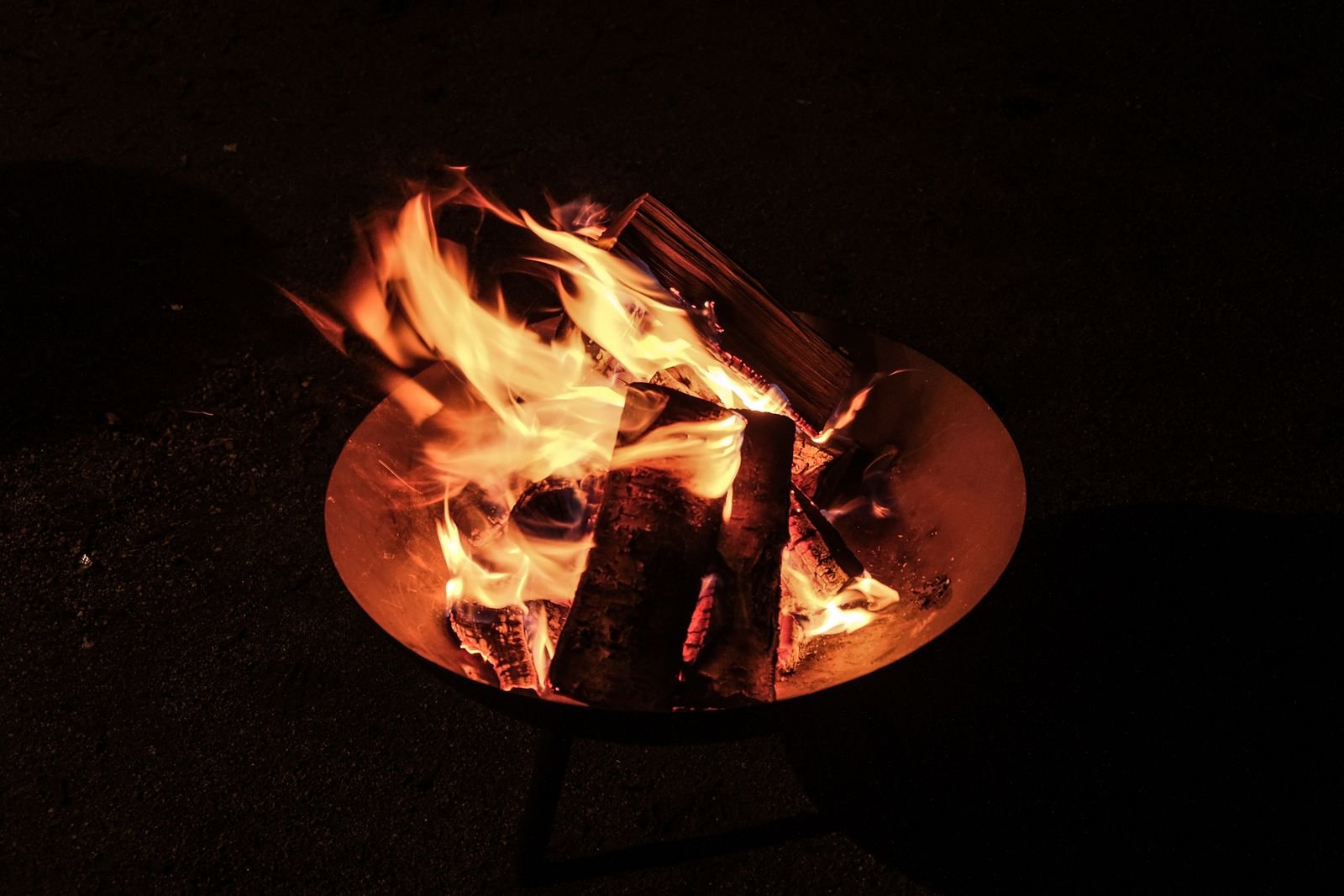

A fire pit is the fastest way to turn a backyard into everyone's favorite hangout, right up until it is placed too close to the house. Most fire pit accidents are not freak events; they are distance mistakes that were easy to prevent on installation day.
Here are 10 clearance rules and code checks to run through before you light your first fire, covering house setbacks, fences, trees, HOAs, and the wind rules nobody reads.
1. The 10-Foot Rule for Structures

The most widely cited baseline in the United States is 10 feet of clearance between an open-flame fire pit and any structure, including your house, garage, shed, and wooden deck. That number comes from manufacturer safety labels and fire department guidance that most local codes are built around. Treat 10 feet as the floor, not the target: more distance is always safer, and many fire departments recommend 15 to 20 feet for wood-burning pits because of flying embers. Measure from the pit's edge to the nearest wall, not from the center.
Best for: Anyone placing a new fire pit for the first time.
2. House Clearance: Farther Than You Think

Ten feet from the house is the minimum, but think about what lives at your house walls: siding, mulch beds, dryer vents, gas meters, and wooden fences attached to the structure. Vinyl siding can warp from radiant heat well before flames ever reach it, so pushing a wood-burning pit to 15 or 20 feet from the house is cheap insurance. Also check above: never place a fire pit under a covered patio roof, fabric canopy, low limbs, or deck overhang. Overhead clearance matters as much as horizontal.
Best for: Small backyards where every foot of placement counts.
3. Fences and Property Line Setbacks

Wooden fences burn, and they burn fast, so keep the same 10-foot minimum between the pit and any combustible fence. Check setback rules anyway: many municipalities require open burning 10 to 25 feet from property lines. Your neighbor's yard counts too: embers do not respect fence lines, and a fire that damages a neighbor's shed is your liability. When in doubt, call your local fire marshal's non-emergency line and ask; they answer this question daily.
Best for: Fenced yards and homes close to neighbors.
4. Trees, Branches, and Landscaping

The rule most people forget is the vertical one. Keep the fire pit at least 10 feet horizontally from tree trunks and shrubs, and make sure no branches hang within 10 to 15 feet above the flames. Dry leaves, pine needles, and mulch beds are excellent kindling, so clear combustible ground cover in a 10-foot radius around the pit and consider a ring of gravel or pavers as a fire-safe zone. Pine trees deserve extra respect because sap-soaked needles ignite eagerly. Trim back anything questionable in spring before fire season starts, not after your first scare.
Best for: Wooded lots and yards with mature landscaping.
5. Check City and County Codes First

National guidance is only the starting point, because fire pit rules are set locally and they vary wildly. Some cities allow recreational fires with no permit, others require one, and some ban open wood burning entirely while allowing gas pits. Burn bans during dry or windy seasons can override everything, and violating one can mean serious fines. Search your city or county plus “open burning regulations” for the official page; many local codes draw on model codes from the National Fire Protection Association. Check before you buy the pit, not after.
Best for: Anyone in a city, suburb, or drought-prone region.
6. Read Your HOA Rules Before You Dig

Even where the city says yes, your HOA can say no. Many homeowners associations restrict or ban open-flame fire pits in their CC&Rs, limit them to certain fuel types, or require specific distances greater than the city minimum. Some allow gas fire tables but not wood-burning pits, and a few ban all open flames on patios and balconies. Getting approval in writing before you install saves you from a forced removal after you have poured a paver pad. If you rent, your lease or landlord's rules count the same as an HOA here.
Best for: HOA neighborhoods, townhomes, and renters.
7. Wood vs. Gas: The Rules Are Different

Fuel type changes both the risk and the regulations. Wood-burning pits throw sparks and embers, produce the most heat, and face the strictest codes and most frequent bans. Natural gas and propane fire pits have no flying embers and controlled flames, so many jurisdictions allow them where wood fires are prohibited, though the structure clearances still apply. Gas units also need their own safety checks: leak-test connections yearly, keep propane tanks upright and away from the flame, and never store spare tanks near the pit. Read the manual's clearance diagram for your exact model, because manufacturers test their own units.
Best for: Choosing between a classic wood pit and a cleaner gas unit.
8. Portable Pits Follow the Same Rules

A portable fire pit you can drag around the yard feels casual, but the fire inside it is not. Every clearance rule applies to portable pits exactly as it does to built-in ones, and the portability actually adds a risk: it is tempting to pull the pit closer to the seating on a chilly night. Pick the pit's home spot using the full clearance rules, mark it with a paver pad or gravel ring, and make that its permanent address. Portable pits on wooden decks deserve a hard no for wood-burning models; even gas units need manufacturer-approved heat shields and deck clearances.
Best for: Owners of portable, movable fire pits.
9. Wind and Weather Rules Nobody Reads

Most manufacturer manuals say not to burn when winds exceed 10 to 15 miles per hour, and almost nobody follows it. Wind carries embers surprising distances, turns a calm fire unpredictable, and can push flames sideways into nearby furniture or landscaping. Skip fires during red flag warnings and burn bans, always use a spark screen, and keep a hose or full bucket of water within arm's reach. Weather is the one clearance you cannot measure with a tape, so check the forecast like it is part of the setup.
Best for: Windy regions and anyone who burns on breezy evenings.
10. Place Seating at a Safe Distance Too

The fire is not the only thing that needs clearance; your guests do too. Place the front edge of chairs at least 3 to 4 feet from the pit's edge, farther for wood-burning pits that pop and throw sparks. That buffer keeps knees comfortable, protects synthetic fabrics from radiant heat, and gives kids and pets a clear boundary. Keep a 6-foot kid-and-pet zone if toddlers or dogs share the yard, plus a fire extinguisher or connected hose nearby. A great fire pit layout feels cozy because of the seating circle, not despite the safety margins. For layout inspiration, see our fire pit seating area ideas and fire pit ideas for small backyards, and if you are considering a heater under a roof instead, read patio heater under covered patio safety first.
Best for: Designing the seating layout around the pit.
Frequently Asked Questions
How far should a fire pit be from the house? At least 10 feet from any structure is the standard minimum, measured from the pit's edge to the wall. Many fire departments recommend 15 to 20 feet for wood-burning pits because of embers and radiant heat, and you should always confirm your local code, which may require more.
Can I put a fire pit on my wooden deck? Not a wood-burning one; the ember and heat risk is too high. Some gas fire tables are rated for deck use with specific heat shields and clearances, but only if the manufacturer explicitly approves it. Check the manual and your local code before trying.
Does a propane fire pit need the same distance from the house? Yes, the structure clearances still apply even though there are no sparks. Radiant heat can still damage siding and melt nearby materials, and many local codes do not distinguish by fuel type for setback distances.
Do I need a permit for a backyard fire pit? It depends entirely on your city or county. Some places allow small recreational fires with no permit, others require one, and some ban open wood burning outright. Search your municipality's open burning regulations or call the fire marshal's non-emergency line before installing.