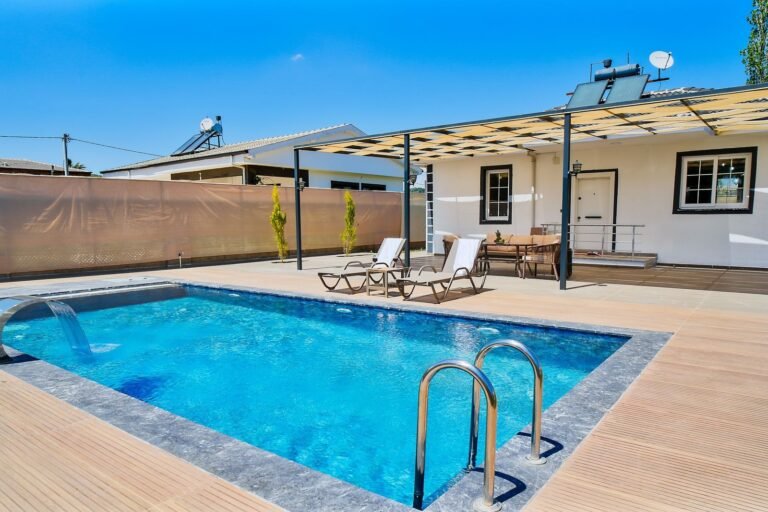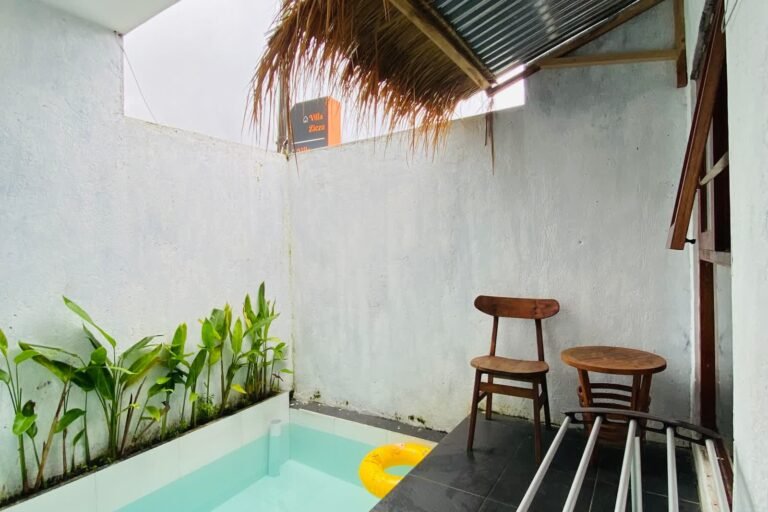


Most pool regrets are not about pumps or finishes — they are layout decisions poured in concrete before the first swim. The good news is that nearly every common backyard pool design mistake is cheap to prevent on paper and expensive only after digging starts, so this is the list to check before you sign a plan.
1. Making the Pool Too Big for the Yard
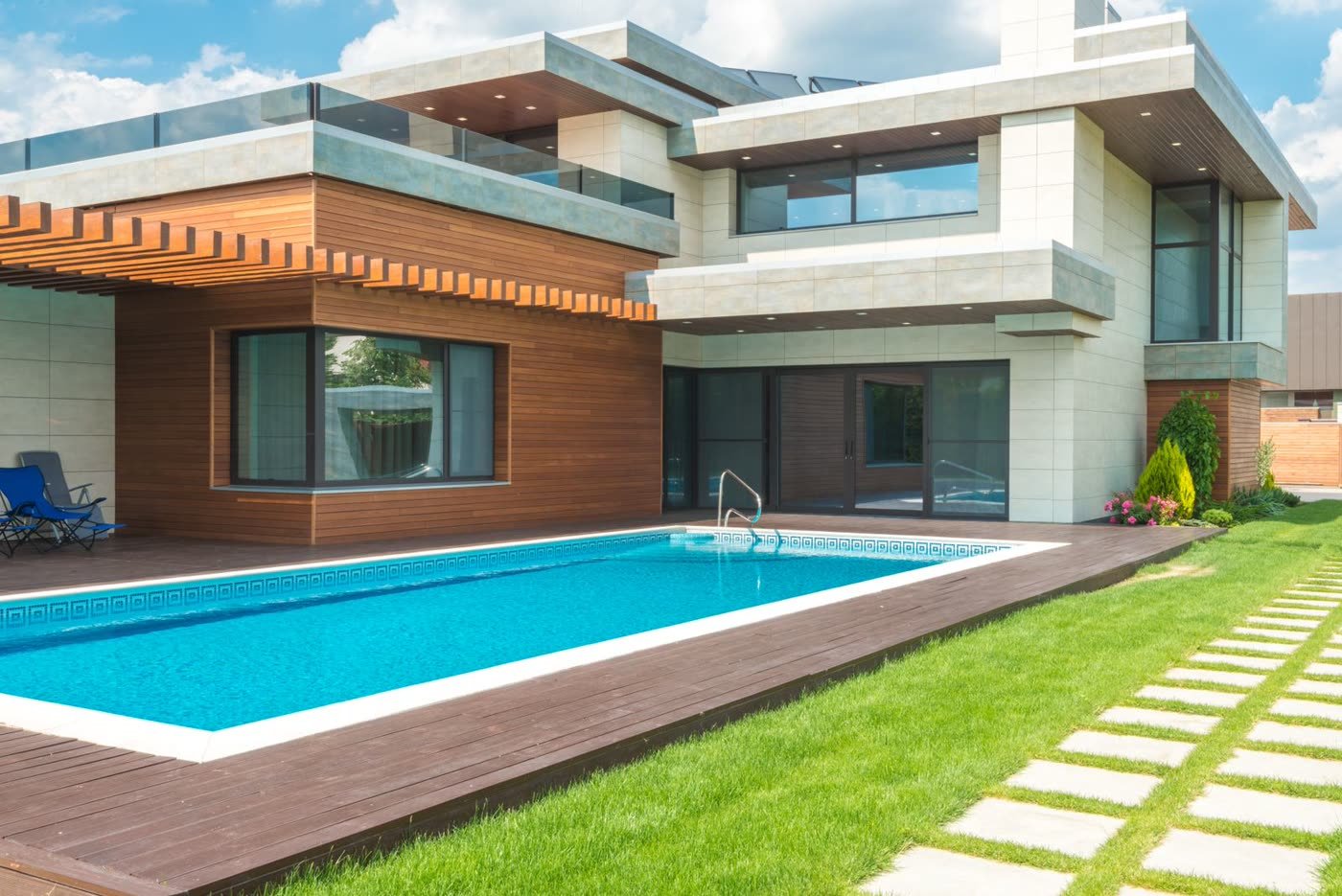
This is the most common of all backyard pool design mistakes: the water fits, but the living space around it does not. When the pool maxes out the lot, deck squeezes under 4 feet, chairs scrape the coping, and there is nowhere to walk, supervise, or set a towel down. The cost is daily, not dramatic — a yard that feels like a pool with a border instead of a place to spend time. The fix is a planning question: shrink the water by 2 feet in each direction and see what the deck gains. Planning ranges for resizing later run far higher than redrawing now, so verify locally and get local quotes before locking dimensions.
Best for: Small and mid-size lots | First-time pool buyers
2. Skipping the Shade Plan

Owners plan for the swim and forget the hours spent beside the water. With no shade plan, the deck bakes, afternoon use drops off, and supervisors end up squinting from a doorway instead of sitting comfortably at the edge. Retrofitting shade later costs more and lands worse: freestanding structures commonly run $2,000 to $10,000 or more in planning ranges, and their posts rarely end up where you would have put them. Verify locally and get local quotes. The cheap prevention is to mark the 3 p.m. shadow line on your plan and place at least the seating edge and shallow end inside it, using the house, a cover, or a well-placed tree.
Best for: South and west-facing yards | Families swimming mid-afternoon
3. Pitching the Deck Toward the Pool

Deck slope is invisible when it is right and miserable when it is wrong. If the deck, lawn, or nearby patio pitches toward the water, every storm washes soil, mulch, fertilizer, and yard drainage straight into the pool, clouding water and throwing off chemistry for days. Fixing grade after concrete cures means cutting, drains, or partial demolition — real money for a slope you cannot even see. Avoid it with one rule checked before pouring: deck falls gently away from the coping toward planned drains, and the surrounding yard is graded so the pool never sits at the bottom of a slope. Ask your builder to show you the drainage arrows on the plan.
Best for: Sloped yards | Lots with heavy rainfall
4. Placing the Fence Before the Layout Is Final
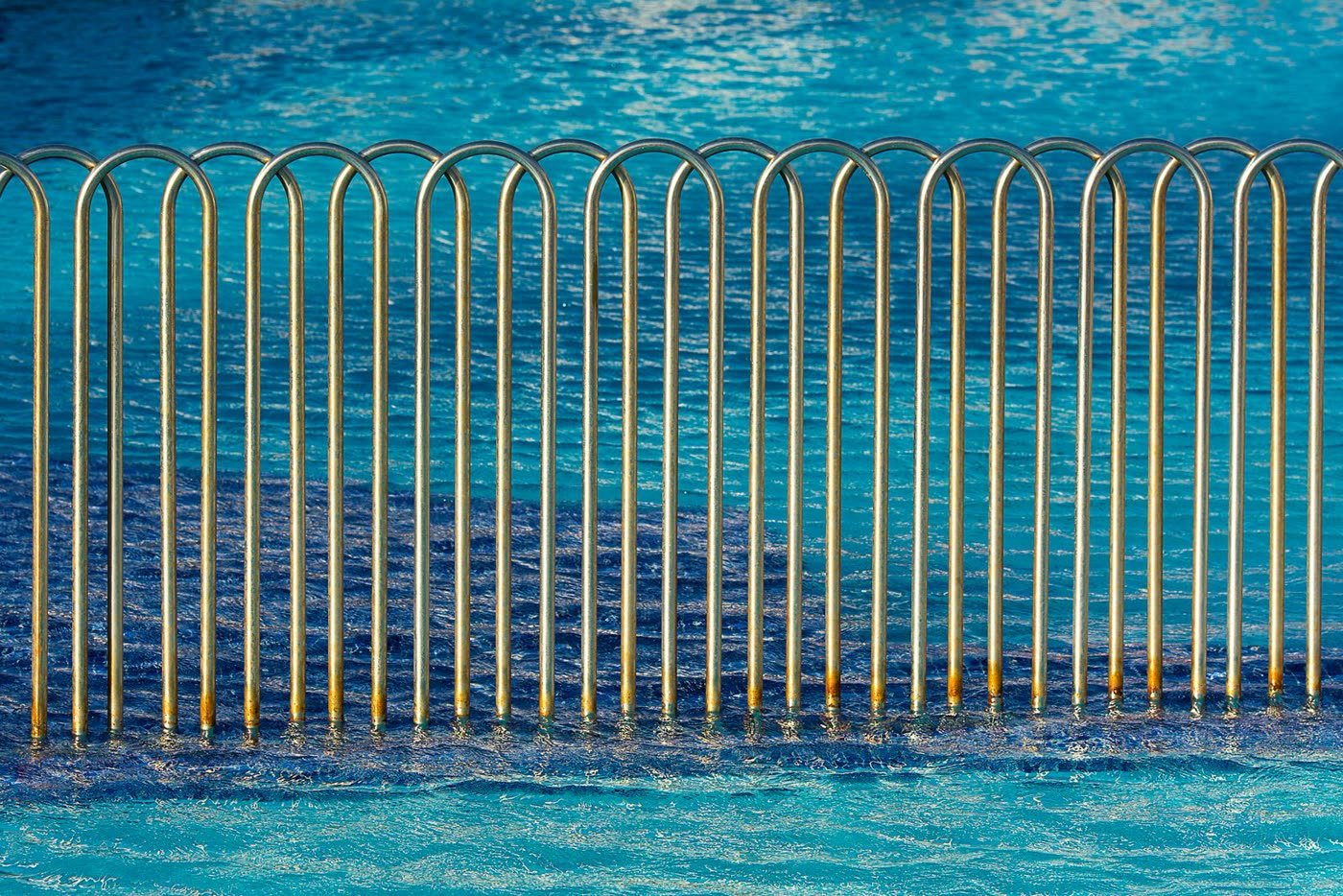
Fencing drawn too early locks in expensive errors. Gates end up swinging into lounge chairs, sight lines from the house get blocked by solid panels, and the self-latching gate lands far from the natural walking route, so it gets propped open — the worst outcome of all. Moving a fence line after posts are set can run $1,500 to $5,000 or more in planning ranges; verify locally and get local quotes. The prevention is sequencing: finalize pool, deck, and seating first, then draw the barrier, gate swing, and latch position around real traffic. Barrier height and gate rules are enforced locally, so check your local code, and review the barrier standards summarized by the Pool & Hot Tub Alliance before you order materials.
Best for: Families with young children | Corner lots
5. Putting the Equipment Pad in the Social Zone
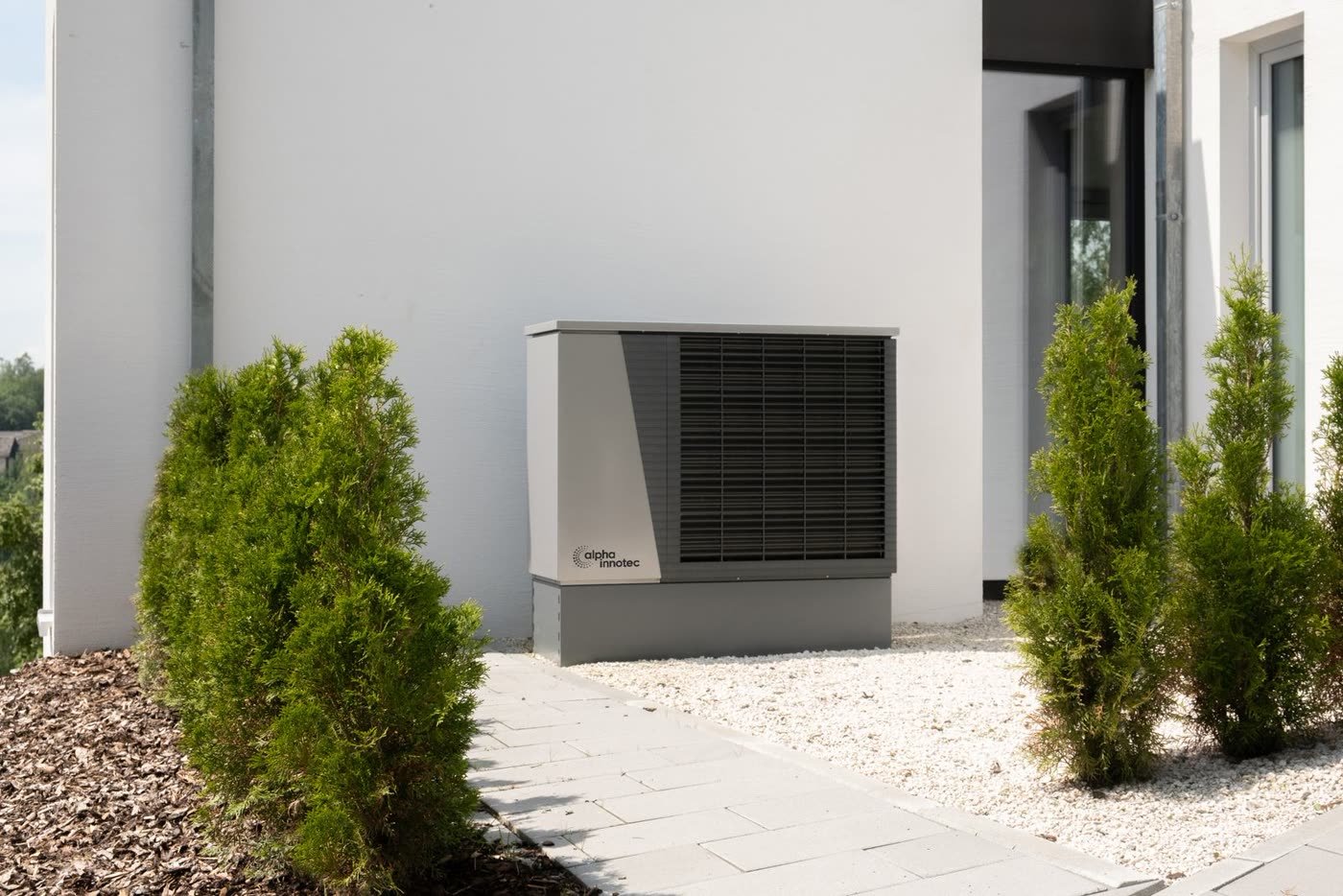
A pump and filter tucked beside the patio seems efficient until your first dinner next to a humming motor. Equipment placed in the social zone steals the quietest corner of the yard, and moving it later means new plumbing runs, new electrical, and a new pad — often $2,000 to $6,000 or more in planning ranges, so verify locally and get local quotes. The planning question that prevents it: where will we sit and talk, and can we hear the pump from there? Place the pad along a side wall or behind the deep end instead, screened by planting or a matching panel, with short pipe runs and clear service access preserved.
Best for: Entertainers | Compact yards with one seating zone
6. Putting Entry Steps Far From the House Door
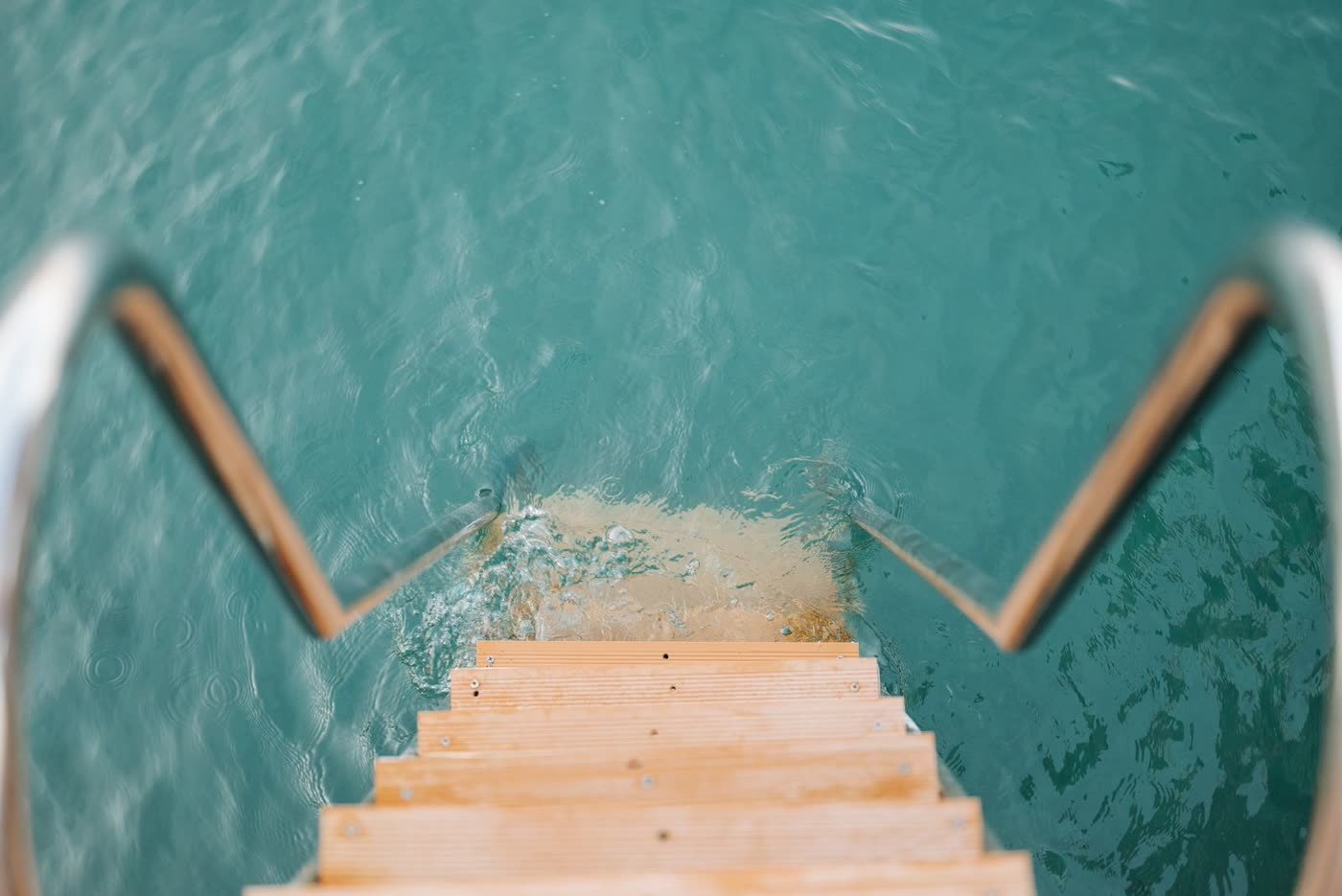
Steps placed at the far end of the pool look balanced in renderings and feel wrong every single day. Every swim starts with a long wet walk around the water, kids drip past the seating zone, and carrying drinks to the shallow end becomes a lap of its own. The fix costs nothing at design stage: put the steps and main bench on the house side, aligned with the door people actually use, as the best layouts in our backyard pool ideas consistently do. Ask on the plan, out loud: door, deck, steps — is that one short, straight line? It also keeps supervision simple, because the shallow water then sits right where adults naturally gather.
Best for: Daily swimmers | Homes with one main back door
7. Forgetting the Lighting Plan
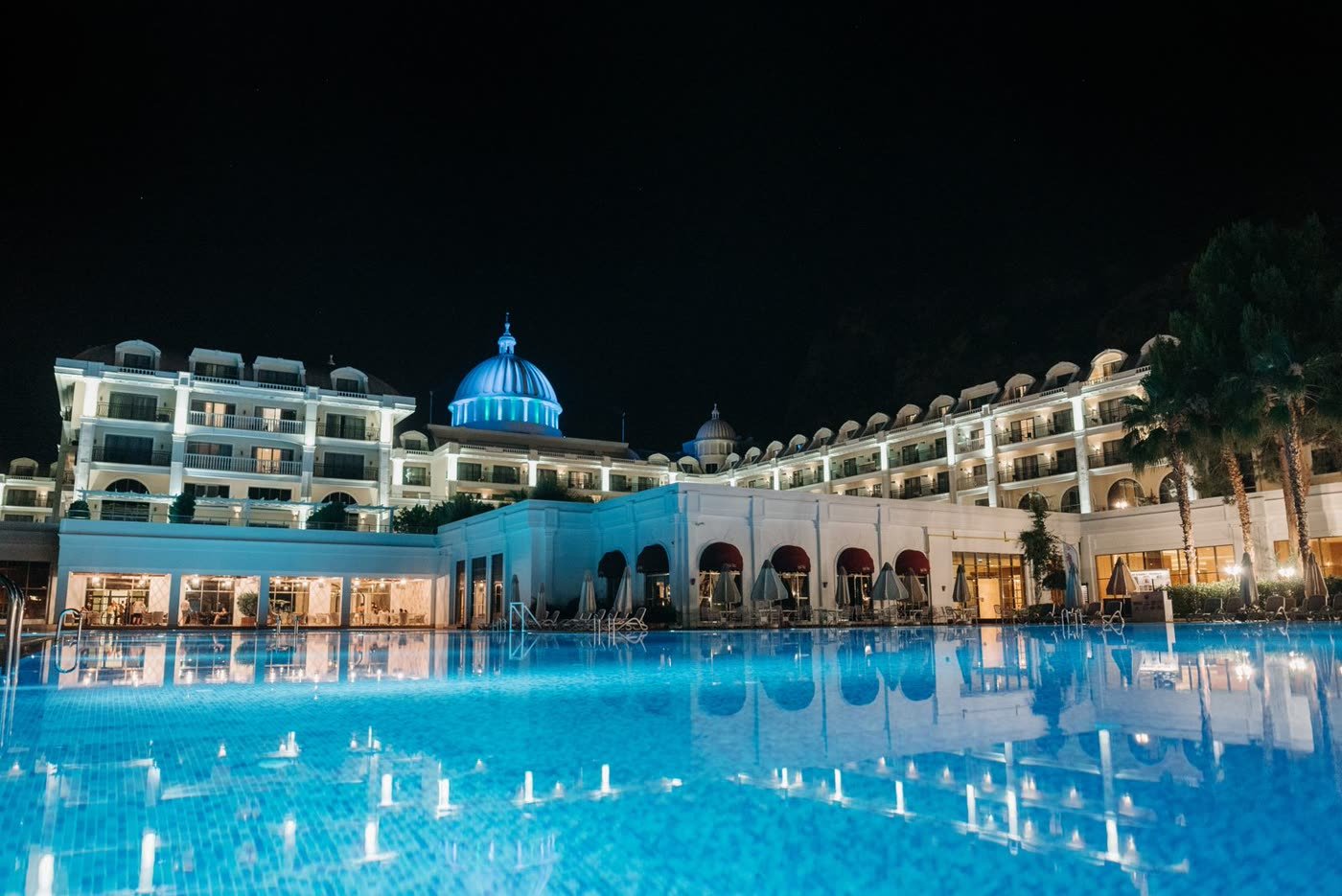
Lighting is the mistake owners discover on their first evening swim. Without a plan, stub-outs get forgotten, conduit never goes under the deck, and the only option left is surface-mounted fixtures and extension thinking. Retrofitting underwater and deck lighting after surfaces are finished commonly runs into the thousands in planning ranges; verify locally and get local quotes. Prevention is cheap: decide fixture positions, switch locations, and spare conduit while the design is still lines on paper, even if you install half the lights in year two. Light the steps, the shallow end, and the path back to the house first — safety before sparkle. Check your local code for electrical clearances around water.
Best for: Evening swimmers | Phased budgets
8. Facing the Tanning Ledge the Wrong Way
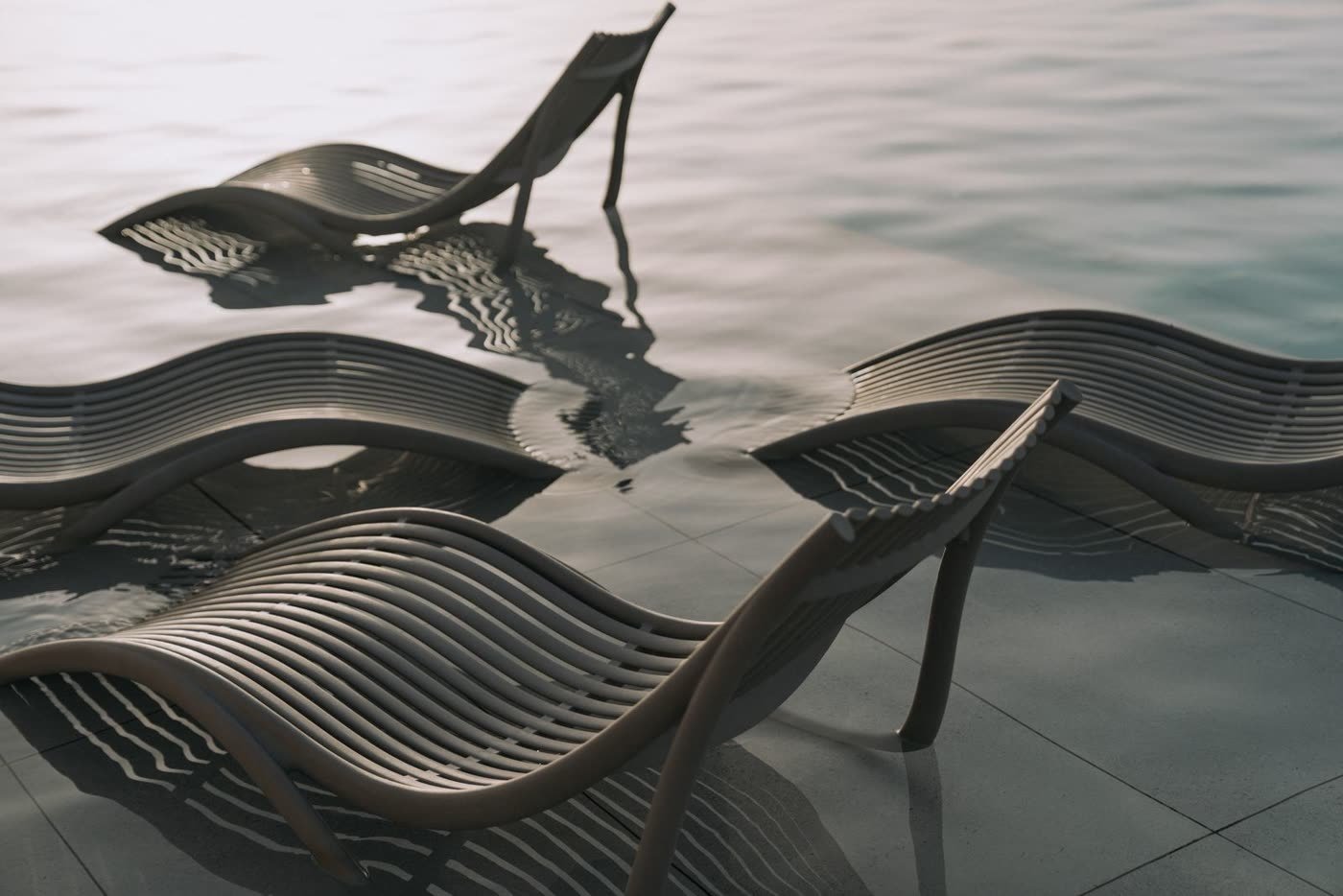
A tanning ledge is a sun product, so orientation is the whole decision. Face it away from afternoon sun and it sits in roof or fence shadow exactly when people want to lounge in shallow water; face it into harsh western glare with no shade nearby and it fries. Correcting a ledge after the shell is set is effectively impossible without major work, which makes this one of the costliest pool placement mistakes per square foot. Prevent it by tracking sun across your actual yard for a day before signing: the ledge wants late-morning to mid-afternoon sun, a view toward the house, and partial shade within arm’s reach.
Best for: Loungers | Spa-style shallow entries
9. Forgetting Storage Entirely

Pools generate gear — floats, toys, towels, chemicals, a cover, winter furniture — and unplanned gear lives on your deck forever. The cost shows up as clutter, tripping hazards near the water, and cushions ruined by weather they were never stored against. Adding a deck box later is easy, but only if a flat, out-of-traffic spot for it exists, which is exactly what gets designed away. Cheaper paths exist in our cheap backyard pool ideas, but the real fix is upstream: draw the storage on the plan — a bench with a hinged top, a slim shed against the fence, or a widened equipment screen with a dry cabinet inside it.
Best for: Families with kids | Tidy, low-clutter decks
10. Designing for the Party of 30, Not Daily Use

The final trap is sizing everything for the biggest gathering of the year. A huge shallow shelf, extra-wide deck, and seating for thirty usually means a smaller swim area, higher build cost, and a yard that feels empty and exposed the other 350 days. Almost every regret in this list shares that root: most mistakes are layout decisions locked in before digging, made for an imaginary day instead of a real one. The corrective question, borrowed from the process in our guide to planning a backyard pool design, is simple: how will two to six people use this on a normal Tuesday? Design for that, and the party will manage itself.
Best for: Honest planning | Right-sizing a budget
Frequently Asked Questions
What is the most common backyard pool design mistake? Oversizing the pool for the lot. When water takes the space the deck needed, circulation, seating, and supervision all suffer. Keep at least 4 feet of usable deck on the main sides, and more where people gather.
How much deck do I actually need around a pool? Plan 4 feet as a working minimum for walking sides and 8 feet or more on the seating and entry side. Tight decks are the clearest sign of pool planning mistakes, and they cannot be widened once coping is set.
Can design mistakes be fixed after the pool is built? Some can, at a price: shade, storage, and fencing can be added later, usually for more money and with compromises. Slope, steps, ledge orientation, and pool size are effectively permanent, which is why they deserve the most scrutiny before digging.
When should I check local pool codes? Before the layout is final, not after. Setbacks, barrier rules, gate latches, and electrical clearances can all move a pool or fence line, so check your local code early and again at permit stage.
How do I review a builder’s plan for mistakes? Walk the plan with five questions: Is the deck wide enough? Where is the afternoon shade? Where does water drain? Can I hear the equipment from the seats? Are the steps by the door? Those answers catch most regrets.