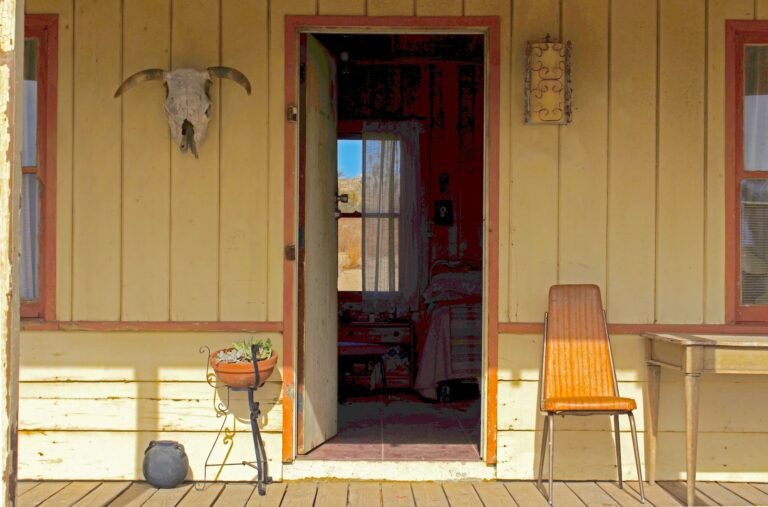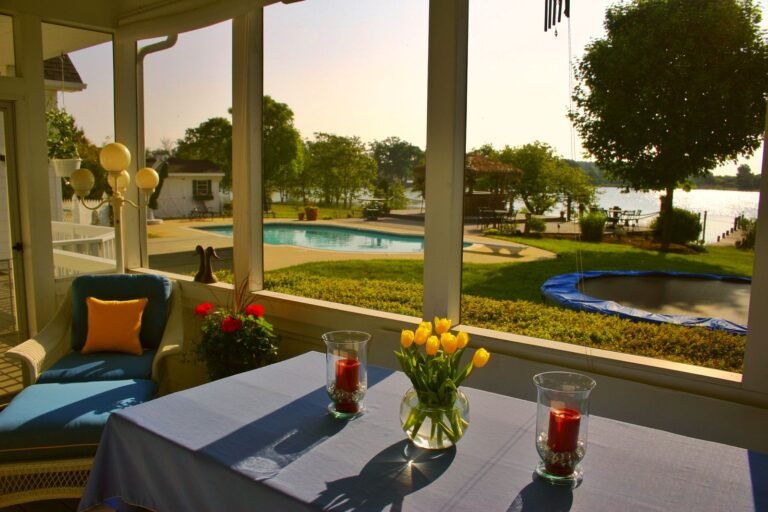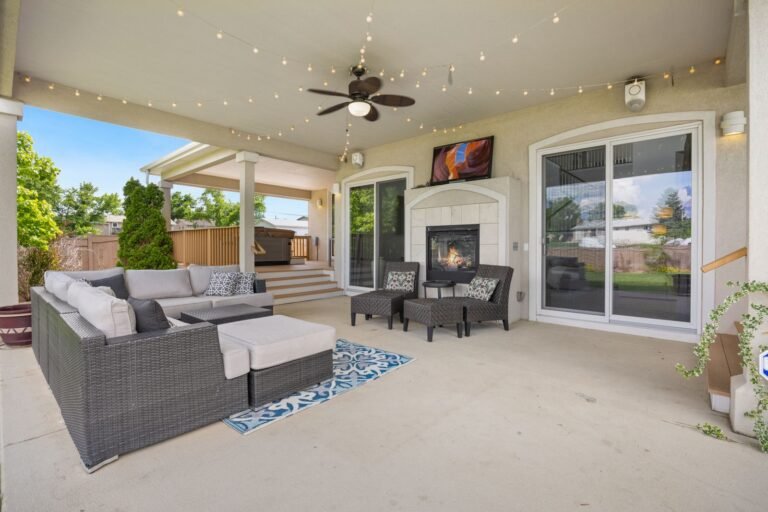

You do not need a full contractor remodel to turn an open patio into a bright, bug-free room you use every day. With simple framing, screens, curtains, and secondhand-friendly furnishing, these enclosed patio ideas on a budget prove that comfort is mostly about smart layers, not a big spend.
1. Start With a Simple DIY Screen Frame
Best for: Renters and first-time DIYers with a covered patio
Build lightweight wood or PVC frames, stretch fiberglass screen across them, and screw the panels between existing posts. A basic 10-by-12-foot setup typically costs $150–$400 in lumber, screen, and screws, far less than a prefabricated kit. The Family Handyman screened-in patio guide walks through framing and screening basics if you want a proven method. Paint the frames white or forest green so the new enclosure looks intentional, not improvised.
2. Compare Screen Types Before You Buy
Best for: Anyone who wants the enclosure to last more than one season
Not all mesh is equal, and choosing well saves repeat spending. Standard fiberglass is cheapest at about $0.30–$0.60 per square foot, pet-resistant screen costs more but survives claws, and fine no-see-um mesh helps near water. Our breakdown of enclosed patio screen types and costs compares durability and price side by side. Buy a slightly heavier mesh for the lower panels where chairs and feet bump it most, and standard mesh up high.
3. Hang Outdoor Curtains for a Soft Enclosure
Best for: Instant privacy and shade for $75–$250
If full screening feels like too much construction, run galvanized wire or outdoor curtain rods between posts and hang fade-resistant curtains. Closed, they block wind, low sun, and neighbors’ views; open, they frame the garden like a resort cabana. Choose light colors to keep the space bright and airy. Curtains also layer beautifully over screens later, so this is a good first step in a phased project.
4. Use Clear Vinyl Panels for Wind and Rain
Best for: Extending the season into chilly, wet weather
Clear vinyl or polycarbonate panels turn a screened patio into a three-season room for roughly $200–$600, depending on size. They keep the view and daylight while stopping drafts. Start with the windiest side only instead of enclosing everything at once. Removable panels on snaps or hook-and-loop tape store flat in summer. Pair them with a small space heater on cold evenings and always follow heater safety clearances.
5. Add a Screen Door You Make or Refinish
Best for: High-traffic patios where kids and pets come and go
A flimsy door undermines the whole enclosure, but a solid one does not have to be new. Look for a used wood screen door for $25–$75, sand it, replace the mesh, and add fresh hinges and a closer for another $20–$40. Paint it a cheerful terracotta or sage for a focal point. A magnetic screen door, around $25–$45, is an even cheaper hands-free option for summer and removes cleanly when the season ends.
6. Lay an Outdoor Rug to Define the Room
Best for: Making a slab feel finished for $60–$180
An enclosure reads as a room the moment the floor stops looking like a driveway. A large polypropylene outdoor rug hides stained concrete, softens sound, and zones the seating area in one move. Choose a light, patterned design that hides pollen and dust between cleanings. If the budget is tight, check end-of-season sales or use two smaller rugs layered. For more layout inspiration, browse our main guide to enclosed patio ideas and note how rugs anchor every seating group.
7. Furnish With Rattan and Secondhand Finds
Best for: A collected, cozy look for $150–$500
Rattan and wicker suit enclosed patios perfectly because the roof protects them from the worst weather, so secondhand pieces last for years. Shop marketplace listings for a rattan loveseat or two armchairs, then unify them with new outdoor cushions in cream or striped canvas for $80–$200. Add a thrifted side table and a plant stand. This mix costs a fraction of a new patio set and looks warmer.
8. Install a Ceiling Fan for Air and Ambience
Best for: Hot climates where still air makes screens feel stuffy
Moving air is the secret to a screened room feeling comfortable on humid evenings, and it also discourages mosquitoes. A damp-rated ceiling fan costs $90–$250, plus $100–$200 if you hire an electrician to add wiring. Choose a light kit model and you solve lighting at the same time. If wiring is impossible, a stylish outdoor floor fan for $50–$90 does most of the job. Run the fan counterclockwise in summer for a cooling downdraft.
9. Layer Budget Lighting for Evening Hours
Best for: Patios that go unused after dark
Enclosed patios shine at night, literally, when lighting is warm and layered. String lights around the ceiling edge cost $20–$50, a pair of plug-in wall sconces or lanterns adds $40–$100, and candles or LED candles finish the glow for a few dollars. Stick to warm-white bulbs so the space feels like a living room, not a stadium. Put lights on a timer or smart plug, around $12–$20, so the room welcomes you automatically at dusk.
10. Bring In Plants for a Conservatory Feel
Best for: Turning screens and glass into a green, calm backdrop
Plants are the cheapest way to make a budget enclosure feel lush. Group potted palms, ferns, and herbs in odd numbers along the sunniest edge, using thrifted pots and propagation from friends to keep plant spending near $30–$100. Hanging planters free up floor space, and a tall plant in each corner softens the frame lines. Choose plants for your light level first and looks second, and group thirsty plants together so watering stays simple on busy weeks.
11. Build Privacy With Lattice and Shade Cloth
Best for: Close neighbors and harsh afternoon sun
Where a full wall is too expensive, lattice panels at $20–$45 each plus shade cloth create privacy for under $150 per side. Grow fast climbers like jasmine or mandevilla through the lattice, or leave it clean and modern painted white. Shade cloth also cuts heat on west-facing screens noticeably. This approach keeps airflow, which matters in summer. If your patio is attached to the house, compare these lighter fixes with the options in our guide to covered patio ideas attached to the house before committing.
12. Finish With Smart, Cheap Storage
Best for: Keeping cushions, throws, and games tidy year-round
A room only feels relaxing when clutter has a home. A slim deck box costs $60–$130 and doubles as extra seating with a cushion on top. Use a $25–$50 rolling cart as a drink station, baskets for throws, and hooks on the posts for hats and tools. Store cushion inserts indoors in winter if space allows. Label one basket for sunscreen and bug spray by the door, and your budget enclosed patio will run as smoothly as it looks.
Frequently Asked Questions
How much does it cost to enclose a patio on a budget?
A DIY screen enclosure on an existing covered patio typically costs $300–$1,000, depending on size and screen quality. Curtains, a magnetic door, and simple furnishings can create a semi-enclosed feel for $200–$500. Costs climb when you add roofing, wiring, or glass panels, so phase the project and start with the side that blocks the most wind and bugs.
Can I enclose a patio without a permit?
Small, non-structural screen and curtain projects often need no permit, but rules vary widely by city and HOA. Adding walls, roofing, or electrical work usually triggers permits and inspections. Check with your local building office before you build, especially if the enclosure attaches to the house or changes the roofline in any way.
What is the cheapest way to keep bugs out of a patio?
The cheapest effective combo is fiberglass screening on simple frames plus a magnetic screen door, usually under $250 total for a modest patio. A ceiling or floor fan helps too, because mosquitoes are weak fliers. Seal gaps at the floor and roofline with trim or weatherstripping, since even beautiful screens fail when edges are left open.
Do enclosed patios add value to a home?
A tidy, well-built enclosed patio usually improves buyer appeal because it adds usable living space, even if appraisers do not count it as interior square footage. Budget projects help most when they look permanent and maintained: painted frames, taut screens, and a defined floor. Keep receipts and before-and-after photos, and avoid unpermitted structural work, which can hurt rather than help at sale time.