Cozy Covered Patio Ideas: If you’re searching for covered patio ideas, you probably don’t need convincing that shade matters — you need a layout that doesn’t feel like a leftover corner of the yard. Below are 15 specific ideas, each built around a real layout problem, so you can pick the ones that match your space instead of copying a generic list.
Cozy Covered Patio Ideas to Copy in 2026
Idea 1: The Indoor-Outdoor Flow Trick (Attached Covered Patio)
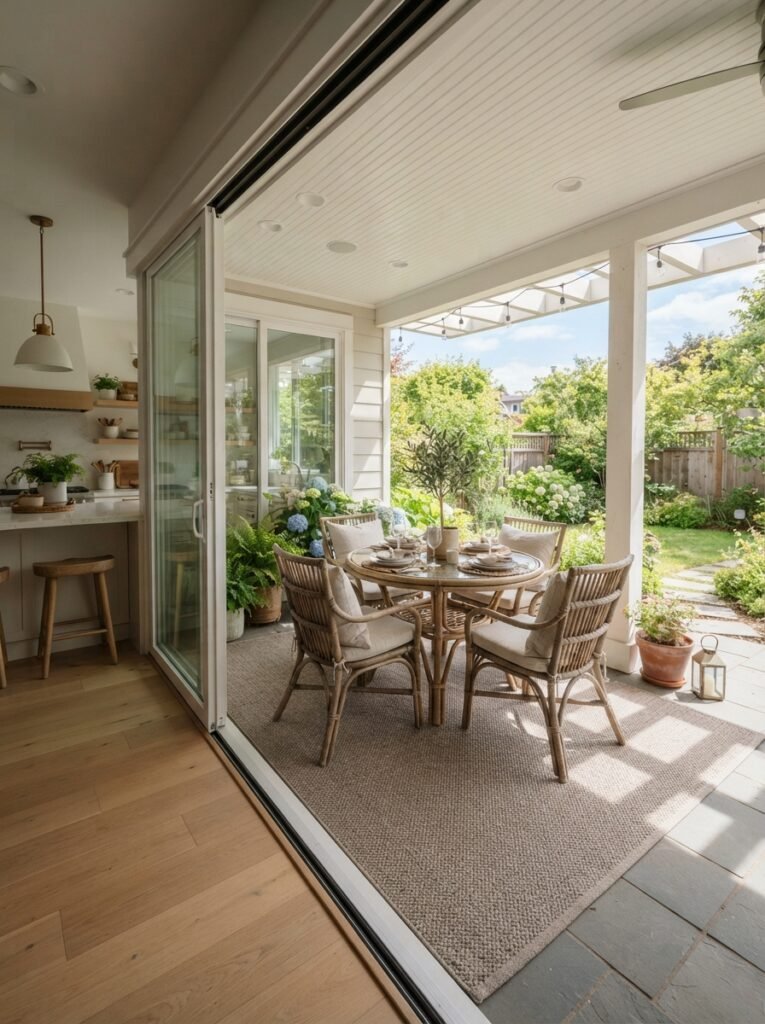
For an attached covered patio, the fastest way to make it feel like part of the house rather than an add-on is to match the outdoor rug’s undertone to your interior flooring — not the exact color, just the warmth or coolness of it. When I tested this on a client’s patio just off her kitchen, swapping a gray-toned rug for a warm greige one was the single change that made guests stop asking “should I take my shoes off out here?”
Idea 2: The Wet-Rated Ceiling Fan Fix (Roof-Attached Covered Patio)
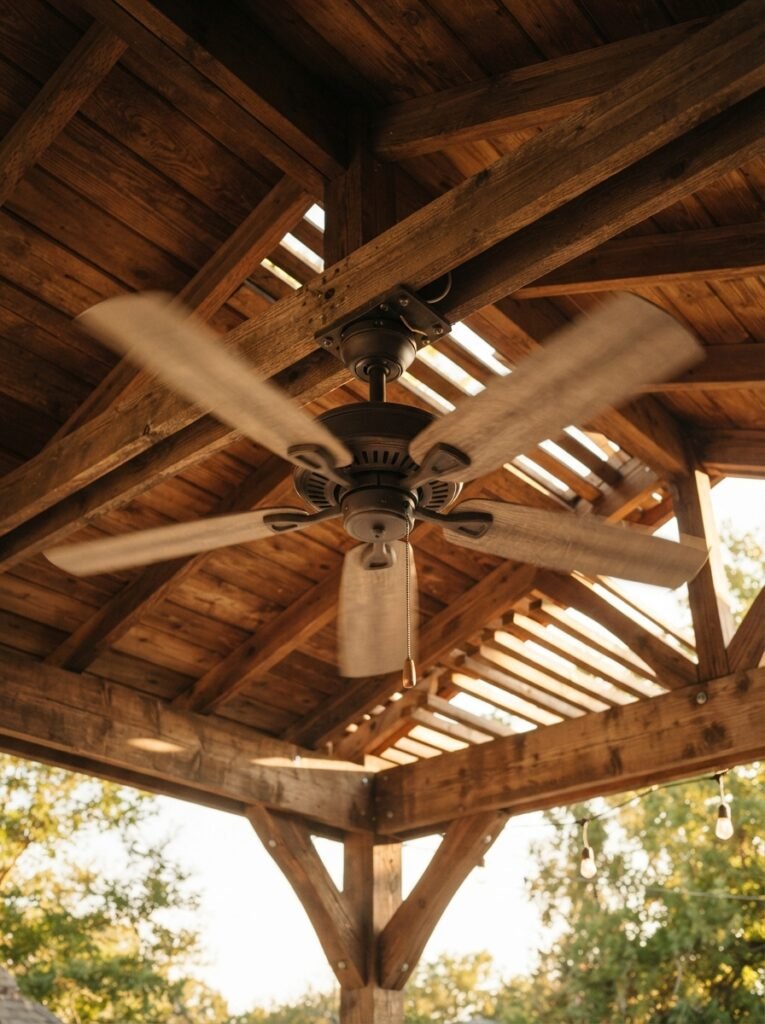
If your covered patio roof is structurally attached to the house, installing a wet-rated ceiling fan solves the single biggest complaint people have about covered patios: “it’s too hot to sit out here.” On a 9×9 ft roof-attached patio I worked on, the fan did more for actual usage hours than any furniture upgrade we made.
Idea 3: The Stepping-Stone Connector Path (Detached Covered Patio)
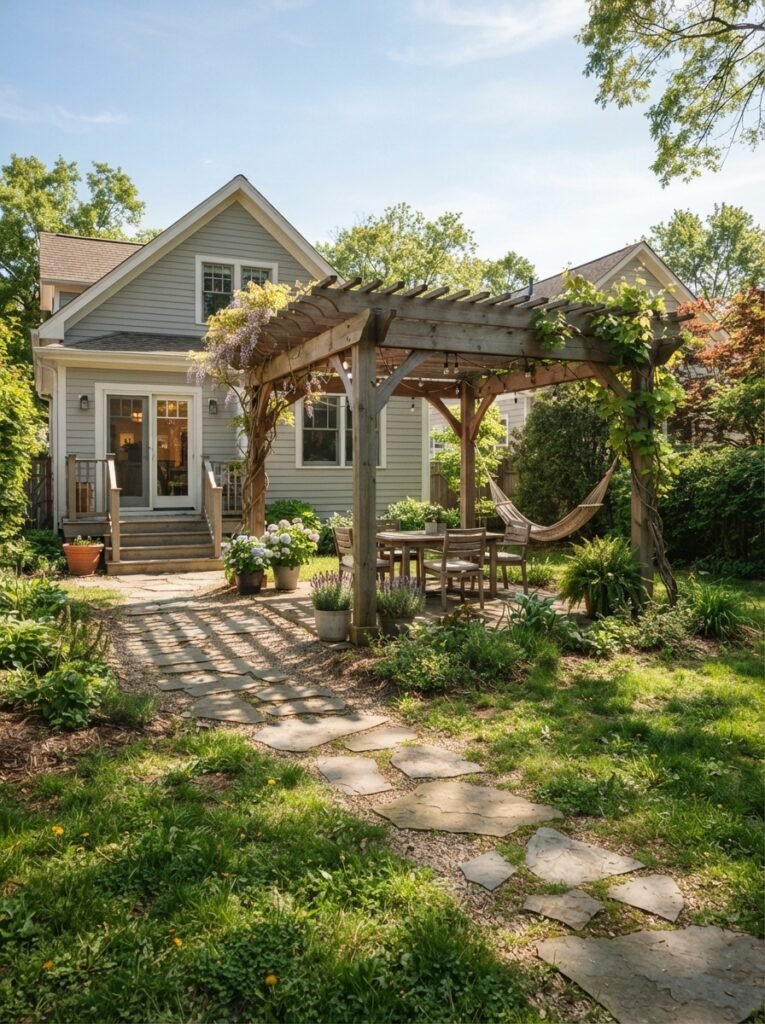
Detached covered patio ideas — pergolas or standalone gazebos — need a visual thread back to the house or they feel disconnected. Even four simple stepping stones or a gravel strip from the back door signals “this is part of your home,” not an afterthought sitting in the yard.
Idea 4: The Round Table Swap (Small Covered Patio)
On any covered patio under 8×8 ft, a round table beats a square one every time — there’s no hard corner to walk around, which makes a 6×6 ft space feel noticeably roomier. This was the one change that fixed a client’s small patio without spending a dollar on anything new.
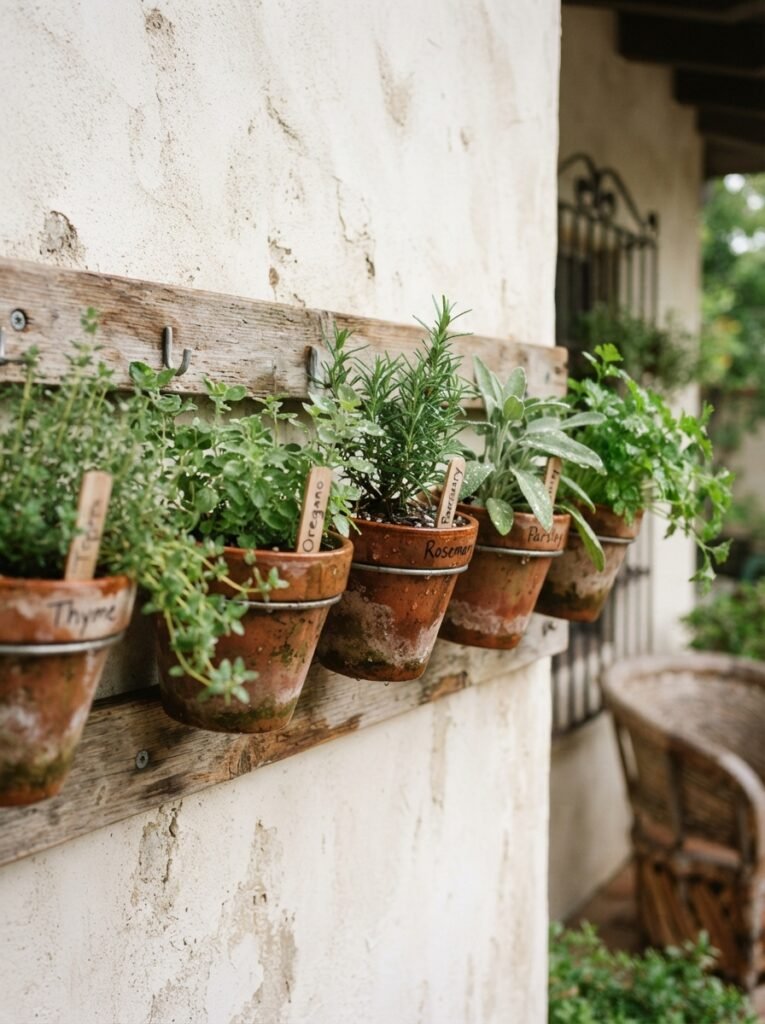
Idea 5: The Vertical Planter Rail (Small Covered Patio)
When floor space is tight, greenery has to go up, not out. A wall-mounted planter rail with trailing herbs frees up the floor for actual seating, and it adds the layer of texture a small covered patio usually lacks.
Idea 6: The Thrifted-and-Painted Furniture Idea (Inexpensive Covered Patio)
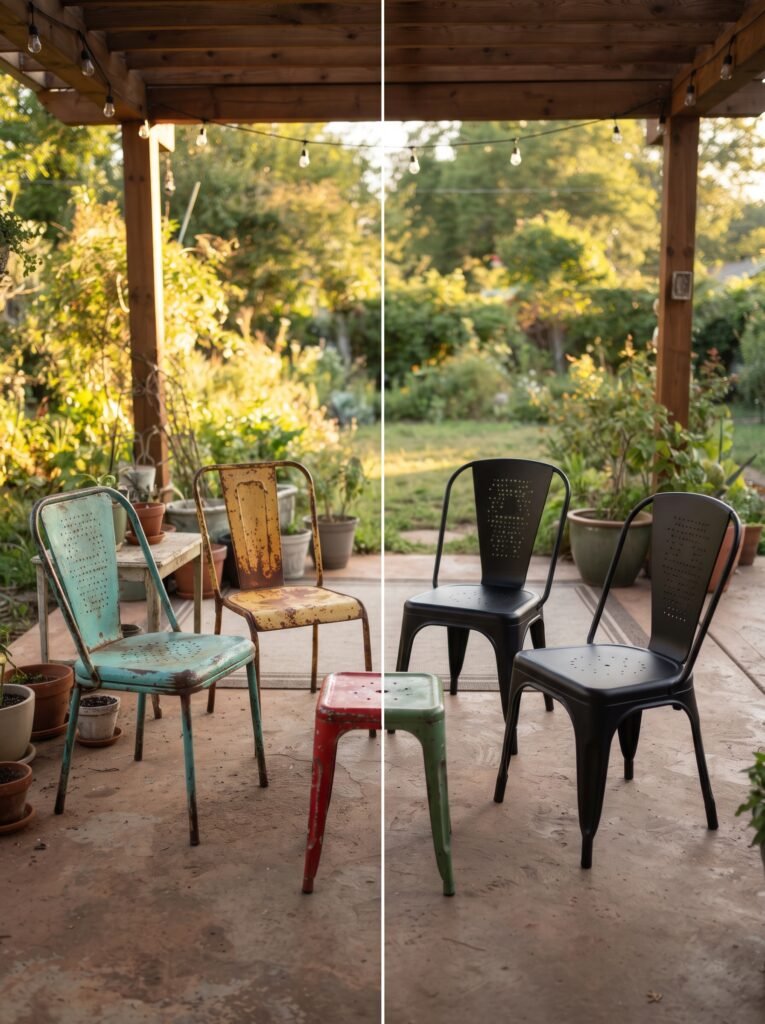
Mismatched thrifted chairs stop looking mismatched the moment you spray-paint them all the same matte finish. When I restyled a budget covered patio for under $150, this was the step that made the whole set look intentional rather than scavenged.
Idea 7: The Pillow Cover Swap (Budget Covered Patio)
Full outdoor cushions are expensive. Outdoor-rated pillow covers slipped over plastic-wrapped indoor inserts cost roughly half as much and hold up fine through a season of use — a trick I use on nearly every budget patio project.

Idea 8: The DIY Cedar Plant Ledge (Budget Covered Patio)
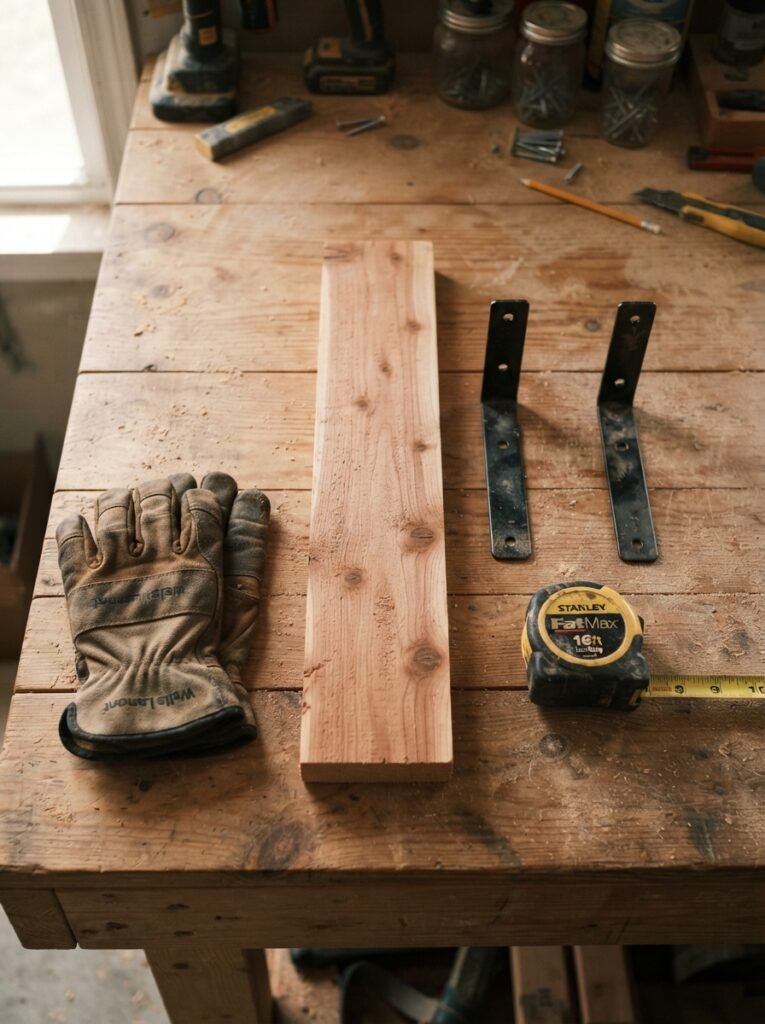
A single cedar board and two brackets make a plant ledge for a fraction of what a tiered plant stand costs, and it can be sized to fit an odd corner that store-bought stands never quite match.
Idea 9: The Built-In Bench Seating Idea (Luxury Covered Patio)
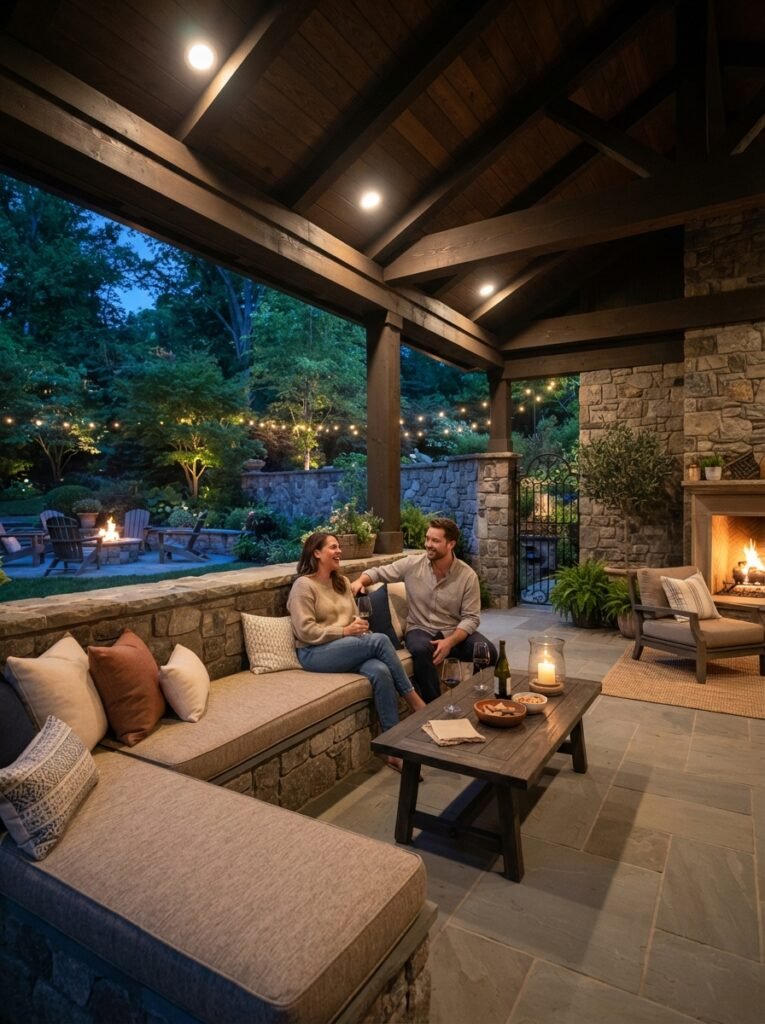
If budget isn’t the limiting factor, built-in bench seating along one wall seats more people in less floor space than freestanding furniture, and custom cushions on top make it look tailored rather than off-the-shelf.
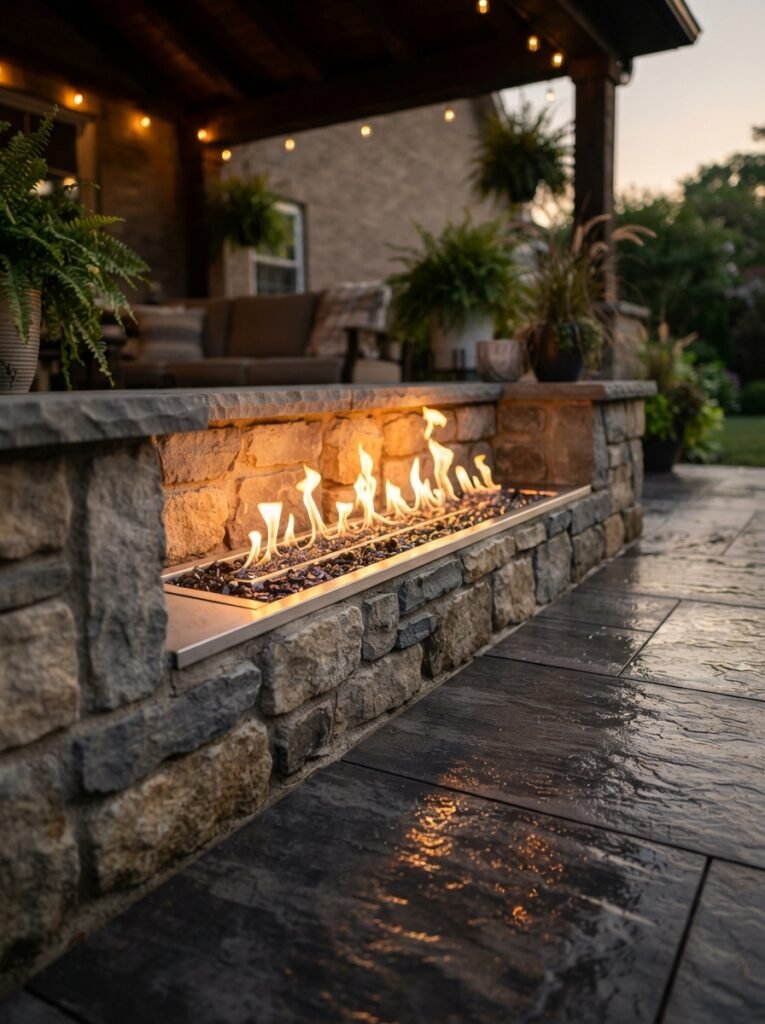
Idea 10: The Linear Fire Feature (Luxury Covered Patio)
A built-in linear gas fire feature — not a portable fire pit — typically extends usable patio season by several weeks in most temperate US climates, and it becomes the visual anchor of the whole space after dark.
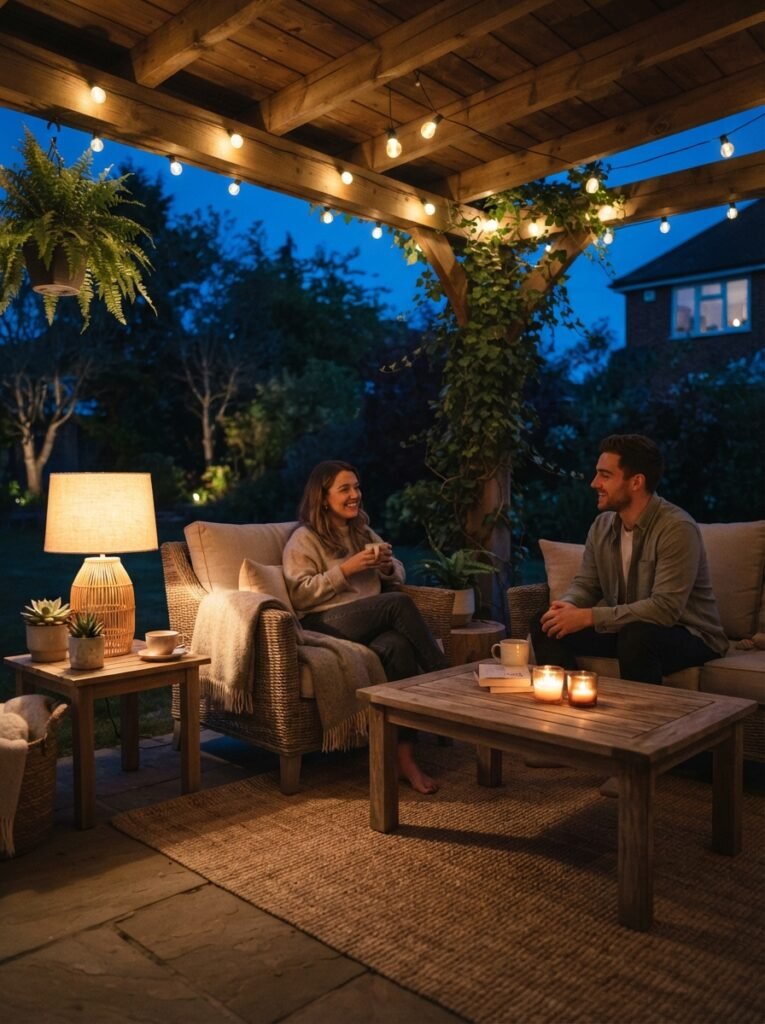
Idea 11: The Three-Layer Lighting Idea (Any Backyard Covered Patio)
Ambient string lights overhead, a table lamp or lantern at seating height, and candles at the lowest level — skipping that bottom layer is the most common reason a covered patio doesn’t feel cozy after sunset, no matter how nice the furniture is.
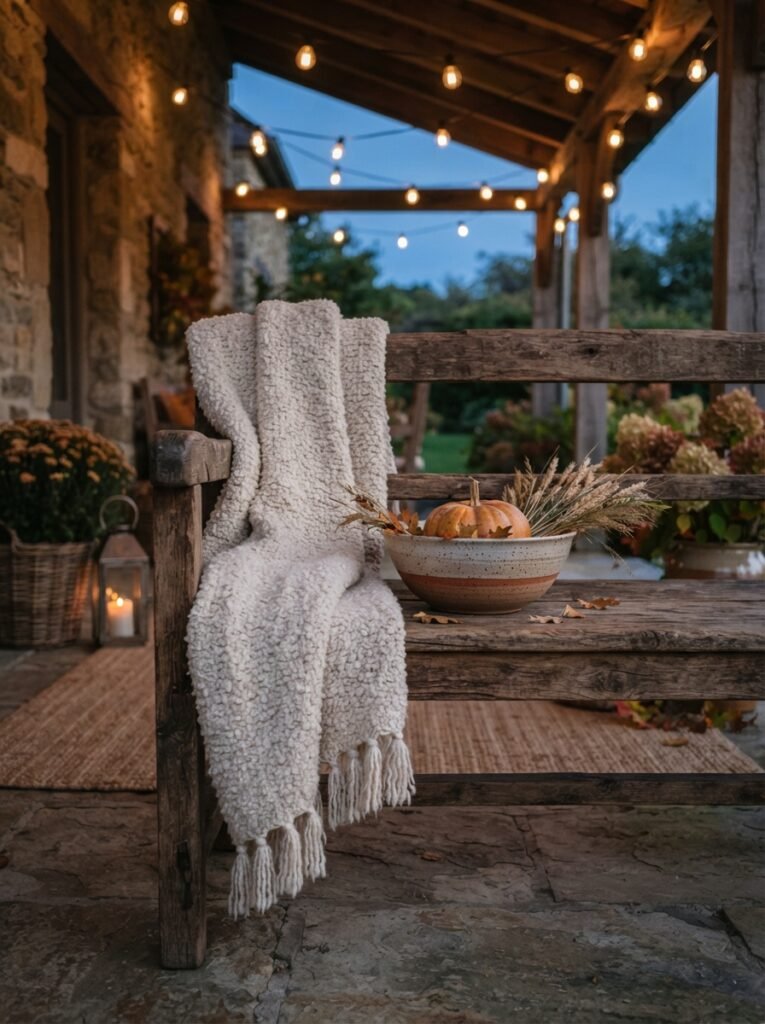
Idea 12: The Seasonal Textile Swap (Fall Covered Patio Refresh)
Swapping linen cushion covers for a knit or boucle texture in fall signals “usable in cool weather” before anyone even sits down. Keeping a wool throw within arm’s reach of every seat is what actually gets people to stay outside longer once temperatures drop.
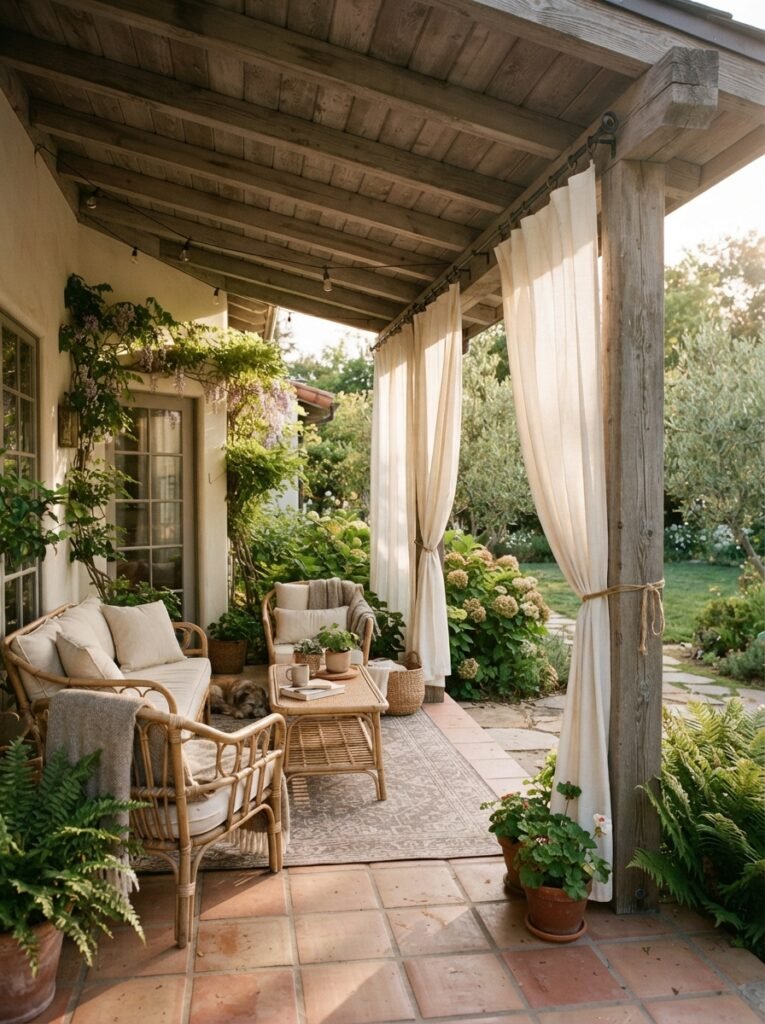
Idea 13: The Café Curtain Privacy Idea (Covered Patio Attached to House)
On a patio attached to the house with open sides, lightweight cotton-blend café curtains add privacy without blocking airflow the way a solid screen would. Tying them back during the day and letting them down in the evening gives the space two completely different moods.
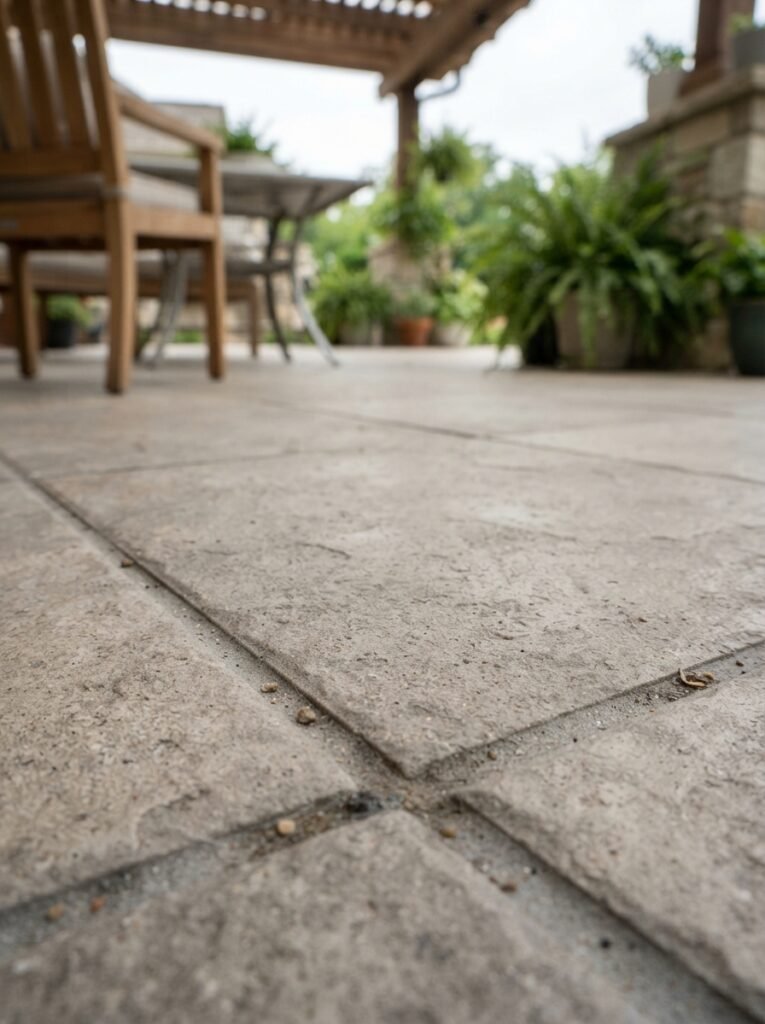
Idea 14: The Porcelain Paver Upgrade (Outdoor Covered Patio Flooring)
Porcelain pavers rated for outdoor use resist staining and fading far better than natural stone at a similar price, which matters most on a covered patio that still gets driving rain from the open sides.
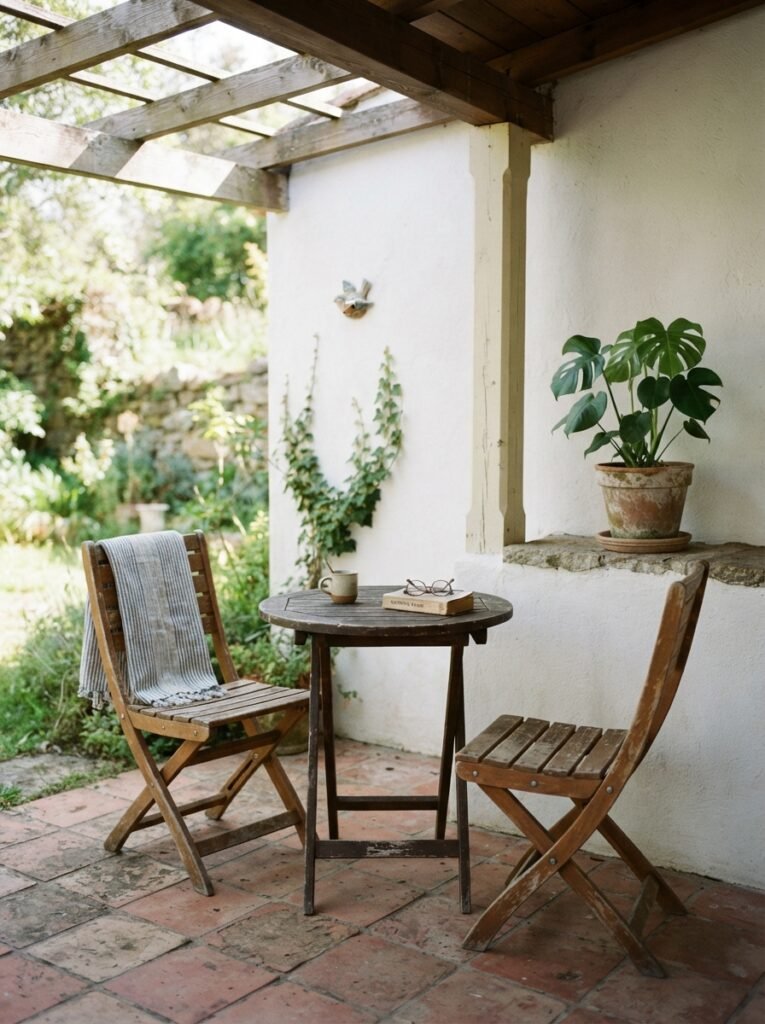
Idea 15: The Simple Bistro Set Idea (Simple Covered Patio)
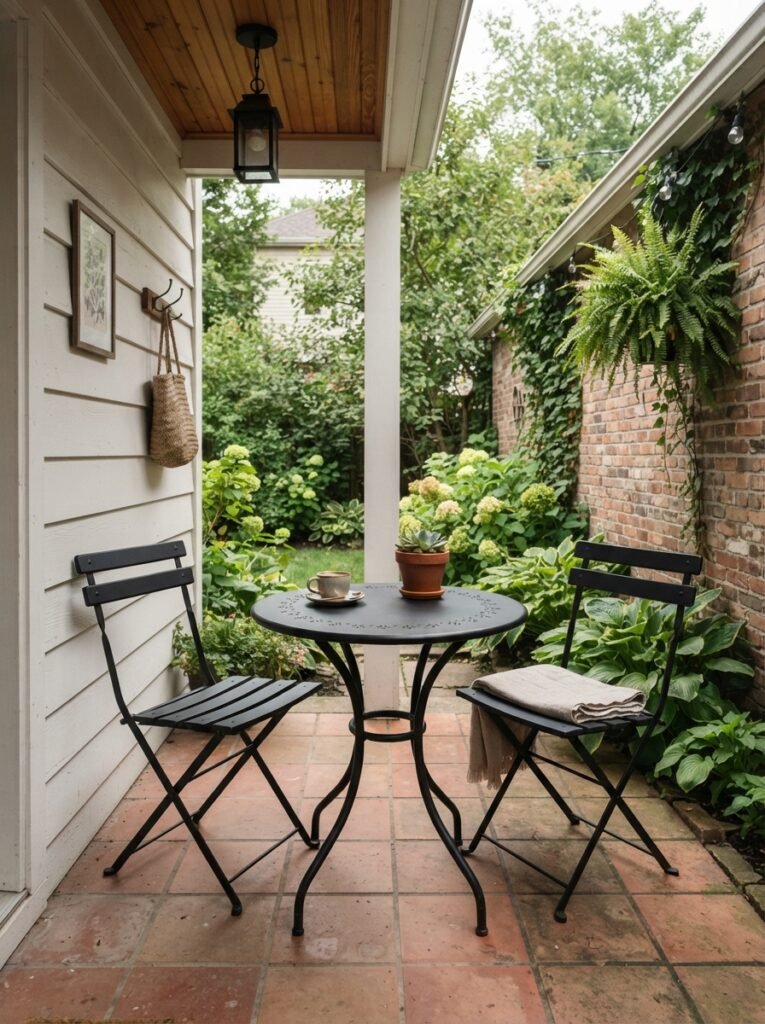
Not every covered patio needs a full layout plan. A simple two-chair bistro set, a small round table, and one plant is enough to make an underused covered corner functional — sometimes the simplest idea is genuinely the right one for a space that just needs one quiet spot to sit.
Budget vs. Splurge: Where to Spend on a Covered Patio
| Element | Budget Option | Splurge Option |
|---|---|---|
| Flooring | Outdoor-rated rug over existing concrete | Porcelain or natural stone pavers |
| Seating | Thrifted chairs, spray-painted | Built-in bench with custom cushions |
| Lighting | LED string lights (plug-in) | Roof-integrated recessed + wired string lighting |
| Fire/Warmth | Portable fire pit | Linear built-in gas fire feature |
| Textiles | Outdoor pillow covers over indoor inserts | Sunbrella-fabric cushions and throws |
Do You Need a Permit for a Covered Patio?
Whether a covered patio needs a permit comes down to how it is built, not how it looks. A roofed structure attached to the house is the kind most cities and counties want to review before work starts. A freestanding canopy, pop-up gazebo, or shade sail is far less likely to need one — but “less likely” is not “never.”
Rules vary widely by location, so check before you buy materials. Your city or county building department can usually say whether your plan needs a permit. If you have a homeowners association, check its rules too: HOA approval is separate from a city permit, and many associations limit roof style, color, and how far a structure can extend from the house.
Have the basics ready before you ask: the patio’s length and width, whether the cover attaches to the house or stands alone, what the posts and roof will be made from, and how the frame will be secured. A simple sketch, or a marked-up photo, is usually enough to start — and it saves a second trip for follow-up questions.
How to Keep a Covered Patio Clean and Dry
A covered roof keeps rain off the furniture, but it also traps dust, pollen, and cobwebs overhead. Wipe the roof underside and support posts each season with a soft brush or cloth and mild soapy water, working top-down so dirt does not streak cleaned surfaces. Skip harsh scrubbers and strong cleaners on painted or stained finishes — they can dull the surface.
Give the ceiling fan the same treatment, with the power off: dust the blades and motor housing, then wipe them down before switching it back on. Check cushion covers, outdoor curtains, and rug edges for early mildew. Air fabrics out on a dry, breezy day, brush off surface spots, and bring cushions inside during long wet spells instead of leaving them damp.
After heavy rain, walk the patio and see where the water goes. Clear leaves from gutters and downspouts so runoff flows away from the posts, and check the low corners of the slab or pavers for standing water. A rug or planter sitting in a puddle stays damp for days, so move pieces off the wet spots and let the surface dry between storms.
Covered Patio Ideas for Renters (No Permanent Changes)
Renters can get the covered-patio look without drilling a single hole. A freestanding canopy or pop-up gazebo with weighted bases gives real shade and comes down each season — no fixings into the house, the posts, or the slab. A shade sail clipped to freestanding poles works the same way, and a cantilever umbrella shades a bistro set without touching the building.
Layer the cozy details with pieces that move when you do. Tension-rod curtains hung between two posts add privacy and soften the edges, and they lift out without a mark. A removable outdoor rug anchors the seating area, freestanding planters frame the corners, and battery lanterns draped over the canopy frame — not screwed into anything — finish the look.
Before attaching anything to the house or the roof, check with your landlord in writing. Ask about screwing into walls or fascia and any weight limits on a balcony. Get the answer in an email or message you can keep, and stick to what was approved — a tidy, freestanding setup makes the next yes far more likely than holes discovered after move-out.
FAQ: Covered Patio Ideas
What is the cheapest way to add a cover to a patio?
A basic canvas or shade-sail canopy attached to existing posts or the house eave is typically the least expensive route, though it won’t offer the durability of a hard roof.
How do I make a small covered patio feel bigger?
Use round furniture, keep floor space clear near walkways, and choose one rug color that continues visually into the surrounding area rather than a busy pattern.
Do covered patios need a ceiling fan?
Not always, but in warm or humid climates a wet-rated ceiling fan meaningfully extends how many hours per day the space stays comfortable.
What’s the difference between an attached and detached covered patio?
An attached covered patio connects directly to the house’s roofline or wall, while a detached version — like a pergola or standalone gazebo — sits apart in the yard and needs its own visual connection back to the home.
Why Trust This Guide
These 15 ideas were pulled from patios I’ve personally styled or consulted on — small, budget, attached, and luxury alike — not assembled from a generic checklist. Every recommendation reflects what held up in real seasonal use.
Author Bio
Sophia Bennett is a home and interior décor specialist based in California, where sunlight, indoor-outdoor living, and effortless comfort shape everything she creates. Covered patios sit right at the center of her specialty — from 6×6 ft budget nooks to fully built-in luxury retreats, she’s spent nearly a decade helping homeowners turn shaded, underused corners into the most-used room in the house.