

A bare pergola is just lumber and good intentions. Dress it up with lights, fabric, and greenery, and it becomes the room you never want to leave — the one guests photograph before they even sit down. These fourteen ideas work on wood, metal, and vinyl pergolas alike.
1. String Lights in a Zigzag Canopy
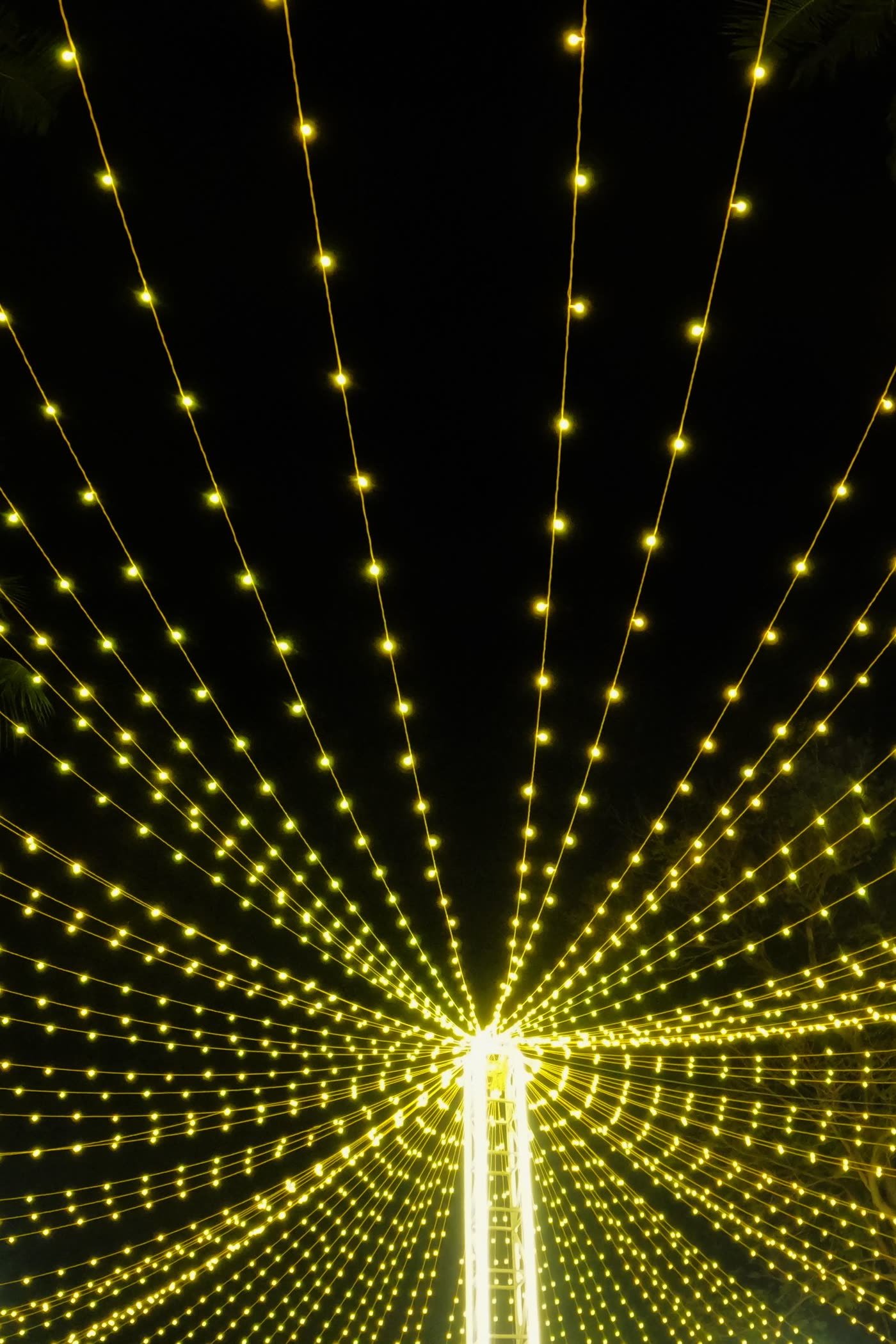
The single highest-impact pergola upgrade. Drape warm-white string lights in a zigzag across the rafters, not just around the perimeter — the overhead canopy effect makes the whole structure glow. Use outdoor-rated café lights on a dimmer for evening control.
Best for: Instant magic with under an hour of work.
2. Outdoor Curtains on Every Side

Hang weather-resistant curtains on a wire or conduit rod along the beams. They soften the hard lines, add privacy on demand, and turn the pergola into a true outdoor room. Tie them back with rope or jute during the day for a billowy, effortless look — pair with our DIY outdoor curtains under $100 guide for budget options.
Best for: Privacy, shade, and that resort-cabana feeling.
3. Climbing Roses Over the Beams

Train a climbing rose — ‘New Dawn’, ‘Zephirine Drouhin’, or ‘Eden’ — up two opposite posts and let it meet in the middle. In two to three seasons you’ll have a fragrant living roof. Prune after the first flush of blooms to encourage a second wave.
Best for: The romantic cottage-garden pergola. See our climbing rose trellis guide for training tips.
4. A Chandelier Moment
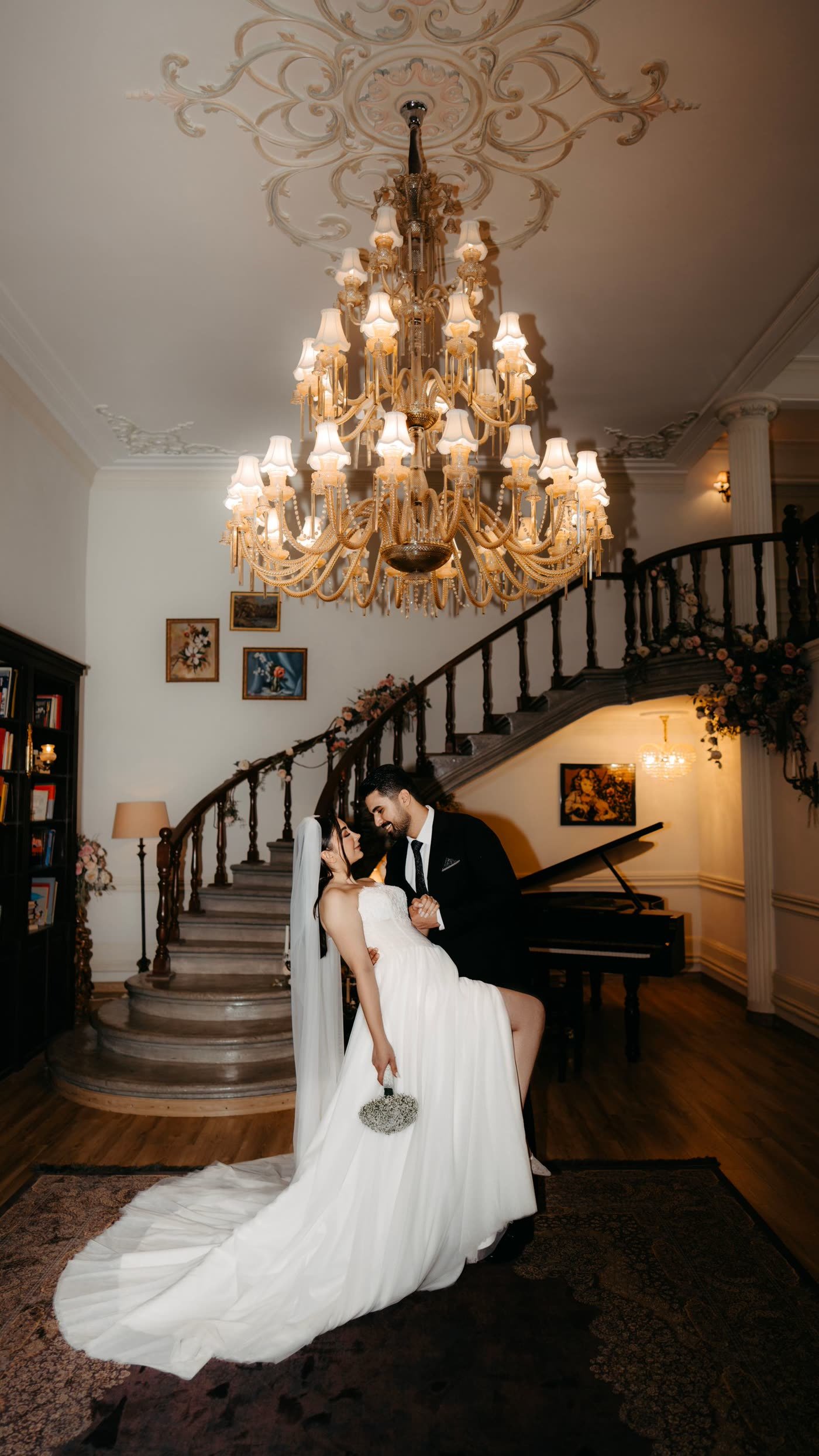
Hang an outdoor-rated chandelier or a cluster of pendant lights from the center beam. It sounds extravagant, but a $40 candle-style chandelier over the dining table changes the entire hierarchy of the space — suddenly it’s a dining room, not a patio. Solar chandeliers work if you have no wiring.
Best for: Pergolas that anchor an outdoor dining setup.
5. Wisteria for the Patient

Nothing beats wisteria on a pergola — the hanging flower clusters in spring are pure theater. Choose American wisteria (Wisteria frutescens) over the aggressive Asian species, and commit to pruning twice a year. Your pergola needs to be sturdy: mature wisteria is heavy.
Best for: Homeowners planning to stay put — this is a five-year payoff.
6. Shade Sails Under the Rafters

Stretch a triangular shade sail just under the pergola roof for filtered shade without losing the open-air feel. It cuts glare and heat while the beams still read as architecture. Pick a sand or light-gray sail to keep things bright.
Best for: Hot-climate patios where the pergola alone doesn’t cut the sun.
7. Hanging Planters at the Corners
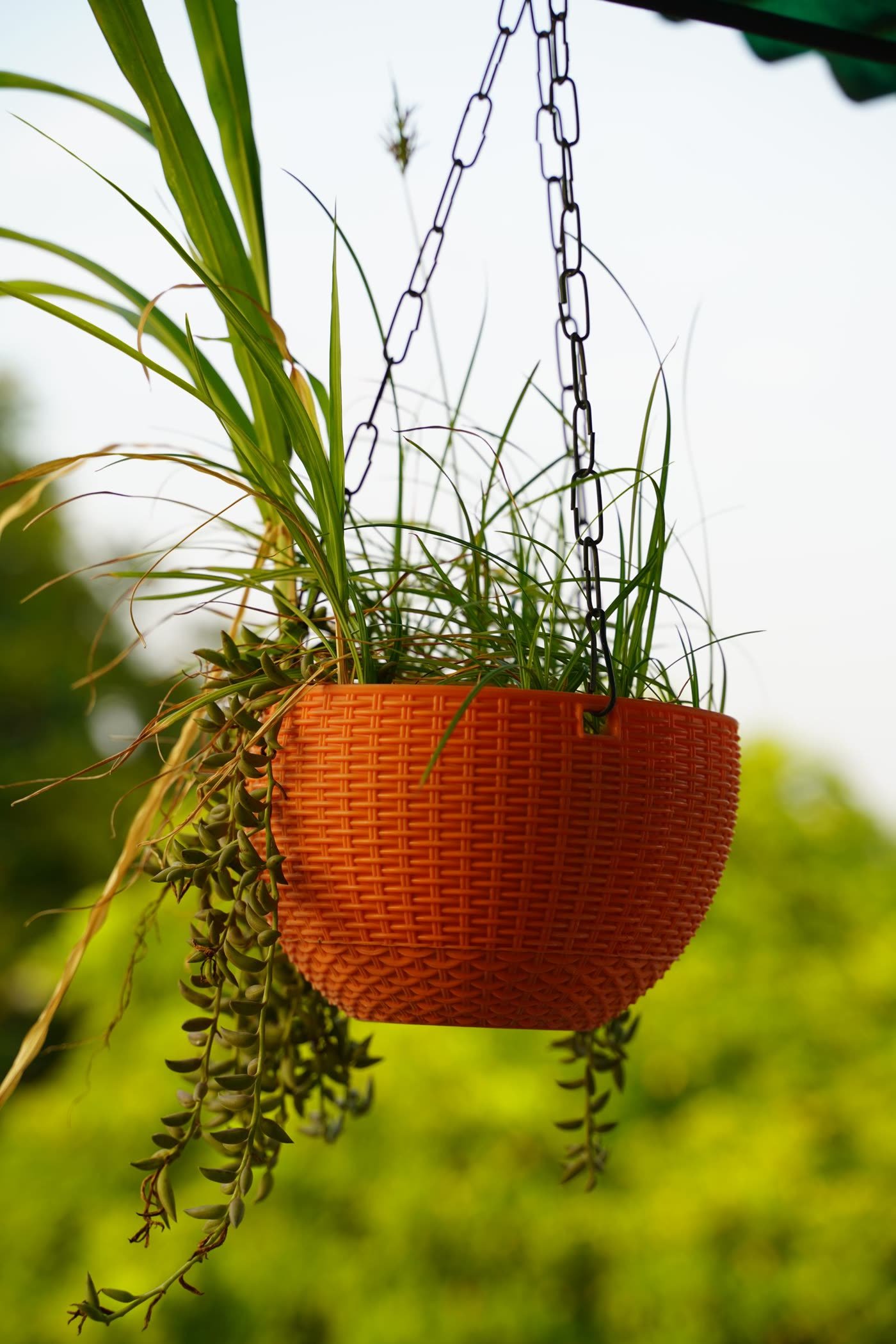
Suspend trailing plants — pothos, string of pearls, Boston ferns — from the corner posts in macramé hangers or simple chain planters. They fill the vertical dead space and add movement when the breeze hits. Use self-watering inserts so you’re not climbing a ladder weekly.
Best for: Small pergolas where floor space is precious.
8. An Outdoor Rug to Ground It

A 8×10 outdoor rug under the pergola’s seating zone defines the “room” and hides tired concrete or deck boards. Layer a smaller patterned rug over a large jute base for the designer look. Make sure it’s rated for full sun or the colors will fade by August.
Best for: Pergolas over ugly or unfinished flooring.
9. Grape Vines for Shade + Snacks

Plant a grape vine at two posts and train it across the top. By year three you get dappled shade all summer and actual fruit in fall. ‘Concord’ and ‘Mars’ are forgiving for beginners. This is the original pergola planting — the Italians figured it out centuries ago.
Best for: The edible-landscape crowd and Mediterranean-style patios.
10. Lantern Clusters at Different Heights

Group lanterns — some hanging from S-hooks on the beams, some on the table, a few on the ground — at three heights. Mixing heights is what makes it look styled instead of scattered. Battery-operated candles with timers mean you set it once and forget it.
Best for: Evening ambiance without any wiring. Browse outdoor lantern decor ideas for more combos.
11. A Fabric Canopy for Rain Protection

Drape a waterproof canvas or outdoor fabric over the top rafters, secured with grommets and bungees. It won’t make the pergola fully waterproof, but it turns a drizzle from a party-ender into a non-event. Remove it in winter where snow loads are a concern.
Best for: Pergolas in rainy climates that need to earn their keep.
12. Paint It a Statement Color

White is safe, but a pergola painted deep forest green, matte black, or warm terracotta becomes the focal point of the whole yard. Dark colors recede visually and make plants pop; use exterior acrylic paint and expect to touch up every three to four years.
Best for: Making a builder-grade pergola look custom.
13. A Swing or Hanging Daybed Underneath

Swap standard seating for a hanging daybed or porch swing suspended from the beams (check your pergola’s load rating first — most handle 300+ lbs per beam with proper hardware). The gentle motion makes the pergola the most fought-over seat in the house.
Best for: Lazy-afternoon people. Our porch swing hanging guide covers the hardware.
14. Seasonal Swaps, Minimal Effort

Keep the bones permanent (lights, curtains, vines) and swap only the accents: pumpkins and plaid throws in fall, evergreen garlands and a wreath on the beam in winter, citrus and bright pillows in summer. Three storage bins, four looks a year.
Best for: Decorators who love a refresh without a renovation.
Pergola Decor Planning Checklist
Before you buy a single string light, walk through this quick plan — it saves the most common pergola-decorating mistakes.
Measure first. Note the distance between posts, the beam height, and the footprint of your furniture. Curtains need the span width plus 50% extra fabric for gathering; string lights need the zigzag distance (roughly 1.5x the straight span). Write the numbers on your phone before you shop.
Decide your shade strategy. A pergola with no cover gives about 40% shade from the rafters alone. If you need real sun protection, decide now whether that’s vines (2–3 year wait), a shade sail under the rafters, or a fabric canopy — each changes what else you hang and where.
Check the load. A pergola beam typically handles a hanging daybed or swing, but add up everything: wet curtains are heavy, and a mature wisteria adds hundreds of pounds. When in doubt, through-bolt into the posts rather than screwing into beam faces, and distribute weight across multiple beams.
Plan power. If you want more than solar, run one outdoor-rated extension or have an electrician add a single GFCI outlet on a post before you decorate around it. Everything — chandeliers, fans, heaters — gets easier with one well-placed outlet. Solar has come a long way, but a real outlet still wins for anything that runs all evening.
Think in layers. The best pergolas have three layers: overhead (lights, vines, or fabric), eye-level (curtains, hanging plants, art), and ground-level (rug, lanterns, planters). If your pergola feels flat, you’re probably missing one of the three. Add the missing layer before buying more of what you already have.
Frequently Asked Questions
How do you decorate a pergola on a budget?
Start with string lights ($25) and one set of outdoor curtains ($40) — that’s 80% of the transformation for under $70. Add a $20 outdoor rug from a discount store and you’re done. Vines and paint are the next tier up.
What is the best vine to grow on a pergola?
For fast coverage: clematis or morning glory (one season). For permanence: climbing roses or American wisteria (two to three years to fill in). For food: grapes. Avoid English ivy — it damages wood and becomes invasive.
Can you hang curtains on a metal pergola?
Yes — use stainless steel wire cable with turnbuckles strung between posts, then hang curtains on outdoor curtain rings. No drilling into the metal needed, and the whole system comes down in minutes for storms.
Do pergolas need to be stained or sealed?
Cedar and redwood can weather naturally to silver-gray, but a penetrating oil stain every two to three years keeps the color rich and extends the wood’s life. Pressure-treated pine should always be sealed. Check with your local extension office for products suited to your climate — the USDA Forest Service wood handbook is the authoritative reference on exterior wood finishes.