

Shade sails are the fastest way to make a blazing patio livable — one afternoon, basic hardware, and suddenly you have a cool outdoor room. They cost a fraction of a pergola, install with hand tools, and look effortlessly modern. Here are ten ways to do it right.
What You’ll Need (The Hardware List)
Before you pick a layout, gather the hardware — buying it all at once saves three hardware-store trips. For a typical single-sail install: the HDPE shade sail itself (order 5% smaller than your measured span), three to four 316 stainless steel turnbuckles, eye bolts or pad eyes rated for the load, and either 4×4 posts with concrete or solid existing anchor points. A cheap laser measure ($25) pays for itself on the first project — shade sail math lives or dies on accurate spans. Add a tube of silicone sealant for any bolts going into the house wall, and spring for the stainless hardware even though it costs double: it’s the difference between a sail that lasts eight years and one that fails in year two when a zinc turnbuckle corrodes through.
1. The Classic Triangle Over the Seating Area
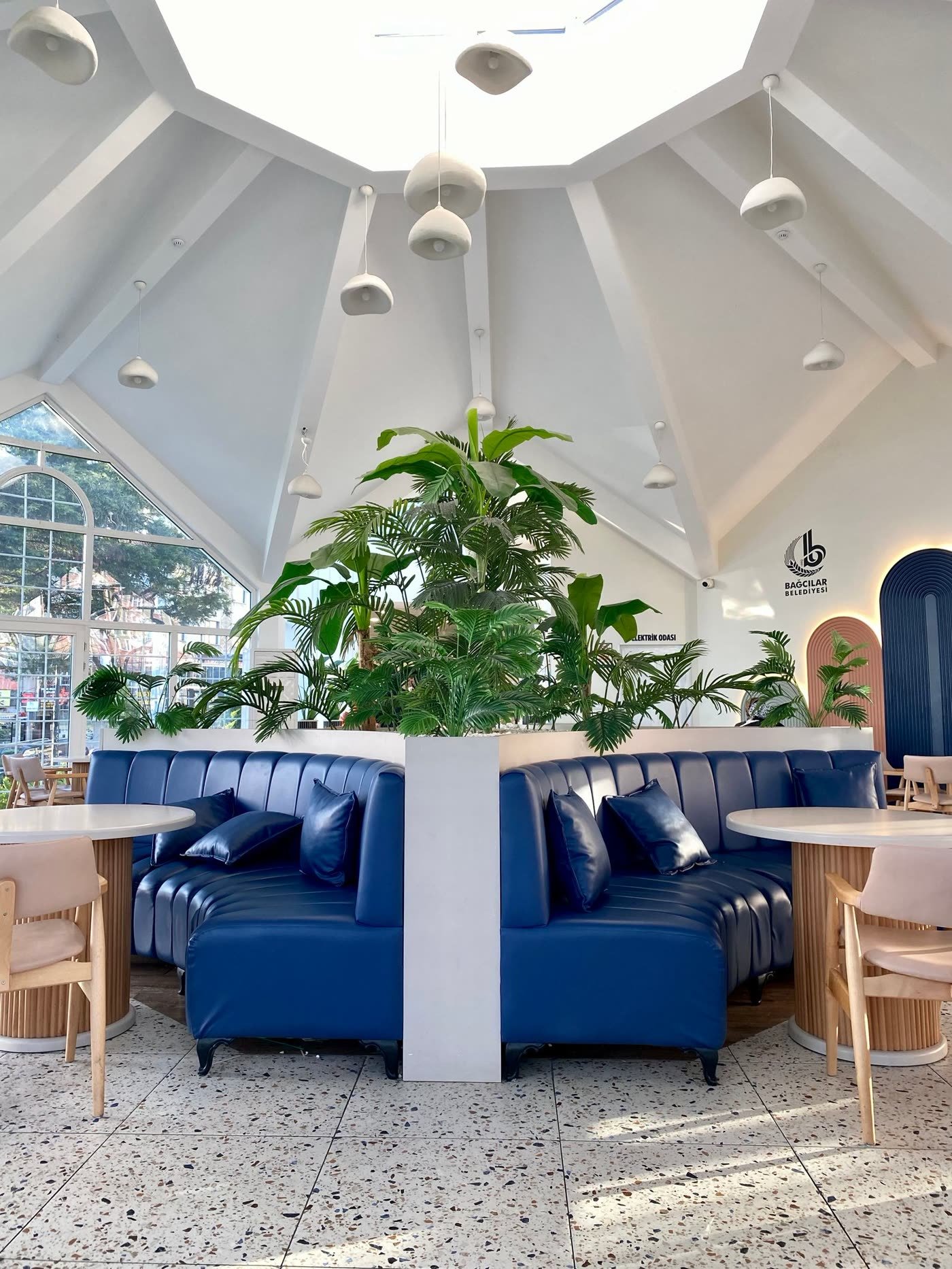
One large triangle sail (12x12x12 ft) anchored to the house on one side and two posts on the other. It’s the simplest layout and covers a standard conversation set perfectly. Angle it with a 20–30 degree slope so rain runs off instead of pooling.
Best for: First-timers — one sail, three anchor points, done by lunch.
2. Layered Rectangles for Big Patios
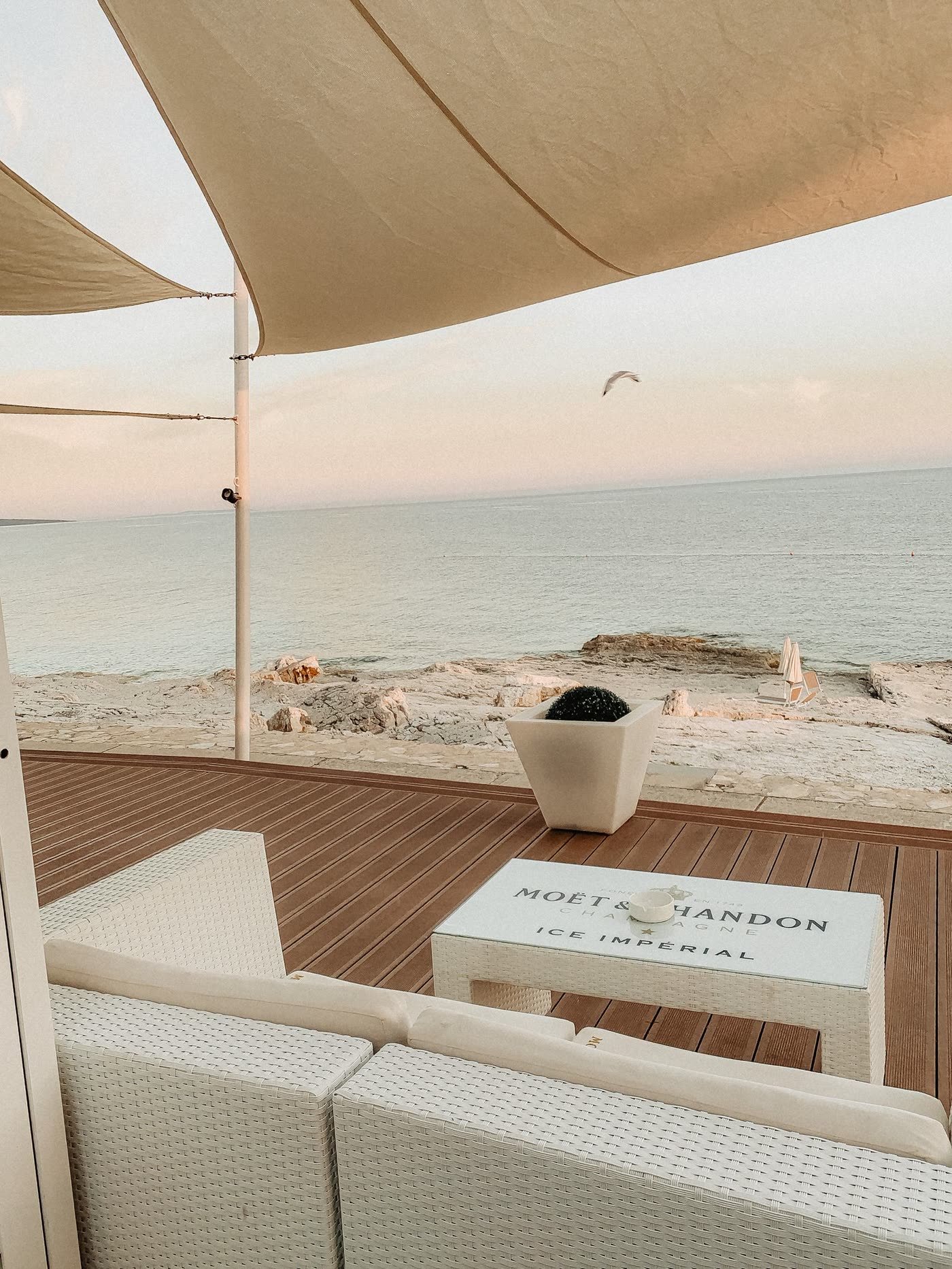
Overlap two rectangular sails at different heights, offset by a foot or two. The layered look is pure architecture-magazine, and the gap between layers vents hot air instead of trapping it. This is how restaurants do it.
Best for: Large patios and anyone who wants the high-design look.
3. House-to-Fence Span (No Posts Needed)
If your patio sits between the house and a sturdy fence, span the sail between them — no posts to dig. Use heavy-duty eye bolts into wall studs on the house side and through-bolted plates on the fence side. Measure twice: the sail should be ordered 5% smaller than the span to allow tensioning.
Best for: Narrow side yards and renters who can’t dig post holes (with landlord permission).
4. Four-Post Pavilion Feel

Set four 4×4 posts in concrete and stretch a square sail (or four triangles meeting at center) across the top. It reads as a permanent pavilion for a tenth of the cost. Cap the posts with solar post lights for a finished look after dark.
Best for: A dedicated dining zone that feels like architecture, not a tarp.
5. The Sail + String Light Combo
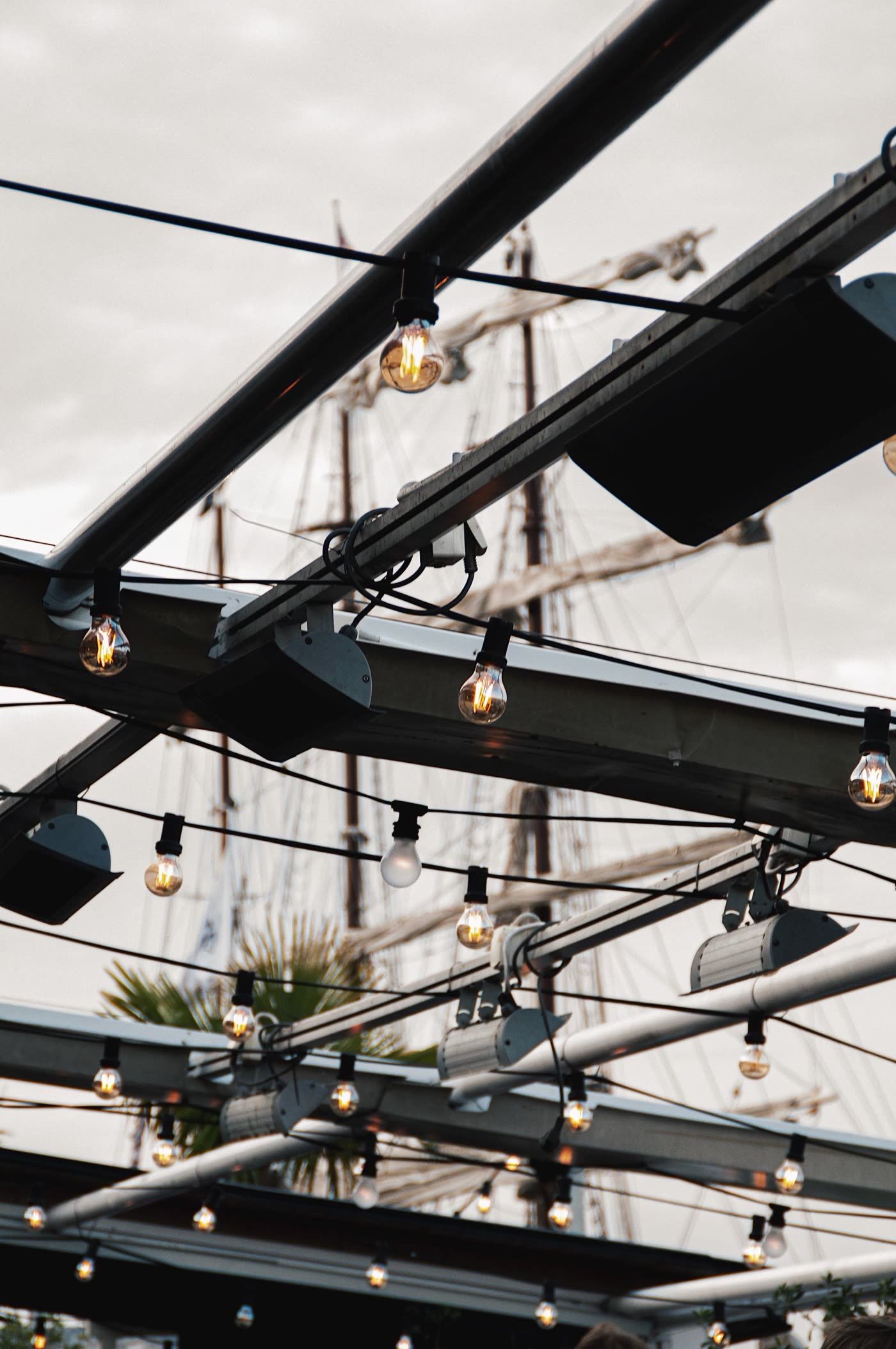
Hang string lights in loose swags under the shade sail. During the day the sail filters the sun; at night the lights turn it into a glowing canopy. This single combo handles both of a patio’s jobs — daytime comfort, nighttime magic. Our backyard movie night ideas pair perfectly with this setup.
Best for: Patios that need to work day and night.
6. Angled “Butterfly” Pair

Mount two triangle sails with their high points on opposite sides, creating a butterfly or hyperbolic shape. It’s the most wind-stable configuration and looks incredible from the street. Keep the twist in the fabric — that’s what gives it strength.
Best for: Windy yards where flat sails flap and stress their anchors.
7. Sail Over the Kiddie Pool Zone
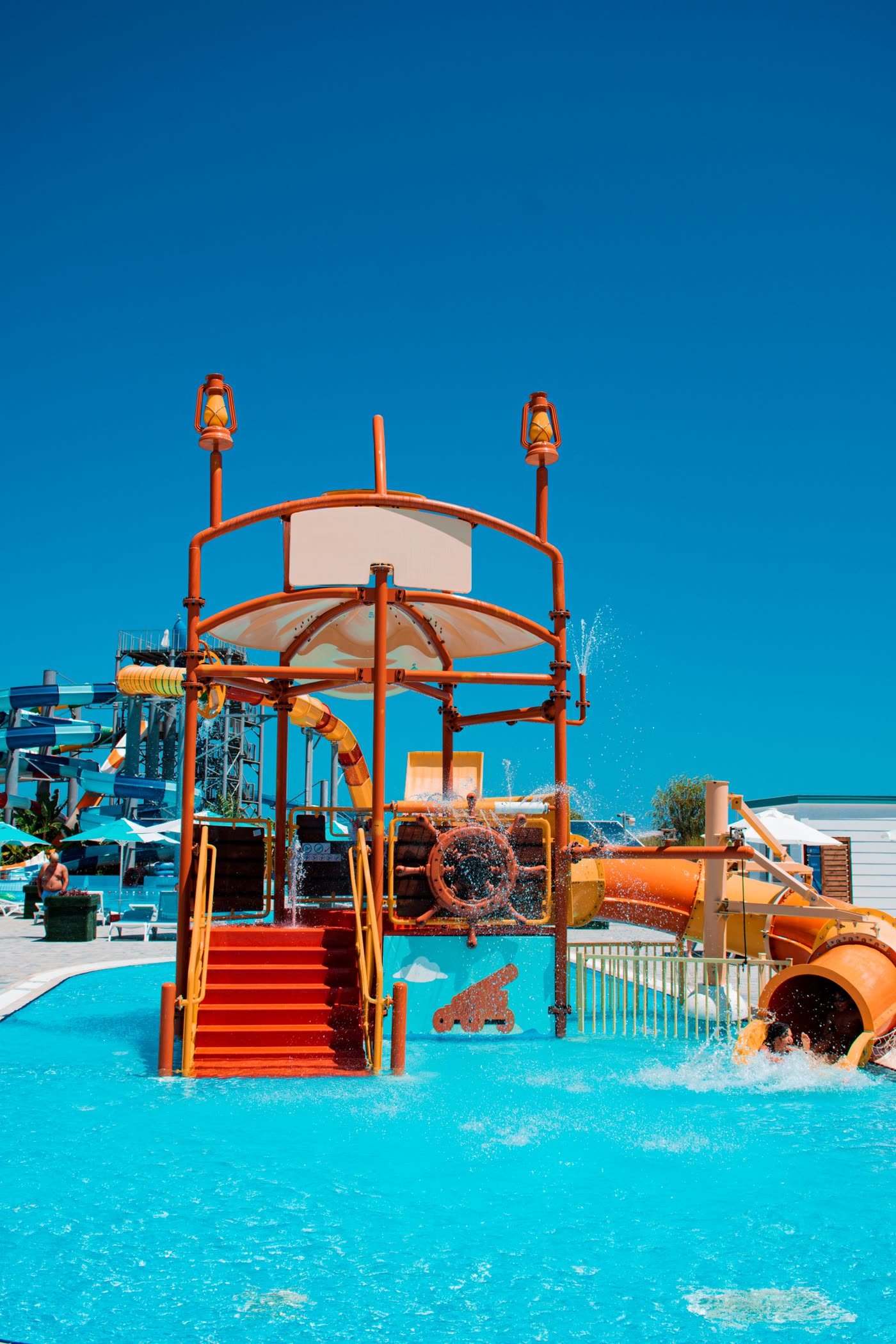
A small 10-foot triangle over the splash pad, kiddie pool, or sandbox keeps kids out of direct sun without building anything permanent. Use sand-colored fabric so it doesn’t turn the play area into a cave. Take it down in winter to extend its life.
Best for: Parents who need shade exactly where the kids are.
8. Retractable Sail on a Track
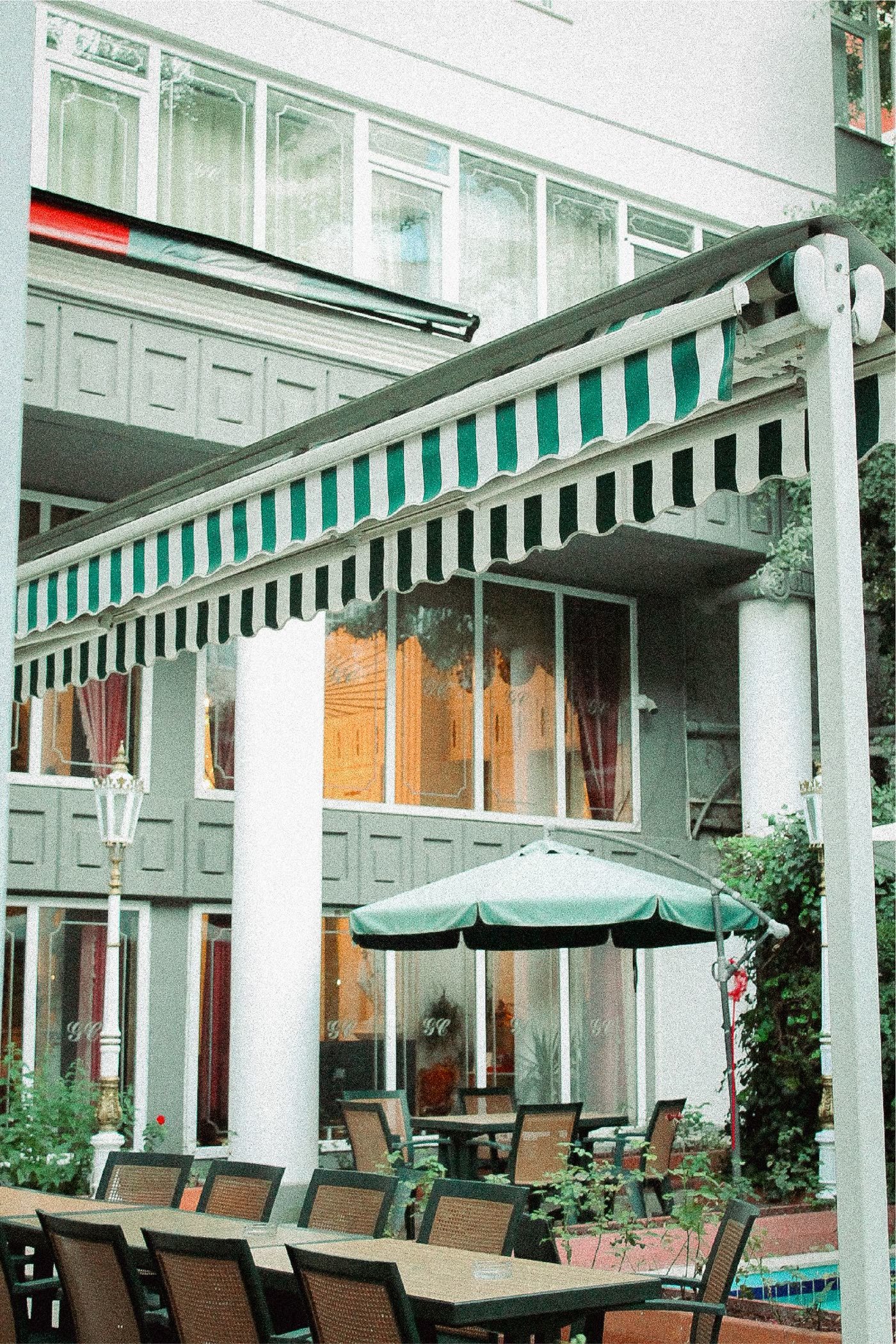
Mount the sail’s leading edge on a curtain track or wire so you can slide it open and closed like a curtain. Full sun for morning coffee, full shade for afternoon heat. Marine-supply stores sell the stainless track hardware cheaply.
Best for: People who want sun sometimes — morning people, container gardeners.
9. Sail as a Privacy Screen
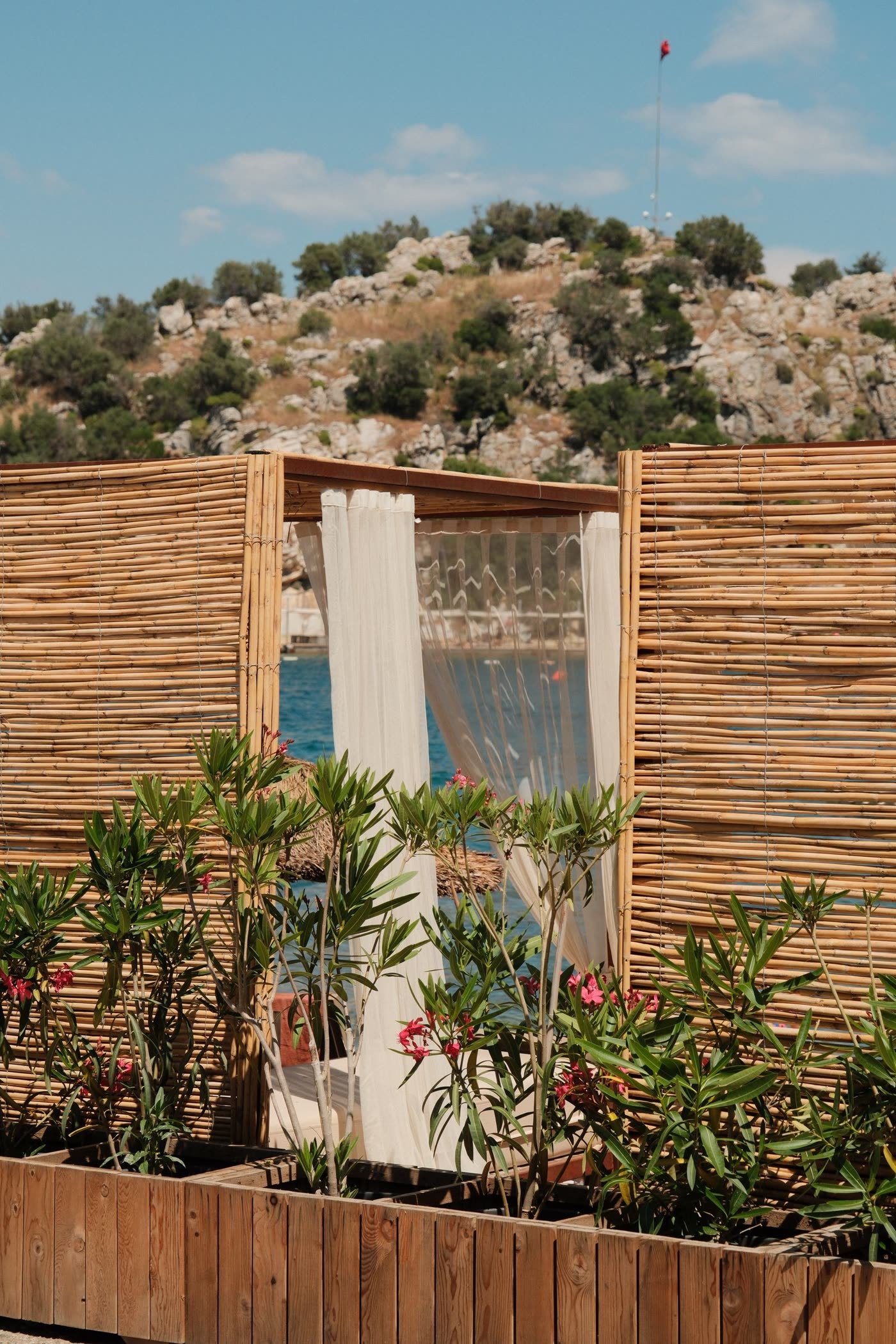
Hang a sail vertically — or at a steep 60-degree angle — along the neighbor-facing side of the patio. It blocks sightlines and late-day sun in one move. A 6×10 ft rectangle on two posts does the job for most fences that are a foot too short.
Best for: Overlooked patios. Combine with our backyard privacy ideas without a fence for a full screen.
10. The Budget Tarp-Sail Hybrid
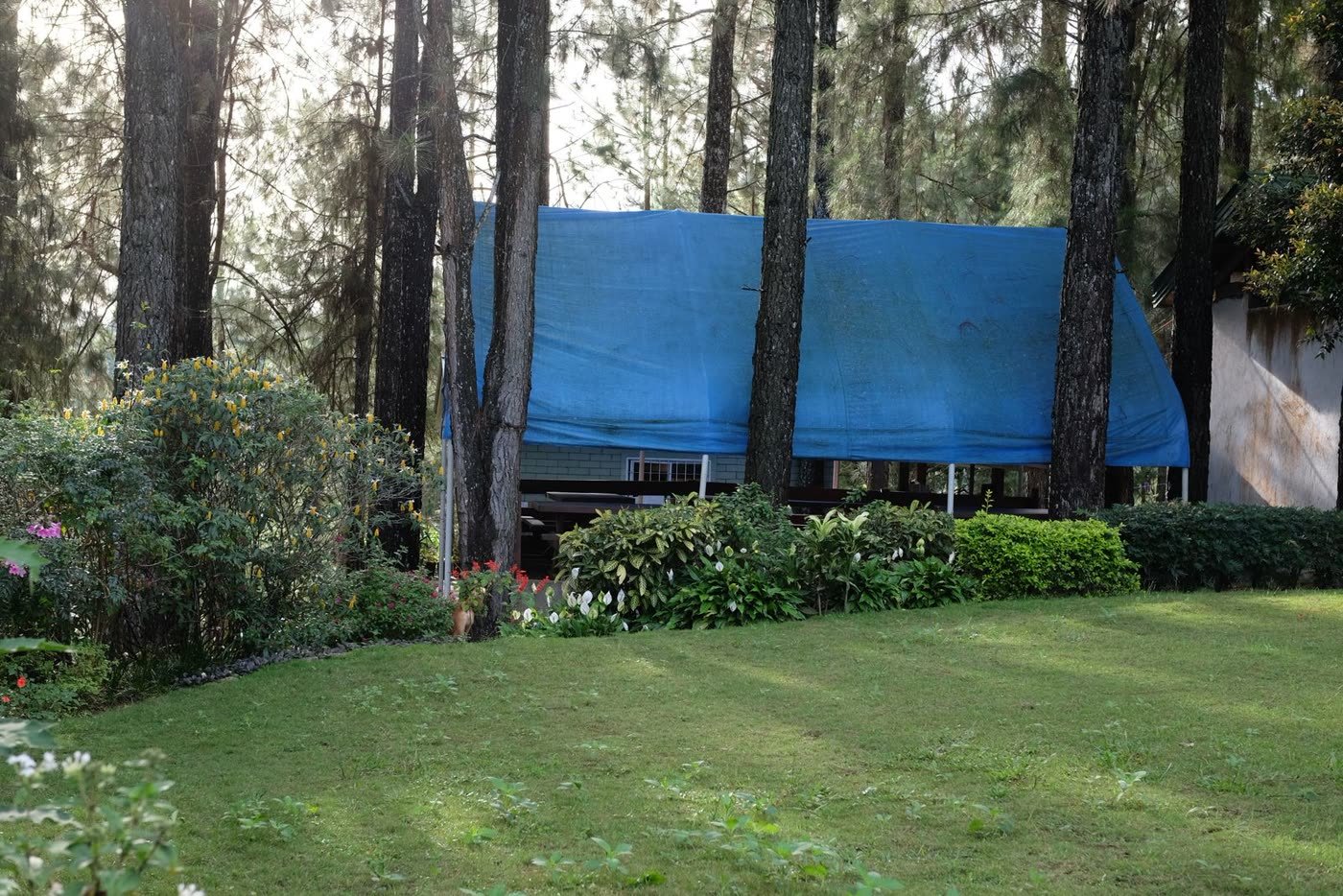
Not ready to commit? A heavy-duty mesh tarp with grommets, hung with bungees from existing structures, prototypes the whole idea for under $30. Live with it for a month to learn where shade actually falls, then invest in a real HDPE sail cut to the right size.
Best for: Testing placement before spending real money.
11. Sail Over the Outdoor Dining Table (Not the Whole Patio)
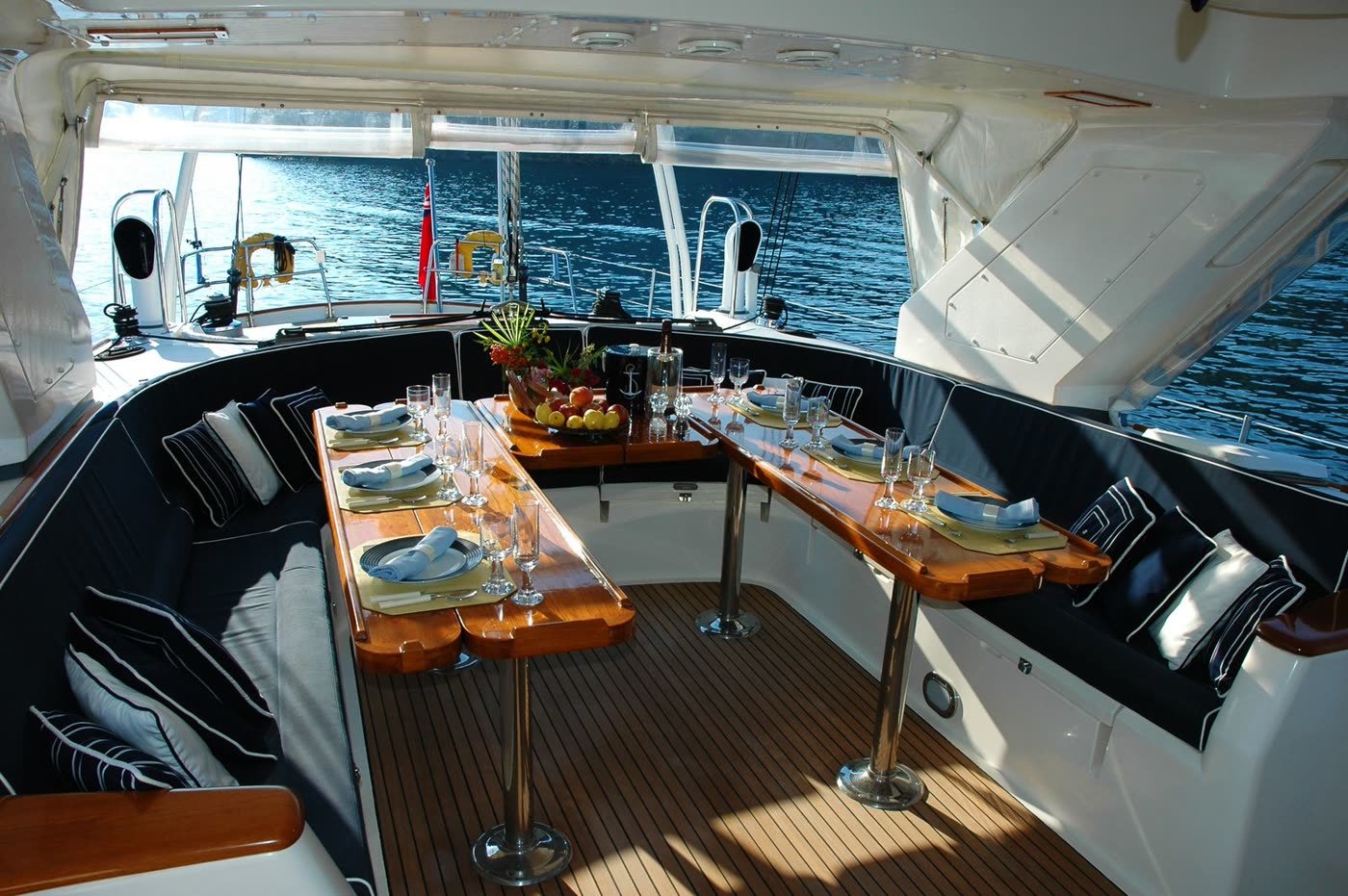
Instead of shading the entire patio, center one rectangular sail directly over the dining table. It creates an intimate “room” feeling, uses a smaller (cheaper) sail, and leaves the rest of the patio sunny for loungers and plants. Align the sail’s edges with the table, not the patio — the eye reads the dining zone as its own space.
Best for: Patios that need both sun and shade zones.
12. Corner-Mount for L-Shaped Patios
L-shaped patios are tricky — one big sail wastes fabric on the corner nobody uses. Instead, mount two smaller triangles, one per leg of the L, each anchored to the house corner and two outer points. You get full coverage with less fabric and a more interesting silhouette. Measure each leg separately; the corner post does double duty for both sails.
Best for: L-shaped and irregular patios. If movie nights are your thing, this layout pairs beautifully with our backyard movie night on a budget setup.
Frequently Asked Questions
How much does a DIY shade sail cost?
A quality HDPE triangle sail (12 ft) runs $40–$80; hardware (turnbuckles, eye bolts, rope) another $30–$50. Posts add $15–$25 each plus concrete. Most single-sail projects land between $80 and $200 total.
Will a shade sail survive strong wind?
A properly tensioned sail with a 20–30 degree slope handles normal storms, but take it down before hurricanes or severe wind events — the fabric acts like, well, a sail. Always use marine-grade 316 stainless hardware; cheap zinc hardware is the #1 failure point.
What size shade sail do I need?
Measure your seating area and add 2 feet on every side — shade moves as the sun moves, so oversizing slightly keeps you covered all afternoon. Order the sail about 5% smaller than your anchor span; the turnbuckles take up the slack.
How do you clean a shade sail?
Hose it down in place twice a season, or take it down and scrub with mild soap and a soft brush. Never machine-wash or use bleach — both destroy the UV coating. The Shade Sail industry guidance from the Industrial Fabrics Association recommends inspecting stitching and hardware every spring before re-hanging.