A walkway does more than connect point A to point B — it shapes how your whole backyard feels. These 14 ideas range from $50 weekend projects to statement paths worth the investment.
Stone & Paver Paths
1. Classic Stepping Stones
Best for: casual garden paths on a budget.
Large flat stones set directly into grass or mulch, spaced for a natural stride. Dig each stone in so it sits flush — no tripping, easy mowing over.
2. Flagstone Walkway
Best for: a timeless, high-end look.
Irregular flagstones fitted together like a puzzle, with gravel or ground cover filling the gaps. More work than stepping stones, but the result looks professionally landscaped.



3. Brick Herringbone Path
Best for: traditional and cottage-style homes.
Reclaimed or new bricks laid in herringbone pattern over a sand base. The pattern adds visual interest that plain straight-laid brick can’t match.
4. Concrete Paver Walkway
Best for: clean, modern lines.
Uniform concrete pavers in a running bond pattern. Pair with our paver patio ideas for a coordinated hardscape.
Natural & Budget Paths
5. Gravel Path with Edging
Best for: the cheapest attractive path.
Landscape fabric + 3 inches of pea gravel + metal or stone edging to contain it. Under $100 for a typical side-yard path. The crunch underfoot is charming.
6. Mulch Woodland Path
Best for: shady, naturalistic yards.
Thick bark mulch over cardboard (sheet mulching kills the grass underneath). Feels like a forest trail. Refresh the mulch yearly.
7. Wood Slice Stepping Path
Best for: rustic charm.
Cross-cut log rounds (4–6 inches thick) set into gravel. Seal the tops to slow rotting. Looks incredible winding through a garden bed.
8. Decomposed Granite
Best for: a smooth, ADA-friendly natural surface.
Compacted DG creates a firm, natural-looking path that’s wheelchair and stroller friendly. Needs a stabilizer additive to prevent washout on slopes.
Lighting the Way
9. Solar Path Lights
Best for: instant nighttime magic, zero wiring.
Stake-style solar lights every 6–8 feet along the path. Modern ones actually stay lit all night now — look for 10+ lumen models with larger solar panels.
10. In-Ground Well Lights
Best for: a premium look.
Low-voltage LED well lights set flush into the ground beside the path. Requires a transformer and some wiring, but the effect is stunning — light washing up onto plants.
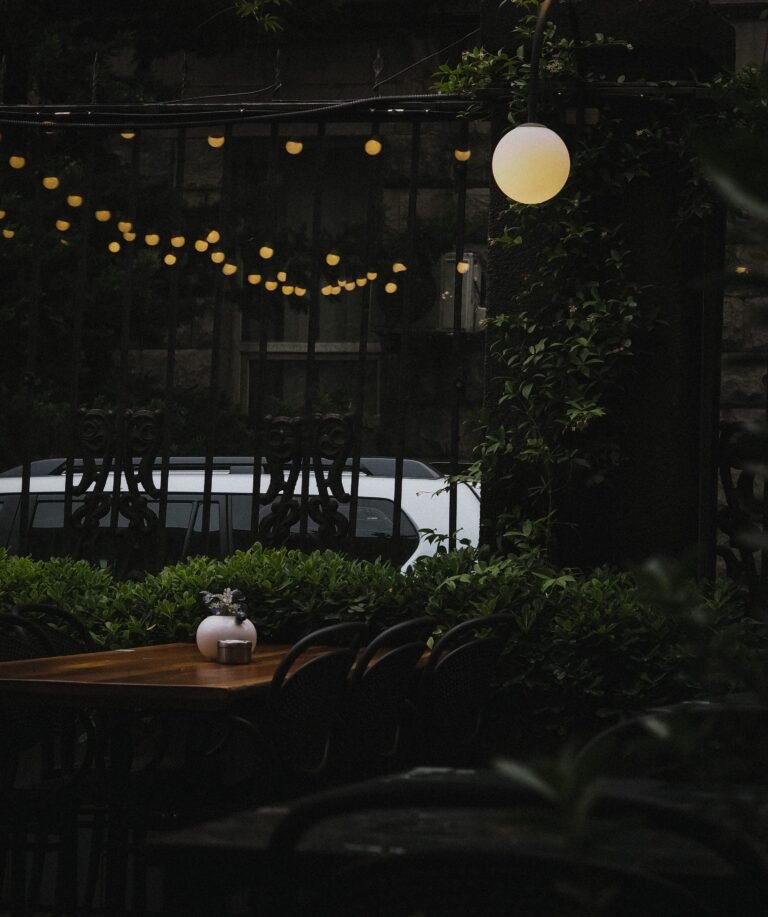
11. String Lights Along a Fence
Best for: paths that run alongside fencing.
Drape string lights along the fence bordering your walkway. It lights the path and creates a glowing corridor effect.
Edging & Details
12. Steel Landscape Edging
Best for: crisp lines that last.
Powder-coated steel edging keeps gravel in and grass out with an invisible profile. Worth the splurge over plastic edging that heaves every winter.
13. Ground Cover Between Stones
Best for: softening hardscape.
Plant creeping thyme, Irish moss, or dwarf mondo grass between stepping stones. It fills gaps beautifully and smells amazing underfoot (thyme).
14. Curved vs. Straight: Choose on Purpose
Best for: the design decision most people skip.
Curved paths feel relaxed and garden-like; straight paths feel formal and modern. Match the path’s geometry to your home’s style — and make curves generous, not wiggly.
Walkways for Tricky Situations
Sloped Yards
Best for: hillsides where paths wash out.
Use switchback curves instead of a straight downhill run, and add 4-inch timber or stone steps every few feet. Decomposed granite with stabilizer holds up better than loose gravel on slopes.
Narrow Side Yards
Best for: the forgotten strip between house and fence.
A simple 24-inch stepping stone path is all you need — it turns a muddy rut into intentional design. Add a few shade-tolerant plants along one side and it becomes a garden feature.
Wet or Low Spots
Best for: yards with drainage issues.
A raised boardwalk-style path (pressure-treated 2x6s on sleepers) keeps feet dry and looks fantastic. It also avoids the excavation that would make drainage worse.
Walkway Cost Comparison
| Material | Cost per sq ft | DIY difficulty | Lifespan |
|---|---|---|---|
| Mulch path | $1–$2 | Easy | 1–2 years (refresh) |
| Gravel + edging | $2–$4 | Easy | 10+ years |
| Stepping stones | $4–$8 | Easy | 20+ years |
| Concrete pavers | $6–$12 | Moderate | 25+ years |
| Flagstone | $10–$18 | Moderate–Hard | 30+ years |
| Brick | $8–$15 | Moderate | 30+ years |
| Decomposed granite | $3–$6 | Moderate | 8–12 years |
DIY Installation Tips (Any Material)
- Call 811 before you dig. It’s free, it’s the law in most states, and hitting a utility line ruins your weekend fast.
- Excavate 4–6 inches for the base on paver/stone paths. Skipping the base is why DIY paths get wavy within two years.
- Compact in layers. Add base gravel 2 inches at a time, compacting each layer. A hand tamper ($30) works for small paths.
- Slope for drainage. A 1–2% slope away from the house (about 1/4 inch per foot) prevents puddling.
- Sand the joints, then water. For paver and stone paths, sweep polymeric sand into joints and mist lightly — it hardens and locks everything in place while blocking weeds.
For more budget hardscaping, see our patio ideas for small yards on tight budgets.
Connecting Walkway to Patio: Design Tips
A walkway shouldn’t look like an afterthought next to your patio. Tie them together:
- Repeat one material. If your patio is flagstone, use flagstone stepping stones for the path — even in a simpler pattern. The material echo makes the whole yard feel designed.
- Match the edging. Same metal edging on path and patio beds creates visual continuity for almost no extra cost.
- Mind the threshold. Where the walkway meets the patio, make the transition flush and wide — at least as wide as the path. A pinch point at the junction feels awkward and trips guests.
- Light the junction. The meeting point of path and patio is the most important spot for a light fixture. It orients guests arriving after dark.
FAQ
What’s the cheapest backyard walkway?
A mulch or gravel path — typically $1–$3 per square foot in materials. Stepping stones from a home center run $3–$8 per stone.
How wide should a garden path be?
36 inches minimum for comfortable single-file walking; 48 inches if two people walk side by side. Main paths to the house should be 48+ inches.
Do I need landscape fabric under a walkway?
Yes for gravel and mulch paths — it suppresses weeds while letting water through. Skip it under mortared stone; use a proper compacted base instead.
How do I keep a gravel path from spreading?
Edging is non-negotiable — steel, stone, or pressure-treated timber. Without edging, gravel migrates into the lawn within a season.
External reference: This Old House’s walkway guides cover base preparation standards.