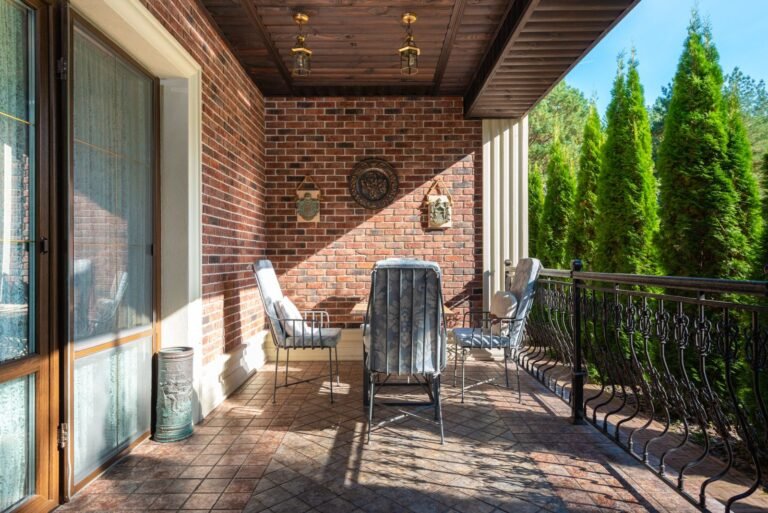
Low, wide planters disappear against a house. Tall planters command the space — they frame doorways, carve out privacy, and give a flat patio the vertical layer it’s missing. Here’s how to use height like a designer.
1. The Privacy Screen Row
Line up three to five tall rectangular planters (at least 30 inches high) along the exposed edge of your patio and plant them with dense bamboo, arborvitae, or tall grasses. In one afternoon you get a living wall that blocks sightlines without a single fence post.
Best for: Patios overlooked by neighbors or a second-story window.



2. Fluted Fiber-Clay Columns
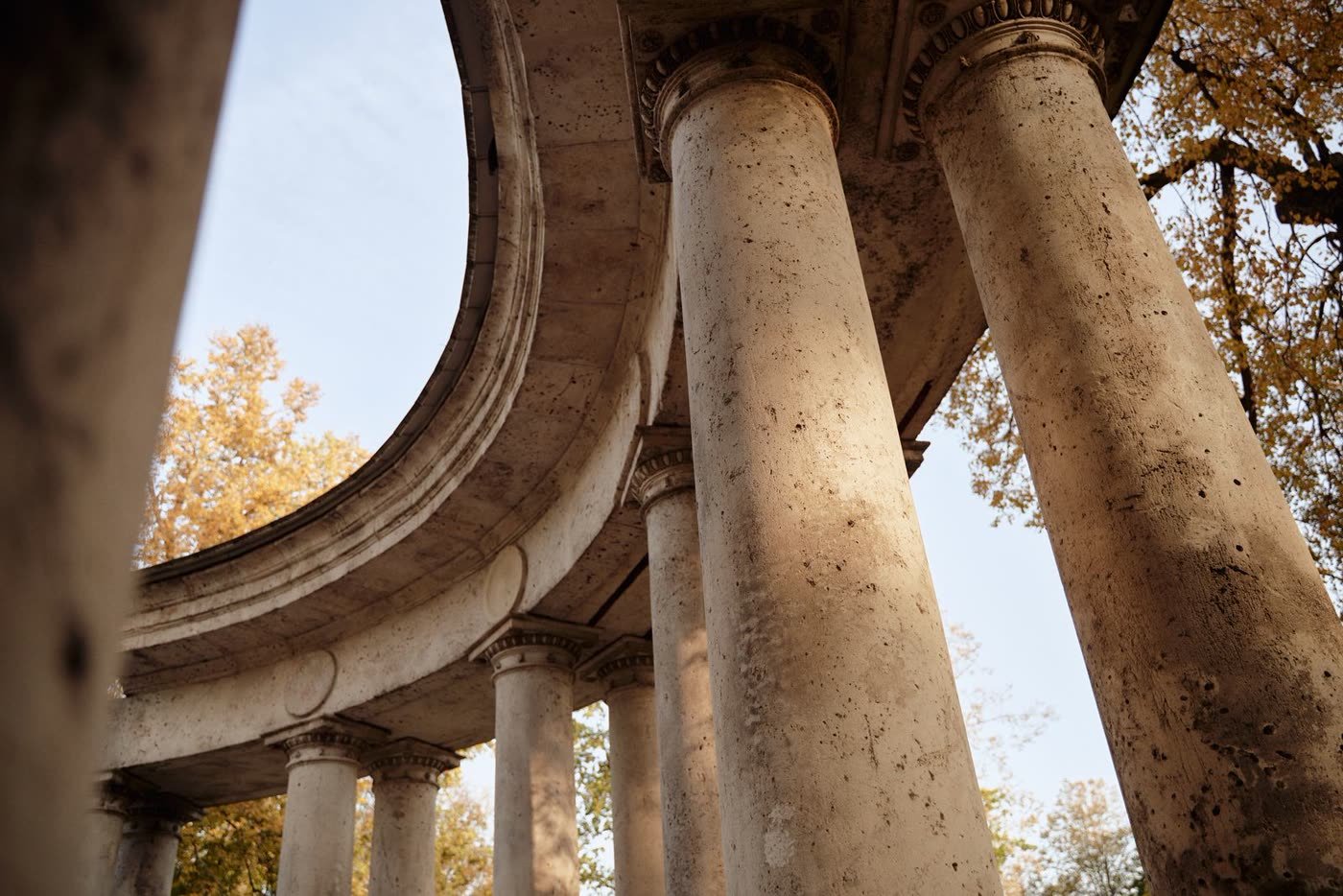
Tall, fluted planters in fiber-clay look like cast stone at a third of the weight — critical, because a 36-inch planter full of wet soil can top 200 pounds. Fiber-clay gives you the grand look without the hernia.
Best for: Formal entries and anyone who wants the estate look on a townhouse budget.
3. Doorway Framing Pair
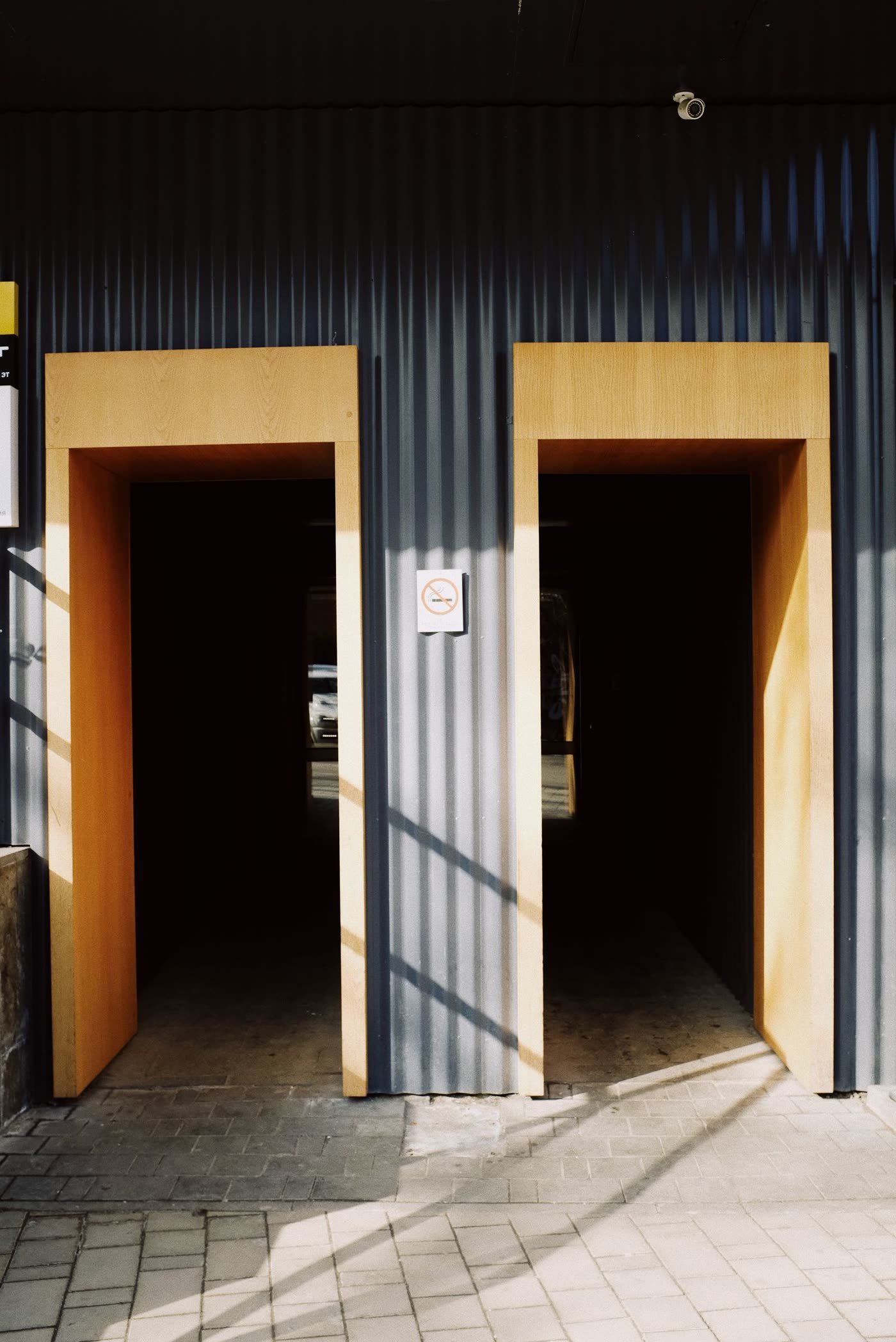
Place one tall tapered planter on each side of a patio door, French doors, or garden gate. The vertical lines pull the eye up, making standard 80-inch doors feel grander and the whole facade more symmetrical.
Best for: Instant architecture — the cheapest way to make an entry look designed.
4. Single Architectural Specimen
One tall, narrow planter with one sculptural plant: a spiral juniper, a snake plant cluster, or a ponytail palm. Negative space is the design move here — restraint reads as confidence.
Best for: Modern and minimalist patios where less is the whole point.
5. Tall Planters as Room Dividers
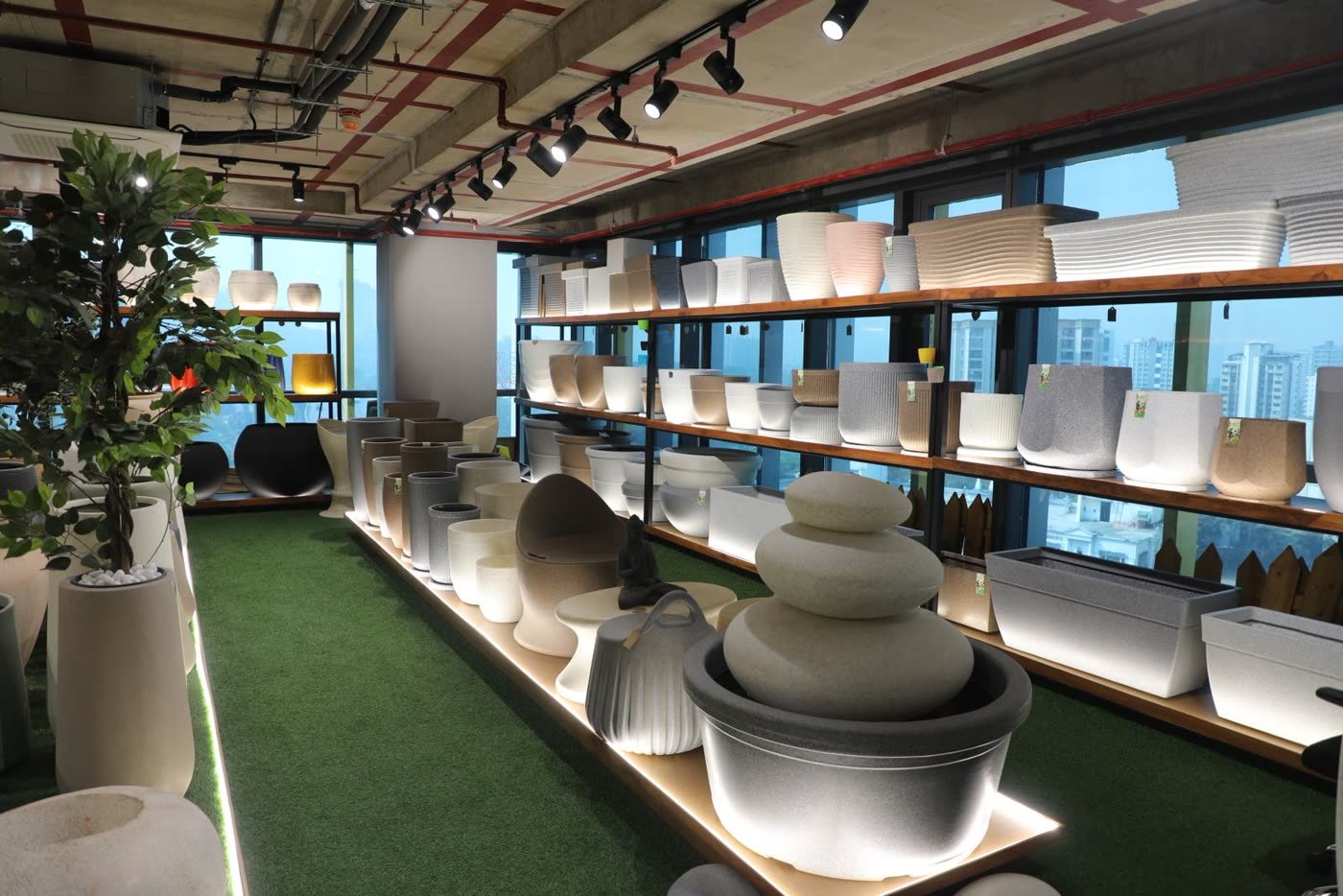
On a large patio, use a pair of tall planters to split “rooms” — dining on one side, lounging on the other. It’s the outdoor equivalent of a bookshelf divider, and it works without blocking light or breeze the way a wall would.
Best for: Big patios that feel like one undifferentiated slab.
6. Corner Anchors
Empty patio corners look unfinished. A tall planter in each back corner grounds the space and gives string lights or wall art something to relate to. Fill with something full — canna lilies, elephant ears, or a small tree-form hydrangea.
Best for: L-shaped patios and any layout with dead corners.
7. Tiered Tall-and-Short Grouping
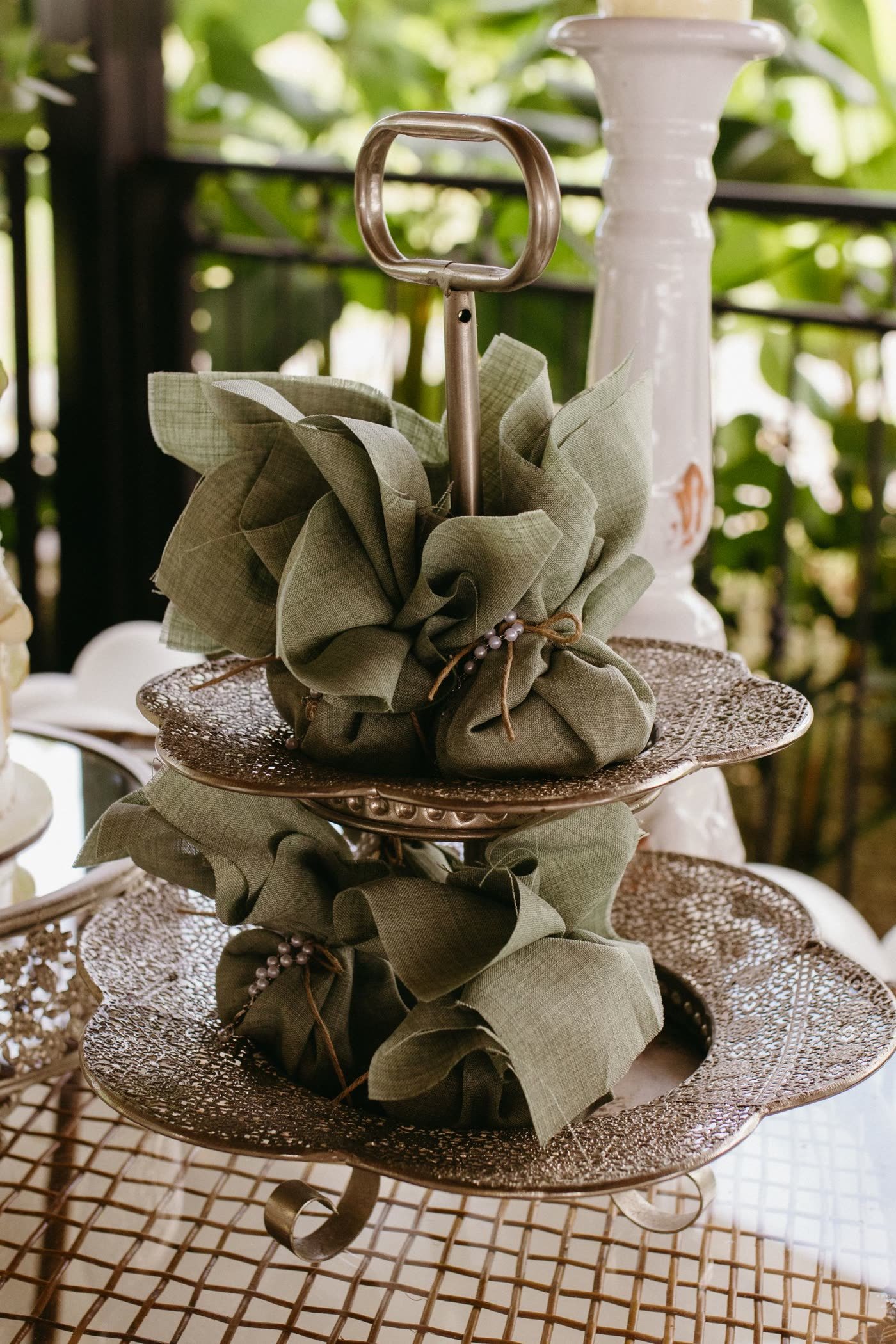
Cluster one tall planter with two shorter ones in front of it, all in the same material. The staircase of heights looks intentional and lets you mix a statement plant up top with color and trailing plants below.
Best for: Filling wide blank walls without buying one enormous (and enormously expensive) planter.
8. Tall Metal Planters for Modern Edge
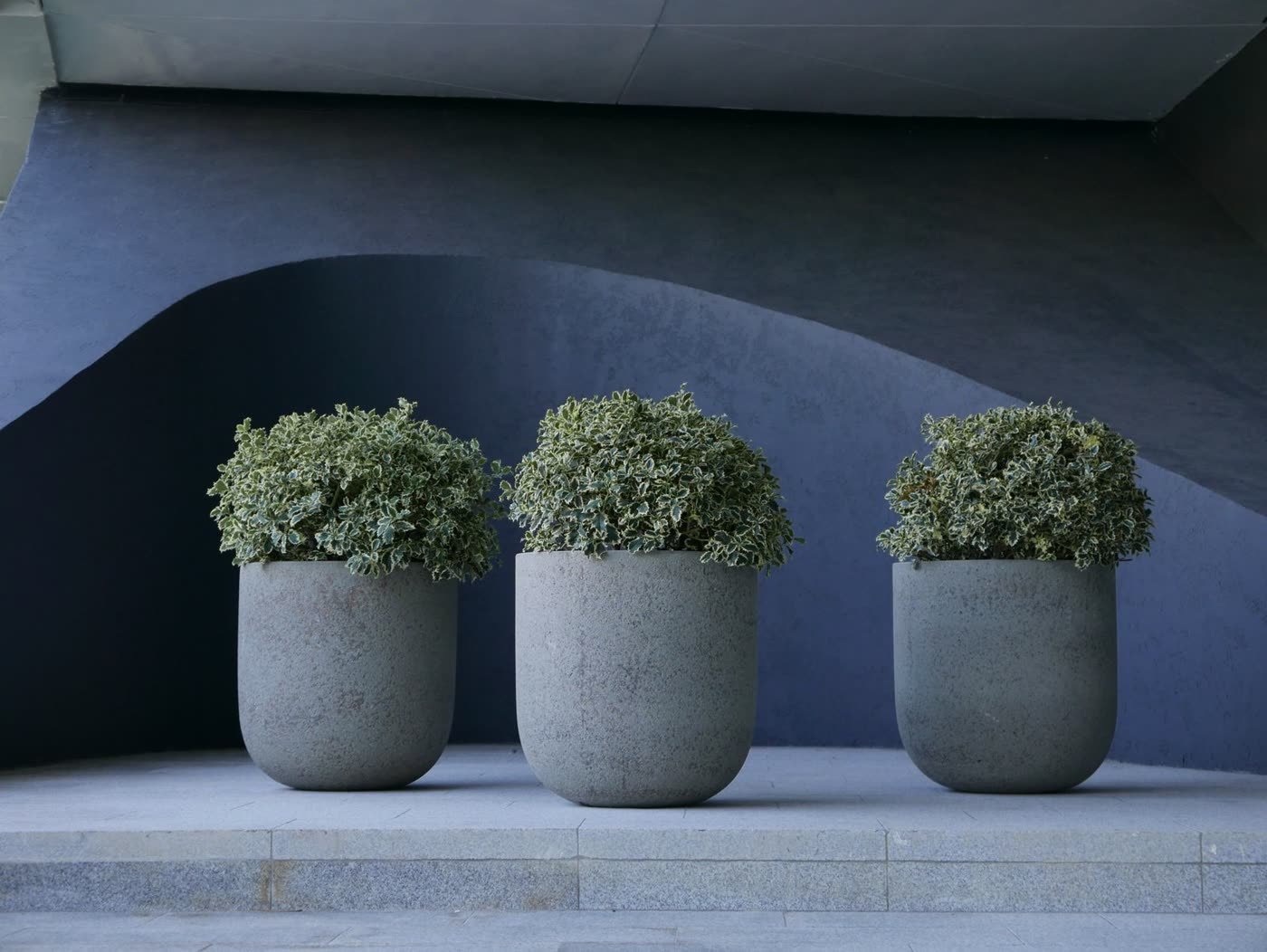
Corten steel or matte-black metal tall planters suit contemporary homes perfectly. Metal heats up in sun, so use a plastic liner pot inside and choose heat-tolerant plants — agaves, yucca, and ornamental grasses don’t mind.
Best for: Modern architecture and hot, sunny exposures.
9. Espaliered Tree in a Tall Pot
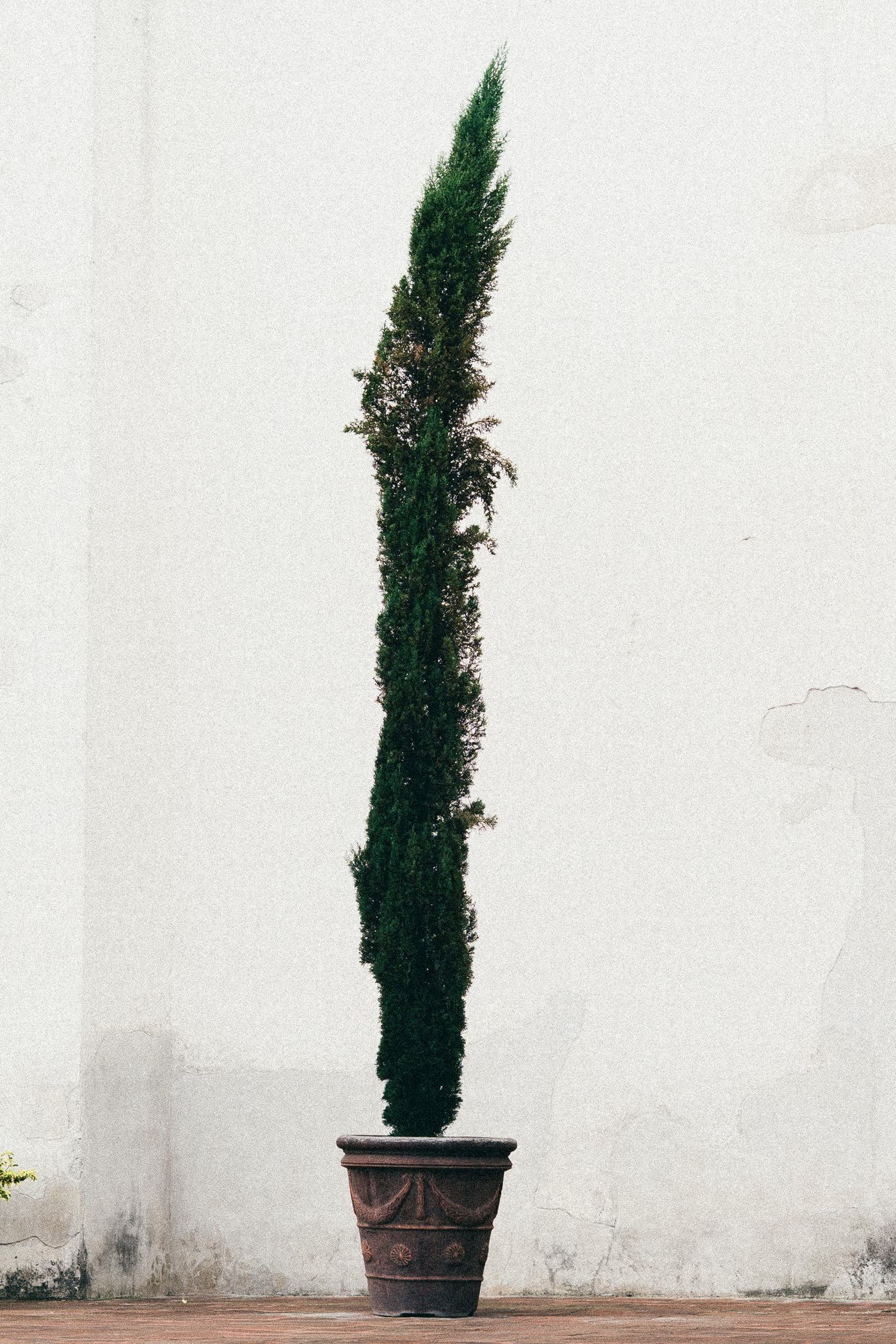
Train a small fruit tree (fig, citrus, or apple) flat against a trellis in a tall planter. You get height, structure, and actual fruit — plus it’s a conversation piece no neighbor has.
Best for: Sunny patios and gardeners who want their decor to produce.
10. Tall Planters Beside the Grill Station
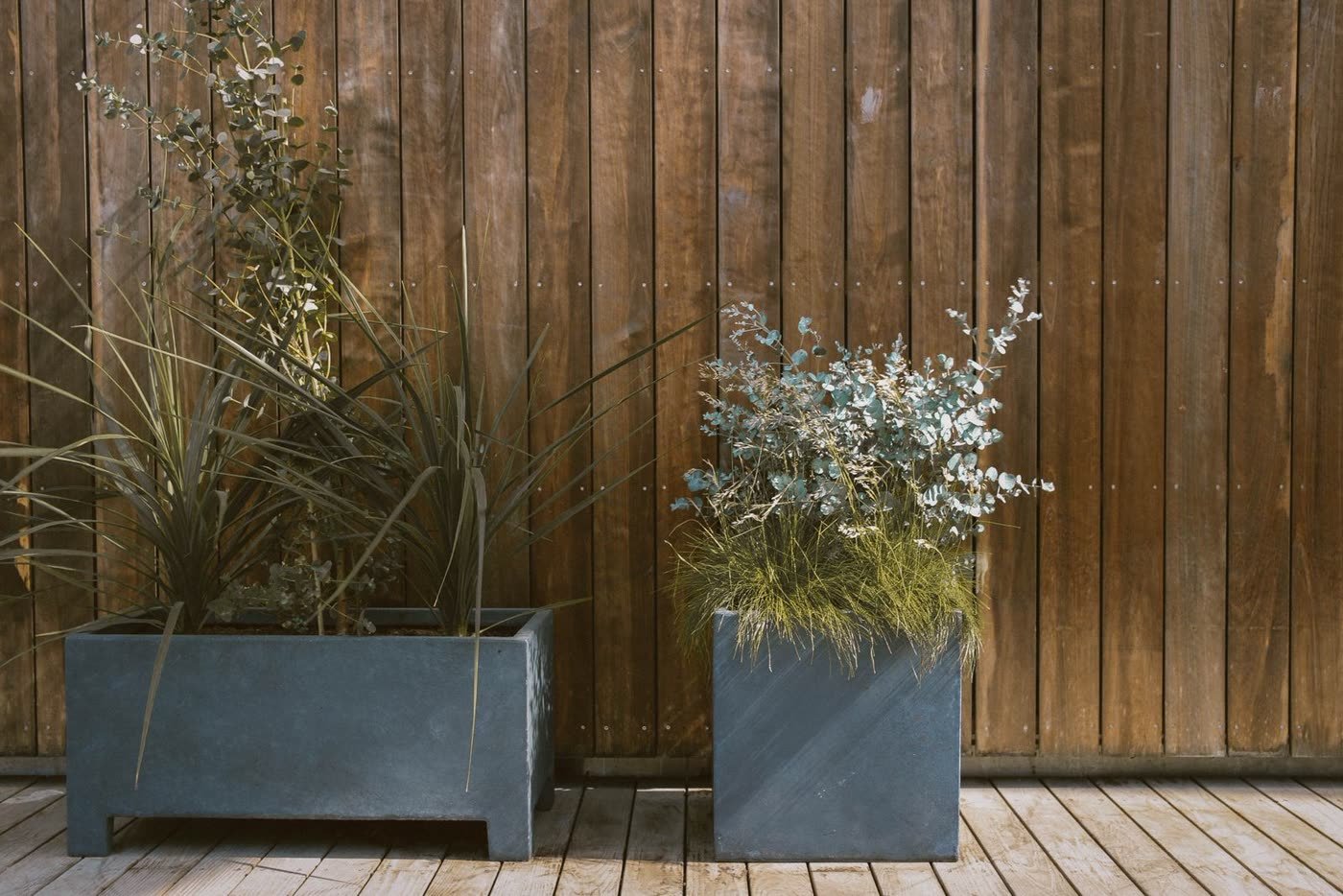
Flank an outdoor cooking area with tall planters of herbs — rosemary standards, bay laurel, trailing thyme. They’re beautiful, they’re at arm’s reach while you cook, and rosemary smoke from the grill smells incredible.
Best for: Outdoor kitchens; see our outdoor cooking station ideas for the full setup.
11. Winter Structure: Skip the Flowers
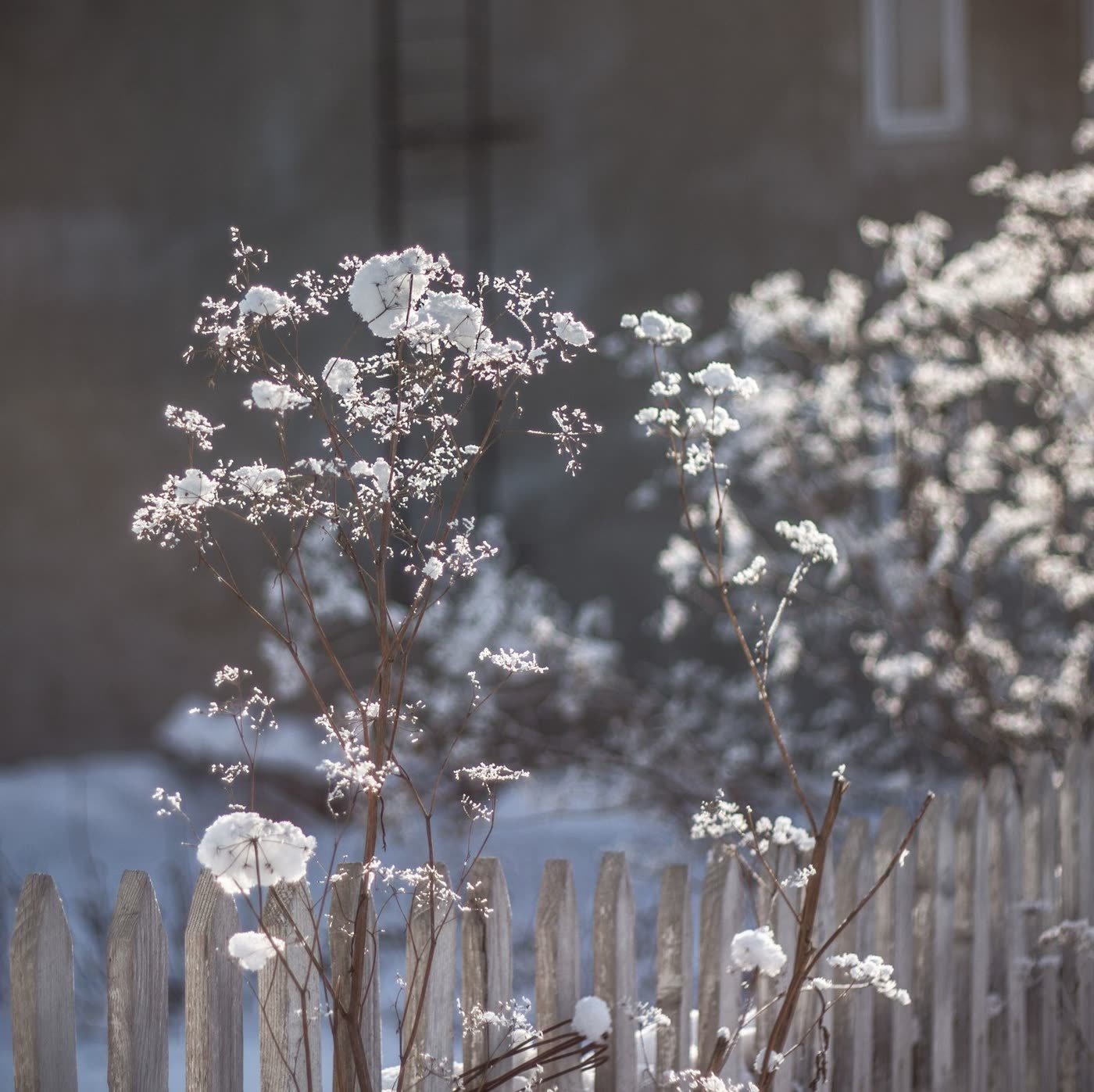
In cold months, fill tall planters with red-twig dogwood, curly willow branches, and evergreen boughs wired into floral foam. Height matters most in winter when everything else is flat and gray — your planters become the landscape.
Best for: Zones 6 and below, where planters sit empty-looking for four months otherwise.
12. Light Them From Within
Weave a short string of warm fairy lights through the branches of whatever’s planted in your tall containers. At night the planters become lanterns, and the whole patio glows — for about $8 per planter.
Best for: Evening entertaining and anyone whose patio is used after dark.
Best Plants for Tall Planters by Exposure
Full sun (6+ hours): Canna lilies, purple fountain grass, agave, lantana standards, dwarf olive trees. These thrive on heat and need the least fuss.
Part shade (3–6 hours): Hydrangea standards, ferns in tall urns, heuchera mounded at the base of a small tree, camellias in zones 7+.
Full shade: Japanese forest grass spilling from a tall pedestal urn, hostas layered at two heights, aucuba (gold-dust plant) for year-round color where nothing blooms.
One rule across all three: put the thirstiest plants in the smallest tall planters, because small volumes dry fastest. And always check cold hardiness — a plant rated exactly to your zone will struggle in an exposed tall pot; go one zone hardier.
Choosing and Placing Tall Planters
- Stability first. Tall planters are top-heavy. Put heavy gravel or a brick in the bottom third before soil, and in windy spots, choose tapered designs (wider at the base).
- Mind the weight. A 30-inch planter holds roughly 15–20 gallons of soil — that’s 100+ pounds wet. If it’s going on a deck or balcony, check your structure’s load capacity and consider lightweight soil mixes with perlite.
- Match plant to zone. Tall planters expose roots to more temperature swing than in-ground planting. Choose plants rated at least one zone hardier than yours — verify at https://planthardiness.ars.usda.gov/
- Water deeply, less often. Tall containers dry from the top down; stick a finger 3 inches deep before watering. In summer heat, a 30-inch planter in full sun may need water daily — mulch the surface with 2 inches of bark to buy yourself an extra day between waterings.
- Refresh the top soil yearly. Scoop out the top 3–4 inches each spring and replace with fresh potting mix plus slow-release fertilizer. The deep soil stays; only the exhausted top layer needs renewing.
Tall planters also pair beautifully with the arrangements in our front porch planter ideas guide, and if privacy is the goal, combine them with the screening tactics in patio privacy ideas.
FAQ
How tall should an outdoor planter be to make an impact?
At least 24 inches; 30–36 inches is the sweet spot for framing doors and creating privacy. Below 20 inches, a planter reads as a pot, not a design element. Scale it to your space — a 36-inch planter overwhelms a tiny balcony but disappears on a big deck.
What do you put in the bottom of a tall outdoor planter?
For stability: 4–6 inches of gravel or a brick. To save soil and weight: fill the bottom third with empty sealed plastic jugs or pool noodles, then landscape fabric, then soil. Never use Styrofoam peanuts — they compress and leach.
Can tall planters really give privacy?
Yes, with the right plants. A 30-inch planter plus 4 feet of dense growth (bamboo, arborvitae, tall grasses) puts screening at 6+ feet — enough to block a neighbor’s sightline from a standard fence or window. It’s the fastest privacy you can buy.
Do tall planters need drainage holes?
Absolutely — more so than short pots, because waterlogged soil at the bottom of a deep container rots roots out of sight. If your planter lacks holes, drill them, or use a slightly smaller plastic nursery pot with holes nested inside as a liner.