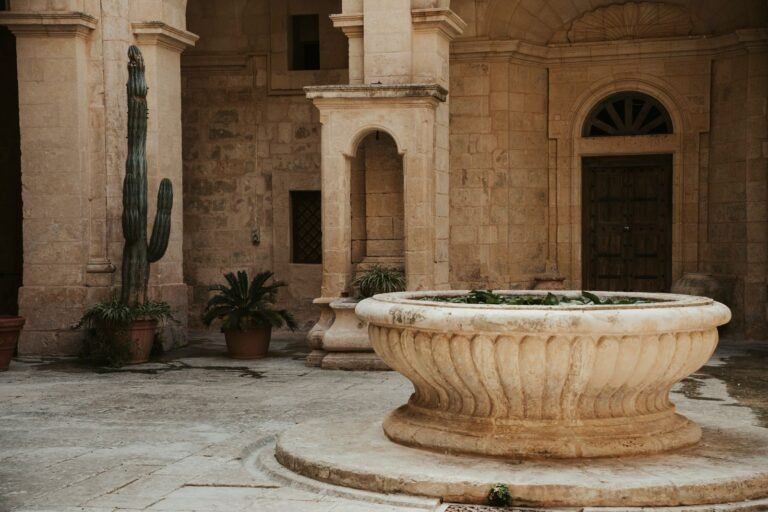
Your front porch is the handshake of your home — and planters are the firm, friendly grip. The right containers turn a plain entry into the house everyone slows down to admire, in every season.
These 15 front porch planter ideas cover every size, style, and budget. Pick the ones that fit your porch, your climate, and how much watering you’re honestly willing to do.
1. The Classic Thriller-Filler-Spiller Trio

One tall upright plant in the center (the thriller), mounding mid-height plants around it (fillers), and trailing vines spilling over the rim (spillers). This florist formula works in literally any container and never looks wrong.




Best for: Anyone who wants a guaranteed-good arrangement on the first try.
2. Oversized Urn, Single Statement Plant
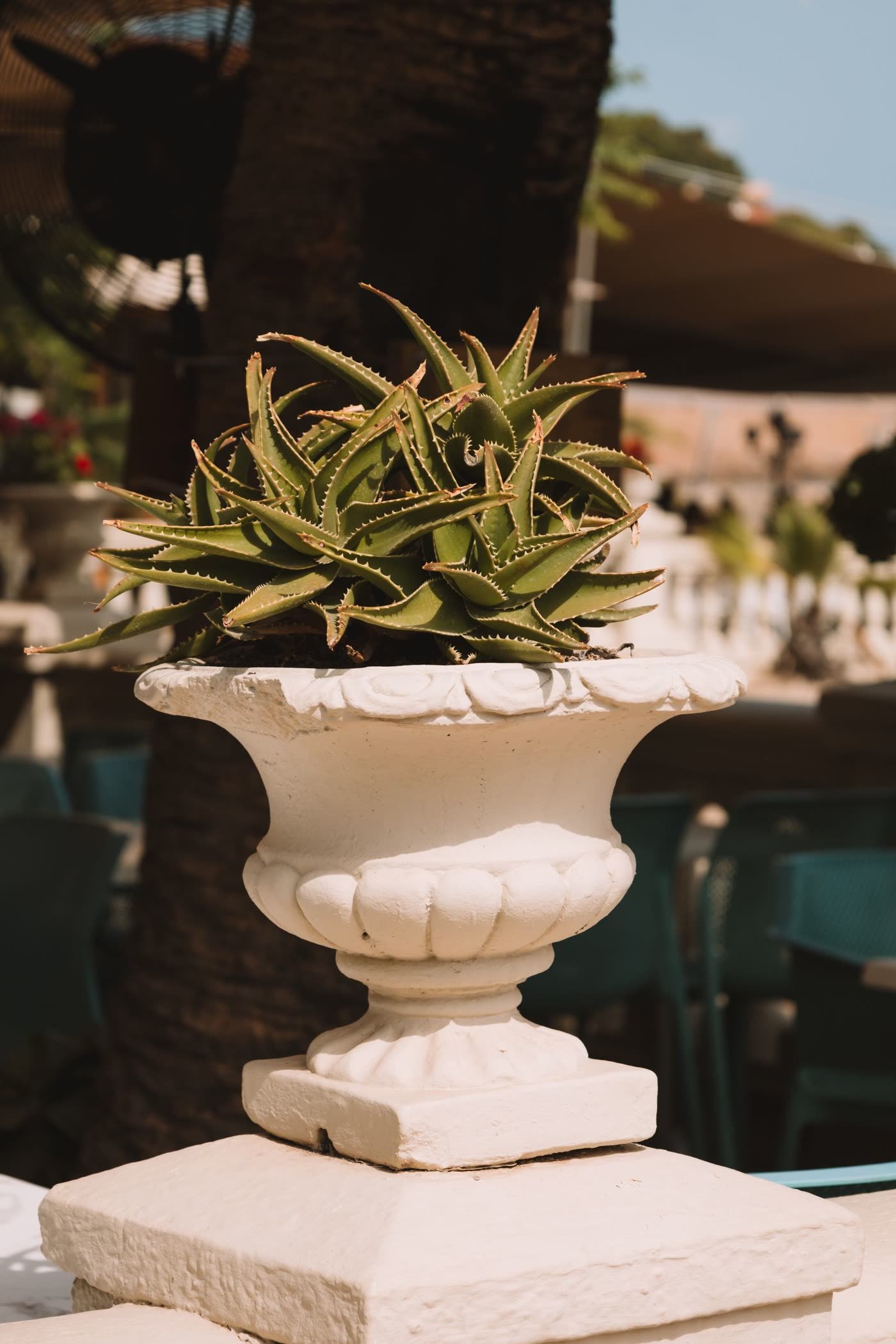
A big urn with one dramatic plant — a sculptural agave, a bushy fern, or a small olive tree — reads expensive and intentional. Scale is the trick: the urn should be at least one-third the height of your door.
Best for: Formal entries and anyone who prefers bold simplicity over busy arrangements.
3. Matching Pair Flanking the Steps

Two identical planters with identical plantings on either side of your steps or walkway. Symmetry signals “someone cares about this house” faster than anything else you can do for under $100.
Best for: Instant curb appeal before listing photos, parties, or the holidays.
4. Galvanized Buckets for Farmhouse Charm

Metal buckets, washtubs, or trough planters lean farmhouse without trying too hard. Drill drainage holes, add a coffee filter over each hole to keep soil in, and plant away — herbs, wildflowers, or trailing sweet potato vine all shine here.
Best for: Farmhouse, cottage, and rustic-style porches on a budget.
5. Evergreen Foundation, Seasonal Swaps

Plant a permanent evergreen (boxwood, dwarf spruce, holly) as the anchor, then swap only the small filler flowers around it four times a year. You get a fresh look each season while the “bones” of the arrangement stay put.
Best for: Low-maintenance gardeners who still want seasonal color — this is the smartest system on this list.
6. Hanging Baskets Above, Pots Below

Layer your greenery vertically: hanging baskets at eye level and floor planters below. The repetition of the same flower in both levels ties the whole porch together and makes small porches feel lush.
Best for: Small porches where floor space is precious.
7. Monochromatic White-and-Green Scheme

All-white flowers (impatiens, begonias, petunias) with green foliage in dark or black planters. It’s crisp, it photographs beautifully, and it matches literally any house color — which is why designers default to it.
Best for: Modern homes, shaded porches, and evening curb appeal (white flowers glow at dusk).
8. Terra Cotta Cluster in Odd Numbers
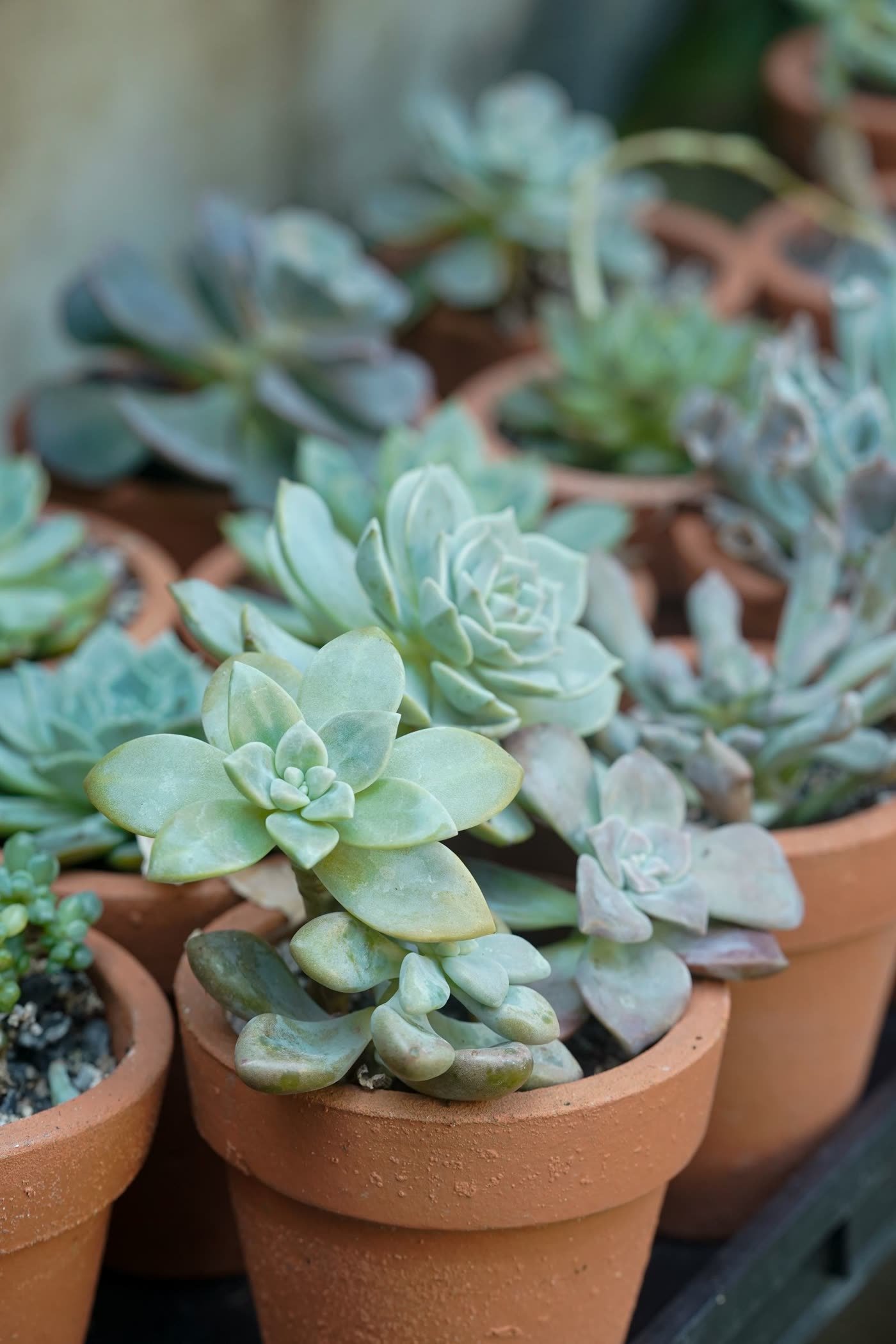
Group three or five terra cotta pots of graduated sizes, planted with the same plant family in different varieties. Odd-number groupings look natural rather than staged, and terra cotta’s warm tone flatters every plant.
Best for: Mediterranean, Spanish, and warm-toned brick homes.
9. Tall Grasses for Movement
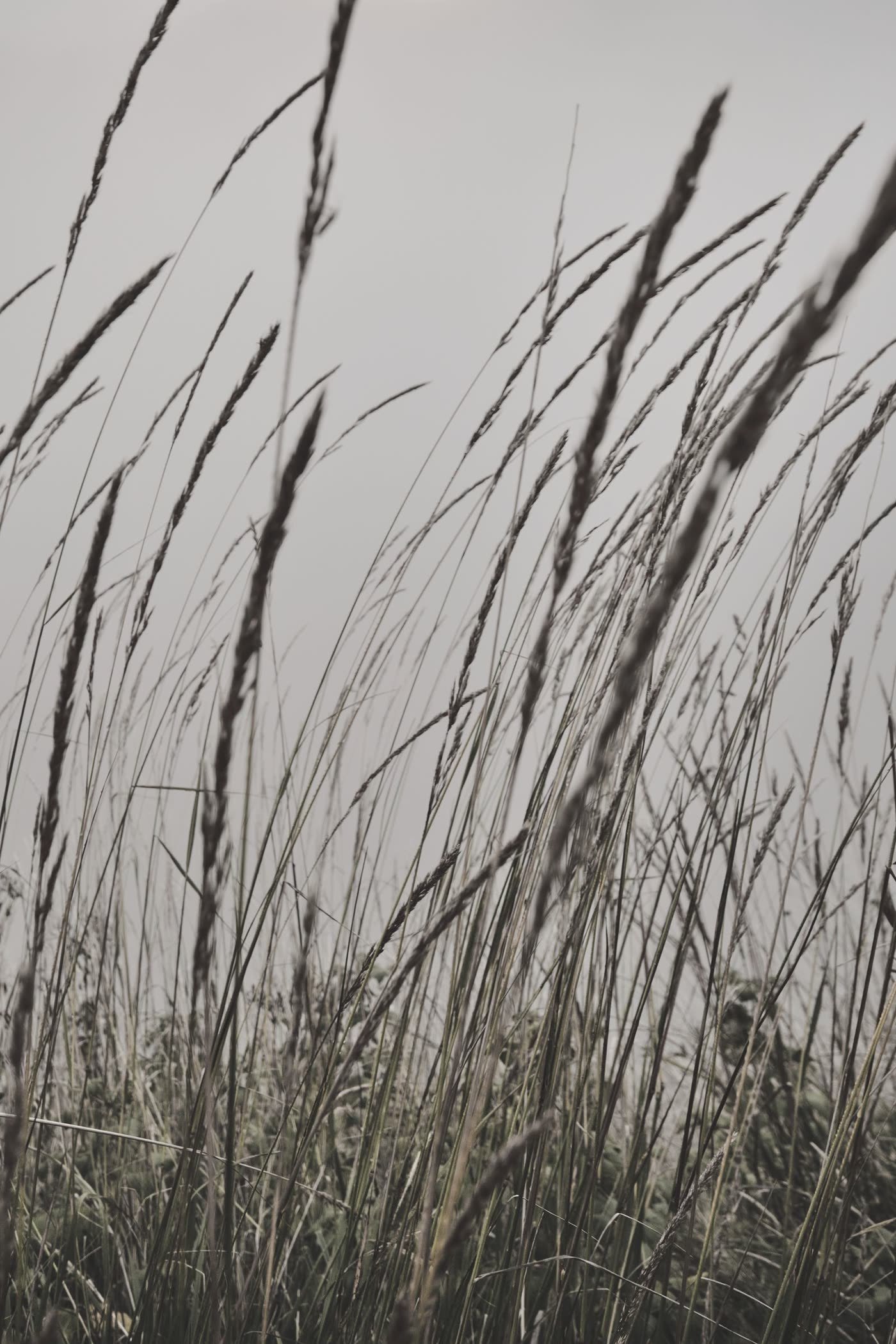
Ornamental grasses like fountain grass or purple millet add height and sway in the breeze — a porch that moves feels alive. They’re also nearly indestructible once established and need far less water than flowers.
Best for: Windy spots, hot climates, and anyone who forgets to water.
10. Edible Porch Planters

Cherry tomatoes, trailing rosemary, basil, and strawberries in pretty containers by the door. You get greenery plus a reason to step outside every evening — and guests always comment on them.
Best for: Kitchen-adjacent porches and anyone who likes their decor to multitask.
11. Painted Pots in Your Door Color
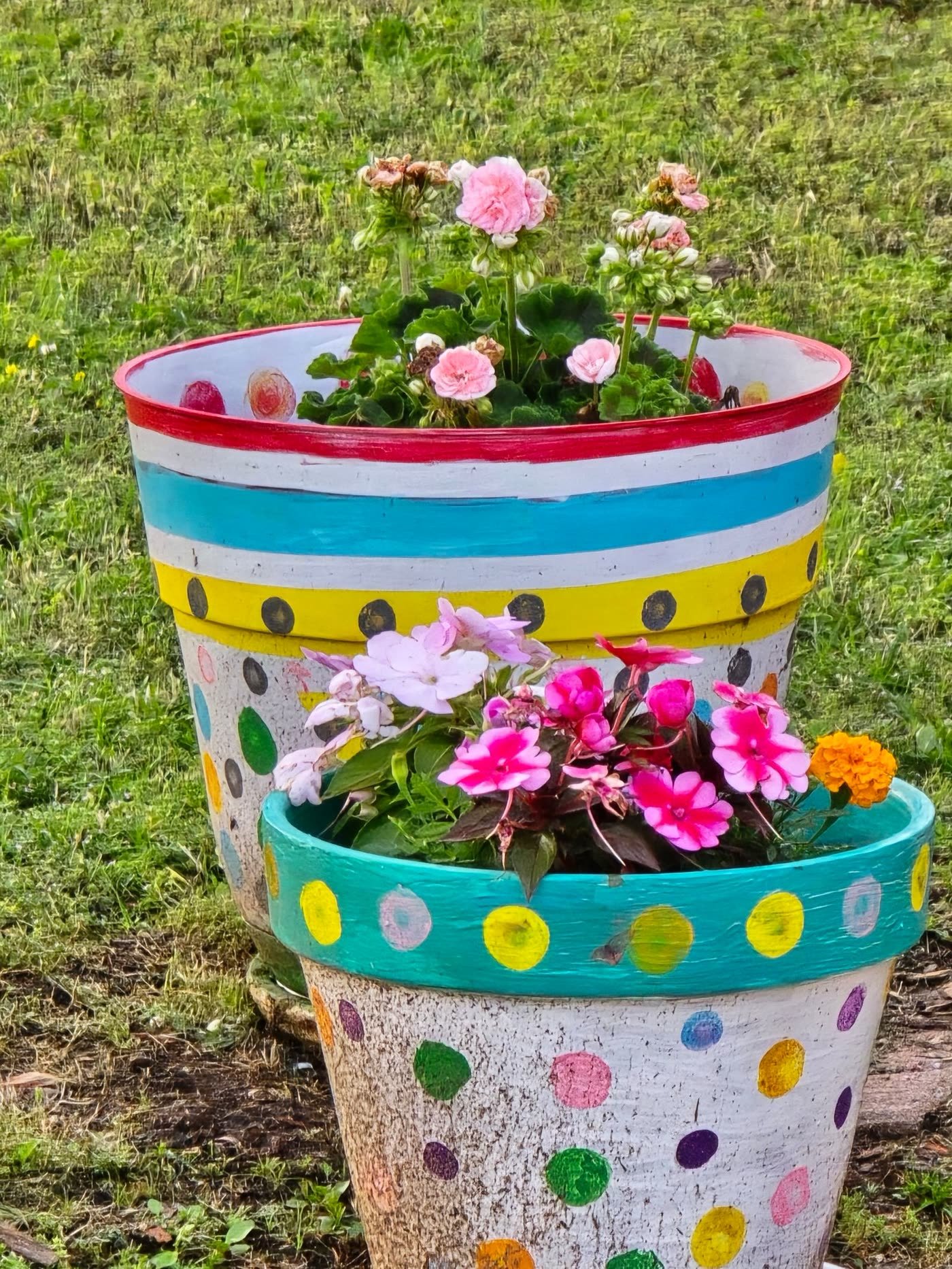
Paint inexpensive plastic or terra cotta pots to match (or complement) your front door. A navy door with navy planters, or a red door with charcoal planters, looks custom-designed for a few dollars in sample paint.
Best for: Making a cohesive entry on a tiny budget.
12. Winter Interest: No Flowers Required
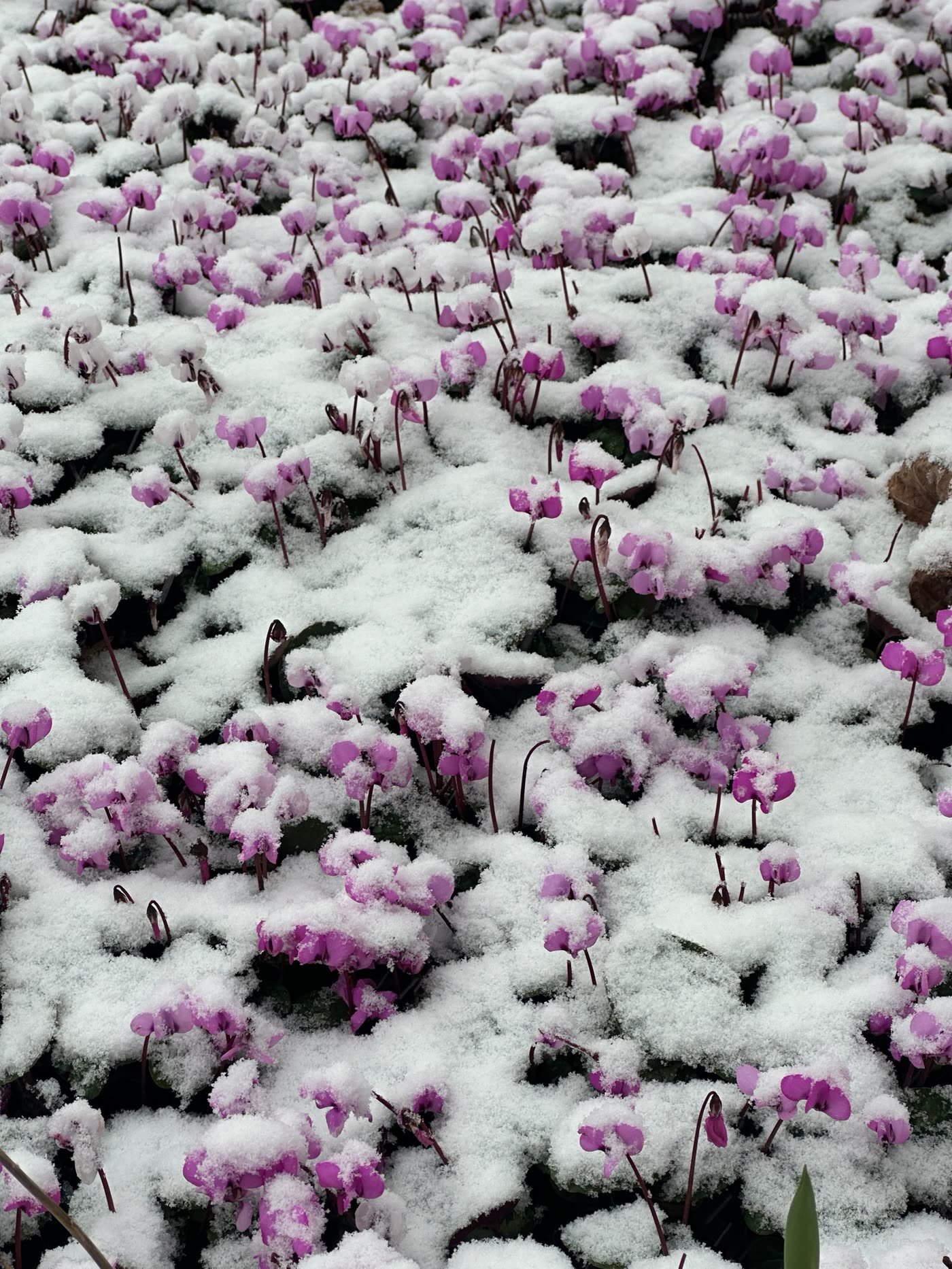
Red-twig dogwood branches, birch logs, pinecones, and evergreen boughs stuffed into a heavy urn carry your porch from December through February. No watering, no wilting, and it looks intentional rather than “I gave up.”
Best for: Cold climates where nothing blooms for months.
13. The Stair-Step Trio

Line three planters of descending height along your porch steps — tallest at the top near the door, shortest at the bottom. It draws the eye up toward your entry and makes the whole approach feel grander.
Best for: Porches with wide steps and a long walkway.
14. One Giant Fern, Nothing Else
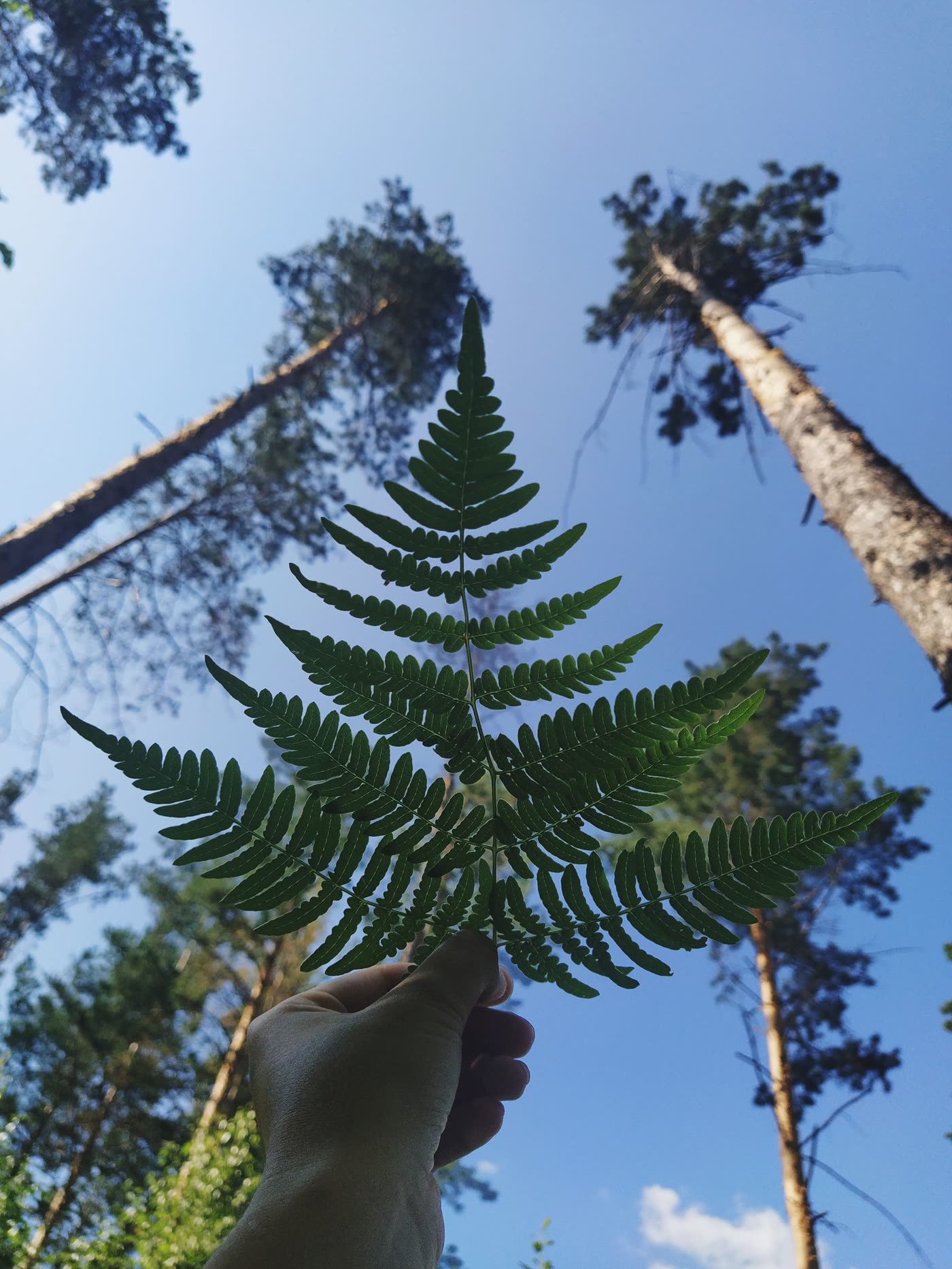
A single enormous Boston or Kimberly Queen fern in a hanging basket or tall stand. In shade, nothing beats it — lush, architectural, and it fills visual space like three ordinary plants.
Best for: Shaded porches in humid climates (ferns sulk in dry heat).
15. Night-Lighting in the Planter
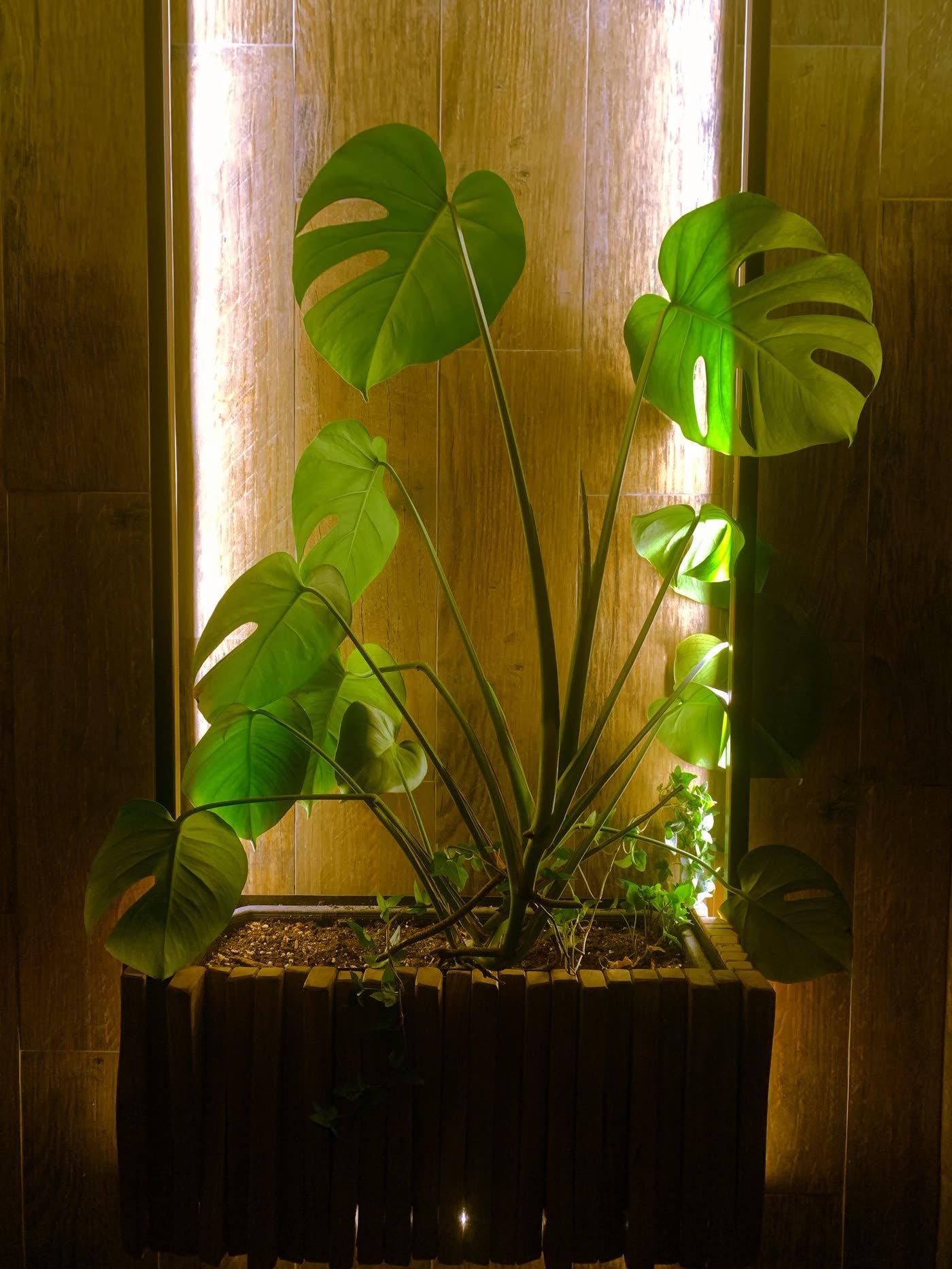
Tuck a small solar spotlight at the base of your anchor planter, aimed up through the foliage. Uplighting turns your daytime arrangement into evening drama and makes the whole porch feel safe and welcoming after dark.
Best for: Anyone whose porch is seen mostly in the evening — which is most of us.
Quick-Start Shopping List
New to porch planters? Here’s the minimum that delivers maximum impact: two 20-inch planters for flanking (or one 24-inch statement urn), one bag of quality potting mix per large pot, a slow-release fertilizer, and plants chosen for your actual sun exposure — not the ones that just looked pretty at the store. Total: roughly $80–$120 for a complete transformation.
Planter Care Basics That Make Everything Above Work
- Drainage is non-negotiable. Every container needs holes. No holes, no healthy roots — it’s that simple.
- Potting mix, not garden soil. Bagged potting mix drains properly; garden soil compacts into concrete in containers. Penn State Extension’s container gardening guide covers the soil science if you want the full breakdown: https://extension.psu.edu/the-art-of-container-gardening
- Water by weight, not schedule. Lift the pot — light means thirsty. Most porch planters need water when the top inch of soil is dry.
- Feed lightly. A half-strength liquid fertilizer every two weeks keeps heavy bloomers performing all season.
For more container inspiration beyond the porch, see our guide to patio container garden ideas, and for the full entry picture, our front porch decor ideas ties planters into the whole scene.
FAQ
How many planters should I put on my front porch?
Odd numbers in groups — three or five — look best. One large anchor planter beats five tiny ones; small pots scattered everywhere read as clutter. Start with a pair flanking the door and one larger statement piece, then add only if the porch still feels empty.
What plants survive best in porch planters?
It depends on your sun exposure and USDA zone. Shade: ferns, impatiens, begonias, hostas. Full sun: petunias, lantana, geraniums, ornamental grasses. Check your zone at planthardiness.ars.usda.gov before buying perennials you expect to overwinter.
How do I keep porch planters alive in summer heat?
Use the largest pots you can (more soil = more moisture buffer), mulch the surface with bark, water deeply in the morning, and move heat-sensitive plants into afternoon shade during heat waves. Self-watering planters are worth every penny in zones 8 and up.
Should porch planters match each other?
They should coordinate, not clone. Same material or color family with varied sizes and shapes looks curated; identical pots in a row can look like a garden center display. The exception: flanking pairs by the door, where symmetry is the whole point.