That 4-foot strip between your house and the fence isn’t dead space — it’s an untapped garden waiting for a plan. Most side yards fail because they’re treated as leftover space rather than designed space. These 12 ideas turn narrow side yards into paths, plantings, and pocket retreats.
1. Stepping-Stone Path With Groundcover

Lay large stepping stones with creeping thyme or mondo grass between them. The path becomes the design — functional and pretty in one move.
Best for: side yards you walk through daily to reach the backyard.




2. Espaliered Fruit Trees on the Fence

Train apple, pear, or fig trees flat against the fence in the espalier style. You get fruit, flowers, and a living wall in 18 inches of depth.
Best for: sunny side yards and anyone who wants productive beauty.
3. Gravel + Ornamental Grass Corridor
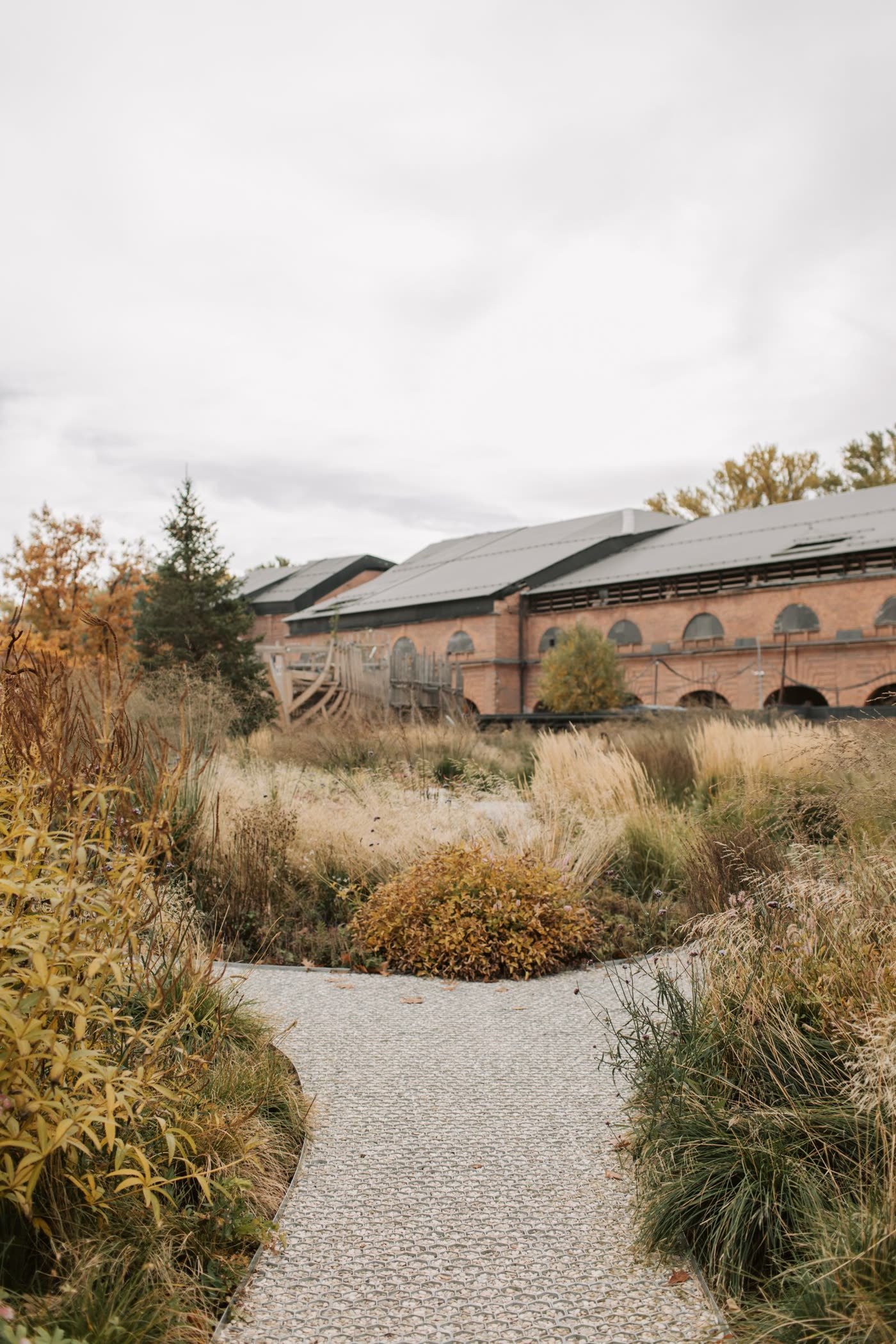
Fill the strip with gravel and plant a rhythm of ornamental grasses — miscanthus, fountain grass, blue fescue. It’s modern, nearly maintenance-free, and looks intentional.
Best for: low-maintenance gardeners and modern-style homes.
4. Narrow Raised Bed for Vegetables

A 2-foot-wide raised bed runs the length of the yard and grows a surprising amount: tomatoes on the fence trellis, peppers and herbs in front. Morning or afternoon sun is enough for most veg.
Best for: turning wasted space into a kitchen garden.
5. Bamboo Screening in Planters
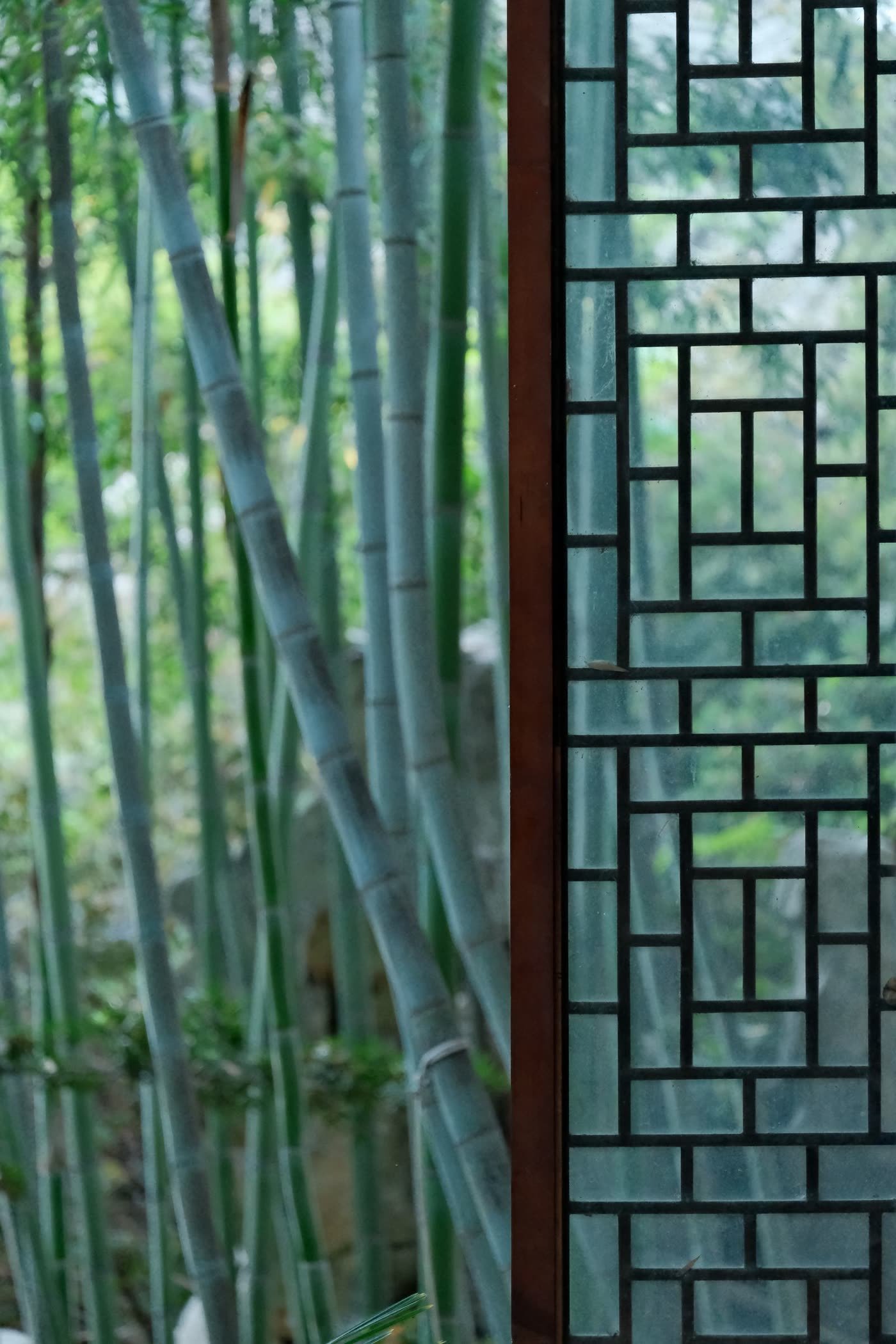
Clumping bamboo (never running bamboo) in long trough planters creates a green privacy screen in one season. Keep it in containers and it stays exactly where you put it.
Best for: side yards overlooked by neighbors’ windows.
6. String Lights Overhead, Café Style

Zigzag string lights across a narrow yard and it becomes a nighttime destination instead of a dark alley. One strand is often enough for the whole strip.
Best for: making the side yard feel like an extension of evening living space.
7. Shade-Loving Fern Border

North-facing side yards are perfect for ferns, hostas, and astilbe. A layered shade border looks lush with almost no effort once established.
Best for: dark side yards where nothing else seems to grow.
8. Potting Bench + Tool Storage Zone

Claim the strip as your garden headquarters: a potting bench, tool hooks on the fence, and a small shed or storage box. Utility can be beautiful.
Best for: gardeners tired of hauling tools from the garage.
9. Mirror Panels to Double the Width

Outdoor acrylic mirrors mounted on the fence bounce light and visually double a 4-foot yard to 8. Angle them to reflect planting, not the neighbor’s wall.
Best for: claustrophobic strips that need the illusion of space.
10. Dry Creek Bed for Drainage Trouble Spots

If your side yard collects water, lean in: a dry creek bed of river rock with moisture-loving plants (iris, sedge) turns a drainage problem into a feature.
Best for: side yards that flood every time it rains.
11. Herb Wall on the House Side

Mount gutters, pocket planters, or a slatted panel on the house wall and grow herbs at arm’s height. It’s a vertical garden that harvests like a dream.
Best for: cooks — the kitchen door is usually right there.
12. Simple Bench Nook at the Far End

Place a small bench where the side yard meets the backyard. Suddenly the strip has a destination, and the bench invites you to actually use the space.
Best for: giving the narrow yard a reason to exist beyond transit.
13. Vertical Succulent Frame

Build a shallow shadow-box frame, fill with soil and chicken wire, plant succulents. Hang it like art on the fence. Under $30 and endlessly rearrangeable.
Best for: sunny narrow walls that need living art.
14. Recessed Step Lighting

If the side yard has steps, $15 solar step lights recessed into each riser make it safe and stunning at night. No wiring, ten minutes per light.
Best for: side yards with elevation changes.
15. Single-Specimen Japanese Maple

One $40 Japanese maple in a narrow bed becomes the entire design. Everything else is just groundcover supporting the star.
Best for: the “one beautiful thing” minimalist approach.
Measuring and Planning Your Strip
Before buying anything, measure the width at three points — side yards are rarely uniform. Note sun exposure (full sun, part shade, full shade) because it dictates everything you plant. Check for utilities: call 811 before digging deeper than a few inches, and know where downspouts dump water. Sketch the strip on graph paper with the house, fence, gates, and AC units marked — you’ll instantly see where a path must go and where planting pockets exist. A 30-minute plan prevents the classic mistake of buying plants with nowhere to put them.
Common Narrow-Yard Mistakes to Avoid
Don’t plant a tree in the middle — it eats the only walking line. Don’t use small pavers running crosswise; they chop the space into segments. And don’t leave the strip unlit — a dark side yard feels like an alley, while $20 of solar lights makes it feel like a garden room. The biggest mistake, though, is doing nothing because the space feels too awkward to bother with. Awkward spaces reward design the most.
Making It Cohesive
Pick one ground material (gravel, mulch, or pavers) and run it the full length — continuity is what makes narrow spaces feel designed. For path-building specifics, see https://cozypatiohome.com/backyard-walkway-ideas/, and for tying it into a bigger budget plan, https://cozypatiohome.com/small-backyard-ideas-budget/ has you covered.
This Old House’s side yard guide covers grading and drainage basics worth reading before you dig.
FAQ
How wide does a side yard need to be to landscape?
Even 3 feet works — stepping stones need 2 feet of width, and wall-mounted planters need zero ground space at all. Below 3 feet, abandon ground planting and focus entirely on the fence and house walls vertically: espalier, mounted planters, mirrors, and lighting. The key insight is that narrow doesn’t mean unusable; it means thinking in vertical layers instead of horizontal beds.
What grows well in a narrow shaded side yard?
Ferns, hostas, astilbe, heuchera, and Japanese forest grass are the shade dream team. All thrive with minimal sun, fit tight footprints, and look lush with almost no maintenance once established. For evergreen structure in shade, add yew or boxwood — they tolerate the low light that defeats most shrubs.
How do I make my side yard look wider?
Run all materials lengthwise (never across), mount mirrors to bounce light, keep the plant palette to 2–3 colors, and light it at night — darkness visually shrinks spaces while light expands them. Avoid chopping the strip into segments; one continuous ground material from end to end is the single most widening trick.
Should I fence off my side yard?
A simple gate at each end keeps it secure while letting the design flow through. Don’t wall it off visually with solid barriers mid-strip — that chops the space and makes each section feel smaller. If security is the concern, a see-through metal gate maintains sightlines while keeping people out.