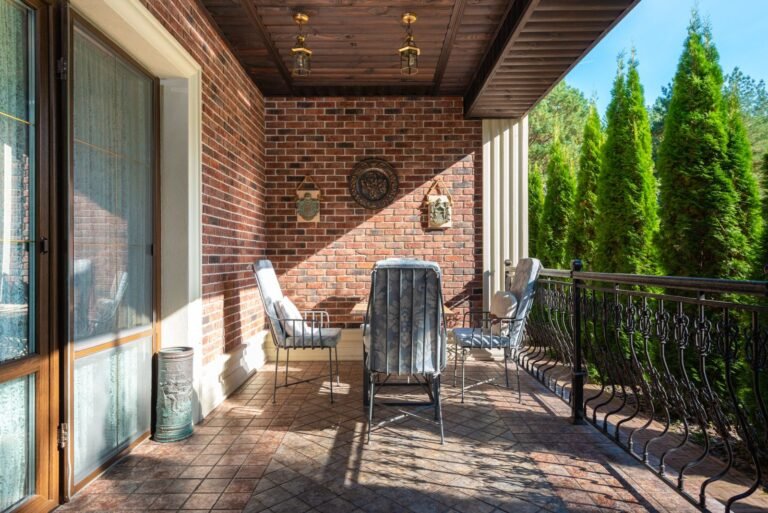
A gray, cracked-looking concrete patio drags down your whole backyard — but ripping it out costs thousands. A weekend of painting can give you a patio that looks brand new for a fraction of the cost, if you do the prep right.
Step 1: Clean the Concrete Thoroughly
Paint fails on dirty concrete. Start by sweeping off all debris, then pressure wash the entire surface (a 2,000–3,000 PSI washer works well). For oil stains or grease spots, scrub with a degreaser or trisodium phosphate (TSP) solution and rinse well. Let the patio dry completely — at least 24 hours, ideally 48. Painting over damp concrete traps moisture and guarantees peeling.
Step 2: Repair Cracks and Damage
Fill hairline cracks with concrete crack filler and smooth with a putty knife. For larger cracks or spalling, use a concrete patching compound and let it cure per the manufacturer’s instructions (usually 24 hours). Sand any rough patches smooth once cured. Paint highlights imperfections rather than hiding them, so this step matters more than most people think.



Step 3: Etch the Surface (Don’t Skip This)
New or very smooth concrete is too slick for paint to grip. Etch it with a concrete etcher/degreaser product (muriatic acid alternatives are safer for DIYers — look for citric-acid-based etchers). Apply per the label, scrub with a stiff broom, and rinse thoroughly. The surface should feel like medium-grit sandpaper when dry. This is the single biggest difference between paint that lasts five years and paint that peels in one summer.
Step 4: Choose the Right Paint — Paint vs. Stain
This is where most DIYers go wrong. You have three real options:
- Concrete/masonry paint (acrylic latex): Best for most patios. Affordable, easy to apply, huge color range. Look for paint labeled specifically for floors or patios — it’s formulated for foot traffic.
- Epoxy concrete paint: Toughest option, great for high-traffic areas, but harder to apply and less forgiving of prep mistakes.
- Concrete stain: Penetrates the concrete rather than sitting on top, so it won’t peel — but it won’t hide stains or give you solid opaque color either.
Best for: most homeowners — a quality acrylic concrete floor paint in a mid-tone color (hides dirt better than white, cooler than dark colors in summer sun).
Step 5: Prime (When Needed)
If you’re going from dark to light, painting bare concrete for the first time, or using a lower-grade paint, apply a concrete bonding primer first. It dramatically improves adhesion. Some premium concrete paints are self-priming — check the label. One coat of primer, applied with a roller, is enough.
Step 6: Paint in Thin Coats
Use a 3/8-inch nap roller for smooth concrete (thicker nap for textured surfaces). Cut in edges with a brush first, then roll the field. Apply two thin coats rather than one thick one — thin coats cure harder and resist peeling. Wait the full recoat time on the can (usually 4–6 hours) between coats. Avoid painting in direct hot sun or when rain is expected within 24 hours; morning on a dry 60–80°F day is ideal.
Step 7: Seal It
A concrete sealer is what separates a two-year paint job from a five-year one. Once the final coat has cured (wait the full cure time — often 72 hours), apply a clear concrete sealer rated for exterior floors. It adds UV protection, stain resistance, and a subtle sheen. Re-seal every 2–3 years and your painted patio will keep looking fresh.
What You’ll Need: Tools & Materials
Before you start, gather everything. Mid-project hardware store runs kill momentum:
- Pressure washer (rent one for ~$40/day if you don’t own one)
- Degreaser or TSP substitute
- Concrete crack filler and patching compound
- Citric-acid concrete etcher
- Stiff-bristle broom and putty knife
- 3/8-inch nap roller, roller frame, extension pole
- Angled brush for edges
- Concrete bonding primer (if needed)
- Acrylic concrete floor paint (1 gallon covers ~300–400 sq ft per coat; buy for two coats)
- Clear concrete sealer
- Painter’s tape for edges adjoining the house
Total material cost: roughly $80–$150 for a typical 200 sq ft patio — versus $2,000+ to replace the concrete.
Choosing Your Paint Color
Color choice affects more than looks. Light colors (warm grays, sandy beiges) reflect heat and stay comfortable barefoot — a real consideration in sunny climates. Dark colors absorb heat and show dust. Mid-tone warm gray is the most forgiving choice: hides dirt, doesn’t scorch feet, and complements most house exteriors. If you want pattern, painter’s tape lets you create stripes, borders, or a faux tile grid with two colors.
5 Mistakes That Ruin Painted Patios
- Skipping the etch. The #1 cause of peeling. If water beads on your concrete instead of soaking in, paint won’t bond either.
- Painting over damp concrete. Moisture trapped under paint blisters within weeks. Wait for 48 dry hours after washing.
- One thick coat instead of two thin ones. Thick paint skins over while staying soft underneath — then peels in sheets.
- Painting in direct afternoon sun. The paint dries too fast to level properly, leaving roller marks. Work in morning shade.
- Skipping the sealer. Unsealed paint absorbs stains and UV damage. The sealer is cheap insurance.
Paint vs. Stain vs. Epoxy: Detailed Comparison
| Acrylic concrete paint | Concrete stain | Epoxy coating | |
|---|---|---|---|
| Cost per sq ft | $0.30–$0.60 | $0.50–$1.00 | $1.50–$3.00 |
| Hides imperfections | Yes (opaque) | No (translucent) | Yes |
| Peeling risk | Low (with prep) | None (penetrates) | Very low |
| DIY difficulty | Easy | Moderate | Hard |
| Recoat timeline | 3–5 years | 5–8 years | 7–10 years |
| Best for | Most patios | Newer concrete, natural look | Garages, high-traffic |
Bottom line: Acrylic paint wins for most homeowners on cost, ease, and color choice. Choose stain if your concrete is in great shape and you like the natural mottled look. Reserve epoxy for areas with heavy wear or vehicle traffic.
Maintenance Tips
Sweep regularly, hose it down seasonally, and touch up high-traffic spots before they wear through to bare concrete. Avoid dragging heavy furniture — use felt pads on chair and table legs.
For more budget-friendly patio surface ideas, see our guide to patio flooring options and our DIY patio decor ideas to style your freshly painted space.
FAQ
How long does painted concrete patio last?
With proper prep, etching, and sealing, expect 3–5 years before needing touch-ups. Skipping the etch step cuts that to a single season.
Can I paint over old concrete paint?
Yes, if it’s well-adhered. Scrape off any loose or peeling paint, sand the edges smooth, clean thoroughly, and prime before repainting.
What’s the best paint for a concrete patio?
Acrylic latex concrete floor/patio paint from a reputable brand is the best balance of durability, ease of use, and cost for most homeowners. Epoxy is tougher but harder to apply.
When should I paint my concrete patio?
Spring or early fall, when daytime temps are 60–80°F with low humidity and no rain in the forecast for at least 48 hours.
External reference: the Portland Cement Association’s guide to concrete surface preparation covers etching and repair standards in detail.