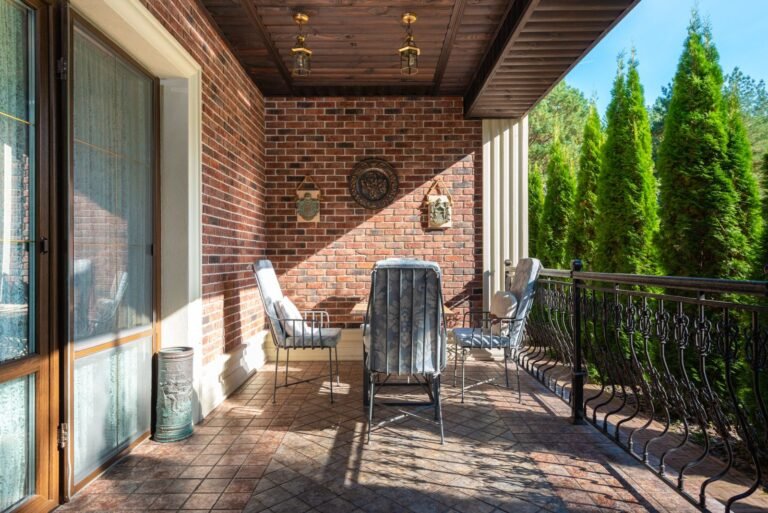
Short answer: the best concrete patio decor ideas cover boring gray concrete with color, texture, and warmth — outdoor rugs, concrete stain or paint, layered planters, comfortable furniture, and string lighting. Whether your slab is brand new or decades old, these 10 ideas will make it look intentional and inviting.
I’m Sophia Bennett, and here’s the truth about concrete patios: the slab itself is rarely the problem. A plain gray slab is just a blank canvas — what makes it look unfinished is the lack of layering. Decorating concrete is about adding the same things that make any room feel finished: a rug underfoot, color on the surfaces, greenery, lighting, and furniture arranged for actual living. The projects below range from a $30 weekend stencil to a full stamped overlay, so there’s something here for every budget and every age of patio.
1. Stamped Concrete Overlay: The Boldest of These Concrete Patio Decor Ideas
Prefer pavers over concrete? Browse paver patio designs instead.



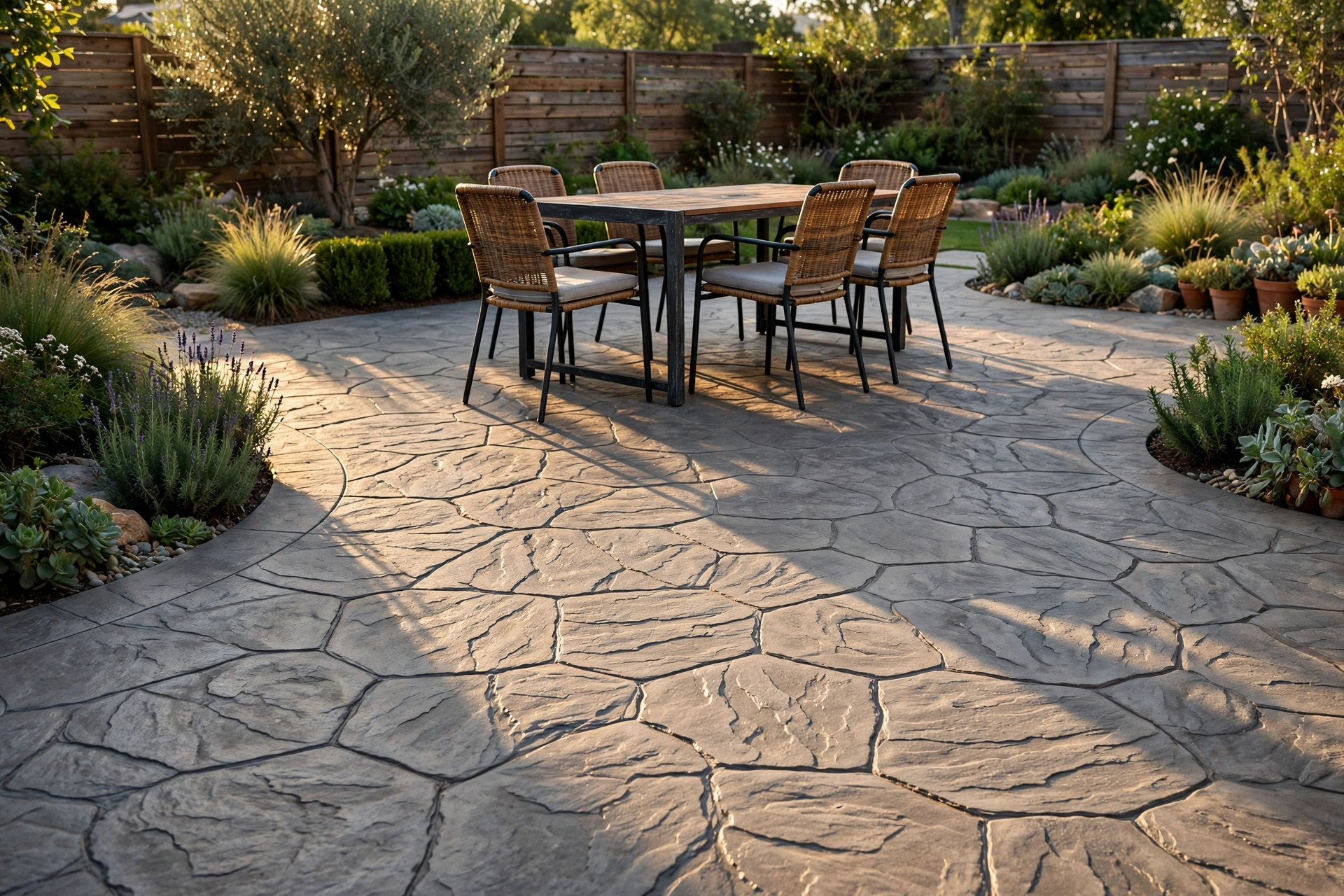
If your slab is structurally sound but visually dull, a stampable concrete overlay is the most transformative of all concrete patio decor ideas. A thin layer of polymer-modified concrete is troweled over the existing slab, then stamped with mats that imprint slate, flagstone, brick, or wood-plank patterns, and finished with color hardeners and a sealer. The result looks like premium stone at a fraction of the cost of tearing out and re-pouring. This is skilled work — timing matters, because the pattern must be stamped before the overlay sets — so most homeowners hire a decorative concrete contractor. Expect the new surface to last as long as the slab beneath it when it’s sealed properly and resealed every few years.
2. Concrete Stain in Warm Earth Tones
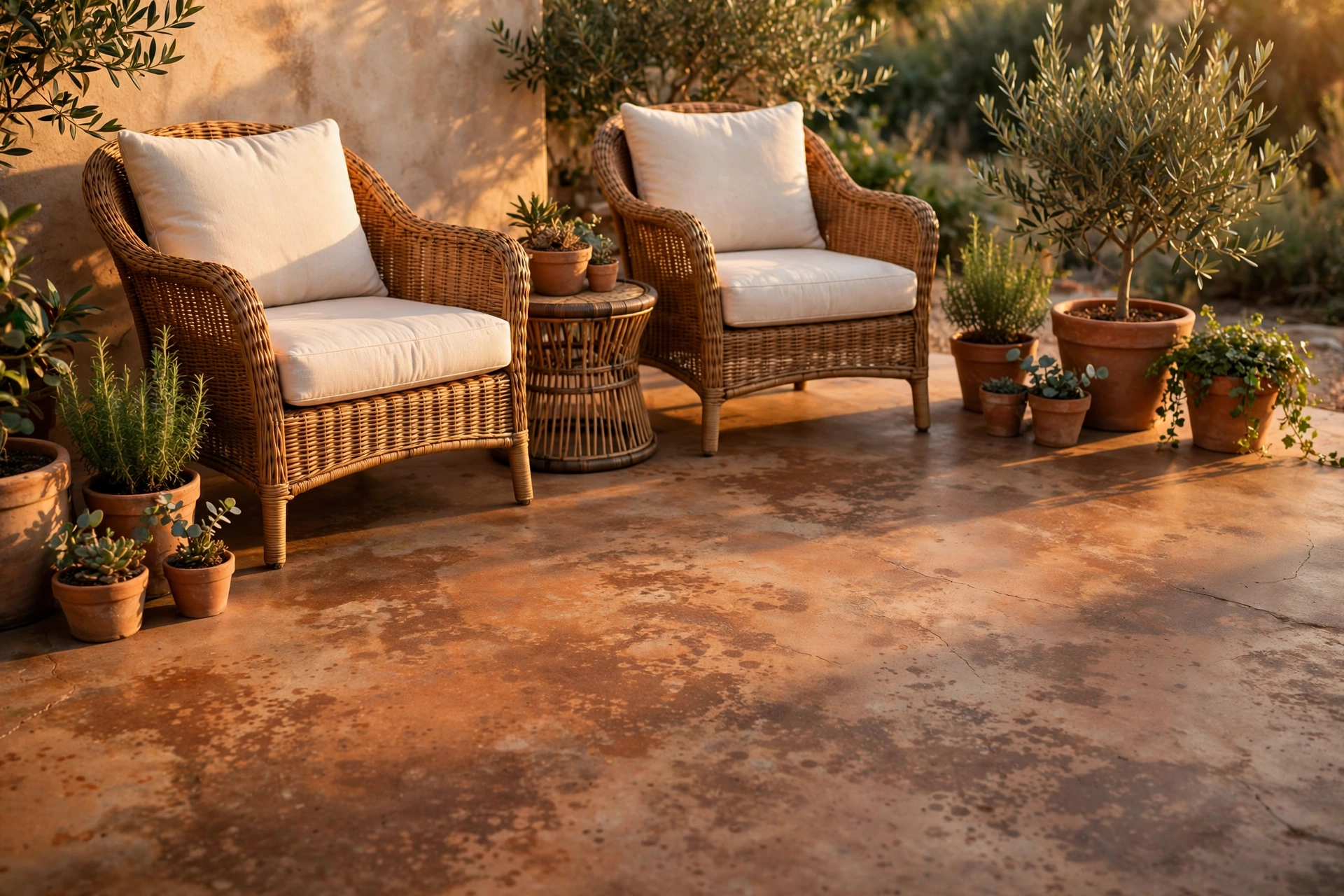
Concrete stain soaks into the slab and reacts chemically with it, producing rich, variegated color that looks far more natural than paint. Warm earth tones — terracotta, sand, walnut — are the most forgiving choices for patios because they complement landscaping and hide dust. Acid-based stains give mottled, stone-like variation; water-based stains offer more predictable, even color. Either way, the process is the same: deep-clean the slab, apply the stain, neutralize if needed, and seal with a UV-stable concrete sealer. A stained patio typically costs a few hundred dollars in materials for a DIY job and looks like a custom finish. The sealer is non-negotiable — it’s what protects the color from sun and weather.
3. A Large Outdoor Rug to Define the Space
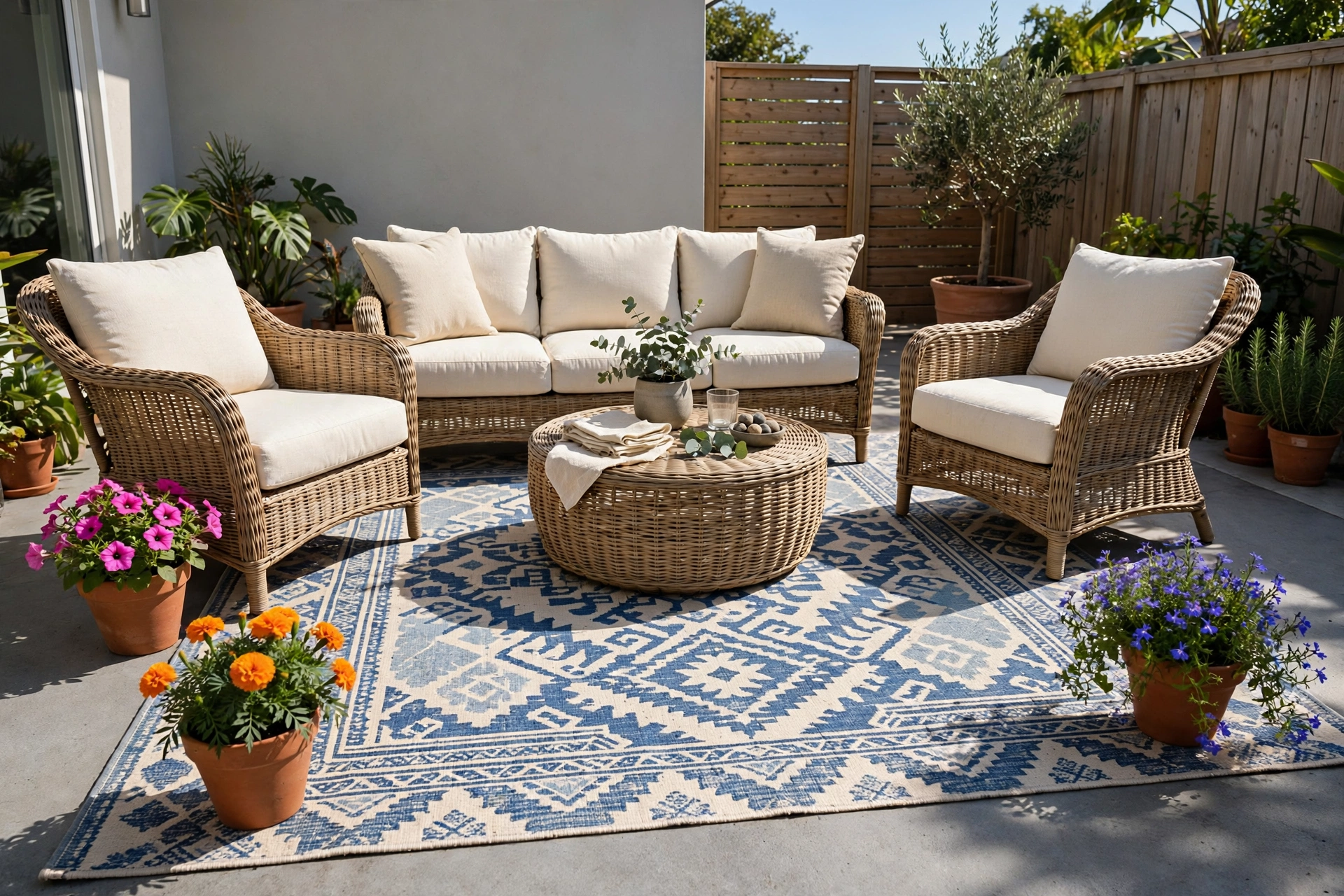
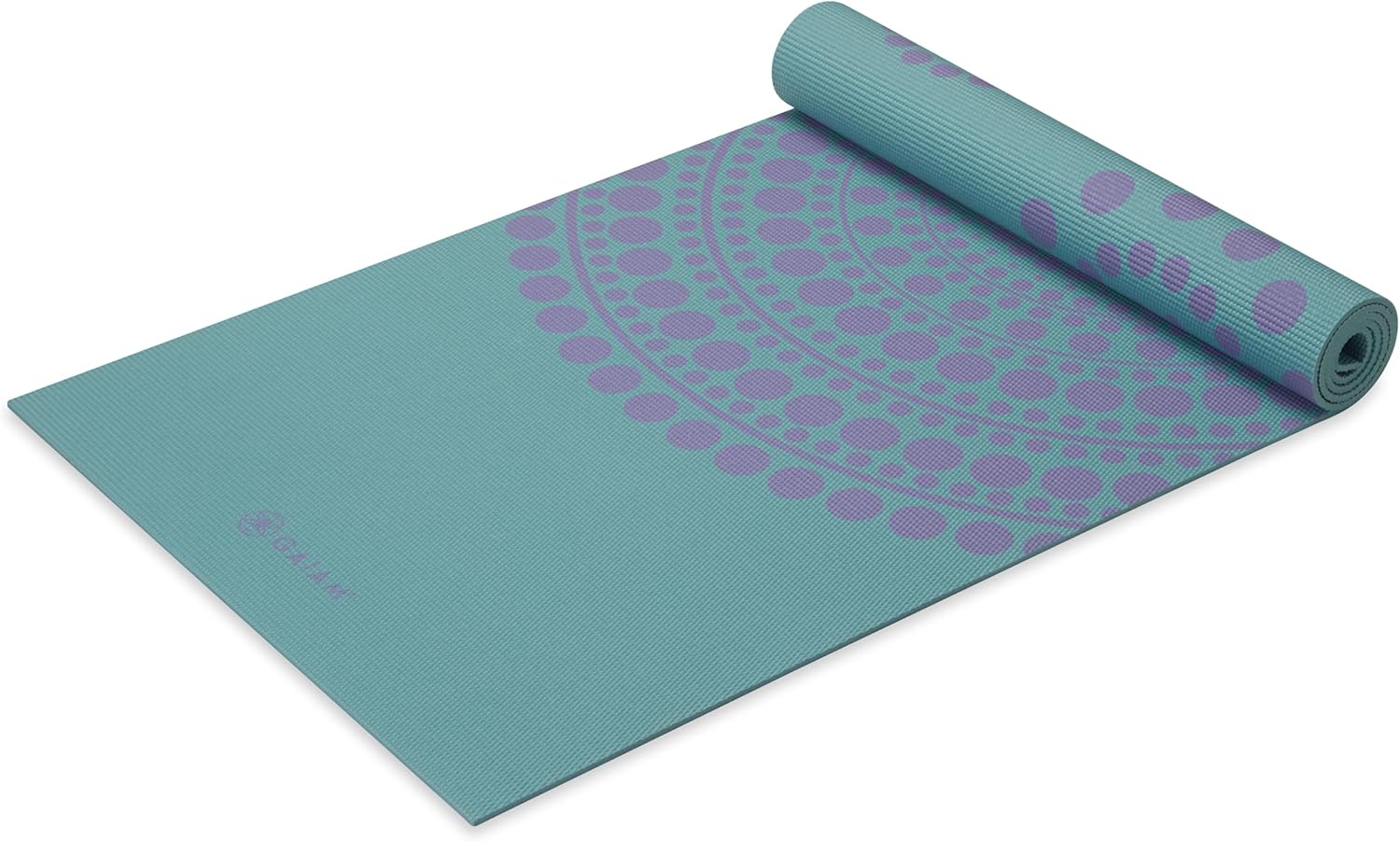
The fastest concrete patio decor idea is also the simplest: lay down a big outdoor rug. A 8×10 or 9×12 rug instantly zones the seating area, adds pattern and color, and softens hard concrete underfoot. Choose a rug made for outdoor use — polypropylene is the workhorse — and look for a low, flat weave that won’t trap water. On concrete specifically, use a breathable rug pad or no pad at all, and lift the rug periodically to let the slab dry; trapped moisture can cause mildew on both the rug and the concrete. In rainy climates, consider storing the rug during the wettest months. For under $150, no other single item changes a concrete patio’s feel this dramatically.
4. Layered Container Gardens Along the Edges
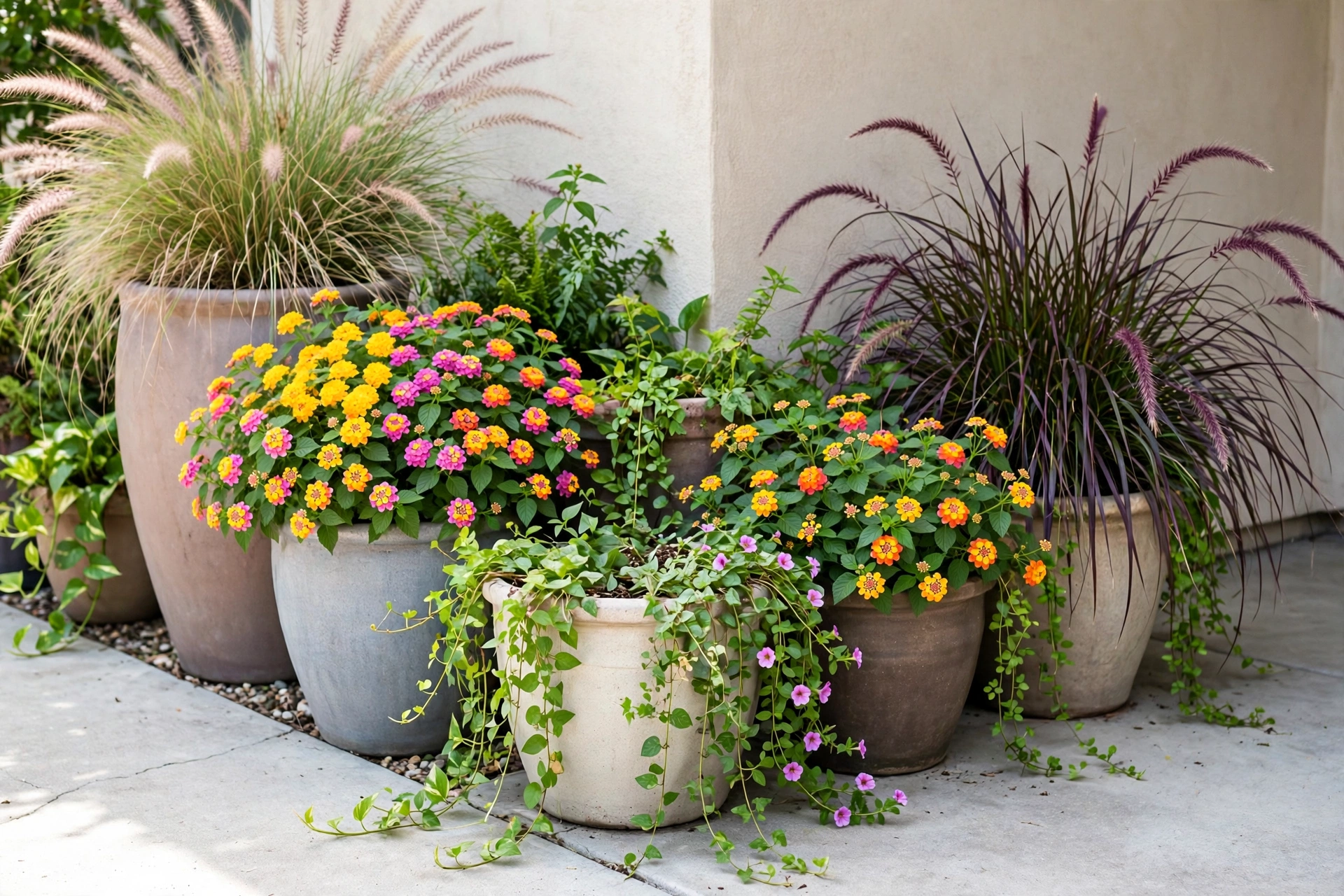
Concrete patios often feel stark because they’re all hard surface with no softness at the edges. A layered container garden fixes that: group pots in threes at varying heights — a tall thriller like ornamental grass, mid-height fillers like lantana or salvia, and trailing spillers like sweet potato vine over the edges. Odd-numbered groupings at the patio’s corners and along the house wall draw the eye and make the slab feel like part of the landscape. Use large, heavy pots (concrete or ceramic) so they don’t blow over, and add saucers or pot feet to prevent water stains on the slab. In USDA zones 8–11, many of these plantings can stay out year-round; in colder zones, choose hardy perennials or plan to overwinter tender plants indoors.
5. String Lights for Evening Warmth
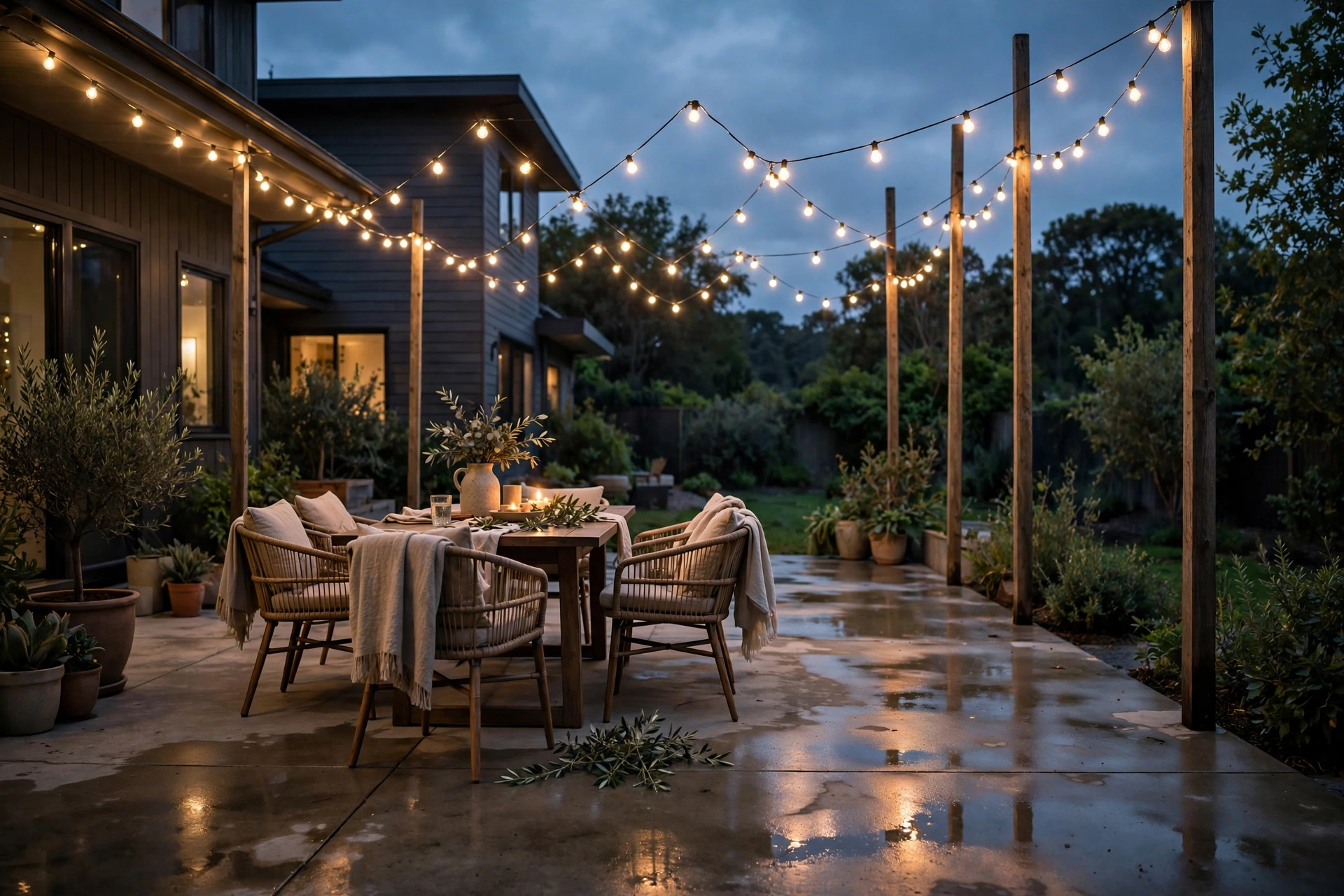
Concrete looks coldest at night under a single harsh porch light. Warm-white string lights change the entire mood: drape them overhead in a zigzag between the house and poles, or swag them along a fence line to frame the patio. The soft glow bounces gently off the concrete instead of glaring, and the patio suddenly reads as cozy rather than industrial. Use outdoor-rated LED strands (they sip electricity and last for seasons), and plug them into a timer or smart plug so they welcome you home every evening. For a typical 12×14 patio, two to three 48-foot strands give full, even coverage. This is a one-evening project with an outsized payoff.
6. Painted Border or Stencil Medallion
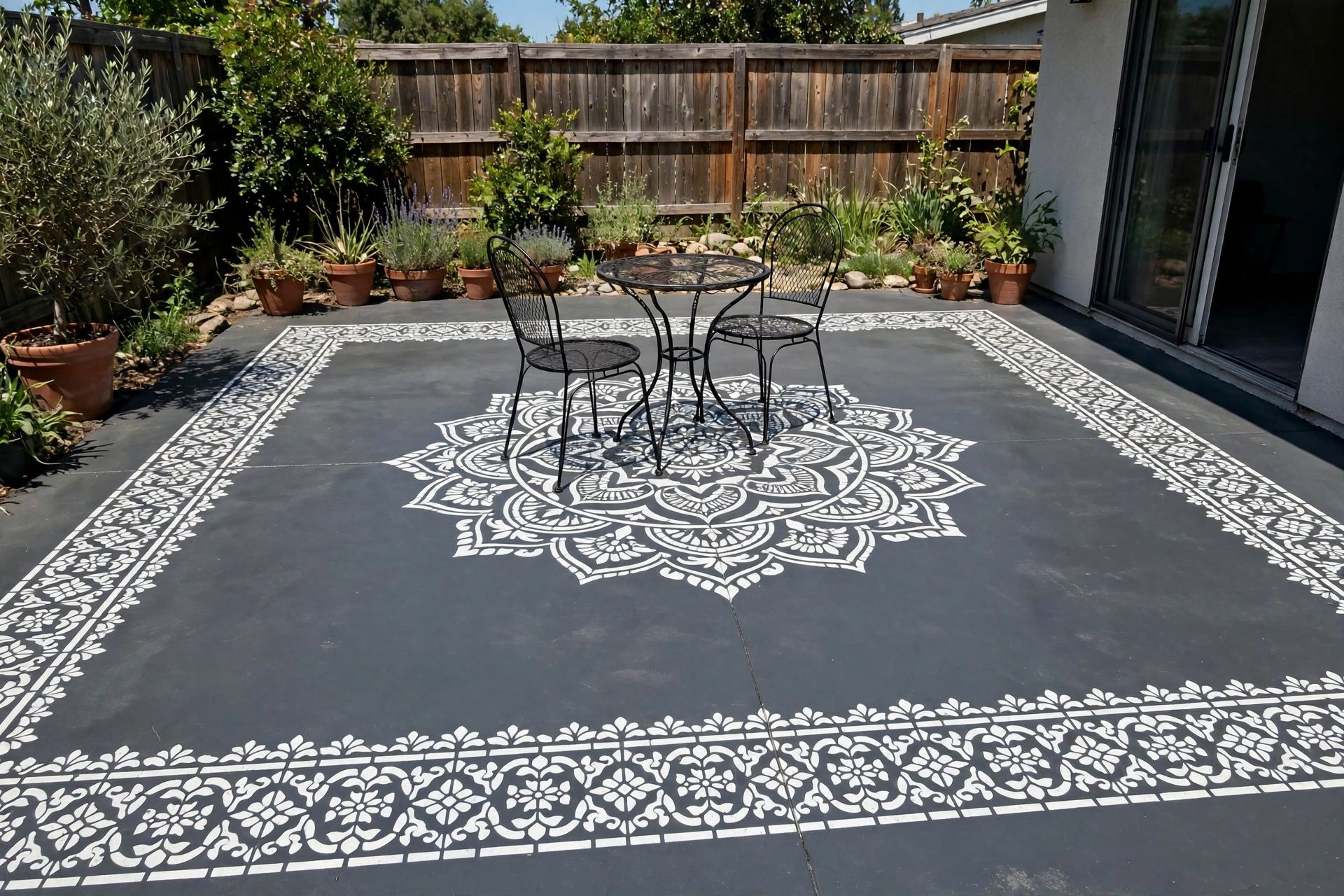
Concrete paint has come a long way, and a painted border or a large stencil medallion is one of the most budget-friendly concrete patio decor ideas with real visual punch. The process: pressure-wash and etch the slab, apply a concrete bonding primer, roll on porch-and-floor paint in your base color, then stencil a border, a faux tile pattern, or a central medallion in a contrasting shade. A gallon of quality concrete paint covers about 300–400 square feet, so most patios need just a few gallons. Expect to touch up high-traffic areas every couple of years, and always use paint formulated for concrete — regular exterior paint will peel. Done carefully, a stenciled patio genuinely fools the eye from a few feet away.
| Concrete Finish | Estimated 2026 Cost per Sq Ft | Best For |
|---|---|---|
| Concrete paint / stencil (DIY) | $1–$3 | Tight budgets; bold pattern looks |
| Concrete stain + sealer (DIY) | $2–$6 | Natural stone-like color variation |
| Decorative resurfacing / overlay | $6–$10 | Refreshing worn but sound slabs |
| Stamped concrete overlay (pro) | $7–$15 | Premium stone or brick looks |
| New stamped concrete patio (pro) | $8–$26 | Full replacement with custom design |
Prices reviewed: October 2026. Ranges are estimates based on 2026 industry cost guides (Angi, HomeGuide) for US projects; actual quotes vary by region, slab condition, and design complexity.
7. Lounge Furniture Grouping With Weatherproof Textiles
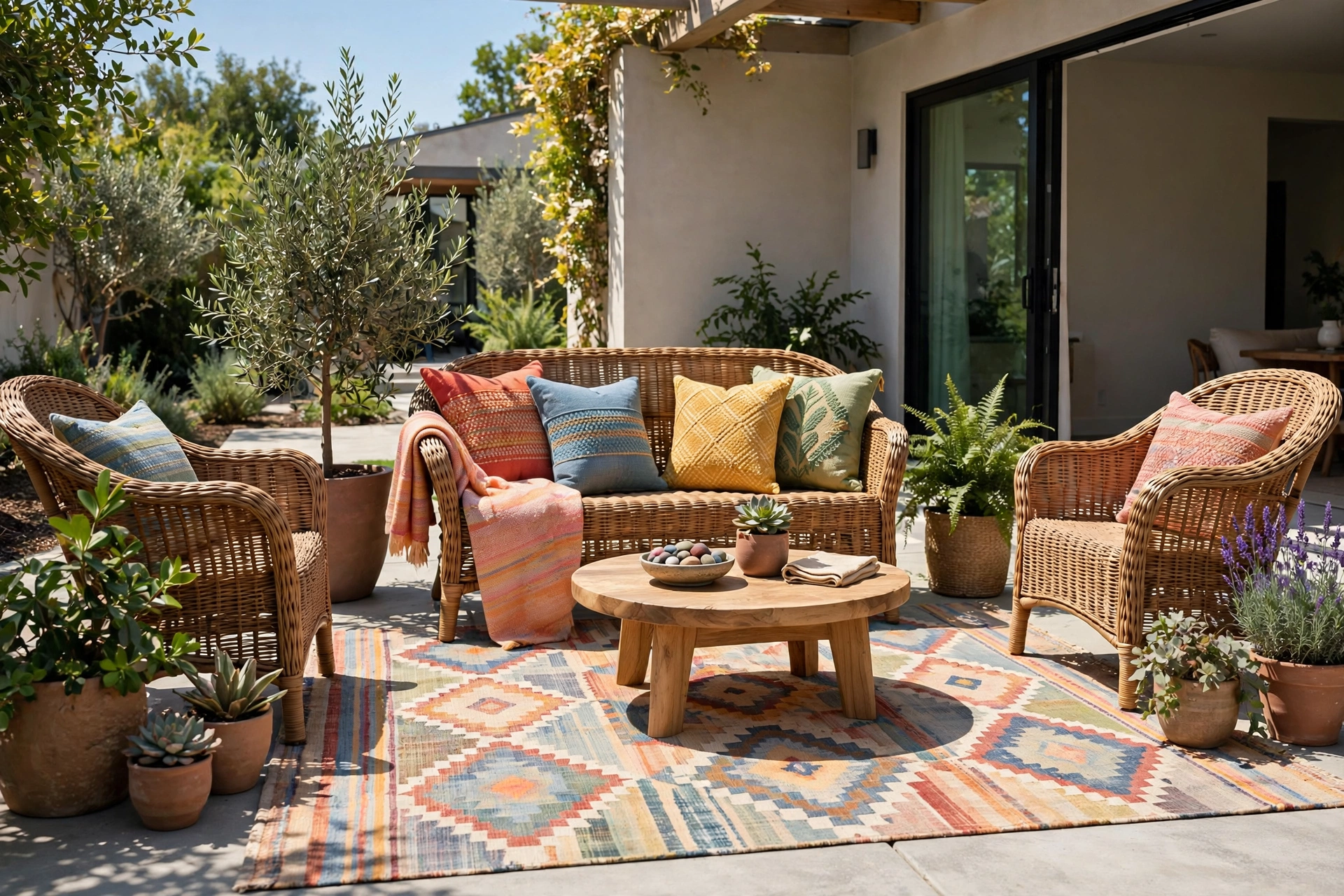
Bare concrete plus bare furniture still looks unfinished — textiles are what make a patio feel decorated. Arrange a proper lounge grouping (sofa or loveseat, two chairs, coffee table) on your outdoor rug, then layer in weatherproof textiles: fade-resistant throw pillows, an outdoor throw blanket, and a shade umbrella for the seating zone. Solution-dyed acrylic fabrics (the kind used in quality outdoor cushions) hold their color for years in strong sun, which matters on an exposed concrete slab. Stick to a simple palette — two main colors plus one accent — so the small space feels curated, not cluttered. This is the step that turns “concrete slab with chairs” into “outdoor living room.”
8. A Fire Bowl as the Patio’s Focal Point
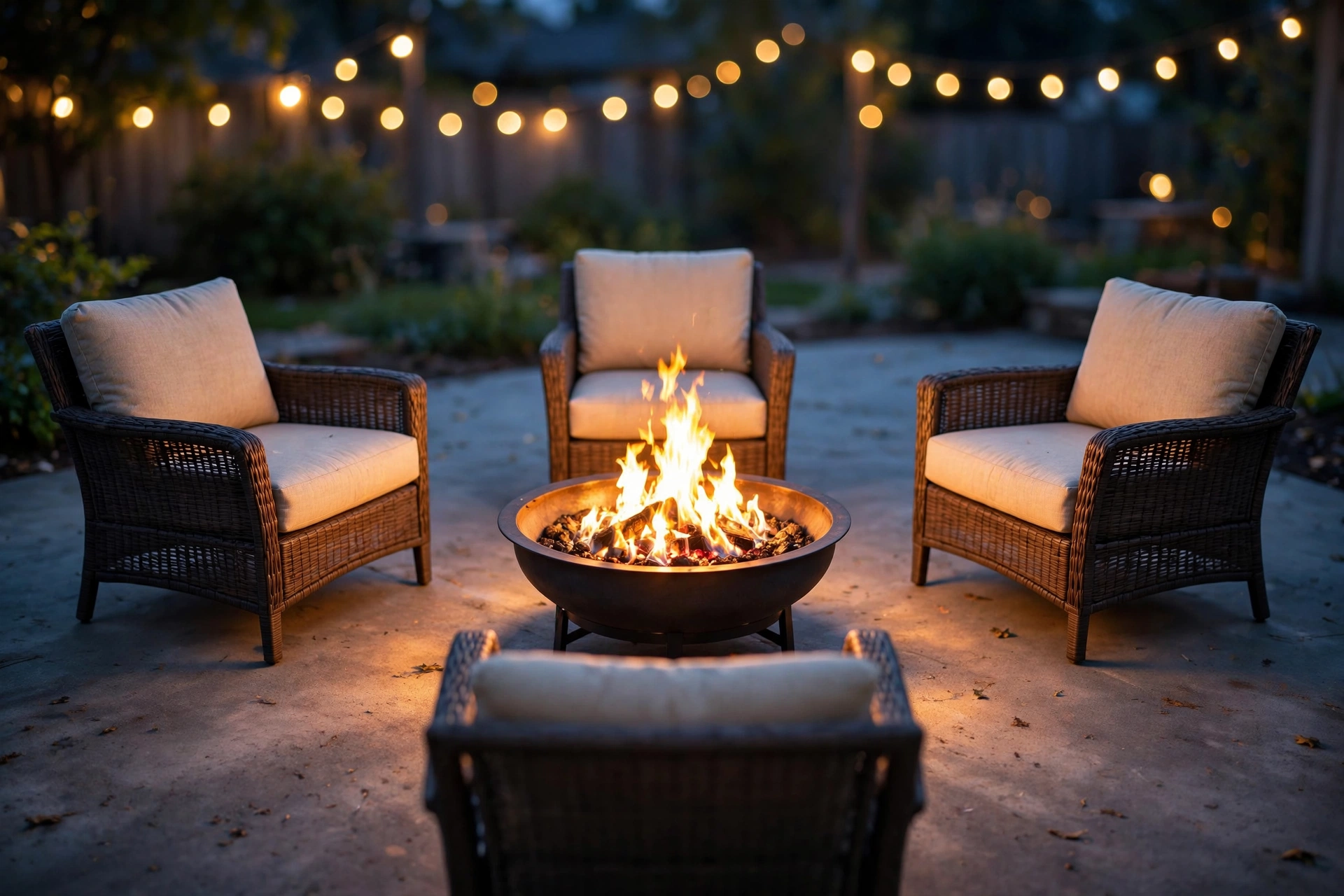
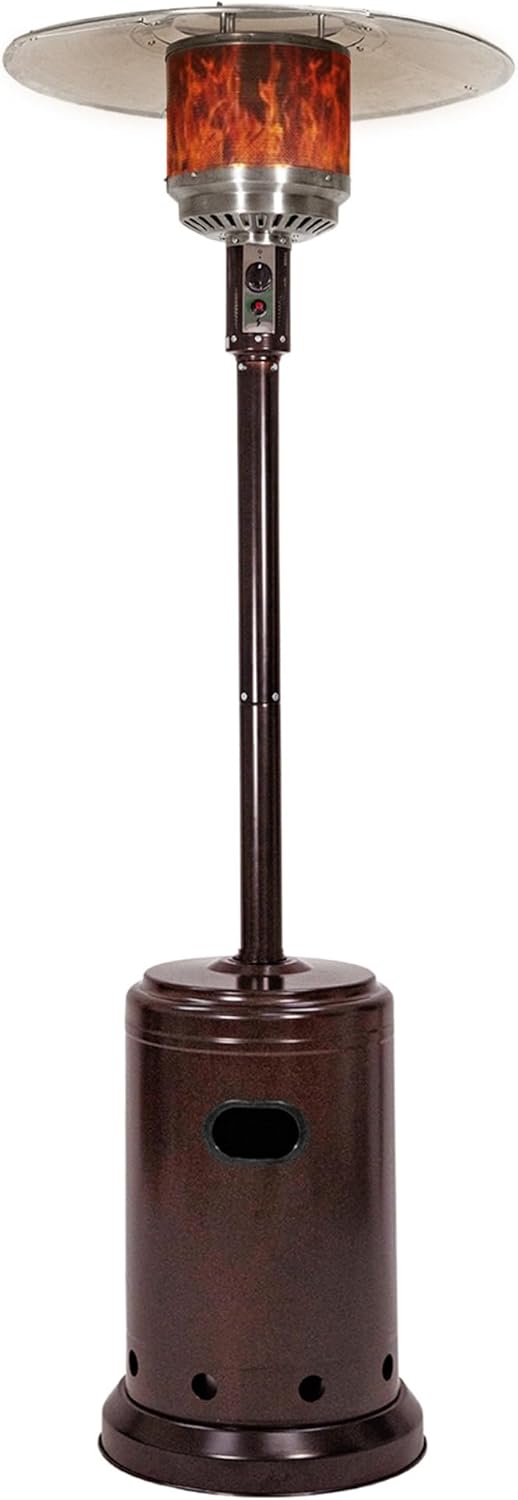
Every decorated space needs a focal point, and on a concrete patio a fire bowl does the job beautifully. A round metal or concrete fire bowl centered on the rug anchors the furniture arrangement and gives the whole patio a reason to gather after dark. On concrete specifically, use a bowl with a stand or legs and place a heat-resistant mat underneath to prevent heat discoloration of the slab. Propane fire bowls are especially concrete-friendly — no embers, no ash stains, instant on and off. Keep the bowl’s scale proportional: a 30- to 36-inch bowl suits most residential patios without overwhelming the seating. Suddenly the gray slab is just the stage — the fire is the show.
9. Add Architecture With a Pergola or Shade Structure
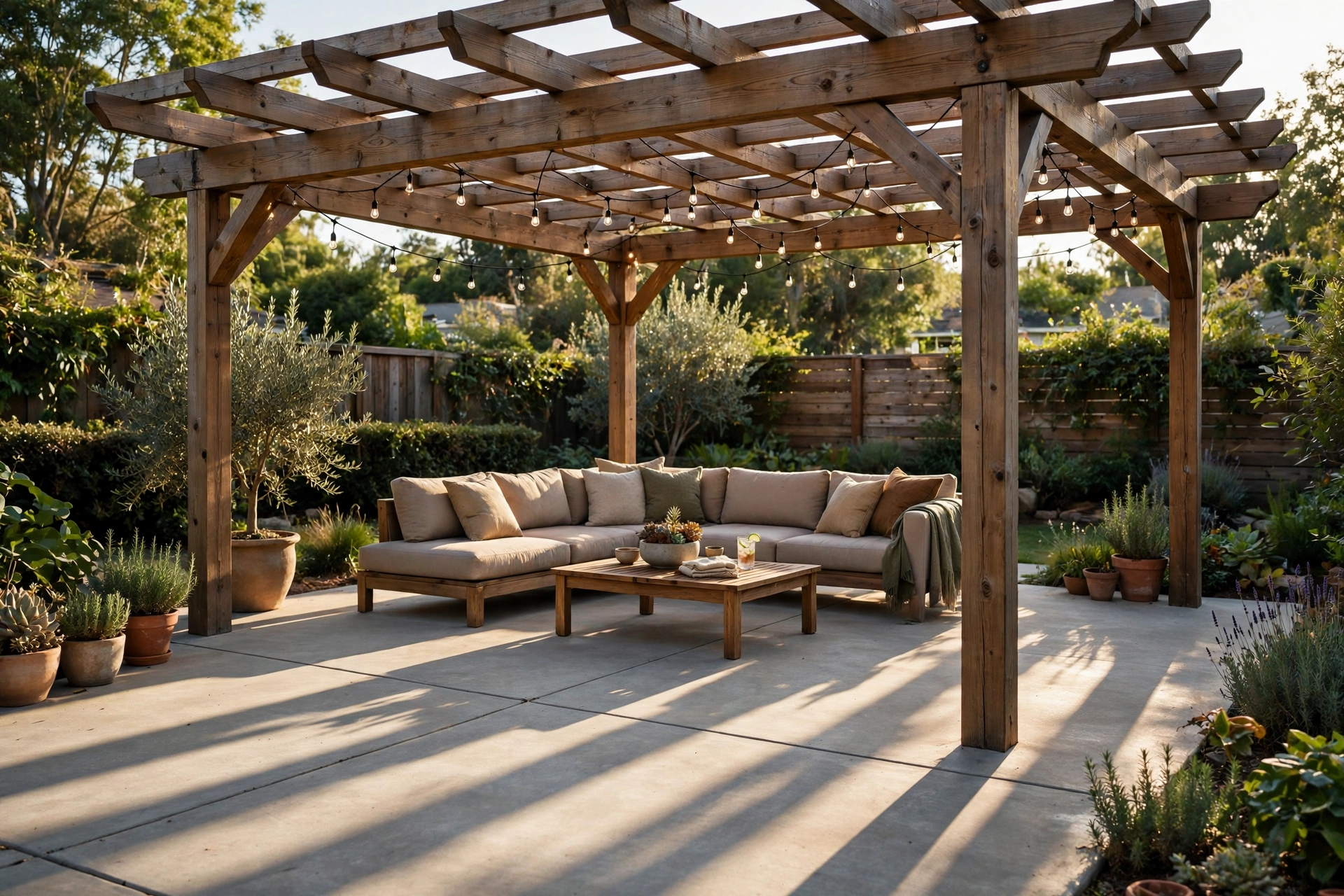
A flat concrete slab with no vertical elements will always look a bit barren — adding a pergola gives it architecture. The posts break up the expanse of gray, the overhead beams add shadow lines that change through the day, and the structure gives you somewhere to hang lights, curtains, and plants. A basic 10×10 pergola kit is a weekend DIY project for two people, and it instantly makes the patio feel like a designed outdoor room rather than a leftover slab. If a pergola is more than you need, even a simple shade sail on posts adds vertical interest. Either way, you’re decorating in three dimensions instead of just dressing the floor.
10. A Water Feature for Sound and Movement
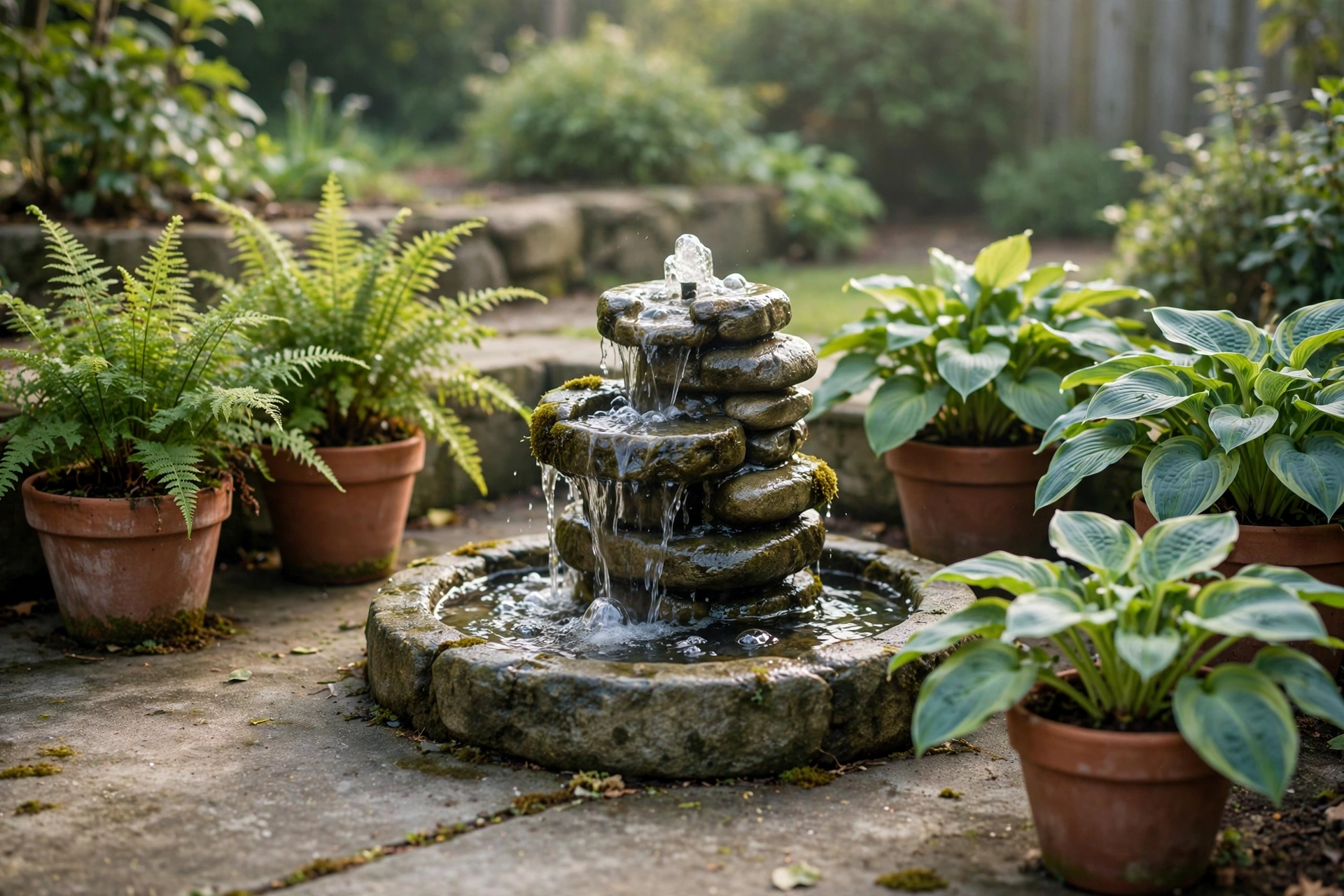
The last layer of concrete patio decor isn’t visual at all — it’s sound. A small fountain or bubbling urn adds moving water that masks traffic noise and makes the patio feel like a retreat. Self-contained fountains need no plumbing: set the basin on the concrete, fill it, and plug in the pump. Place it where you can hear it from the seating area but where splashing won’t keep the slab constantly wet (standing water on concrete invites algae). Solar-powered options work in full-sun spots with no outlet nearby. Combined with plants, textiles, and lighting, the sound of water completes the transformation from “concrete slab” to “backyard sanctuary.”
Frequently Asked Questions
How can I make my concrete patio look nice on a budget?
Start with the highest-impact, lowest-cost moves: pressure-wash the slab, lay a large outdoor rug ($80–$150), add a stenciled border with concrete paint ($30–$60 in materials), and group container plants at the edges. Under $300 total, these four steps transform most concrete patios.
Can you paint a concrete patio?
Yes — use paint formulated for concrete, such as porch-and-floor enamel or concrete stain-paint, over a clean, etched, and primed slab. Regular exterior house paint will peel. Expect to touch up high-traffic areas every two to three years, and avoid painting slabs with active moisture or major cracking issues.
Does concrete stain last on a patio?
Yes, when sealed properly. The stain itself penetrates the concrete permanently, but the protective sealer wears with sun and foot traffic. Reseal every two to four years (more often in harsh sun like Arizona or Texas), and a stained patio will hold its color for a decade or more.
Will an outdoor rug damage my concrete patio?
It can trap moisture and cause mildew or discoloration if left indefinitely. Prevent problems by choosing a breathable, quick-drying outdoor rug, lifting it periodically to let the slab air out, and storing it during long wet spells. With that routine, rugs are perfectly safe on concrete.
Stamped overlay vs. staining: which should I choose?
Choose a stamped overlay if you want dramatic texture and pattern (stone, brick, wood looks) and your slab is sound but ugly — budget $7–$15 per square foot pro-installed. Choose stain if you like your slab’s texture and just want rich color — it’s far cheaper ($2–$6 per square foot DIY) and a manageable weekend project.
Key Takeaways
- Decorating a concrete patio is about layering: rug, color, plants, furniture, lighting, and a focal point.
- Concrete stain and paint are the best budget upgrades; stamped overlays are the most transformative.
- Always seal stained or painted concrete, and reseal every few years for lasting color.
- Keep outdoor rugs breathable and lift them periodically to prevent moisture issues on the slab.
- Add vertical interest (pergola, plants) and sound (a fountain) so the patio engages more than just the eyes.