Never landscaped anything? Start here — no experience, no expensive tools, no design degree required. These 14 projects are ordered easiest-first, each finishable in a weekend, and each teaches a skill you’ll reuse forever. By this time next year, you’ll look at your yard the way gardeners do: as a series of solvable problems, not an overwhelming mess.
1. Edge Your Beds (The 80/20 of Landscaping)
A crisp edge between lawn and bed — cut with a half-moon edger, $25 — makes any yard look professionally maintained. It’s the single highest-impact beginner move.
Best for: literally everyone. Do this first, before anything else.



2. Mulch Everything
Three inches of shredded bark over cardboard smothers weeds, holds moisture, and unifies messy beds. A yard of mulch ($35–$50 delivered) covers about 100 square feet.
Best for: instant tidiness with near-zero skill required.
3. Build One Raised Bed
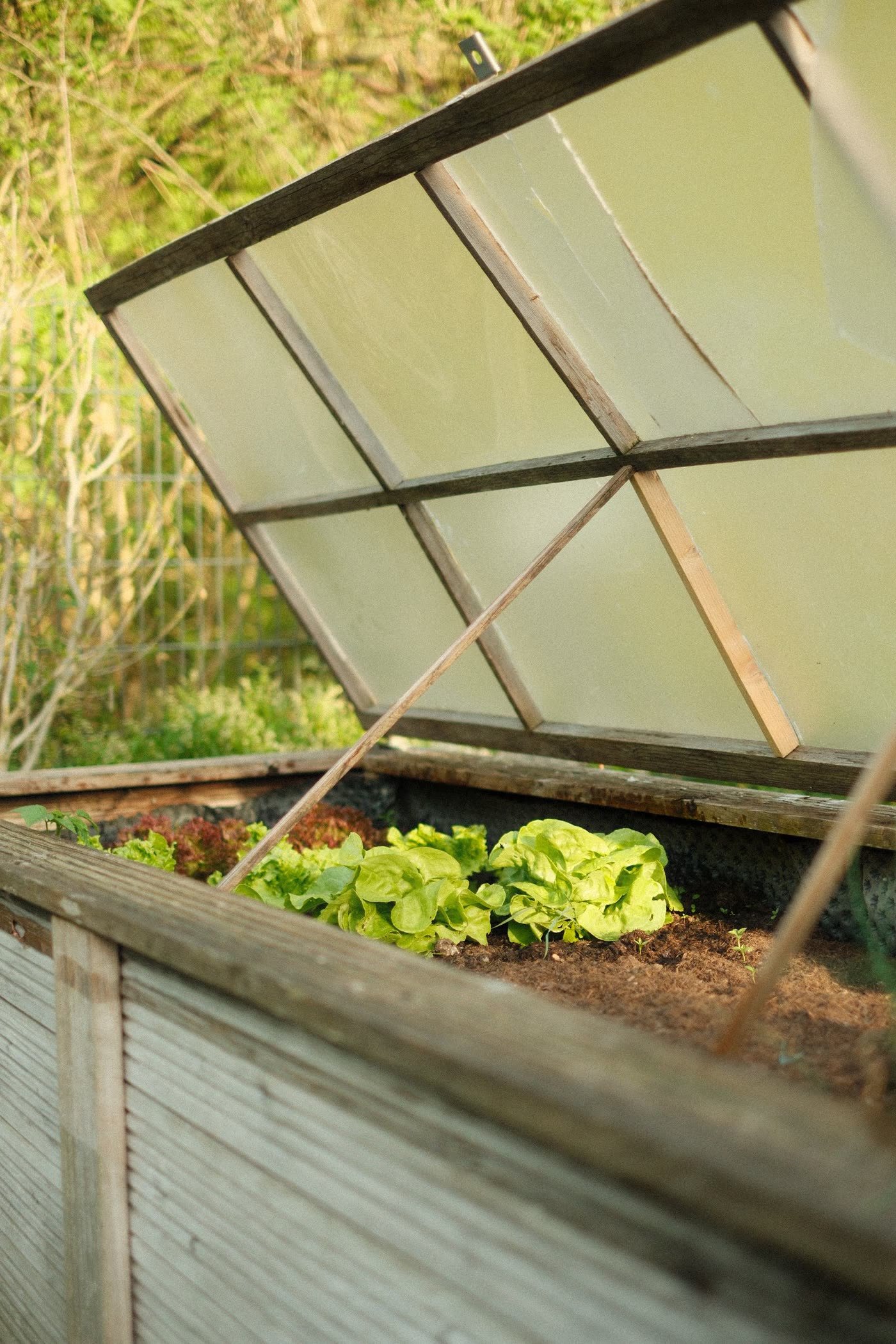
Four 2×6 boards, screwed into a rectangle, filled with bagged soil. You’ve just built a garden bed that drains well and is easy to tend. Total: under $60.
Best for: your first vegetable or flower garden — small, contained, forgiving.
4. Lay a Simple Stepping-Stone Path
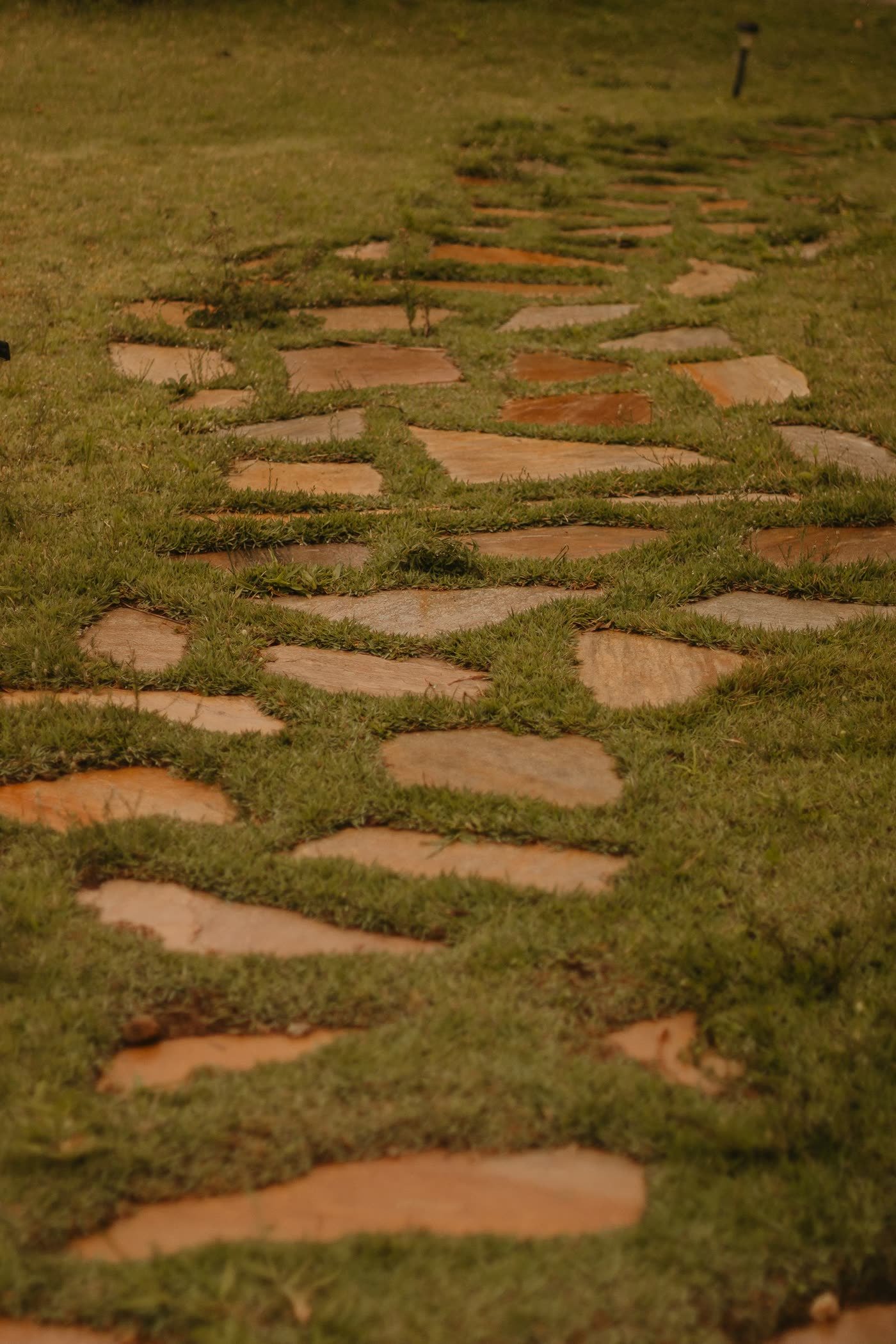
No mortar, no leveling expertise: set flat stones on compacted soil, leaving grass or mulch between. Walk on them for a week, adjust the wobbly ones. Done.
Best for: connecting the patio to the back gate — see https://cozypatiohome.com/backyard-walkway-ideas/ for fancier versions later.
5. Plant a Foundation Shrub Trio

Three of the same easy shrub (boxwood, hydrangea, or spirea depending on zone) along the house foundation. Odd numbers, same plant, evenly spaced — instant curb appeal formula.
Best for: the front of the house or along a bare patio wall.
6. Install Solar Path Lights
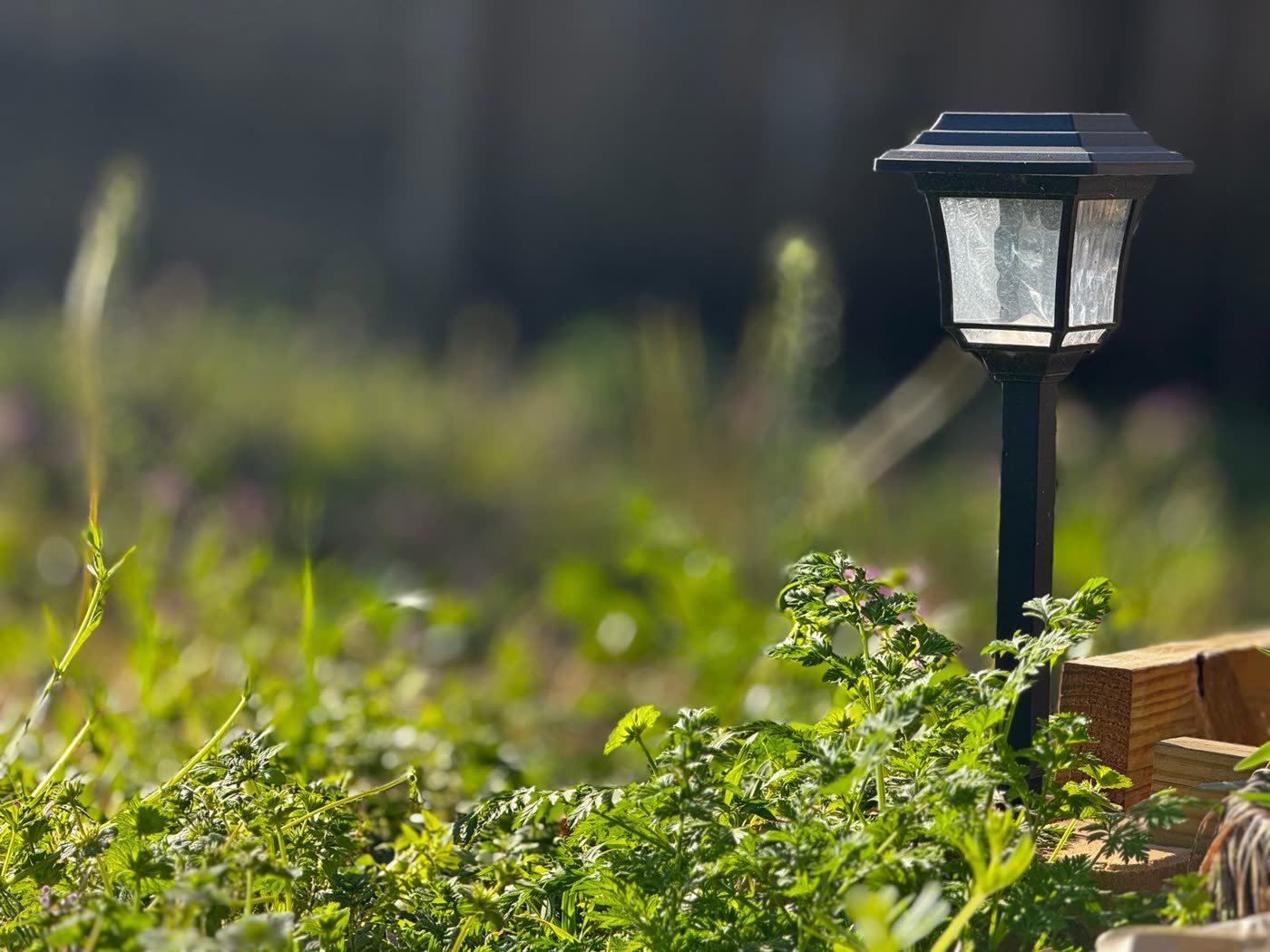
Push them in the ground along your new path. No wiring, no electrician, no decisions harder than “every 6 feet.” They transform the yard at night for $20.
Best for: the easiest possible lighting upgrade.
7. Create a Container Corner
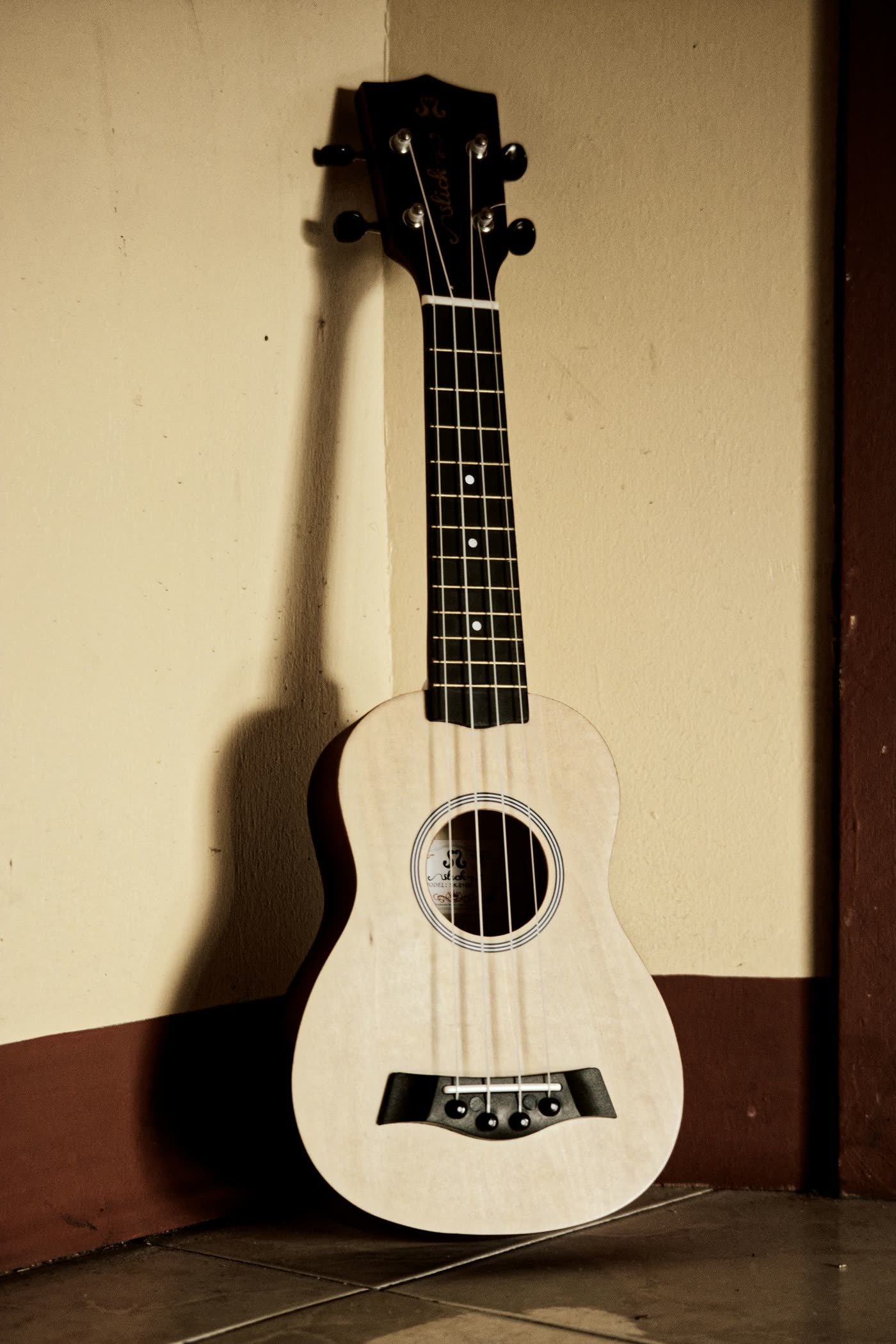
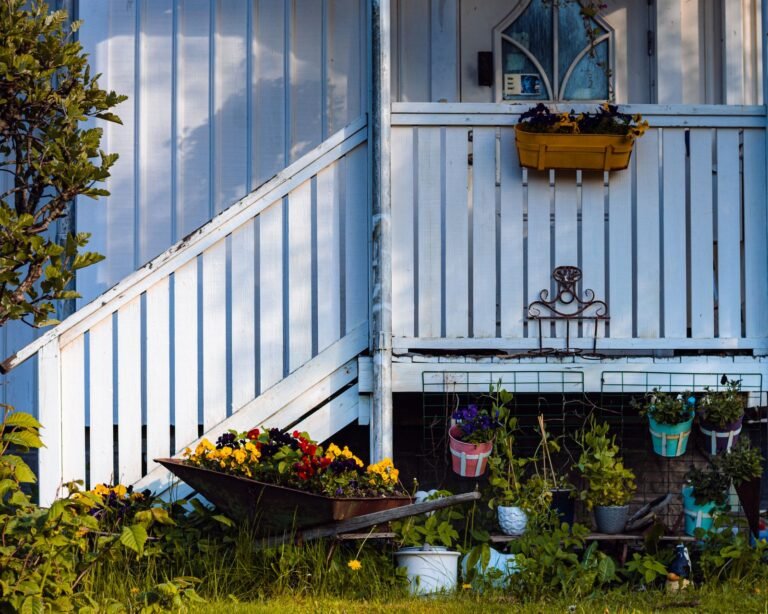
Cluster 5 pots — thriller (tall), filler (mounding), spiller (trailing) in each — in one visible corner. Containers forgive bad soil and let you rearrange until it looks right.
Best for: learning plant combinations without committing to the ground.
8. Sow a Wildflower Patch
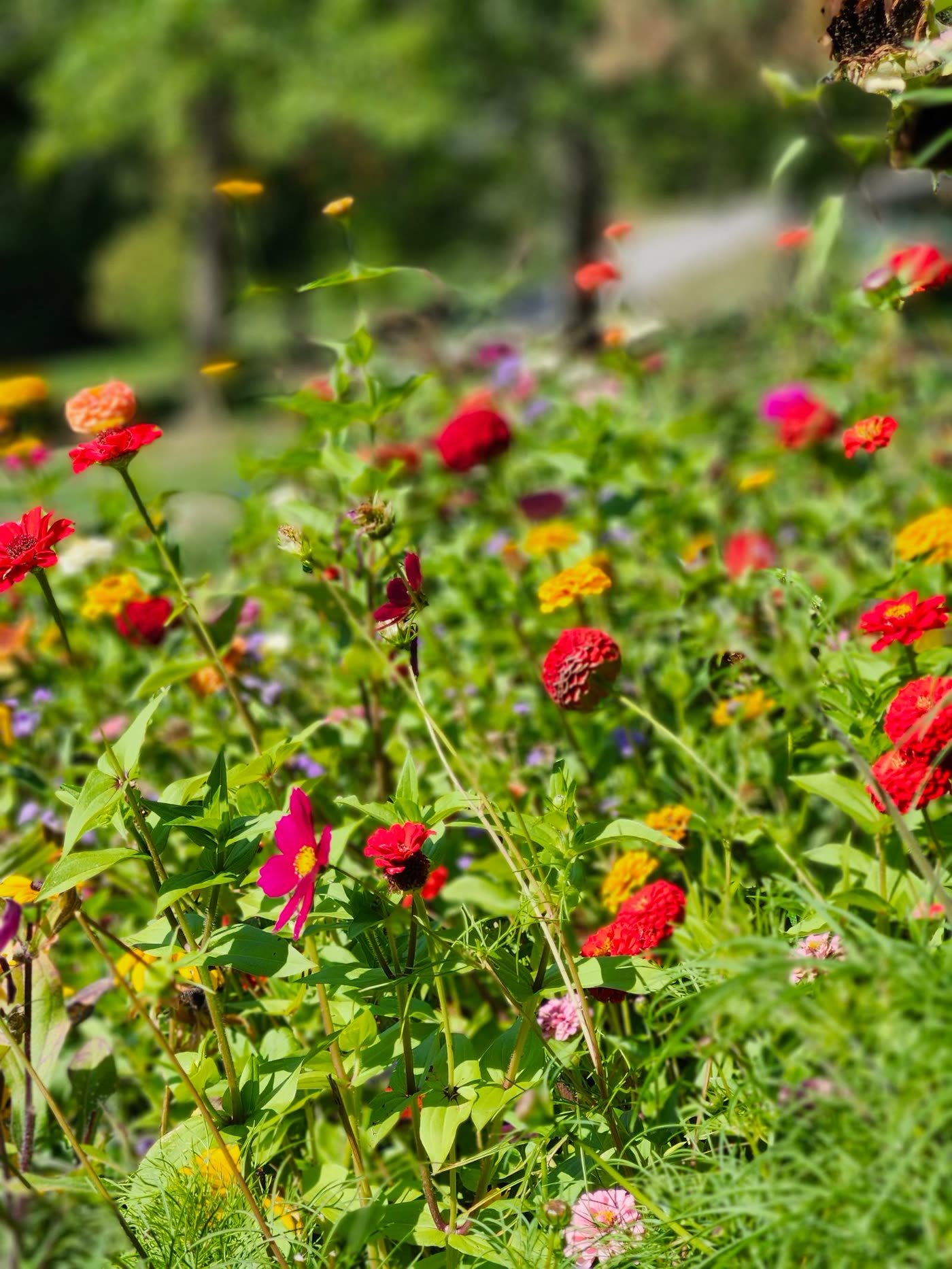
Rake a sunny 4×4 patch, scatter a regional wildflower mix ($10), water until sprouts. In 8 weeks you have a meadow. It’s nearly impossible to mess up.
Best for: the “I kill everything” beginner — wildflowers thrive on neglect.
9. Build a Small Gravel Seating Pad

Landscape fabric, edging, and 4 bags of pea gravel make a charming spot for two chairs. It’s a patio without concrete, permits, or contractors.
Best for: creating a destination in an undefined yard.
10. Plant One Tree (Correctly)
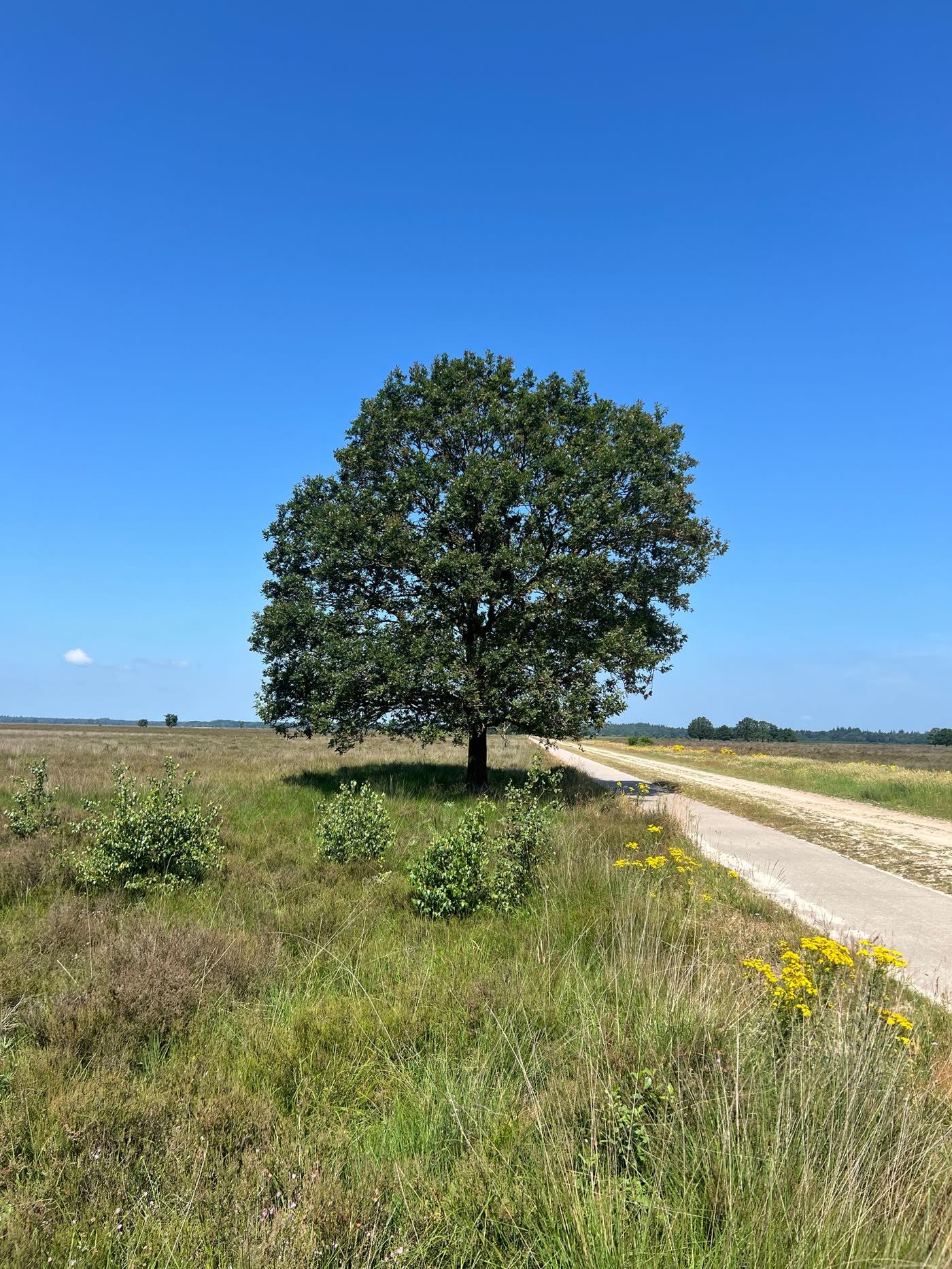
Dig the hole twice as wide as the root ball but no deeper, keep the root flare at soil level, mulch in a donut (never a volcano). One well-planted tree outlives every other project here.
Best for: the legacy move — future-you will be grateful.
11. Top-Dress the Lawn
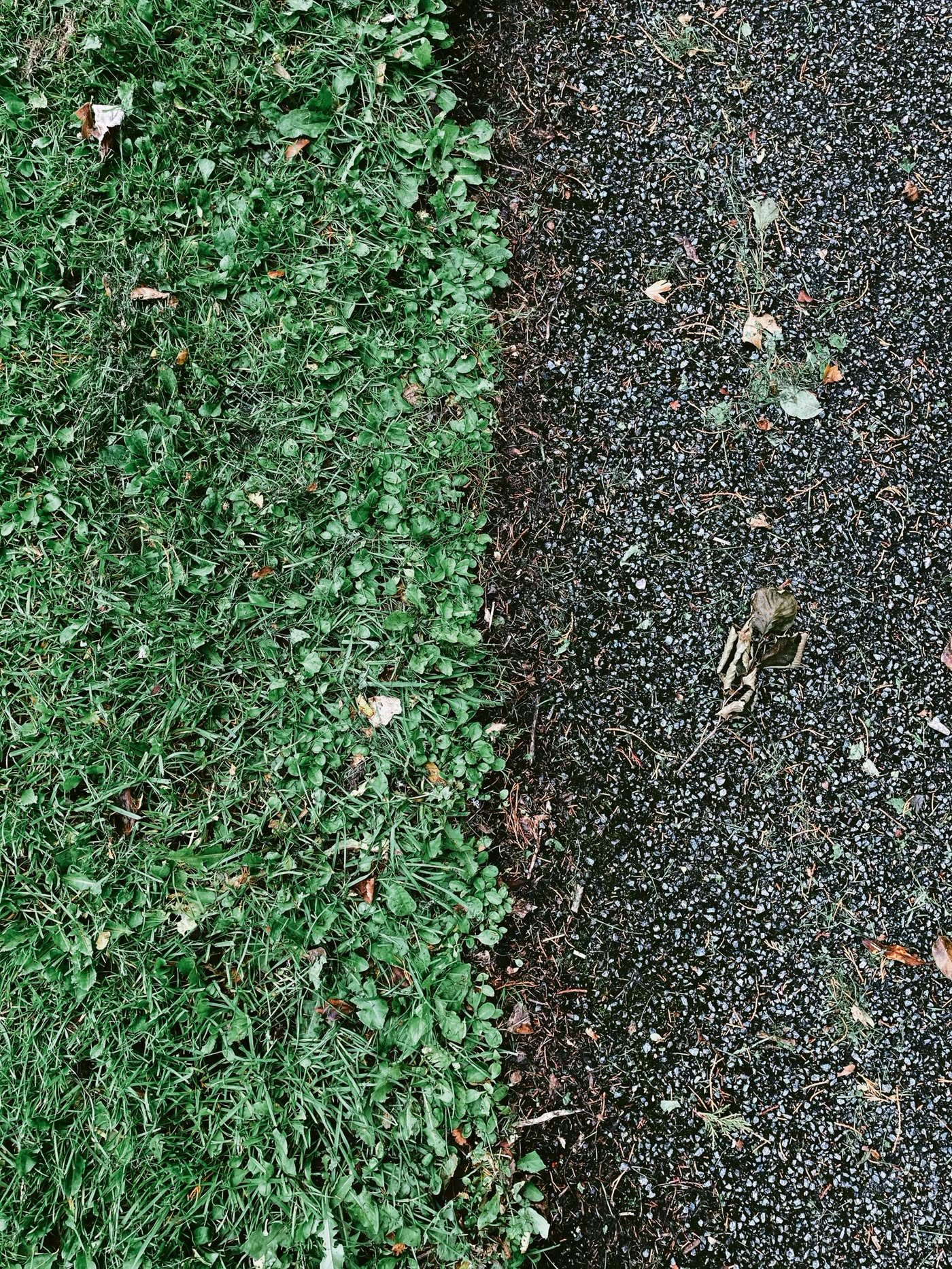
Spread a thin layer of compost over patchy grass in fall. It feeds the soil, fills low spots, and thickens the turf by spring. A $5 bag covers 200 square feet.
Best for: tired lawns that don’t need replacing, just feeding.
12. Add Bed Edging With Steel
Steel landscape edging ($3/foot) gives razor-sharp bed lines that never rot or shift like plastic. Tap it in with a mallet — done in an afternoon.
Best for: upgrading from wobbly plastic edging.
13. Plant Spring Bulbs in Fall
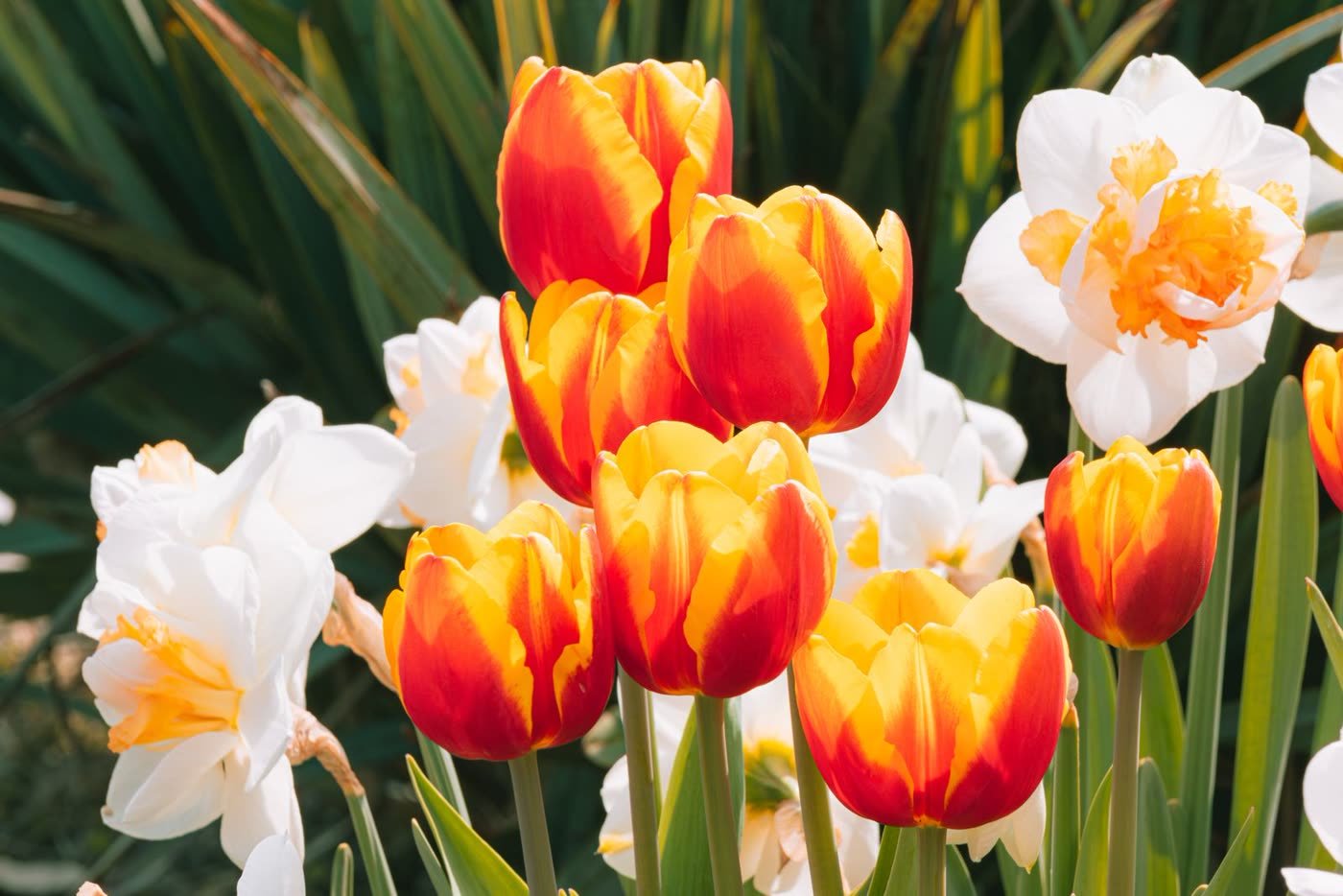
Fifty daffodil bulbs ($15) planted in fall become the easiest spring color you’ll ever grow. Plant in drifts, not rows, for a natural look.
Best for: the highest return on the least effort in all of gardening.
14. Build a Simple Compost Bin
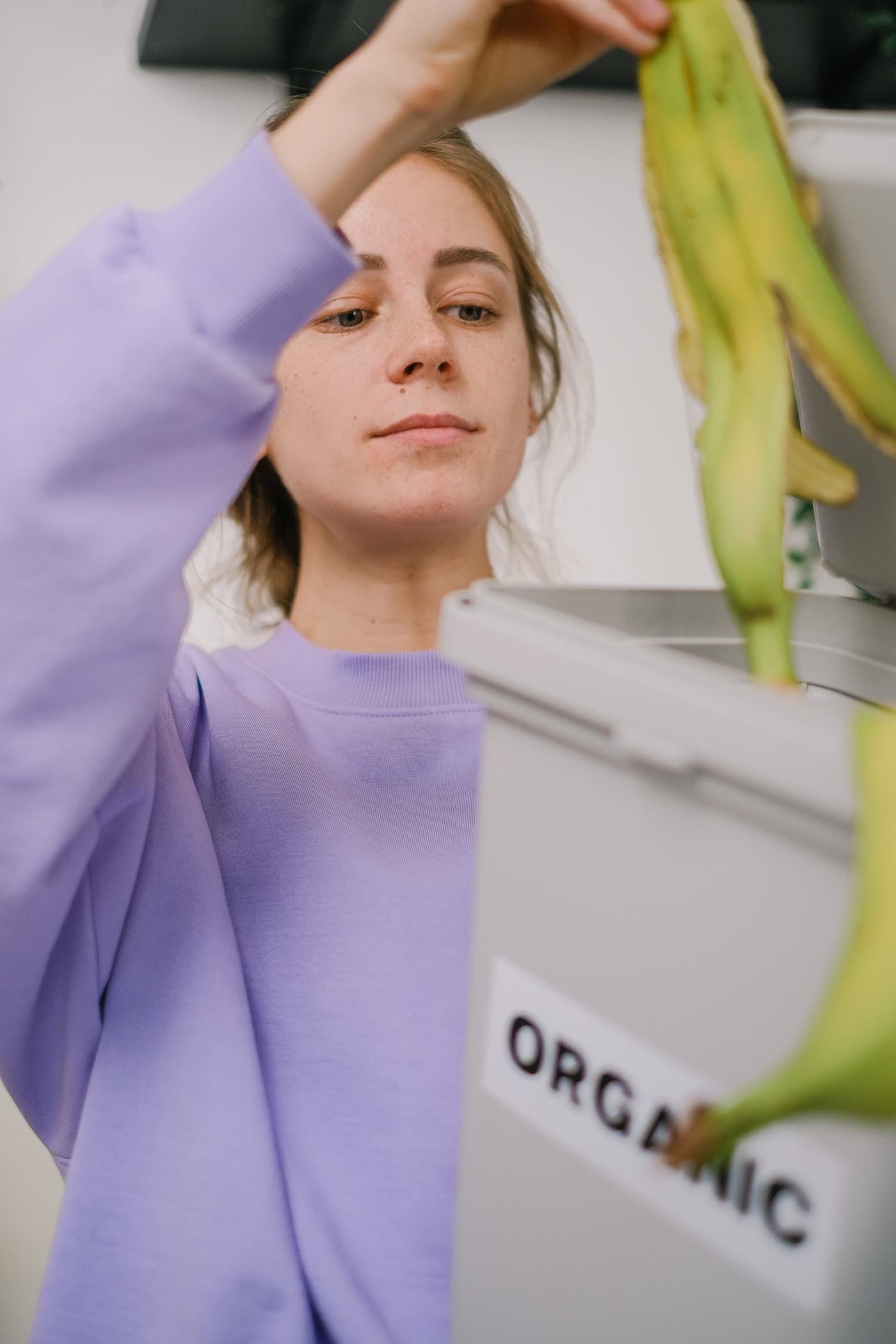
Three pallets wired into a U-shape make a compost bin. Your kitchen scraps become free soil amendment in 6 months.
Best for: closing the loop and cutting soil costs to zero.
Your First-Year Timeline
Don’t do everything at once. Fall: edge, mulch, plant bulbs and one tree. Winter: plan on paper, order seeds, build the raised bed in the garage. Spring: build the bed, lay the path, plant the shrub trio. Summer: containers, wildflowers, and enjoying it. Spreading projects across seasons matches nature’s rhythm — and your budget. By next fall you’ll look back at photos and barely recognize the place, and every skill you learned compounds on the next project.
Tools Worth Buying First
You don’t need a shed full of gear. The beginner’s essential kit: a half-moon edger, a sharp spade, bypass pruners, a garden rake, and a wheelbarrow or garden cart. That’s under $120 total and covers 90% of these projects. Buy the best pruners you can afford — cheap ones blister hands and crush stems — and go mid-range on everything else until you know what you actually use. Borrow the tiller; you’ll use it twice.
Beginner Rules That Prevent Regret
Start small — one bed, not the whole yard. Buy the $25 edger before the $200 plant haul. And photograph everything: progress photos teach you what worked. For surface ideas as you grow, https://cozypatiohome.com/paver-patio-ideas/ is a great next read.
This Old House’s landscaping basics covers soil prep and grading that every beginner should understand.
FAQ
What’s the easiest landscaping project for a total beginner?
Edging plus mulch — two hours, about $50, and your yard instantly looks like someone cares about it. It’s nearly impossible to mess up, teaches you how beds are defined, and the visual payoff is wildly disproportionate to the effort. Every landscaper starts apprentices on edging for a reason.
How much should a beginner spend on landscaping?
$200–$400 covers all fourteen starter projects if you shop smart. Spend on tools and soil first, plants second — a $25 edger and good soil improve every future project, while impulse plant buys often die from poor placement. Buy plants last, after the hardscape is done.
What are the biggest beginner landscaping mistakes?
Planting too close together (read the mature-width tag, not the nursery-pot size), volcano-mulching trees (it rots bark), and trying to landscape the entire yard in one weekend. Small and correct beats big and rushed every time — you can always expand next season.
When is the best time to start landscaping?
Fall is ideal for planting — roots establish over winter and explode in spring. Spring suits building projects like beds and paths. Avoid starting major digging in midsummer heat; plants installed in July face the hardest establishment conditions of the year.