A trellis turns flat garden space into a vertical showpiece — more growing room, more privacy, more wow. Every one of these can be built in a weekend with basic tools.
1. Cattle Panel Arch
Bend a 16-foot cattle panel into an arch between two raised beds or T-posts. Under $30, insanely strong, and it turns a path into a tunnel of beans, cucumbers, or morning glories.
Best for: The single highest-impact trellis per dollar, period.
2. Cedar Obelisk
Four tapered legs joined at the top with cross slats — a classic English garden shape. Perfect for one clematis or sweet pea plant in a pot or bed corner.
Best for: Container gardens and formal corners.




3. Fan Trellis Against a Wall
Furring strips fanned from a single base point, mounted on a fence or wall. Elegant, cheap (under $15), and ideal for espalier fruit or climbing roses.
Best for: Flat walls and fences that need softening.
4. A-Frame Trellis
Two cattle panels or lattice sheets leaned together and wired at the top. Cucumbers and squash hang underneath where they’re easy to pick and stay clean.
Best for: Vegetable gardeners — the most practical food trellis.
5. Branch Teepee
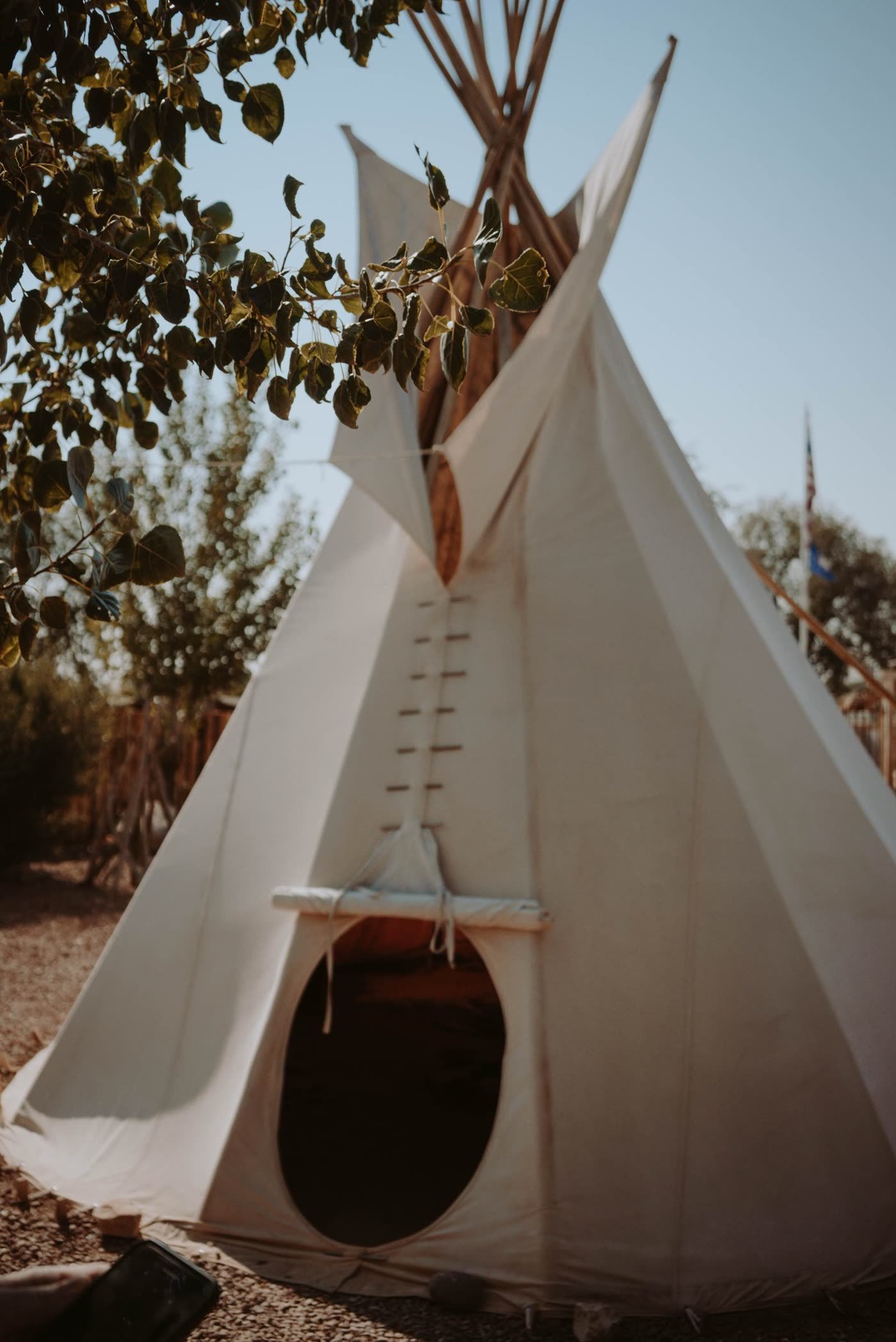
Lash 6–8 straight branches (or bamboo poles) into a teepee and wrap with twine spirals. Free if you have prunings, rustic and charming.
Best for: Cottage gardens and kids’ bean teepees.
6. Copper Pipe Trellis
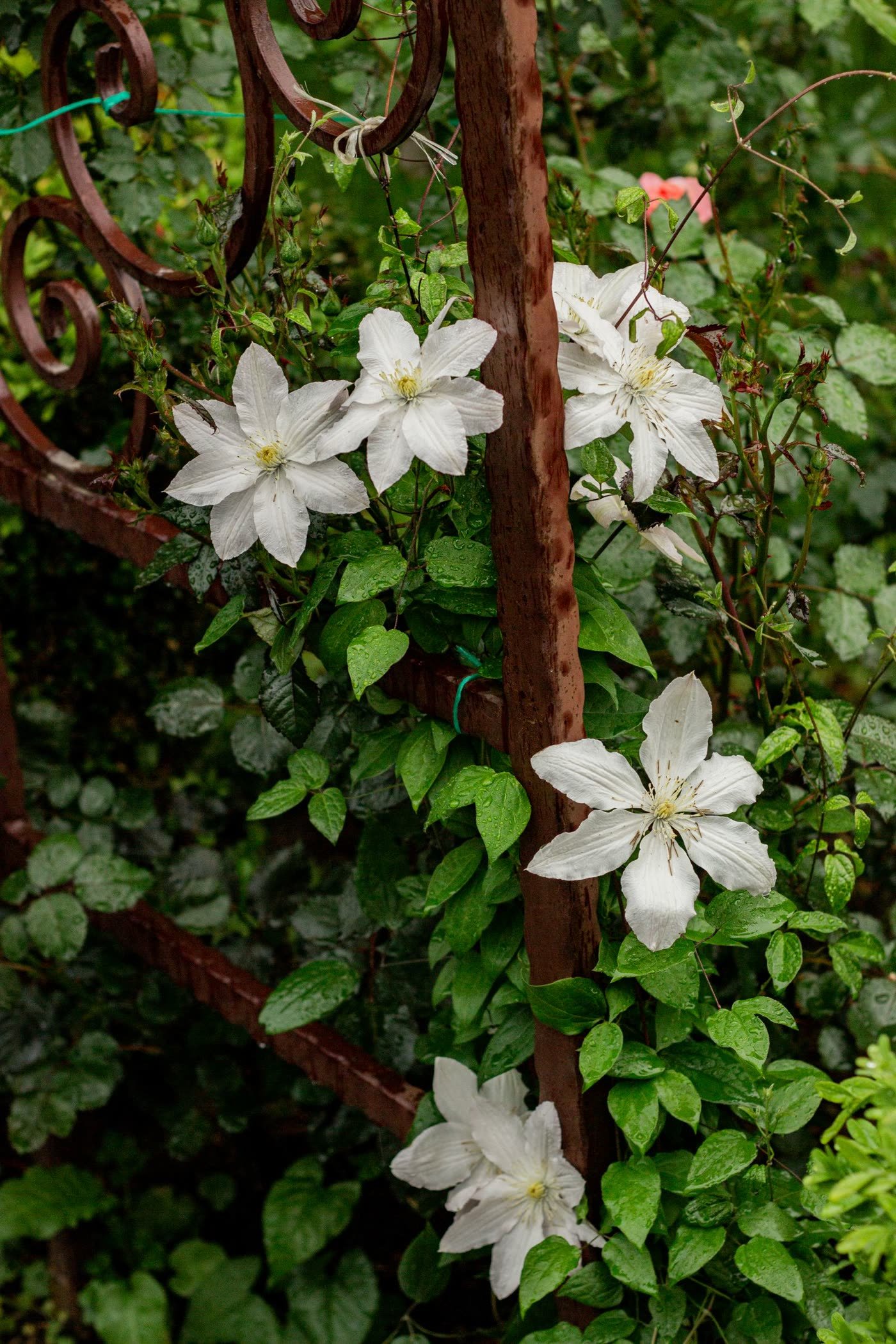
½-inch copper pipes joined with elbow fittings into geometric shapes. It develops a beautiful patina and lasts essentially forever.
Best for: A jewelry-like accent trellis worth showing off.
7. Remesh Panel Trellis
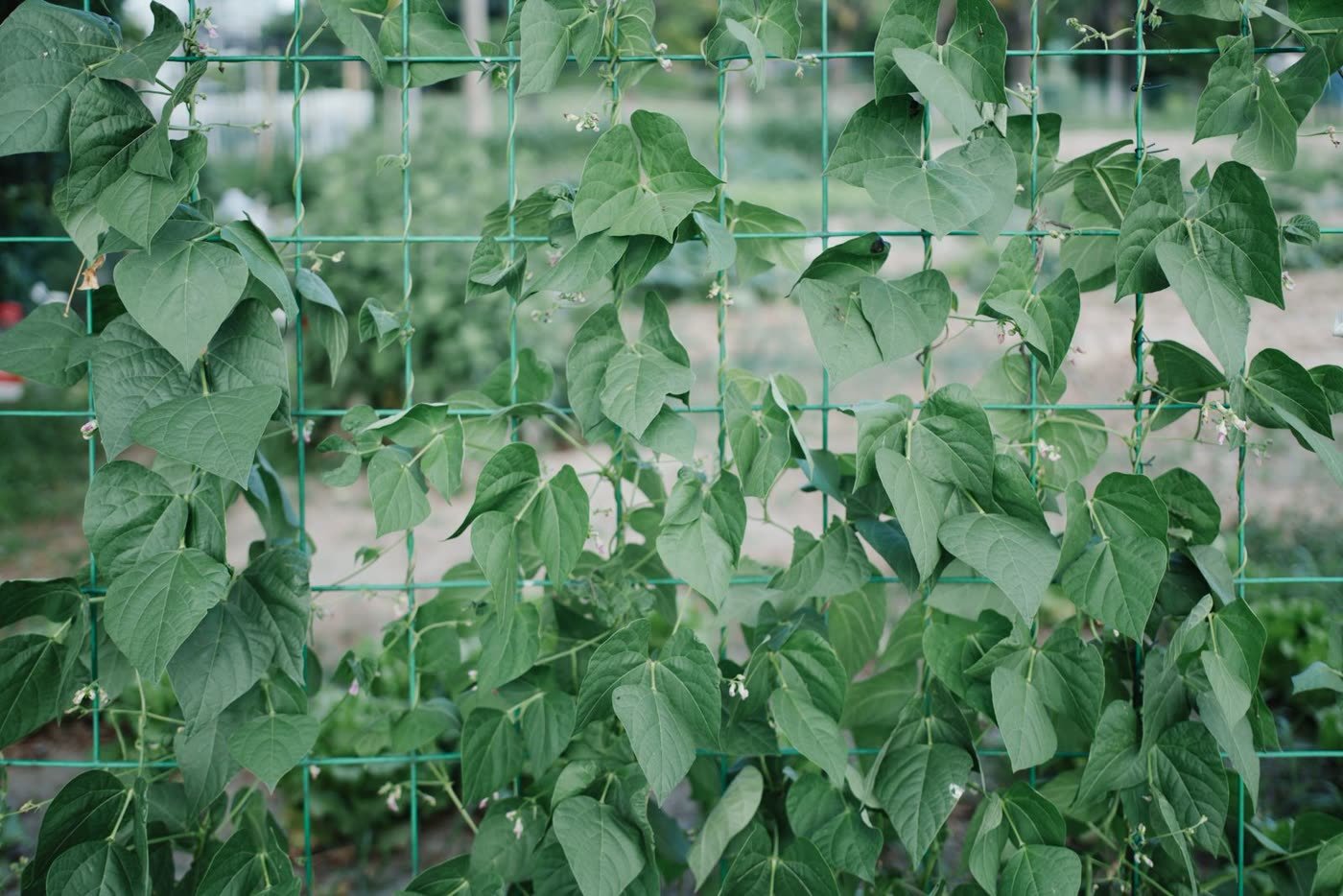
Concrete reinforcing mesh (remesh) zip-tied to T-posts. The 6-inch grid is perfect for peas, beans, and cucumbers. About $12 per 7-foot panel.
Best for: Serious vegetable growers on a budget.
8. Ladder Trellis
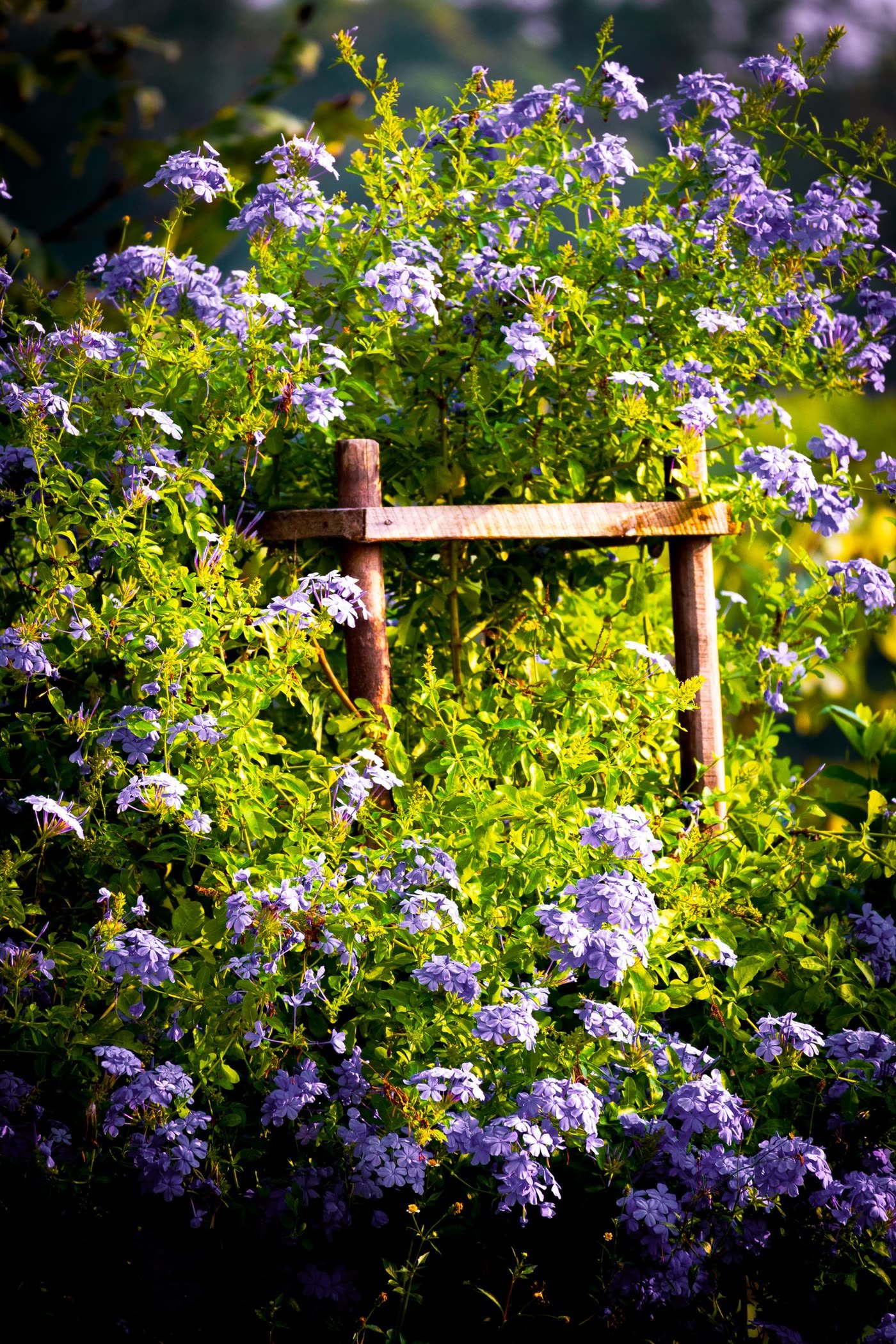
An old wooden ladder leaned against a wall or fence — instant vintage trellis. Sand lightly, seal with exterior poly, plant morning glories at the base.
Best for: Thrift-store finds and shabby-chic patios.
9. String Trellis on a Frame

A simple 2×4 frame with garden twine strung vertically every 6 inches. Tomatoes, peas, and pole beans climb it happily; replace the twine yearly.
Best for: The cheapest functional trellis that actually works.
10. Arched Entry Trellis
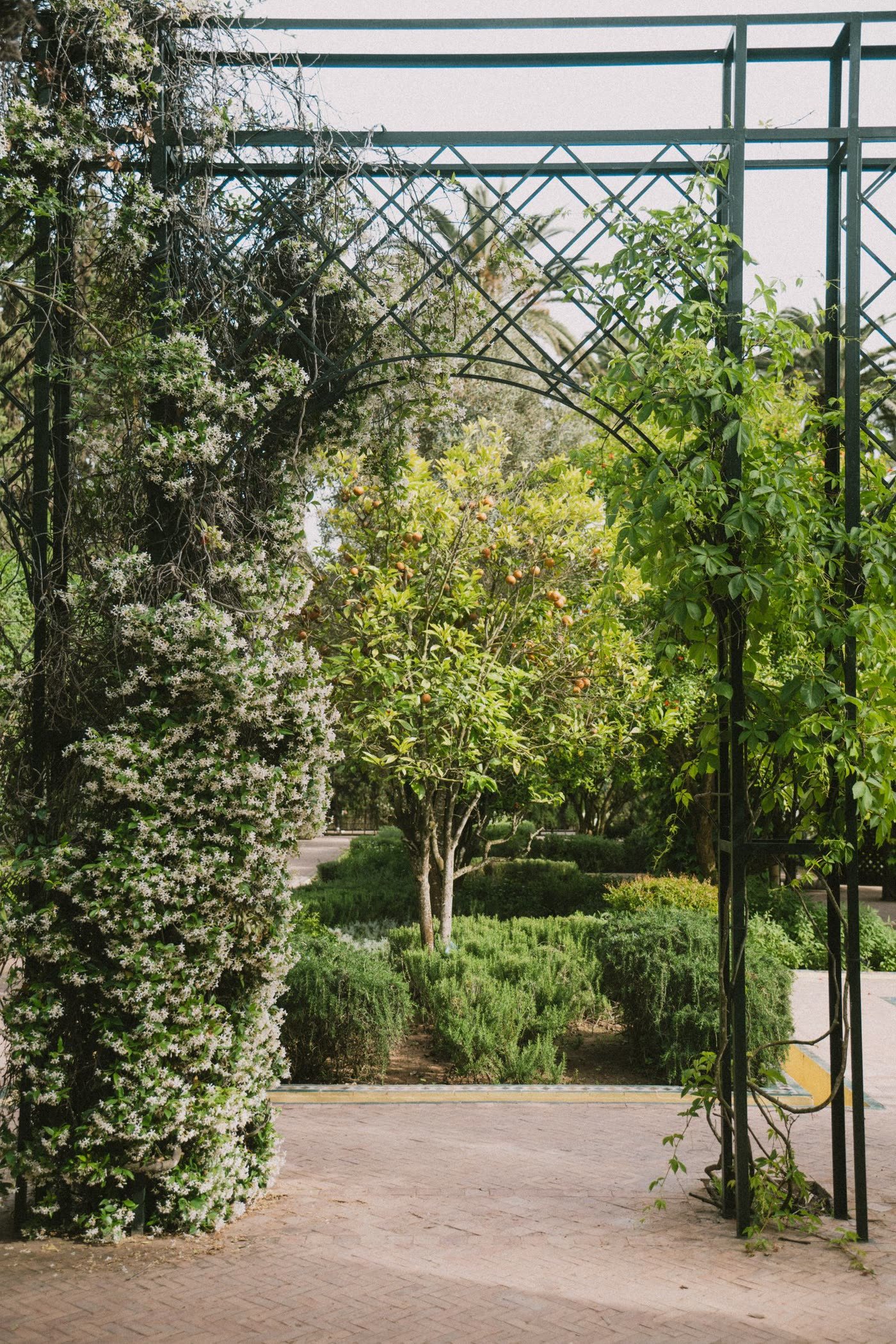
Two 4×4 posts with a curved or peaked top spanning a garden path. The “gateway” moment makes any garden feel designed.
Best for: Defining entrances and creating garden “rooms.”
11. Obelisk Trio

Three matching obelisks in a row along a bed — rhythm and repetition that looks professionally landscaped. Build once, copy twice.
Best for: Long beds that need structure.
12. Hog Wire Fence Panels
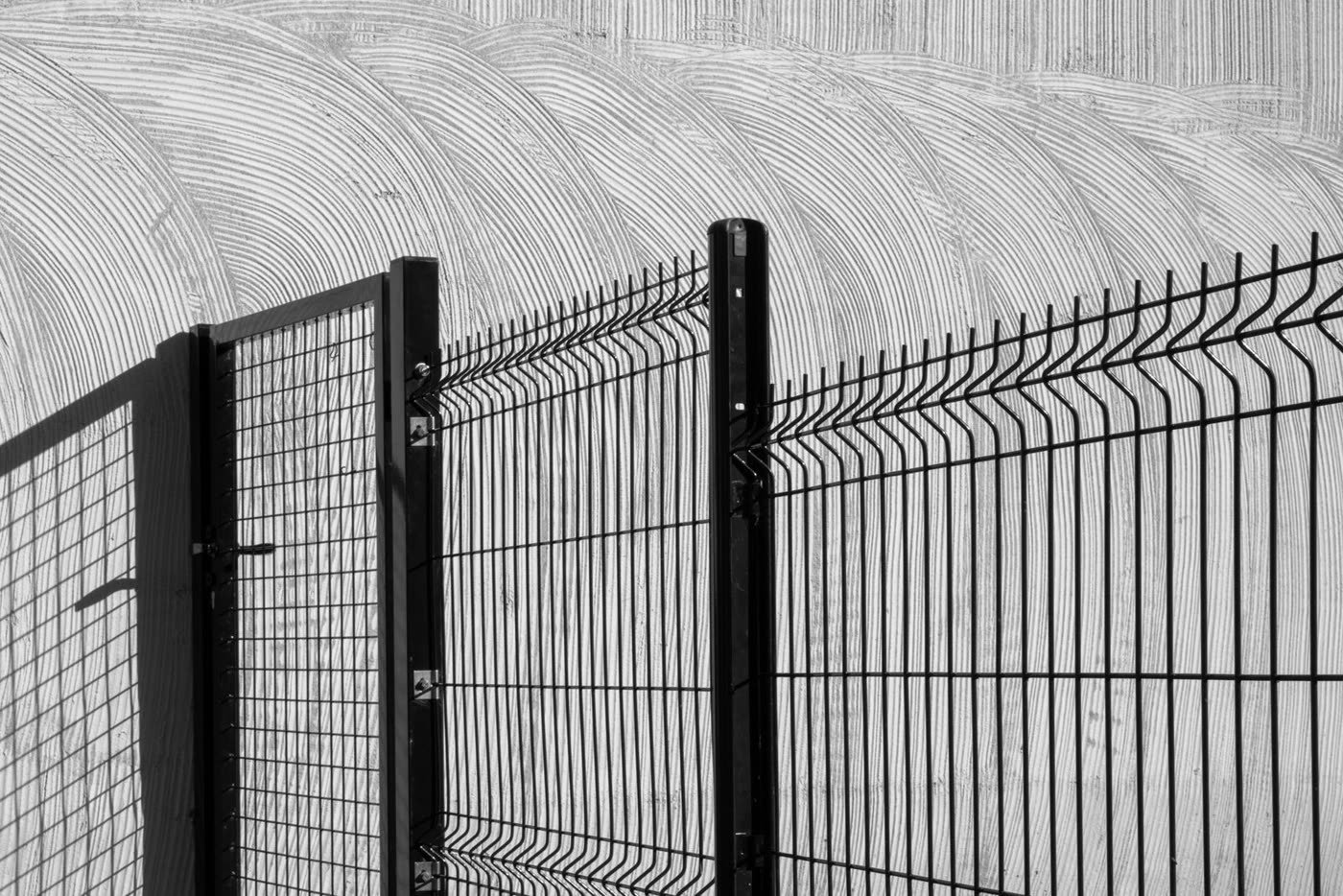
Framed 4×8 hog-wire panels mounted between posts along a property line. Airy enough to see through, strong enough for heavy vines like wisteria.
Best for: Semi-private boundaries that don’t feel like walls.
13. Pyramid Trellis

Four legs meeting at a point with horizontal rungs — like an obelisk but squatter and sturdier. Great centerpiece for a round bed.
Best for: Center-of-bed focal points.
14. Wall-Mounted Grid
A simple cedar grid screwed to standoff blocks on a house wall (standoffs keep air flowing behind the vine). Jasmine or climbing hydrangea will cover it in two seasons.
Best for: Bare house walls begging for softness.
15. Living Willow Trellis
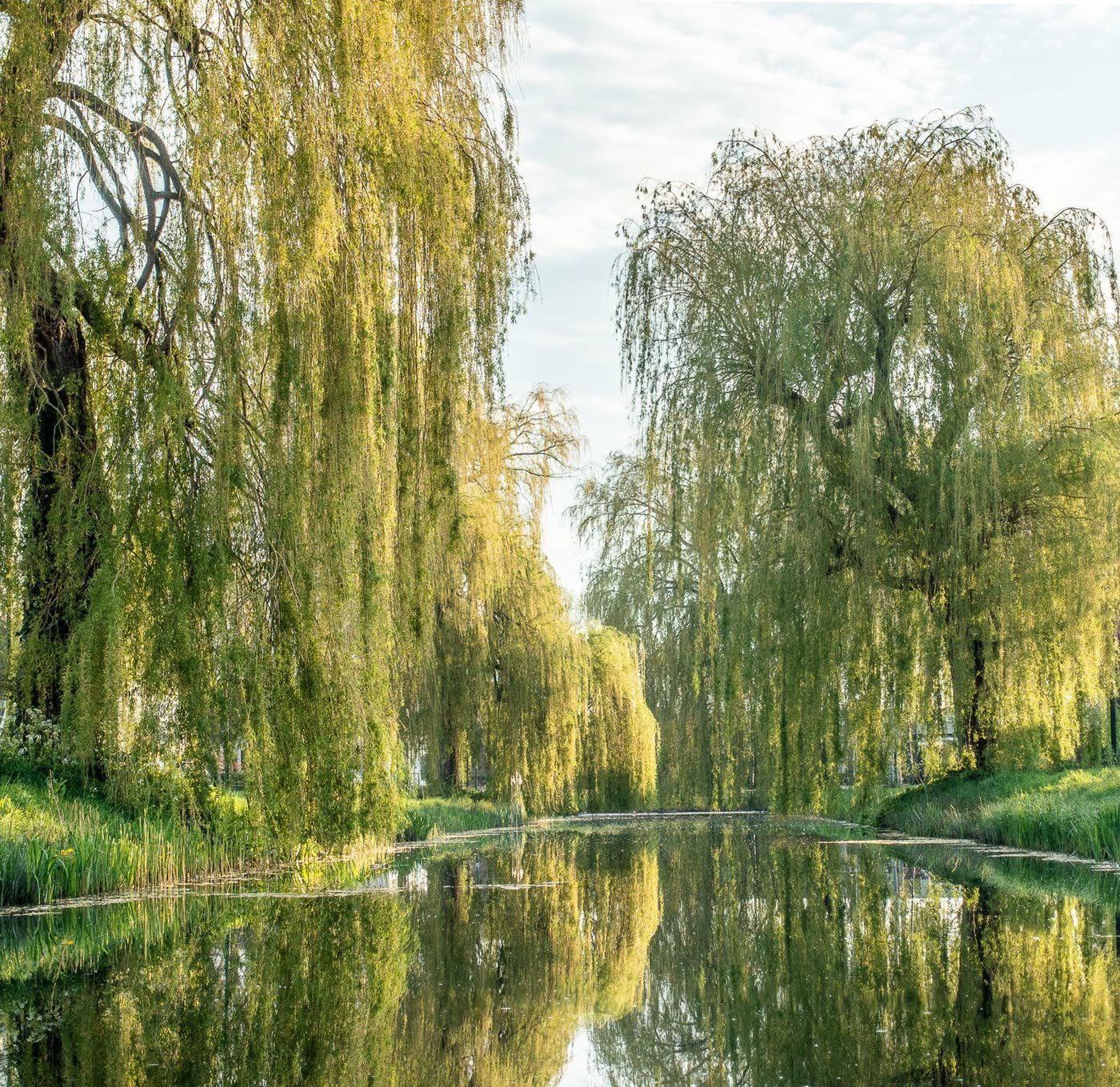
Weave fresh willow whips into a fedge or dome in early spring — they root and leaf out into a living structure. Magical and nearly free if willow grows nearby.
Best for: Patient gardeners who want something truly unique.
Choosing the Right Trellis Material
| Material | Cost | Lifespan | Best for |
|---|---|---|---|
| Cedar | $$ | 10–15 yrs | Permanent, beautiful trellises |
| Pressure-treated pine | $ | 8–12 yrs | Budget permanent builds |
| Metal (cattle panel, remesh) | $ | 20+ yrs | Vegetable gardens, heavy vines |
| Bamboo | $ | 2–3 yrs | Temporary, lightweight climbers |
| Copper pipe | $$$ | 30+ yrs | Decorative focal trellises |
| Branches/twigs | Free | 1–2 yrs | Rustic, seasonal structures |
Rule of thumb: match the trellis lifespan to the plant. Don’t build a 2-year twig teepee for a wisteria that lives 50 years — and don’t overbuild for annual morning glories.
Trellis Maintenance Checklist
- Spring: Check for winter damage, tighten wires and lashings, re-stain wood if the finish is failing.
- Summer: Tie in new growth every 2–3 weeks during peak growing season — a five-minute job that prevents tangled messes.
- Fall: Cut back annual vines and compost them. Leave perennial vines in place.
- Winter: In snow country, knock heavy snow off flat-topped trellises to prevent collapse.
A well-maintained cedar or metal trellis easily lasts 15–20 years — the plants come and go, but the structure becomes a permanent garden feature.
Best Plants for Each Trellis Type
Light trellises (string, branches, bamboo): sweet peas, morning glories, hyacinth bean, scarlet runner beans — annuals under 10 lbs mature weight.
Medium trellises (lattice, fan, obelisk): clematis, honeysuckle, jasmine, climbing roses, cucumbers, pole beans — perennials and productive vines up to 25 lbs.
Heavy-duty trellises (cattle panel, hog wire, posts in concrete): wisteria, trumpet vine, grapes, kiwi, espalier fruit — woody monsters that will destroy anything flimsy. When in doubt about a plant’s vigor, overbuild.
Edible quick wins: If you only build one trellis this year, make it a cattle panel arch over a path and plant pole beans — you’ll harvest for months from 8 square feet of ground.
Pair your trellis with plantings from our backyard fence line landscaping ideas, or dress up the whole area with DIY patio decor ideas. Fine Gardening’s trellis design basics is a great deeper read.
FAQ
What is the cheapest DIY trellis?
A string trellis on scrap 2×4s costs under $10. Branch teepees are free if you have prunings. For longevity per dollar, cattle panels (~$25) are unbeatable.
How tall should a garden trellis be?
Six to eight feet for most climbers — pole beans reach 8–10 feet, cucumbers 6 feet, clematis 6–12 feet depending on variety. Match the trellis to the plant, not the other way around.
Do trellises need to be anchored?
Yes — a vine-covered trellis catches serious wind. Sink legs 12–18 inches into the ground or attach to posts set in concrete. A toppled trellis mid-season is heartbreaking.
What grows fastest on a trellis?
Morning glories and hyacinth bean vine cover a 6-foot trellis in one summer from seed. For perennials, clematis and honeysuckle establish fast. For food: pole beans and cucumbers.