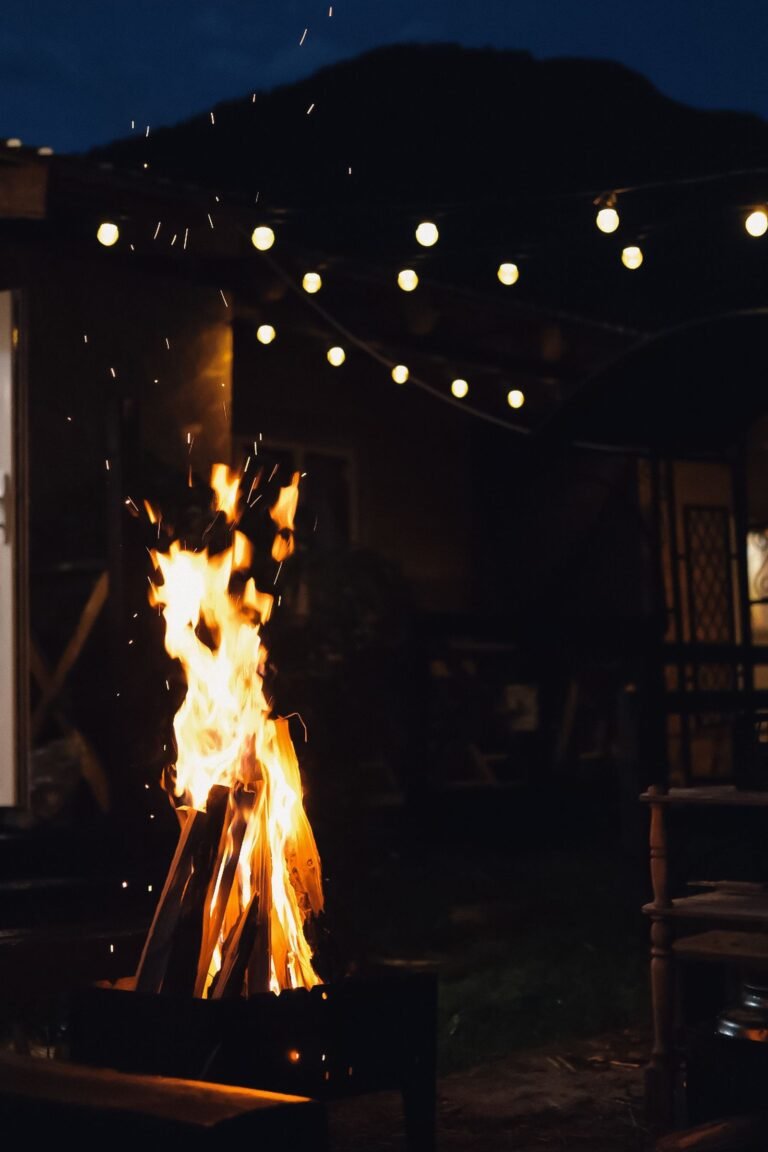
A dark deck is a wasted deck — and a tripping hazard. These 12 ideas zone your deck lighting into safety (stairs, edges) and ambiance (rails, posts) so you get both without turning the backyard into a stadium.
1. Solar Post Cap Lights
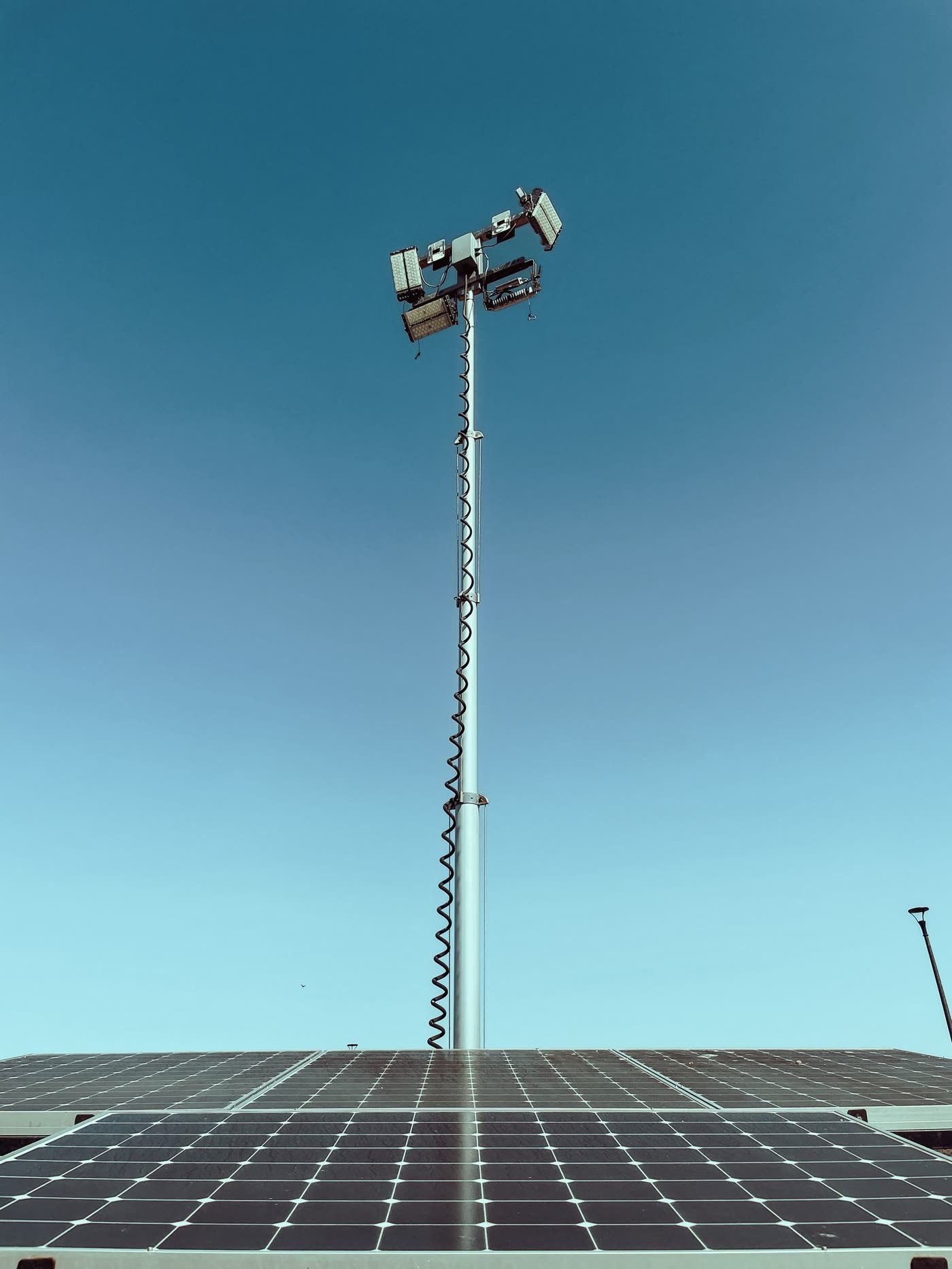
Swap plain post caps for solar cap lights that charge by day and glow all night. They’re the single easiest deck upgrade — no wiring, just set them on the posts.
Best for: Instant results with zero electrical work.




2. Recessed Stair Riser Lights

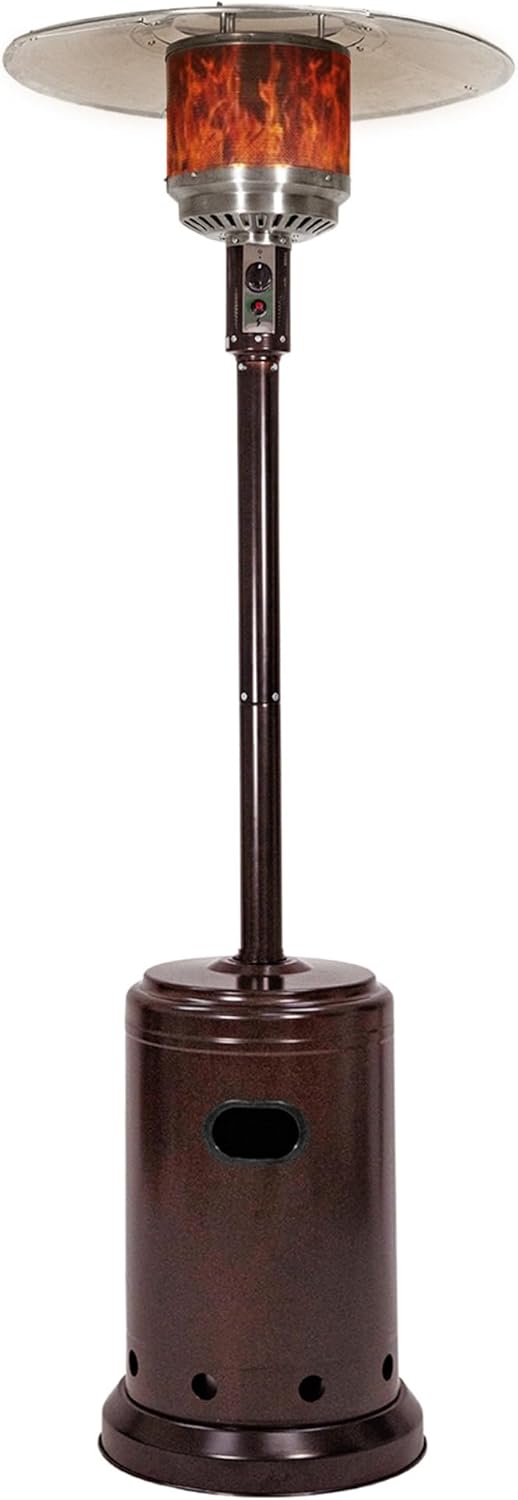
Mount small LED fixtures on each stair riser so every step edge is visible. This is the #1 safety upgrade for decks with more than three steps.
Best for: Multi-level decks and homes with kids or older guests.
3. Under-Rail Strip Lighting
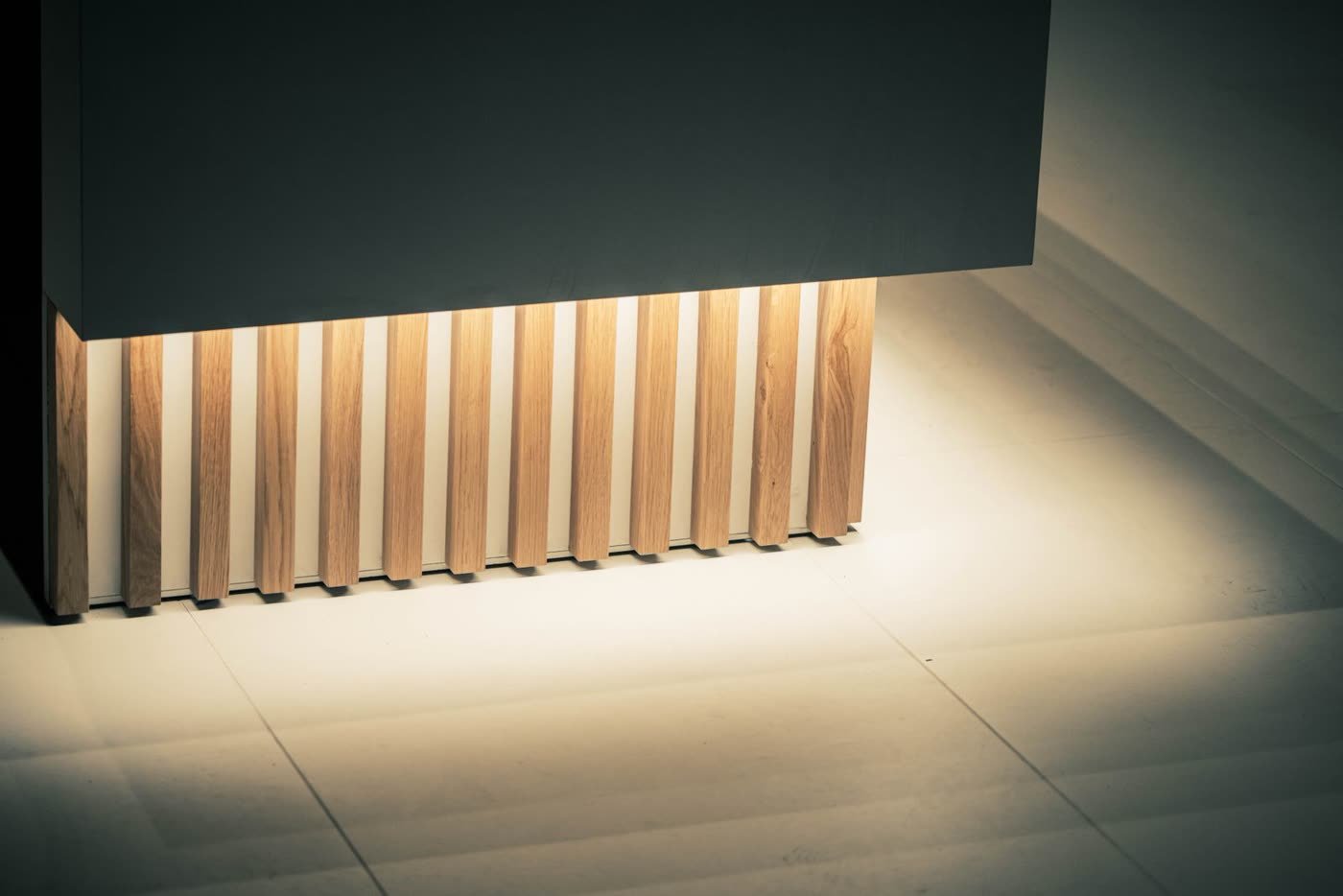
Run warm LED strips under the top rail so light washes down the balusters. You get a glowing outline of the whole deck — dramatic, modern, and glare-free.
Best for: Contemporary decks and evening entertaining.
4. Step-Edge Nosing Lights
Thin LED strips tucked under each stair nosing (the lip of the tread) outline every step from above. Subtler than riser lights, equally effective.
Best for: Minimalist decks where fixtures should disappear.
5. In-Floor Deck Dots
Low-profile LED dots set flush into the deck boards mark pathways across large decks. They read as design detail by day and guide feet by night.
Best for: Big decks where the walkway isn’t obvious after dark.
6. Post-Mount Downlights
Small downlights mounted on posts aim light onto the deck surface — perfect over seating zones and grills. They act like outdoor recessed cans.
Best for: Task lighting over dining tables and cooking areas.
7. Rail-Mounted Solar Lanterns
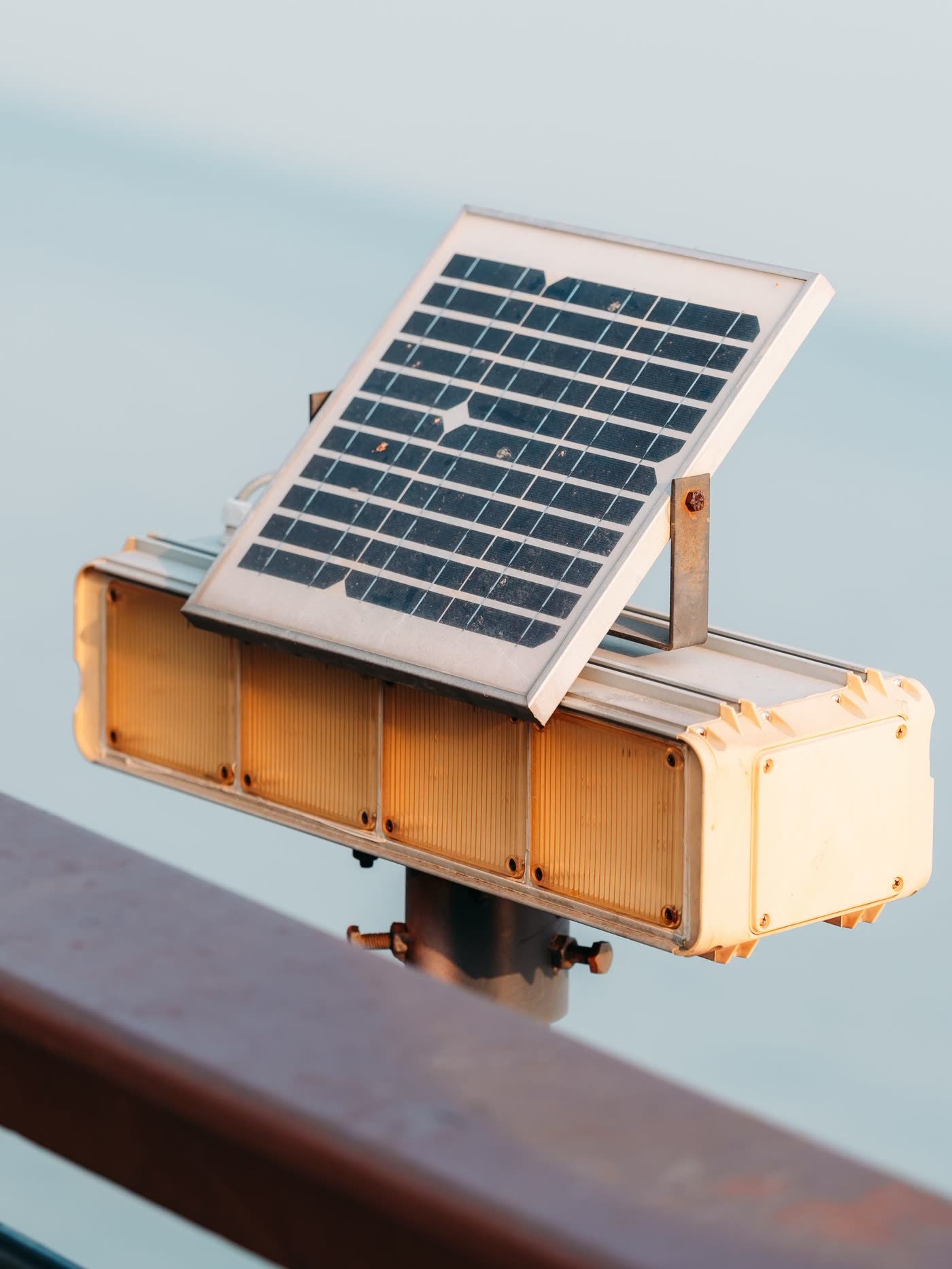
Clip solar lantern fixtures onto the railing itself for portable glow you can rearrange. Great for renters or anyone who hates committing to placement.
Best for: Renters and commitment-phobes.
8. Toe-Kick Lighting Under Benches
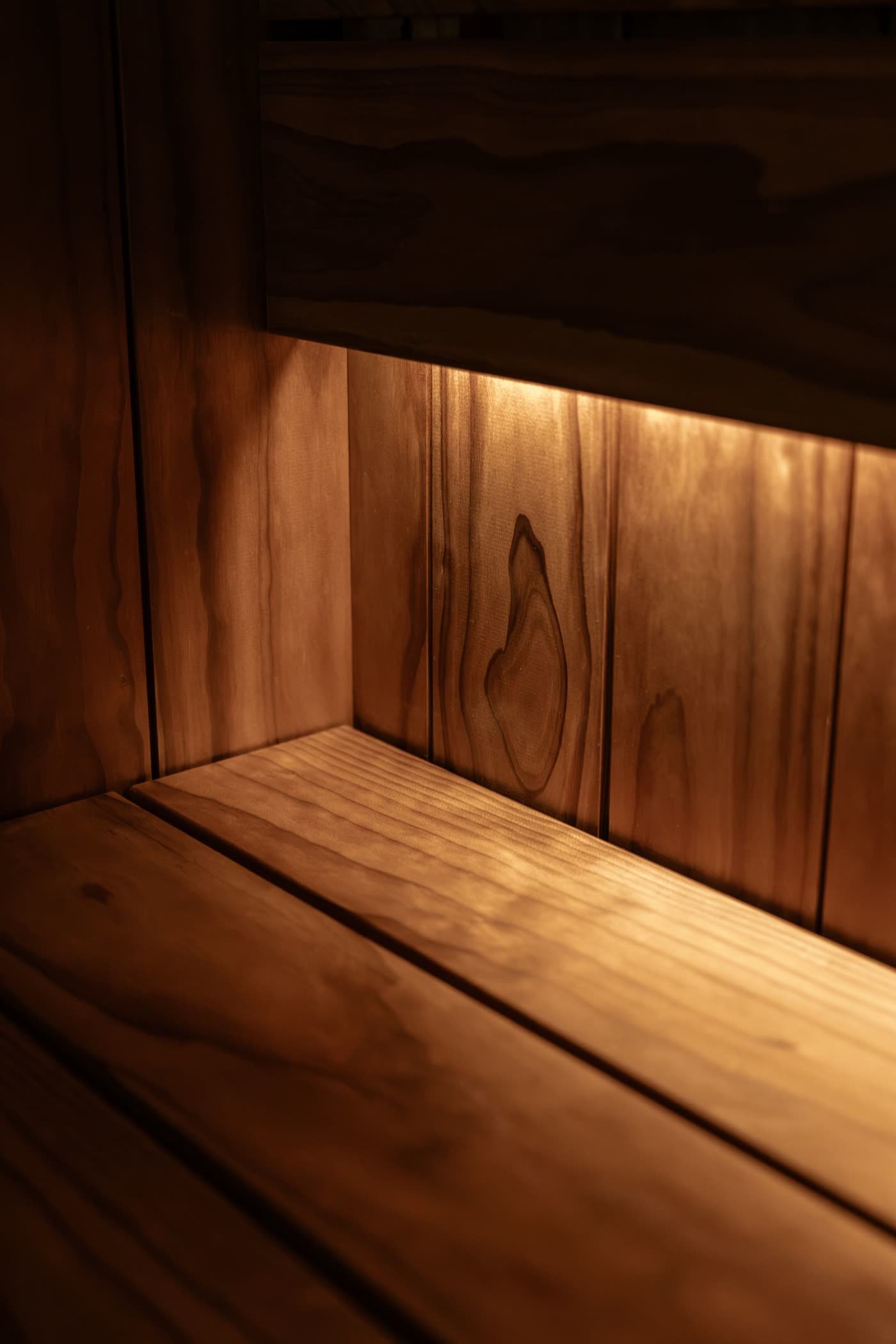
Stick LED strips under built-in benches or the deck’s edge fascia for a floating effect. The deck looks like it hovers — guests always ask how you did it.
Best for: The wow factor on a modest budget.
9. Low-Voltage Spotlights for Surroundings

Aim two or three low-voltage spots from the deck into nearby trees or garden beds. The deck feels bigger because the darkness beyond it disappears.
Best for: Decks that back onto landscaping or woods.
10. String Lights + Post Caps Combo
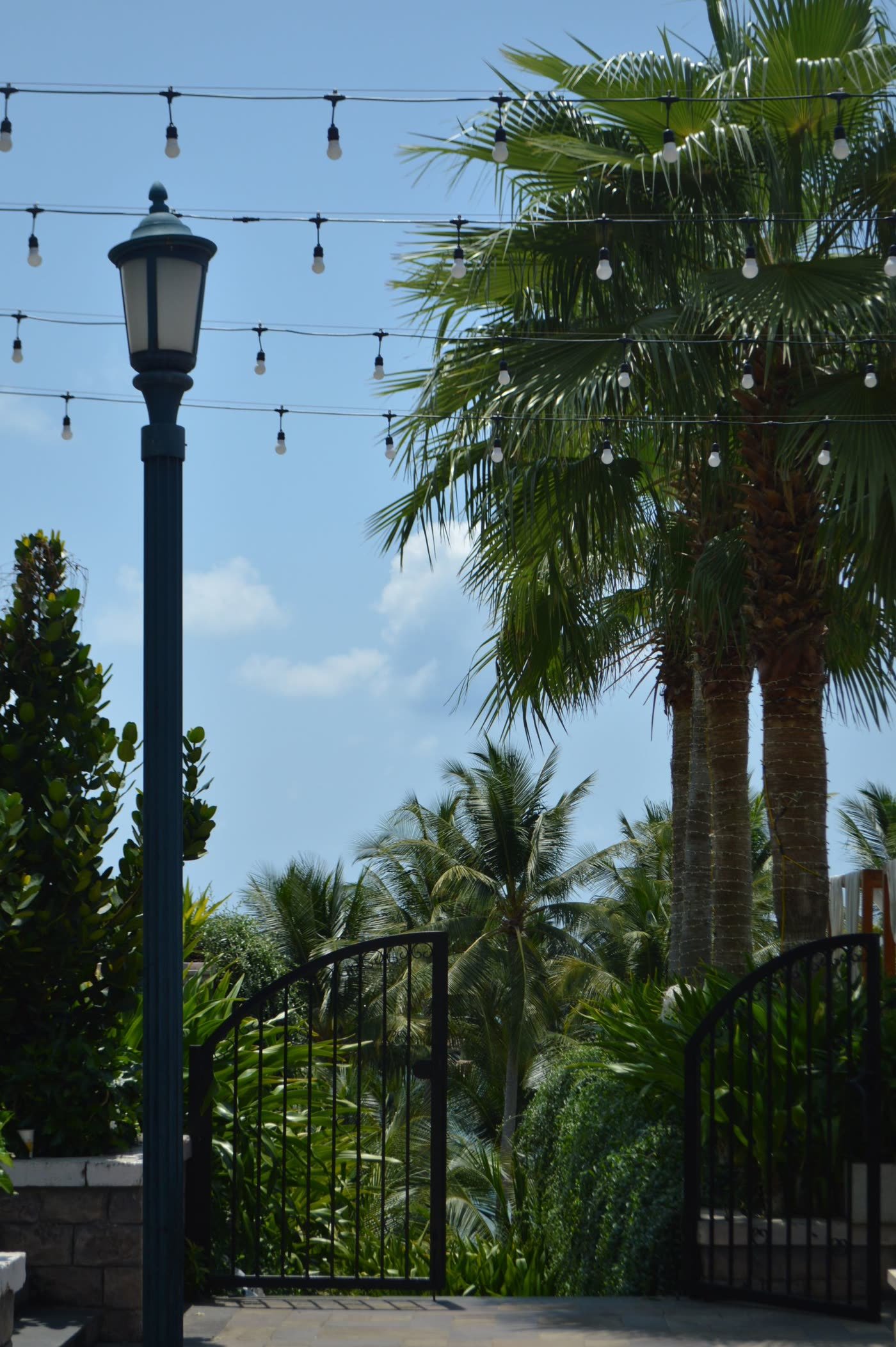
Drape string lights between posts and let solar post caps handle the base layer. Two light sources at two heights = depth that a single source can’t fake.
Best for: Party-ready decks on a budget.
11. Motion-Sensor Stair Lights

Battery stair lights with motion sensors that wake up when someone approaches the steps. Safety lighting that sips power instead of burning all night.
Best for: Side stairs and little-used deck entries.
12. Smart-Zoned Deck Lighting
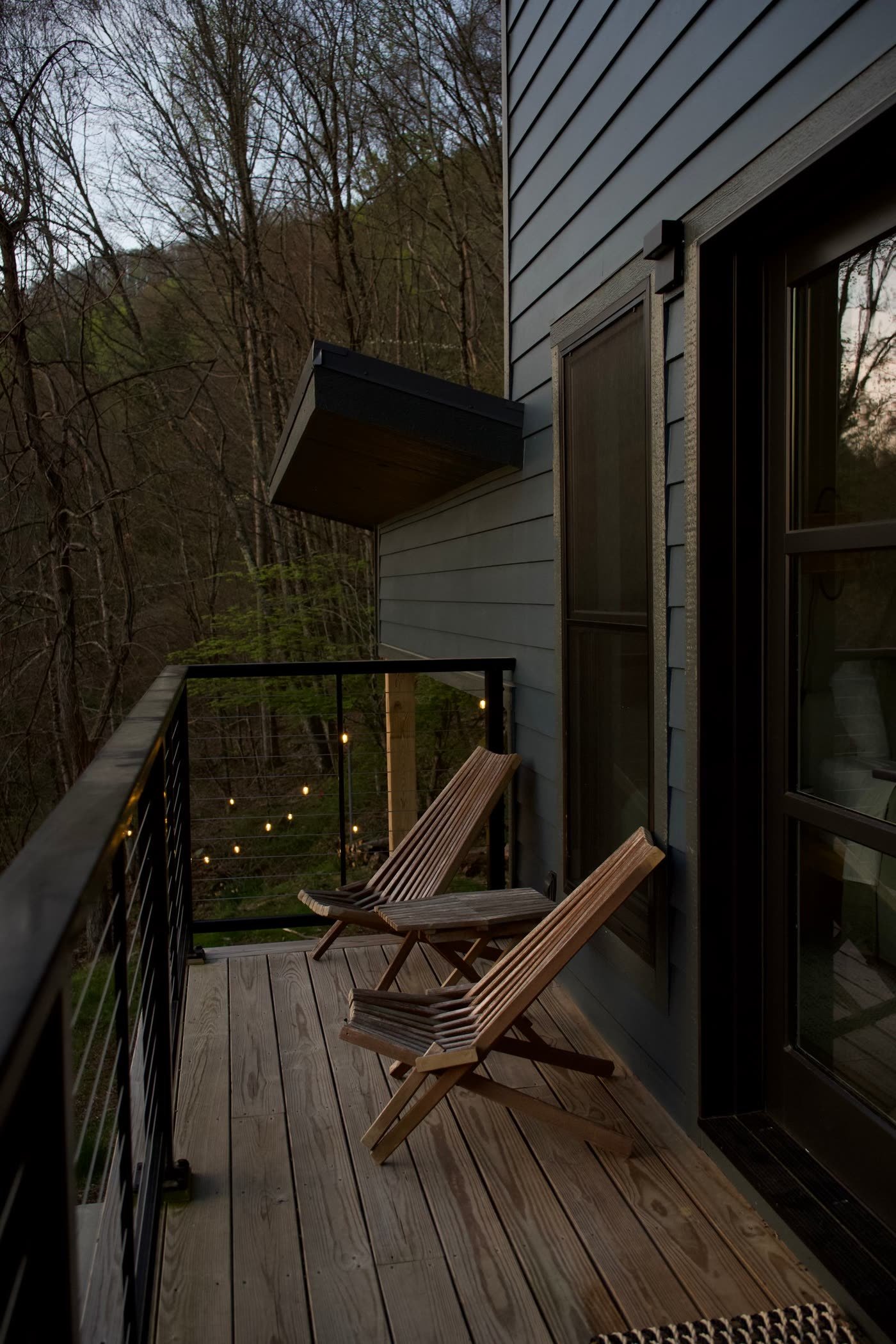
Put stairs on one smart switch, rails on another, and spots on a third. “Movie mode” dims everything but the steps; “party mode” brings it all up.
Best for: Tech-comfortable homeowners who entertain often.
Safety First, Then Ambiance
Prioritize in this order: stairs, then edges and level changes, then ambiance. The Illuminating Engineering Society recommends at least enough light to clearly distinguish step edges — even 1–2 foot-candles at the tread prevents most falls, per IES residential guidance. Warm white (2700–3000K) keeps the deck cozy; save cool white for task zones like the grill.
For the full outdoor picture, pair deck lighting with our paver patio ideas for ground-level flow and our backyard movie night on a budget for after-dark entertaining.
What to Look For When Buying Deck Lights
Voltage system. Solar = easiest, dimmest. Battery = flexible, needs battery swaps. Low-voltage 12V = brightest and most reliable, needs a transformer and some wiring. Match the system to how much effort you’ll invest.
Color temperature consistency. Buy every fixture in 2700–3000K warm white. One cool-white interloper ruins the whole deck’s mood — check the Kelvin rating on every box.
Wet vs. damp rating. Anything horizontal (step lights, in-floor dots) needs wet-rated (IP65+) since water pools on it. Vertical post and rail fixtures can be damp-rated (IP44) under cover.
Beam angle. Narrow beams (30°) create dramatic pools; wide beams (120°) wash evenly. Stairs want wide and even; accent spots on posts want narrow and punchy.
Expandability. If you’re starting with a transformer-based system, buy a transformer rated for double your current wattage. Adding fixtures later is cheap; replacing the transformer is not.
6 Deck Lighting Mistakes to Avoid
Lighting only the middle. A bright center with pitch-black edges makes the deck feel smaller and hides trip hazards at the perimeter. Always light edges and stairs first, the middle second.
Using cool white everywhere. 5000K LEDs on a deck feel like a parking lot. Warm white (2700–3000K) is the cozy default; reserve cooler tones strictly for the grill task zone if you must.
Forgetting the underside. The area under a raised deck goes cave-dark and looks unfinished from the yard. One or two cheap solar spots aimed under there fixes it.
Overloading one circuit. Low-voltage systems have wattage limits per transformer. Add up your fixture wattages before buying — an overloaded transformer dims everything or trips constantly.
Aiming spots at the house. Deck spotlights should wash outward into the yard or up into trees, never back at the siding. Light aimed at the house creates glare in the windows and ruins the indoor view.
No plan for the switch. Decide before installing: timer, dusk-to-dawn sensor, smart plug, or manual? Crawling behind the grill to unplug strands every night gets old by week two.
Can I install deck lighting myself?
Solar, battery, and plug-in low-voltage kits are all DIY-friendly. Hardwired 120V fixtures need an electrician — but most deck lighting doesn’t require 120V at all.
How many lights does a 12×16 deck need?
Rough rule: 4 post caps, stair lights for every step, and one ambient source (rail strip or string lights). That’s a complete setup for most mid-size decks.
Your Deck Lighting Weekend Plan
Saturday morning: Walk the deck at night with a notepad. Mark every dark stair, edge, and dead zone — that’s your shopping list.
Saturday afternoon: Install solar post caps and battery stair lights (no wiring, under two hours). These two alone transform most decks.
Sunday: Add the ambiance layer — LED strips under the rail or string lights between posts. Put everything on a timer or smart plug so it runs itself.
Total budget: $80–150 for a complete solar/battery setup, $250–400 if you go low-voltage with a transformer. Either way, you’ll use your deck twice as much after dark.
FAQ
What’s the cheapest way to light a deck?
Solar post cap lights — a 4-pack runs $30–50, installs in minutes, and needs no wiring or electrician.
Do deck lights need to be hardwired?
No. Solar and battery options cover most needs. Low-voltage (12V) systems are the hardwired middle ground — safer and easier than 120V line voltage.
How do I light deck stairs safely?
Put a light on every riser or under every nosing so each step edge is clearly visible. This matters more than any decorative lighting.
Will deck lighting attract bugs?
Warm-white LEDs (2700K) attract far fewer insects than cool white or old incandescents. Yellow “bug lights” help further in buggy regions.