7 Enclosed Patio Screen Types Compared (Costs & Best Picks) (2026)
- Standard fiberglass mesh is the cheapest enclosed patio screen type (typically $0.15–$0.30/sq ft for the material) — and the right default for most patios.
- Pet-proof vinyl-coated polyester stands up to claws that shred fiberglass in a single summer; expect roughly $0.50–$1.00/sq ft.
- Solar screen mesh blocks far more heat and glare than standard mesh, making it the best screen material for patio enclosures that face west or south.
- Retractable screens are priced per opening (typically $2,000–$4,500+ installed), not per square foot — worth it when the view matters more than the barrier.
- A fully installed screen enclosure typically runs $5–$12 per square foot of patio; the mesh itself is the smallest line item.
Two summers ago I helped my neighbor Dana pick mesh for her new 12×16 screened porch outside Sacramento, and the contractor quoted her three options without explaining a single one. She almost paid double for bronze wire on a house that sits 200 miles from the nearest historic district. We switched her to pet-resistant mesh — her two huskies had already destroyed one sliding door screen — and she saved over $600 on the job.



Picking between enclosed patio screen types feels like a footnote until you’re the one paying for it. The mesh decides whether your porch stays bug-free, whether the afternoon sun turns it into a sauna, and whether your dog’s claws turn it into confetti by July. This guide compares the seven screen materials worth knowing — fiberglass, aluminum, pet-proof, solar, copper/bronze, retractable, and vinyl — with honest cost ranges and a best pick for every situation. If you’re still planning the bigger project, start with our enclosed patio ideas guide, then come back to spec the mesh — manufacturers like Phifer publish the technical specs (mesh count, openness factor) behind these comparisons.
On this page:
- Screen Mesh Basics (Read This First)
- The 7 Enclosed Patio Screen Types, Compared
- Patio Screen Enclosure Cost Per Square Foot
- Comparison Table: Fiberglass vs Aluminum Patio Screens & More
- Screen Ideas That Actually Hold Up
- FAQ
Screen Mesh Basics (Read This First)
Before the seven types make sense, you need three numbers:
- Mesh count (18×14 vs. 20×20): standard patio mesh is 18×14 — 18 strands per inch one way, 14 the other. Step up to 20×20 “no-see-um” mesh and you block tiny gnats and sand flies, at the cost of slightly less airflow and a dimmer view.
- Material: the yarn itself — vinyl-coated fiberglass, aluminum wire, vinyl-coated polyester, or bronze/copper wire. This is what you’re really choosing between below.
- Color: charcoal/black mesh gives the clearest outward view because it absorbs glare; bright aluminum/silver mesh reflects light and looks hazier from inside. This single choice changes how “invisible” your screens feel more than the material does.
The 7 Enclosed Patio Screen Types, Compared
1. Standard Fiberglass — The Default for a Reason
Best for: budget builds and mild climates | DIY-friendly
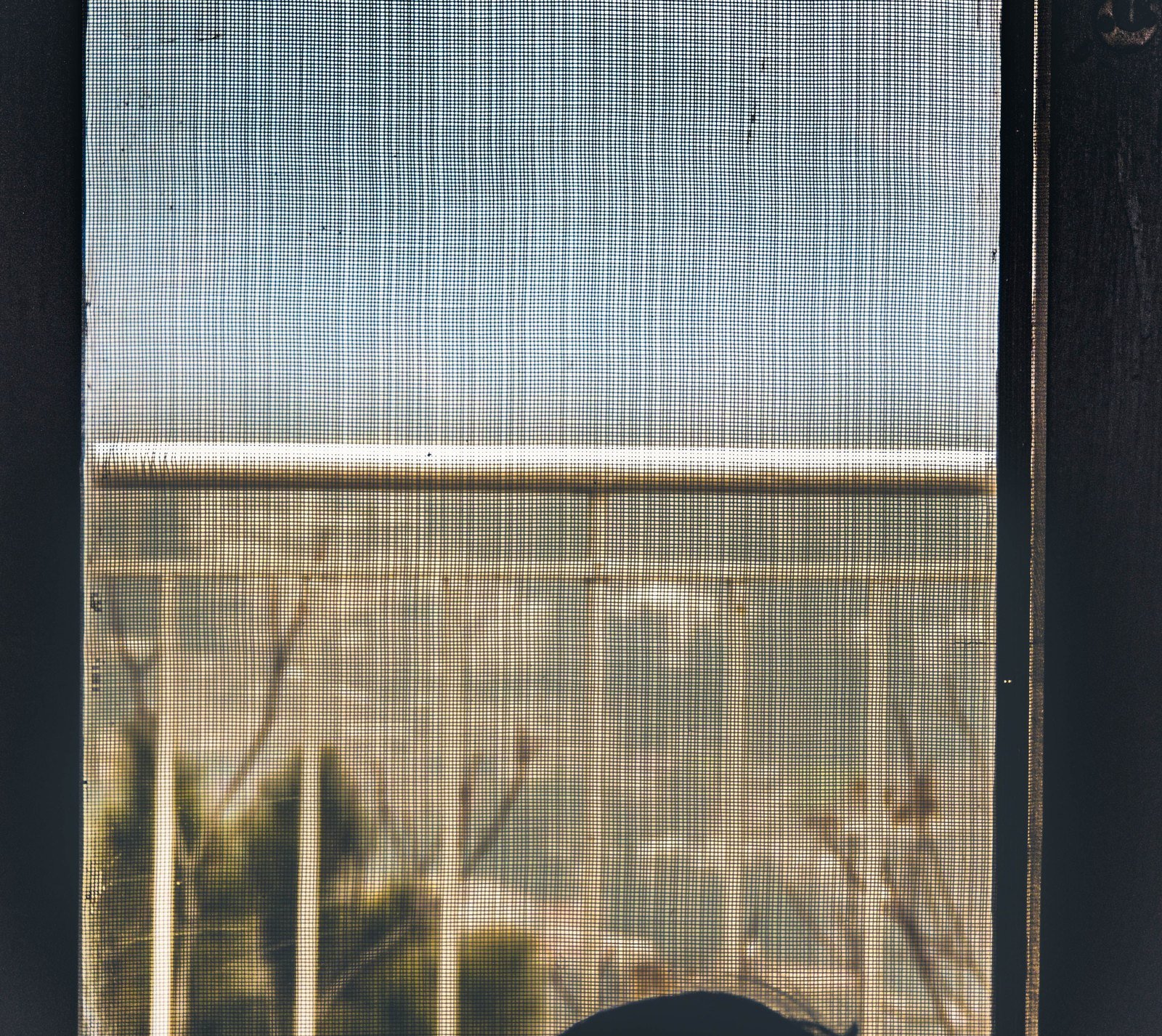
This is the charcoal mesh on most American screened porches: vinyl-coated fiberglass yarn in an 18×14 weave. It doesn’t dent, crease, or corrode, it flexes instead of tearing when a kid runs into it, and a full roll costs less than a pizza night. The tradeoff is UV — after 8 to 12 years in hard sun, it gets brittle and starts to sag. I learned that the hard way re-screening my own porch slider: the mesh looked fine, but it crumbled like a cookie the moment I pulled the spline.
Search for / Ask your contractor for: “18×14 standard fiberglass screen mesh in charcoal, 48-inch roll”
2. Aluminum — The Dent-Proof Workhorse
Best for: storm-prone regions and high-traffic doors | mid budget
Aluminum wire mesh shrugs off hail, wind-blown debris, and the daily slam of a patio door — things that stretch or puncture fiberglass over time. It holds its shape for decades and won’t sag on wide spans. Two caveats: it creases permanently if kinked during install (a pro job, not a Saturday DIY), and bare aluminum oxidizes near salt water — coastal patios need the painted version. The thicker wire makes the outward view slightly hazier than fiberglass.
Search for / Ask your contractor for: “charcoal-coated aluminum screen wire, 18×14 mesh”

3. Pet-Proof / Pet-Resistant — Claw-Tested
Best for: homes with dogs and cats | small splurge
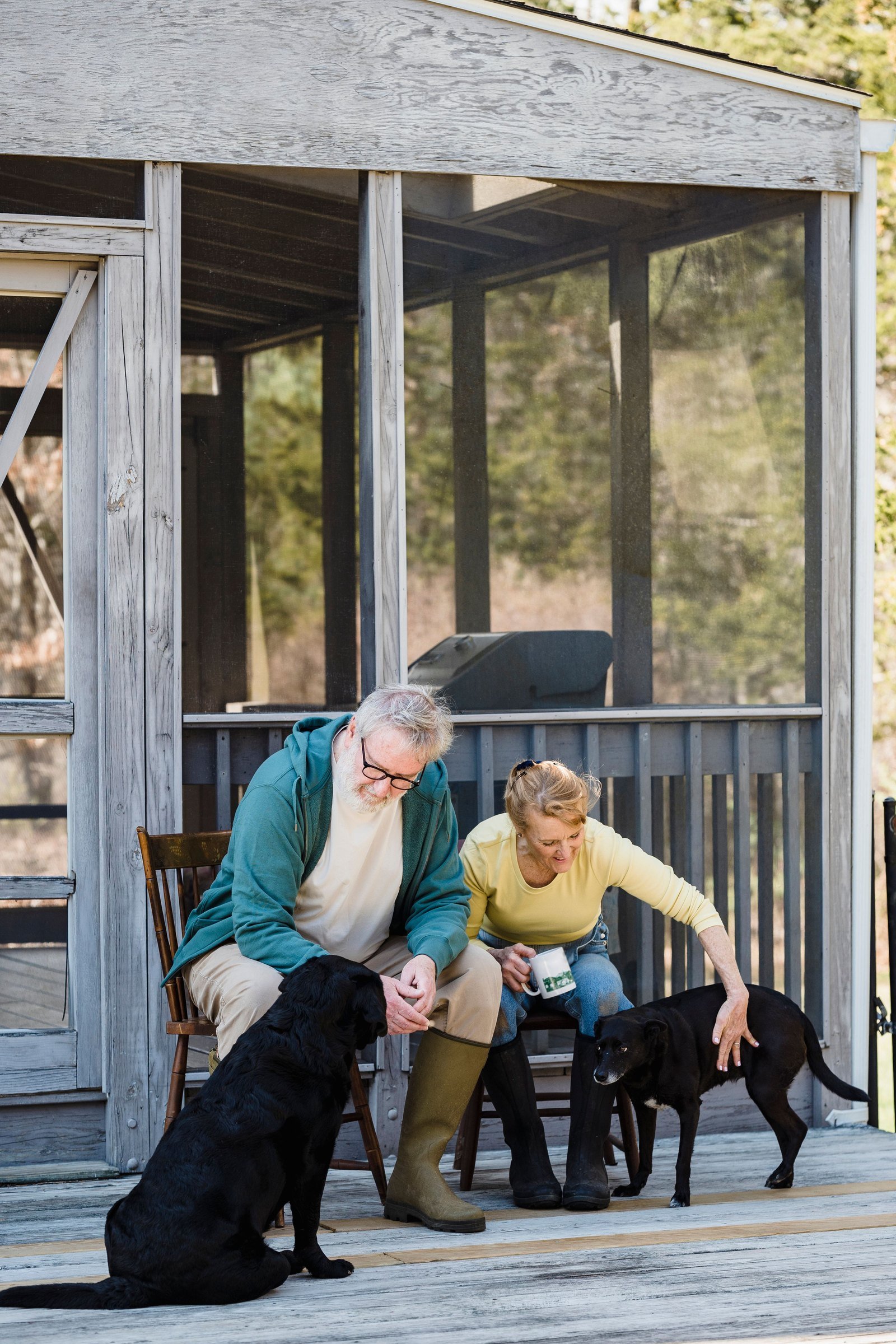
A pet-proof patio screen isn’t marketing fluff — it’s vinyl-coated polyester yarn woven roughly seven times thicker than standard fiberglass, and it genuinely survives claws that would shred regular mesh in an afternoon. I’ve watched a 70-pound lab mix launch himself at a pet-screen door panel and leave nothing but a scuff. The compromise: the heavier weave dims your view slightly and cuts a bit of breeze, so use it only on the lower panels or the pet’s door — it costs roughly triple fiberglass per square foot — and standard mesh everywhere else.
Search for / Ask your contractor for: “pet-resistant vinyl-coated polyester screen mesh for the lower panels”
12 Patio Mosquito Control Ideas That Actually Work
Screens stop most bugs — but the gaps around doors and the 20×20 problem don’t fix themselves. Here’s how to close them. →
4. Solar / Sun-Blocking — The Heat Shield
Best for: west- and south-facing patios | mid budget
Solar screen mesh is woven tighter and darker than standard mesh, blocking far more of the sun’s heat and glare before it hits your patio — which is why it’s the best screen material for patio enclosure walls that bake all afternoon. On a west-facing porch it can drop the felt temperature by a genuinely noticeable margin, and as a bonus it gives you daytime privacy: you see out fine, but neighbors see a dark surface. Expect a dimmer interior and less airflow than standard 18×14 — that’s the physics of the trade. If you currently abandon your porch from 3 to 7 PM, this is the mesh that buys those hours back.
Search for / Ask your contractor for: “solar screen mesh with 80–90% UV block, dark bronze color”

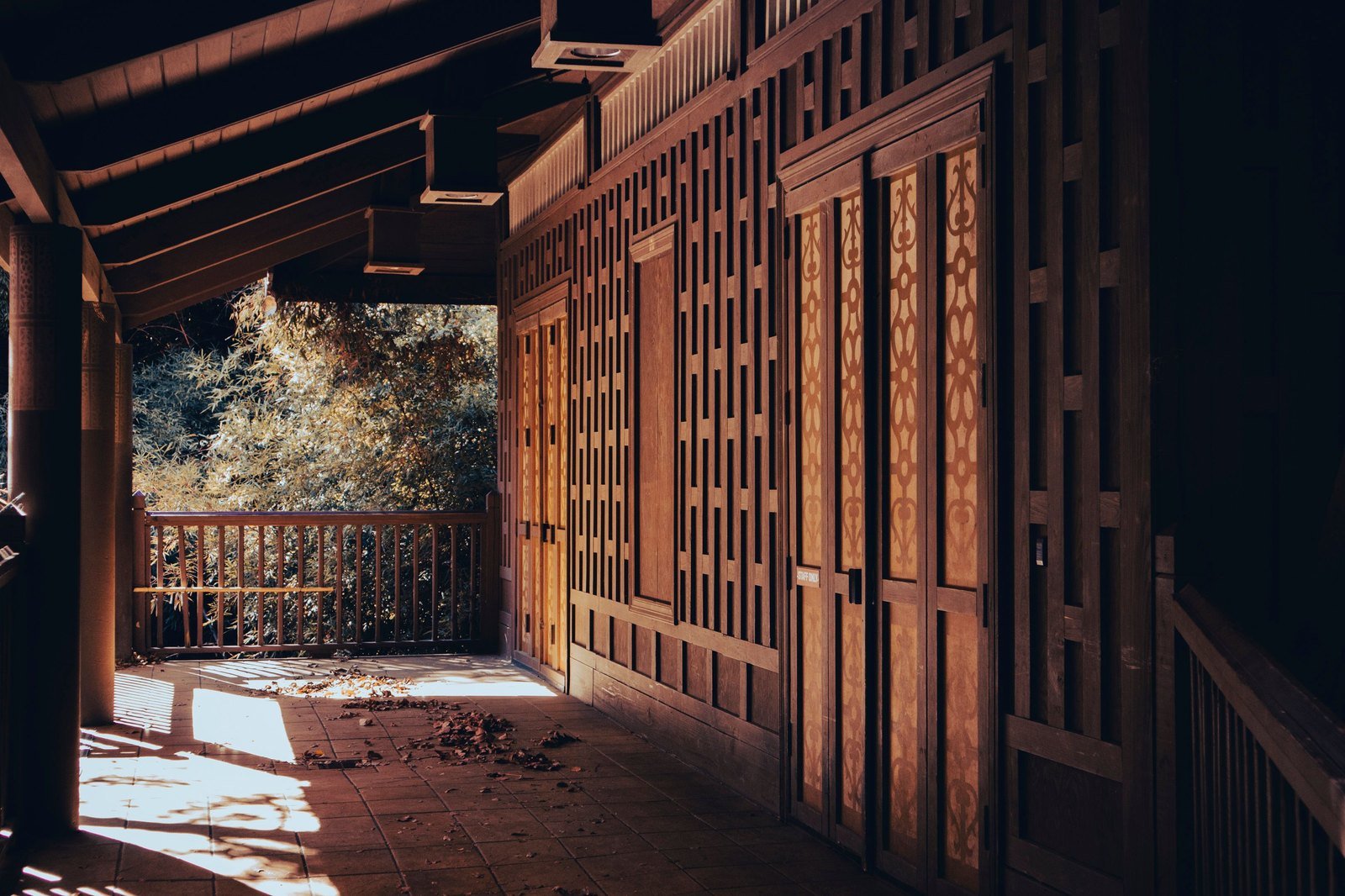
5. Copper / Bronze — The Heirloom
Best for: historic homes and coastal builds | splurge
Solid bronze (and its pricier cousin, copper) wire mesh is the Rolex of patio screens: it never rusts, never corrodes in salt air, develops a rich brown patina instead of looking tired, and routinely outlives the frames holding it — think 30-plus years, not 10. That’s why you see it on historic restorations and high-end coastal porches. The price is the obvious wall: bronze mesh typically runs $1.00–$2.50 per square foot just for the material — several times fiberglass — and it deserves a proper frame to match.
Search for / Ask your contractor for: “solid bronze screen wire, 16×16 mesh, for coastal exposure”
6. Retractable Screens — The Disappearing Act
Best for: view lots and entertaining patios | premium
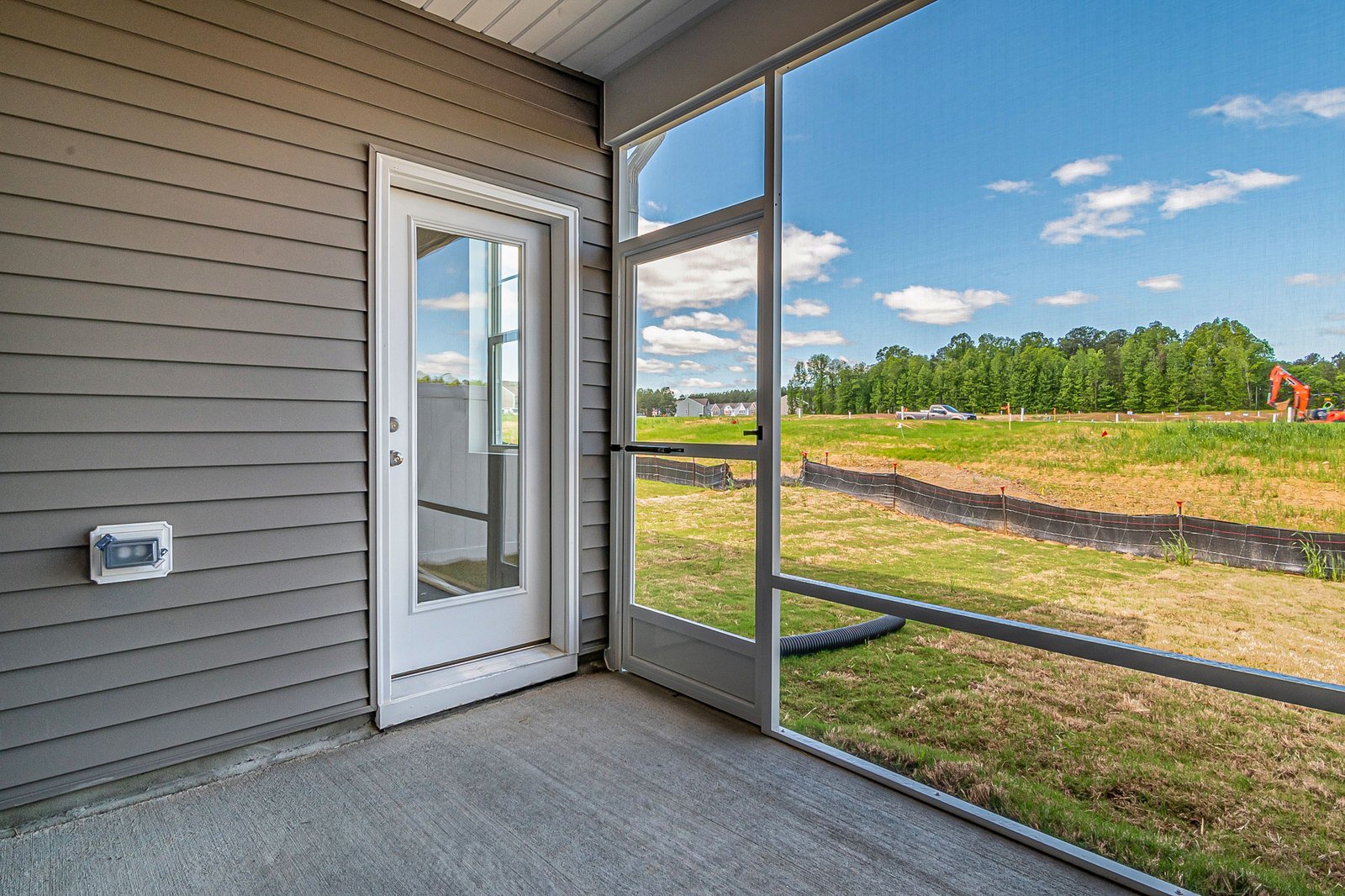
Retractable screens roll into a slim housing and vanish when you don’t need them — full view for the sunset, full barrier for mosquito hour. They’re the only option here priced per opening rather than per square foot: a single motorized unit for a 12-foot patio opening typically runs $2,000–$4,500+ installed, with manual pull-down versions landing well under that. The mechanism is the maintenance item — tracks need occasional cleaning and fabric needs re-tensioning every few years — so buy from a brand with a real warranty and a local dealer. For patios where the whole point is the view, nothing else comes close.
Search for / Ask your contractor for: “motorized retractable patio screen for a 12-foot opening, with wind sensor”
9 Retractable Patio Canopy Ideas for Flexible Shade
Love the disappear-when-you-don’t-need-it trick? These retractable canopies do the same thing for sun. →
7. Vinyl / Laminated Panels — The Three-Season Upgrade
Best for: wind and rain protection, shoulder seasons | mid budget
Clear vinyl panels — usually 20-gauge, either fixed or roll-down with straps — turn a screened porch into a three-season room by blocking wind and rain while keeping the view. They’re why so many screened porches stay usable from March through November instead of May through September. The honest downsides: zero bug protection when rolled up, reduced airflow when down, and the vinyl eventually clouds or yellows after years of UV — plan on replacing panels every 5 to 8 years in harsh sun. Many owners pair vinyl with standard mesh: mesh for summer bugs, vinyl dropped down for spring storms and fall chill.
Search for / Ask your contractor for: “20-gauge clear vinyl enclosure panels with roll-down straps and UV coating”
Patio Screen Enclosure Cost Per Square Foot
Here’s how that cost breaks down — mesh material first, then the full installed picture:
| Screen type | Typical material cost / sq ft | Notes |
|---|---|---|
| Standard fiberglass | $0.15–$0.30 | Cheapest; buy it by the roll for DIY re-screening |
| Aluminum | $0.25–$0.60 | Modest step up; pro install recommended |
| Pet-resistant | $0.50–$1.00 | Use on pet-access panels only to control cost |
| Solar / sun-blocking | $0.50–$1.25 | Priced by openness factor; tighter weave costs more |
| Copper / bronze | $1.00–$2.50 | Heirloom pricing; decades-long lifespan |
| Vinyl panels | $0.75–$1.50 | 20-gauge clear; add hardware/straps on top |
| Retractable systems | $2,000–$4,500+ per opening | Not priced per sq ft — installed, with motor |
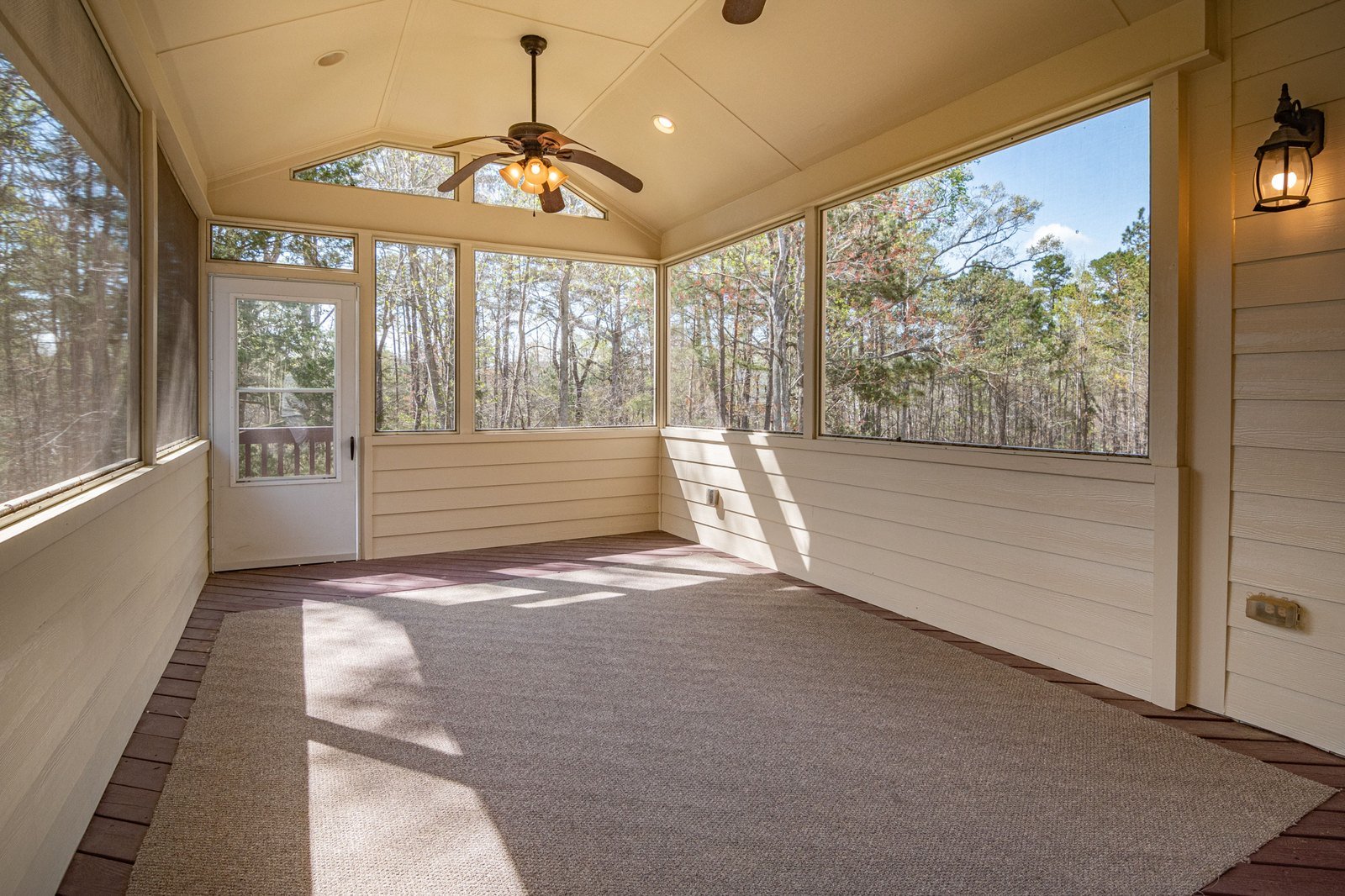
Two things surprise most people: the mesh is the smallest line item in a new enclosure — a fully installed screen enclosure typically runs $5–$12 per square foot of patio, mostly framing, roofing, and labor — and re-screening existing frames is one of the cheapest upgrades in home improvement: DIY with fiberglass often lands under $100 in materials for a whole porch. All ranges above are typical US figures that vary by region and contractor — get two local quotes before you commit.
Comparison Table: Fiberglass vs Aluminum Patio Screens & the Rest
Fiberglass vs aluminum patio screens — the quick verdict: choose fiberglass for the clearest view, easiest DIY, and lowest cost; choose aluminum when durability against storms, debris, and daily door-slams matters more than a slightly hazier view. Now the full picture:
| Screen type | Durability | Outward visibility | Best pick when… |
|---|---|---|---|
| Standard fiberglass | Good (8–12 yrs in sun) | Excellent | …you want the cheapest reliable default |
| Aluminum | Excellent (decades) | Good | …storms, debris, and busy doors are the reality |
| Pet-resistant | Excellent vs. claws | Fair | …a dog or cat uses the patio daily |
| Solar / sun-blocking | Very good | Fair (darker) | …afternoon heat makes the porch unusable |
| Copper / bronze | Exceptional (30+ yrs) | Good (patina over time) | …it’s a historic or coastal forever-home |
| Retractable | Good (mechanism needs care) | Perfect (when retracted) | …the view is the whole point of the patio |
| Vinyl panels | Fair (5–8 yrs in harsh sun) | Excellent (when clear) | …wind and rain end your season too early |
Screen Ideas That Actually Hold Up
Here’s how to choose without overthinking it:
- Default to charcoal fiberglass. It suits most patios, costs the least, and the dark color gives the clearest outward view.
- Mix materials by wall. Solar on the west wall, pet-proof on the dog’s door, standard elsewhere — contractors do this routinely.
- Match the mesh to the real problem. Bugs? Standard 18×14 (or 20×20 for gnats). Heat? Solar. Claws? Pet-resistant. Wind and rain? Vinyl. View? Retractable. Don’t pay bronze prices to solve a gnat problem.
- Budget for the frame, not the mesh. On new builds the enclosure structure dwarfs material cost — but re-screening existing frames is a sub-$100 DIY win.
- Confirm before you buy. Hold a sample up to your patio’s actual light before committing to a full order.
Frequently Asked Questions
What is the best screen material for a patio enclosure?
For most patios, standard charcoal fiberglass in 18×14 mesh — cheap, DIY-friendly, clearest outward view. Upgrade to aluminum for storm durability, pet-resistant mesh if animals use the patio, or solar mesh if afternoon heat is the real problem. Mixing materials by wall is common and smart.
How much does a patio screen enclosure cost per square foot?
The mesh itself typically runs $0.15–$2.50 per square foot by type (fiberglass cheapest, bronze priciest); a fully installed enclosure typically costs $5–$12 per square foot of patio, mostly framing and labor. Retractable systems run $2,000–$4,500+ per opening installed. Re-screening existing frames yourself often costs under $100 in materials.
Is fiberglass or aluminum screen better for patios?
Fiberglass wins on cost, visibility, and DIY-friendliness; aluminum wins on durability against storms, debris, and heavy door use. Mild climate with a view you love? Fiberglass. Hail country or a door the kids slam forty times a day? Aluminum — in the charcoal-coated version for a clearer view.
Do pet-proof screens really stand up to claws?
Yes — pet-resistant mesh is vinyl-coated polyester woven much thicker than standard fiberglass, and it genuinely resists the clawing that shreds regular mesh. It’s not indestructible (a determined chewer can still damage it), and it slightly dims the view and breeze, so most owners install it only on the lower panels or the pet’s door and use standard mesh elsewhere.
Why Trust This Guide
Every recommendation above is grounded in how these materials behave on real patios — mesh counts, UV lifespans, and typical cost ranges from manufacturer specs and contractor pricing norms. I’ve re-screened frames myself, watched pet mesh survive a 70-pound dog, and talked a neighbor out of overpaying for bronze wire. If the cheaper option solves your problem, I’ll say so.
The right screen turns a patio from a seasonal maybe into a daily habit. Start with the enclosed patio ideas guide to plan the space, pair your mesh with these patio privacy ideas using screens and plants, and if brutal afternoon sun is the real enemy, these balcony shade ideas layer perfectly with solar mesh.
Sophia Bennett is a home and interior décor specialist based in California, where sunlight, indoor-outdoor living, and effortless comfort shape everything she creates. At 30, she’s spent nearly a decade turning ordinary spaces into warm, inviting homes — working with multinational brands and individual homeowners alike to bring fresh, catchy design ideas to life. Her philosophy is simple: a home should feel as good as it looks. She wrote this guide after one too many conversations with neighbors overpaying for the wrong screen mesh — because a screened patio should be the hardest-working room of the house, not the most confusing purchase in it.