

A stock tank soaking tub is cheap to build and cheap to buy — the ongoing questions are what actually cost you time and money: how often to change the water, what chemicals are safe on galvanized steel, how to stop rust, and what the heater really costs to run. Generic hot tub guides do not answer these, because a 100-gallon galvanized tank behaves nothing like a 400-gallon acrylic spa. Here is the upkeep playbook specific to stock tank soaks.
1. The Water-Change Rule
Hot tub sites use a simple formula: divide the gallons by 3, then divide by the number of daily bathers — that is roughly how many days between full water changes. For a stock tank, the math is brutal because the volume is small: a 150-gallon tank with two daily bathers needs fresh water about every 25 days, while the same two people in a 400-gallon spa go three months. Small water volume means contaminants concentrate fast. Use the calculator below, then treat the result as a starting point — heavy lotion and sunscreen use shortens it, a cover lengthens it.
Best for: Setting a realistic maintenance rhythm instead of guessing.
Water-change calculator — days = gallons ÷ 3 ÷ daily bathers
| Tank size | 1 bather/day | 2 bathers/day |
|---|---|---|
| 100 gallons | ~33 days | ~17 days |
| 150 gallons | ~50 days | ~25 days |
| 300 gallons | ~100 days | ~50 days |
2. Chlorine vs Hydrogen Peroxide on Galvanized Steel
This is the chemistry question that matters most for stock tanks. Chlorine is the standard spa sanitizer, but sustained high chlorine levels attack the zinc coating on galvanized steel and accelerate rust — it is the same reason pool chemicals corrode cheap DIY heater elements. Many stock tank owners instead use food-grade hydrogen peroxide as an oxidizer: it breaks down into water and oxygen, leaves no chlorinated byproducts, and is gentler on the zinc layer. The tradeoff is that peroxide dissipates faster and offers less residual protection, so it needs more frequent dosing. Whichever you choose, keep levels modest — a stock tank is not a public pool, and over-sanitizing is what kills the coating.
Best for: Protecting the galvanized coating, which is the tank’s only defense against rust.
3. pH and Alkalinity in Small Volumes

In a 150-gallon tank, chemistry swings happen fast — one handful of pH-down moves the needle far more than in a 400-gallon spa. Target the standard ranges: pH 7.2–7.8, total alkalinity 80–120 ppm. Test with strips twice a week during heavy use. Low pH (acidic water) is the silent killer of galvanized tanks: it strips zinc and starts rust from the inside out, where you cannot see it until it is too late. If your source water is naturally acidic well water, correct it before it ever touches the tank.
Best for: Anyone on well water, which is often acidic and mineral-heavy.
4. Pumps and Filtration
A small cartridge filter or even a pond pump with a filter box dramatically extends water life by removing the lotion, sunscreen, and skin oils that feed bacteria and cloud water. You do not need spa-grade equipment — a modest pump running a few hours a day is enough for 100–150 gallons. Rinse the filter weekly; a clogged filter circulates nothing and just wastes electricity. If you run a heater, put the pump on a timer so water moves whenever the heater is on — stagnant hot water scales heating elements fast.
Best for: Stretching the interval between water changes and protecting heater elements.
5. Rust Prevention
Rust is the number-one killer of stock tank tubs. Beyond gentle chemistry: keep the waterline from sitting at the same level for months (mineral deposits concentrate there), wipe down the rim above the waterline monthly, and never use abrasive pads on the zinc coating. If you spot a rust bloom, sand it lightly, treat it with a zinc-rich cold-galvanizing spray, and let it cure before refilling. Some owners line the interior with a pond liner — it protects the metal but adds a maintenance item of its own (liners trap debris underneath). For the build itself, see our DIY stock tank bathtub guide.
Best for: Getting 8–10 years from a tank instead of 3.
6. Heater Options and Running Costs

Wood-fired snorkel or coil heaters are the classic choice: the fuel is cheap or free, and there is no electrical draw. Electric immersion heaters and inline spa heaters are simpler but draw 1,000–1,500 watts — at typical US electricity rates, heating a 150-gallon tank from cold and keeping it hot for weekend soaks can add a noticeable chunk to a monthly bill, so do the math for your rate before buying. Propane stock-tank heaters sit in the middle: fast heating, moderate fuel cost. Whatever the fuel, a fitted insulated cover (next section) cuts heating cost more than any efficiency upgrade.
Best for: Choosing a heater with eyes open — the sticker price is the smallest part of the cost.
7. Algae and Slime: Prevention Beats Treatment
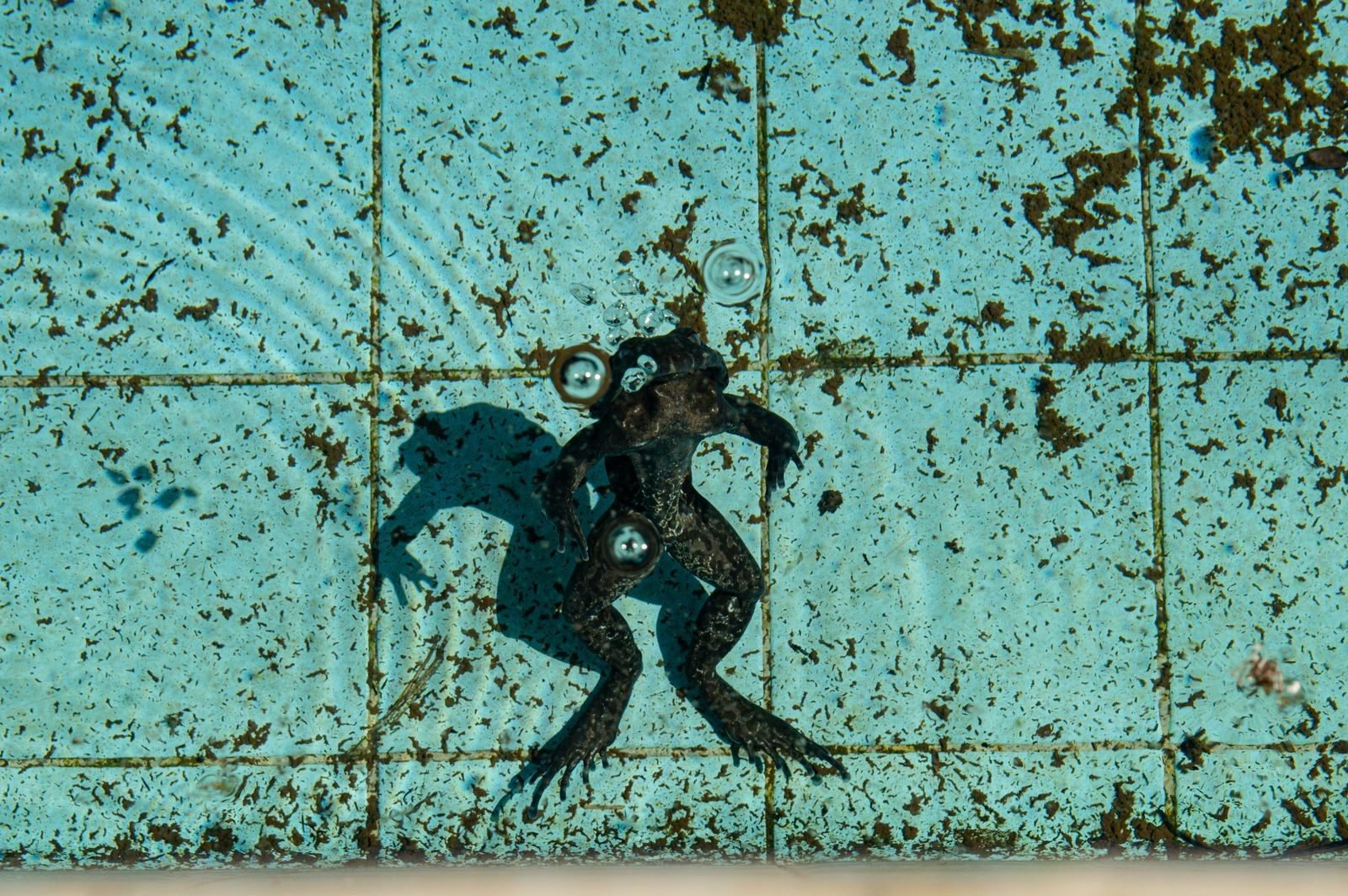
Warm, sunlit, lightly-used water grows algae. Prevention is three things: a cover (blocks the light algae needs), circulation (a pump a few hours daily), and a sanitizer at proper levels. If the water turns green, the fix is a full drain, a scrub with a non-abrasive cleaner, and a refill — algaecides designed for pools are harsh on galvanized coatings, so avoid them. Between soaks in summer, a quick wipe of the waterline with a soft cloth stops the biofilm line from establishing.
Best for: Sunny yards where an uncovered tank goes green in a week.
8. Covers: The Cheapest Upgrade

An insulated fitted cover does four jobs: keeps heat in (lower running cost), keeps debris and sunlight out (less algae, cleaner water), keeps kids and pets safe, and slows chemical dissipation. It is the single highest-value purchase after the tank itself. Measure your tank’s diameter and buy a cover made for stock tanks rather than improvising with a tarp — a fitted cover seals the rim, which is where most heat escapes. Our outdoor bathtub ideas guide shows cover styles that look good too.
Best for: Every stock tank owner — this pays for itself in one season.
9. Winter: Soak Through It or Store It

You have two options. To soak through winter: keep the heater running, keep the cover on between soaks, and never let the water freeze solid — ice expansion can split fittings and damage heaters. To store: drain completely, disconnect and drain the heater and pump, remove hoses, and either flip the tank upside down or cover it so it does not collect rainwater and become a mosquito farm. Do not leave a partially filled tank to freeze. According to the U.S. Department of Energy, reducing standby heat loss — with covers and insulation — is the biggest lever on any water heating bill, and that applies double to an outdoor tank in winter.
Best for: Cold-climate owners deciding whether the tub earns its keep in January.
Frequently Asked Questions
How often should I change the water in a stock tank hot tub? Use the rule: gallons ÷ 3 ÷ daily bathers = days between changes. For a 150-gallon tank with two daily bathers, that is about every 25 days. A cover and a filter stretch it; heavy sunscreen use shortens it.
Is chlorine safe in a galvanized stock tank? Sustained high chlorine levels attack the zinc coating and accelerate rust. Many owners use hydrogen peroxide instead — gentler on galvanized steel, though it needs more frequent dosing. Keep any sanitizer at modest levels.
How do I stop my stock tank from rusting? Keep pH above 7.2, avoid over-chlorinating, wipe the waterline monthly, never use abrasive pads, and touch up any rust spots with zinc-rich cold-galvanizing spray. A cover helps by keeping debris and rain out.
What does it cost to run a stock tank heater? It depends on fuel and your climate. Wood-fired is cheapest if you have free wood; electric 1,000–1,500W heaters add a noticeable amount to a monthly bill during soaking season; propane sits in between. An insulated cover cuts every option’s cost significantly.
