

Ask ten people what a backyard pool costs and you’ll get ten wildly different answers. That’s because “pool” can mean an $800 stock tank or a $70,000+ custom inground build — and everything in between (typical ranges that vary widely by region, size, and spec).
We’ve gathered realistic 2025–2026 US price ranges for every common pool type, plus the ongoing maintenance costs most guides skip. These are estimates that vary by region, access to your yard, and finish choices — but they’ll get you in the right ballpark before you call a contractor.
1. Inground Pools: Typically $35,000–$65,000+

The classic full-size pool. Vinyl-liner inground pools typically sit at the lower end (around $35,000–$50,000), fiberglass shells land in the middle ($40,000–$60,000), and custom gunite/concrete builds start around $50,000 and climb well past $65,000 with extras like tanning ledges, spas, and automation — typical US ranges; confirm with itemized local quotes before budgeting.
The sticker price is only part of it. Excavation in rocky soil, a long plumbing run to your equipment pad, and decking all push costs up. Get three written quotes — they routinely differ by $10,000 or more on the same job.
Best for: Homeowners planning to stay put for 7+ years; inground pools typically add the most to resale value in warm climates.
2. Above-Ground Pools: Typically $1,500–$8,000

The affordable classic. A simple round steel-frame pool kit (18–24 ft) typically runs $1,500–$3,500; add professional installation, leveling, sand or foam base, and a decent ladder and you’re typically in the $3,000–$5,000 range (prices vary by region and retailer). Large oval or resin-frame models with decking can reach $8,000 as a typical upper range.
Don’t skip the extras: a quality pump and filter upgrade typically ($400–$800), a pool cover ($100–$300), and leveling work ($500–$1,500) make the difference between a pool that lasts 3 years and one that lasts 12. — typical ranges; confirm locally
Best for: Budget-conscious families and anyone who wants a real swim without a five-figure commitment.
3. Stock Tank Pools: Typically $800–$2,000

The viral DIY favorite. A galvanized or poly stock tank (8–10 ft) typically costs $400–$800, a sand-filter pump kit runs $300–$500, and fittings, a liner pad, and chemicals add a few hundred more. Total: roughly $800–$2,000 all in as a planning estimate.
They’re small — think soaking and cooling off, not laps — but they’re cheap, fast to set up, and oddly charming. For the full how-to, see our guide to DIY outdoor bathtub stock tank wood-fired builds for a similar DIY-water-project mindset.
Best for: Small yards, renters (with landlord approval), and anyone who wants water this weekend, not next season.
4. Plunge Pools: Typically $10,000–$25,000

The fastest-growing category. Prefab fiberglass or poly plunge pools (10–12 ft) typically run $10,000–$18,000 installed, while custom concrete plunge pools reach $20,000–$25,000+ (typical ranges — confirm with local quotes). They use less water, less chemicals, and less space than full pools.
Plunge pools are the go-to for smaller suburban lots and for buyers who mostly want to cool off and relax. Add a heater and you’ve got a year-round soak in mild climates.
Best for: Small lots and wellness-focused buyers who want a spa-like experience more than swimming space.
5. Natural / Container Pools: Typically $15,000–$40,000
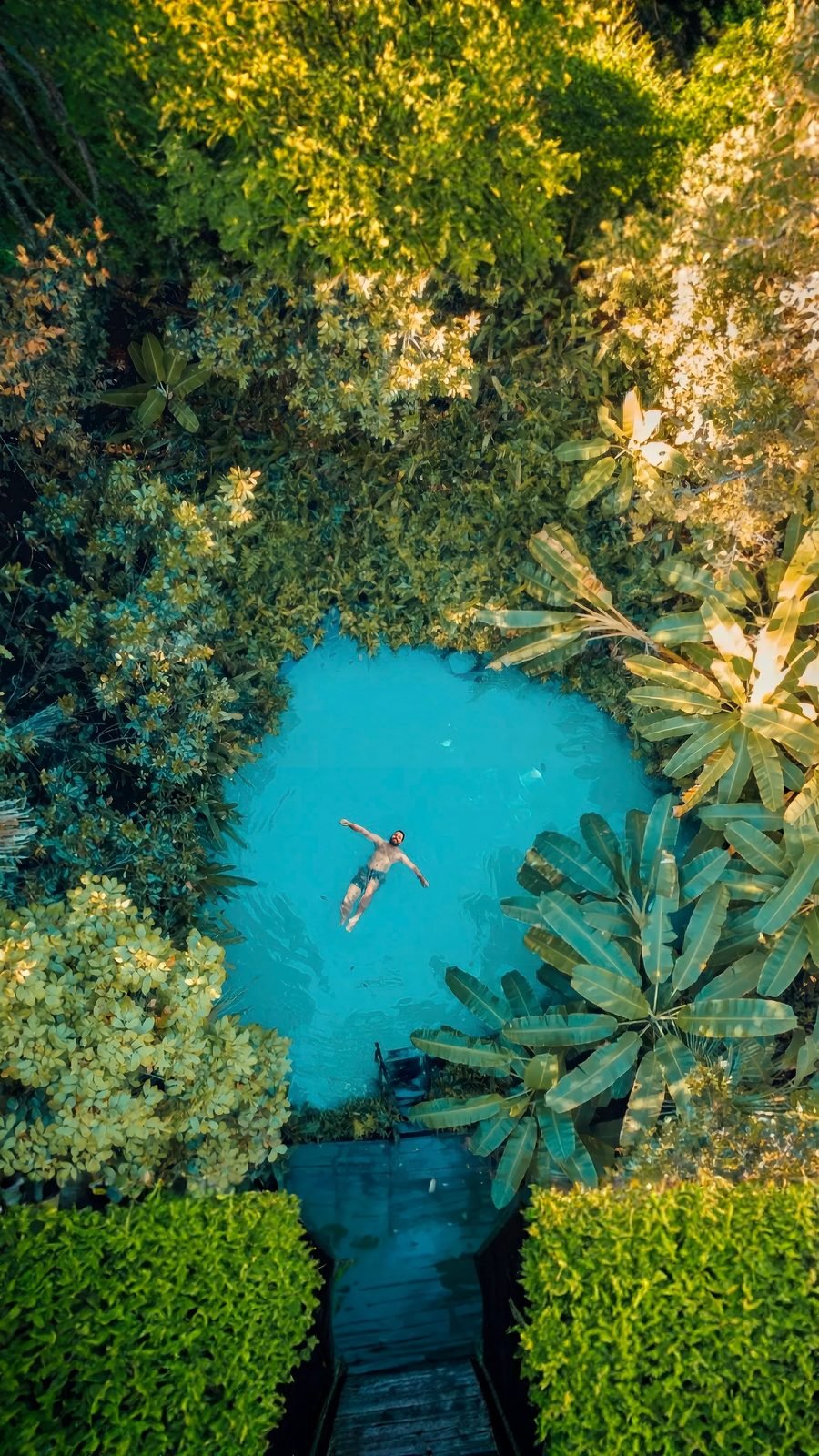
Natural pools (with planted regeneration zones instead of chemicals) typically start around $25,000 and go up from there. Shipping-container pools — retrofitted 20- or 40-foot containers — typically run $15,000–$40,000 installed, popularized by companies like Modpools (typical range — confirm locally).
Both are niche but growing, and they appeal to buyers who hate chemical maintenance. Resale value is less predictable than standard pools, though.
Best for: Design-forward homeowners in mild climates who value aesthetics and low-chemical water.
6. What Your Pool Type Decision Really Comes Down To

A quick decision framework:
- Typical budget under $3,000: stock tank or above-ground kit, DIY install
- Typical budget $3,000–$10,000: pro-installed above-ground or large stock tank setup
- Typical budget $10,000–$25,000: plunge pool
- Typical budget $35,000+: full inground pool
(All are typical ranges — confirm with local quotes.)
Also consider: yard access (cranes and excavators need room), HOA rules, and how long you’ll live there. An inground pool you use for 10 years is cheap per swim; one you sell with the house after 2 years is expensive.
Best for: Everyone at the “should I even do this?” stage.
7. Hidden Costs Nobody Mentions Upfront
Beyond the pool itself, budget for these:
- Electrical: a dedicated 220V line for the pump and heater, typically $500–$2,000
- Fencing: most states require a barrier; a pool fence typically runs $1,500–$8,000 (see our backyard pool fence ideas guide)
- Permits and inspections: typically $200–$1,500 depending on the city
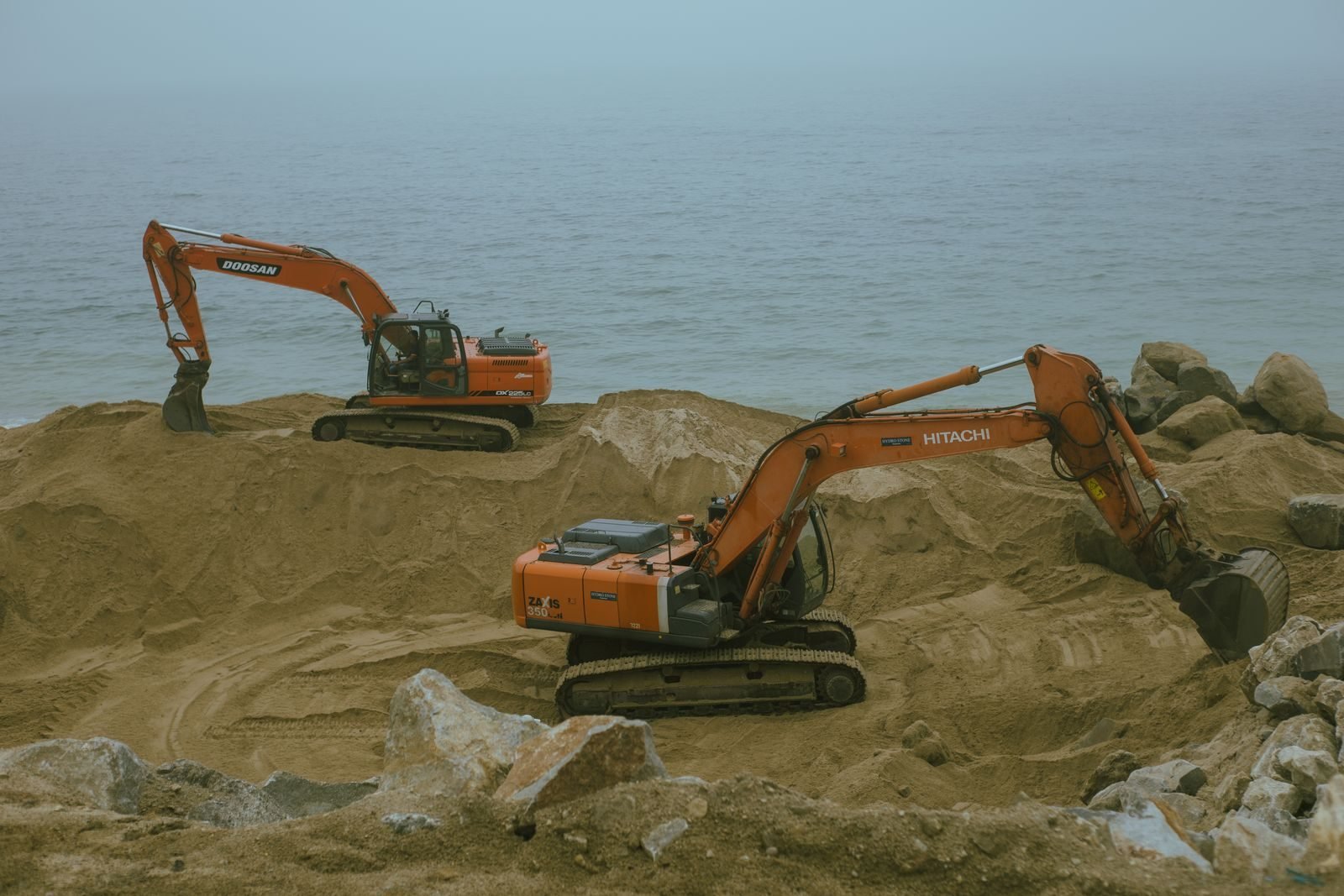
- Landscaping repair: heavy equipment tears up yards; budget typically $1,000–$3,000 to restore
- Water: filling a 15,000-gallon pool typically adds $100–$300 to your water bill (or a delivery truck in rural areas)
These add up fast. A $45,000 pool quote can easily become $55,000 all-in — one illustrative example, not a typical total; your all-in figure depends on your spec and region.
Best for: Anyone about to sign a contract — read this section twice.
8. Annual Backyard Pool Maintenance Costs
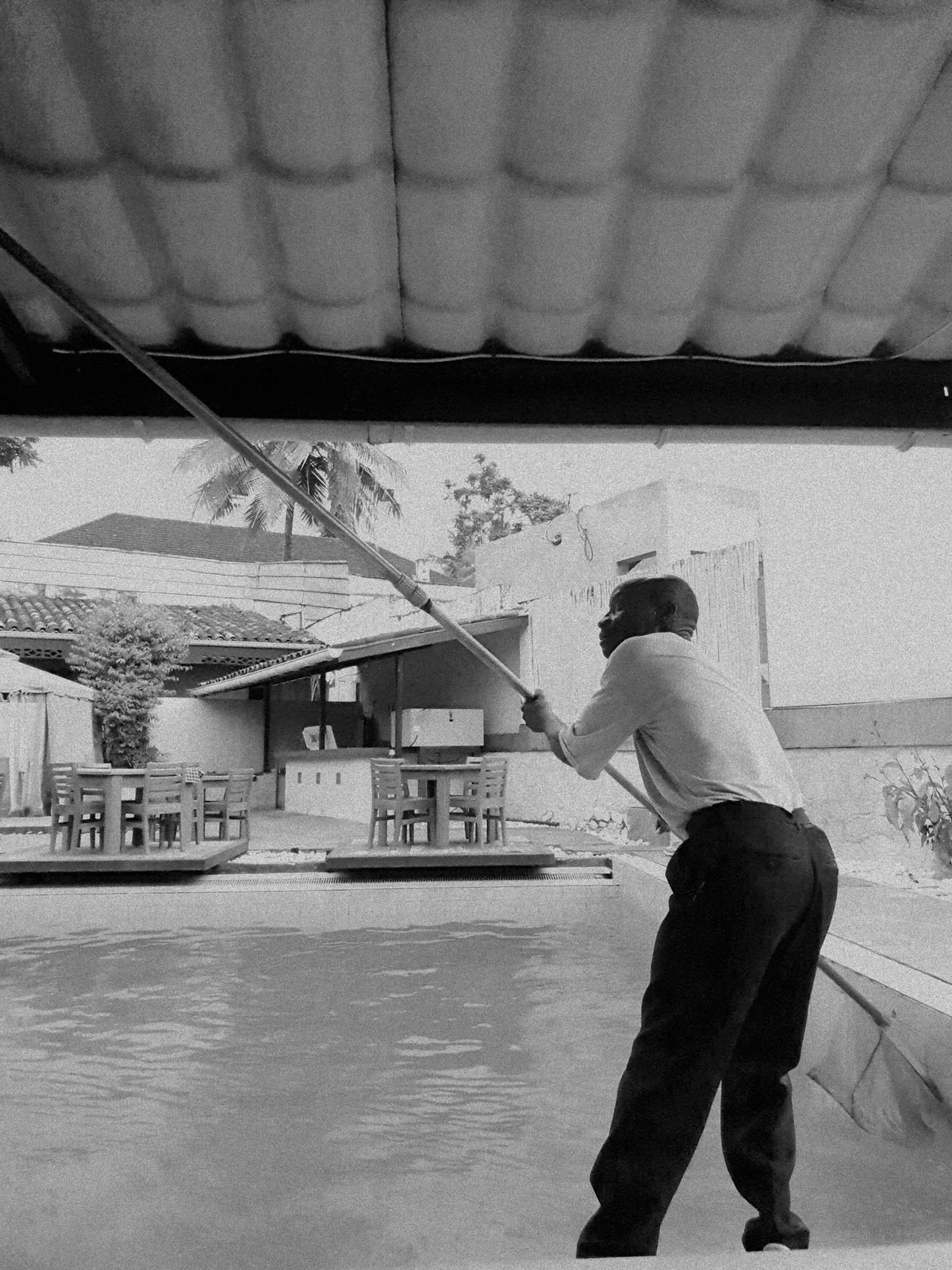
The purchase price is just the entry ticket. Typical annual upkeep:
- Chemicals: typically $300–$600/year (saltwater systems cost more upfront, less ongoing)
- Electricity: typically $300–$800/year for pump and heater, depending on climate and rates
- Repairs and parts: typically $200–$500/year averaged over time (pump motors, seals, liners)
- Professional service: typically $150–$300/month if you hire a pool company ($1,800–$3,600/year)
- Opening/closing (seasonal climates): typically $300–$600 each way
Realistic total: typically $1,000–$2,500/year for DIY maintenance, $3,000–$5,000/year with a service company — typical ranges that vary by pool size, climate, and how much work you do yourself.
Best for: Budgeting honestly — the pool that costs $0 to think about and around $4,000/year to own surprises a lot of buyers.
9. Ways to Keep Costs Down Without Regret

A few levers that genuinely save money:
- Skip the bells and whistles at build time. Waterfalls, beach entries, and spas can be added later; a bigger pump cannot be cheaply retrofitted, so size equipment right.
- Go saltwater. Higher upfront cost (typically ~$1,000–$2,000 for the system) but gentler on skin and lower chemical costs over time.
- DIY the chemicals. A $75 test kit (typical price) and 20 minutes a week can replace a $200/month service for most owners — actual service prices vary by region.
- Buy in the off-season. Fall and winter quotes run 10–20% lower in many markets because builders are hungry for work.
Best for: Anyone who wants the pool without the financial hangover.
10. Does a Pool Increase Home Value?
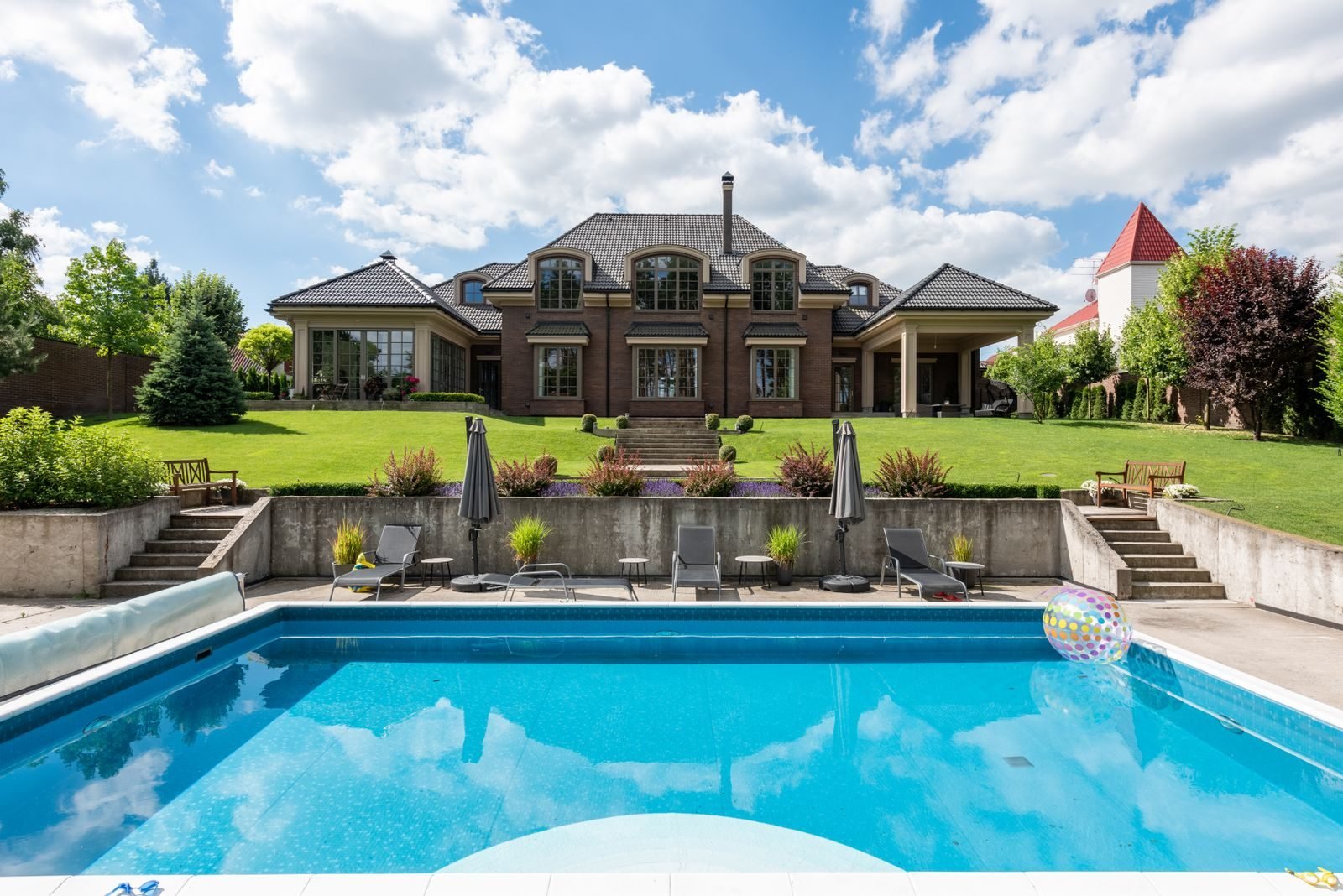
It depends on where you live. In warm states (Arizona, Florida, Texas, California), an inground pool often adds roughly $25,000–$50,000+ to appraised value and may help homes sell faster — figures vary widely by market; confirm with a local appraiser. In cold climates, it may add little or even narrow your buyer pool.
Above-ground pools generally add no appraised value — and some buyers see them as a removal project. Stock tank and plunge pools are too new for appraisers to value consistently.
Best for: Buyers weighing a pool as an investment versus a lifestyle purchase. Buy it for the lifestyle; treat any value bump as a bonus.
FAQ
How much does it cost to run a pool pump per month?
Most single-speed pumps typically cost $30–$80/month in electricity. A variable-speed pump — required by law in some states — typically cuts that to $15–$40/month and can pay for itself within a couple of years through energy savings, depending on your electricity rates and run time.
What’s the cheapest type of inground pool?
Vinyl-liner inground pools are usually the cheapest to build, typically $35,000–$50,000 (typical range — confirm locally). But liners need replacing every 7–12 years at typically $4,000–$6,000 a pop, so fiberglass often wins on lifetime cost.
Can I finance a backyard pool?
Yes — home equity loans and HELOCs are the most common route (current rates vary, typically lower than personal loans). Some pool builders offer financing too, but compare rates carefully. Never finance a pool you couldn’t afford to maintain.
How long does it take to install a pool?
Above-ground and stock tank pools: a weekend. Plunge pools: 1–3 weeks. Inground fiberglass: 3–6 weeks. Custom gunite: 2–4 months, weather and permits permitting. Always add a buffer — pool projects famously run long.
Ready to design the space around your pool? Our backyard pool and patio ideas guide pairs every pool type with patio layouts that make the whole yard feel like a resort.