

A pool fence isn't optional decor — in most US states and many cities, it's the law. But "required" doesn't have to mean "ugly." Today's pool fences come in glass, aluminum, mesh, and modern wood designs that protect your family and actually elevate your backyard's look.
Here are 12 backyard pool fence ideas that balance serious safety with serious style, plus the safety rules every pool owner should know before choosing.
1. Frameless Glass Panel Fencing

Tempered glass panels give you an unobstructed view of the pool while meeting barrier requirements — you can watch kids swim from the patio without a single blind spot.
It's the priciest option ($50–$100+ per linear foot installed), and it needs regular cleaning to stay streak-free. But for a modern home, nothing else looks this good. Use marine-grade stainless hardware so it doesn't corrode in a wet environment.
Best for: Modern homes and parents who want zero visual barriers between them and the water.
2. Aluminum Fencing (the Modern Picket)

Powder-coated aluminum comes in flat-top or spear-top picket styles, never rusts, and costs a reasonable $25–$50 per linear foot installed.
Choose black or bronze for a classic look that disappears against landscaping, or white for a crisp coastal feel. Spacing between pickets must be 4 inches or less so small children can't squeeze through.
Best for: Most homeowners — the best balance of cost, durability, and code compliance.
3. Removable Mesh Pool Fences

Mesh fences (like those from Protect-A-Child or Life Saver) are the go-to for families with toddlers. They install with deck sleeves, come down in minutes when the kids are older or for parties, and cost $15–$30 per linear foot.
The fine mesh is climb-resistant — no footholds for little feet — and most meet ASTM safety standards. They're not the prettiest option, but they're arguably the most practical for the under-5 years.
Best for: Families with young children who need maximum protection right now, with flexibility later.
4. Horizontal Wood Slat Fencing

For a warm, modern look, horizontal cedar or redwood slats around the pool area feel like a boutique hotel. Keep gaps between slats at 4 inches or less (or zero-gap) to meet the non-climbable requirement most codes specify.
Wood needs restaining every 2–3 years in a wet pool environment. Cedar naturally resists rot and looks great weathered to silver-gray if you'd rather skip maintenance.
Best for: Design-forward yards where the fence should look like an intentional design element.
5. Wrought Iron (or Steel Look-Alike)

Classic and sturdy. Modern tubular steel gives the wrought-iron look at lower cost ($30–$60/linear foot) and won't sag.
Spear-top designs deter climbing but check your local code — some municipalities restrict pointed tops. Powder coating in black is timeless; a bronze finish looks warmer against stone patios.
Best for: Traditional homes and anyone wanting a "forever fence" that outlasts trends.
6. Tempered Glass with Aluminum Posts

Glass panels held by slim aluminum posts: you keep most of the view, cut the cost roughly in half versus frameless, and installation is simpler.
The posts create natural segments that make the fence easier to repair — if one panel breaks, you replace one panel, not a whole run. Semi-frameless systems start around $35–$60 per linear foot.
Best for: View-lovers on a budget who still want that glass look.
7. Living Fences: Dense Hedge Barriers
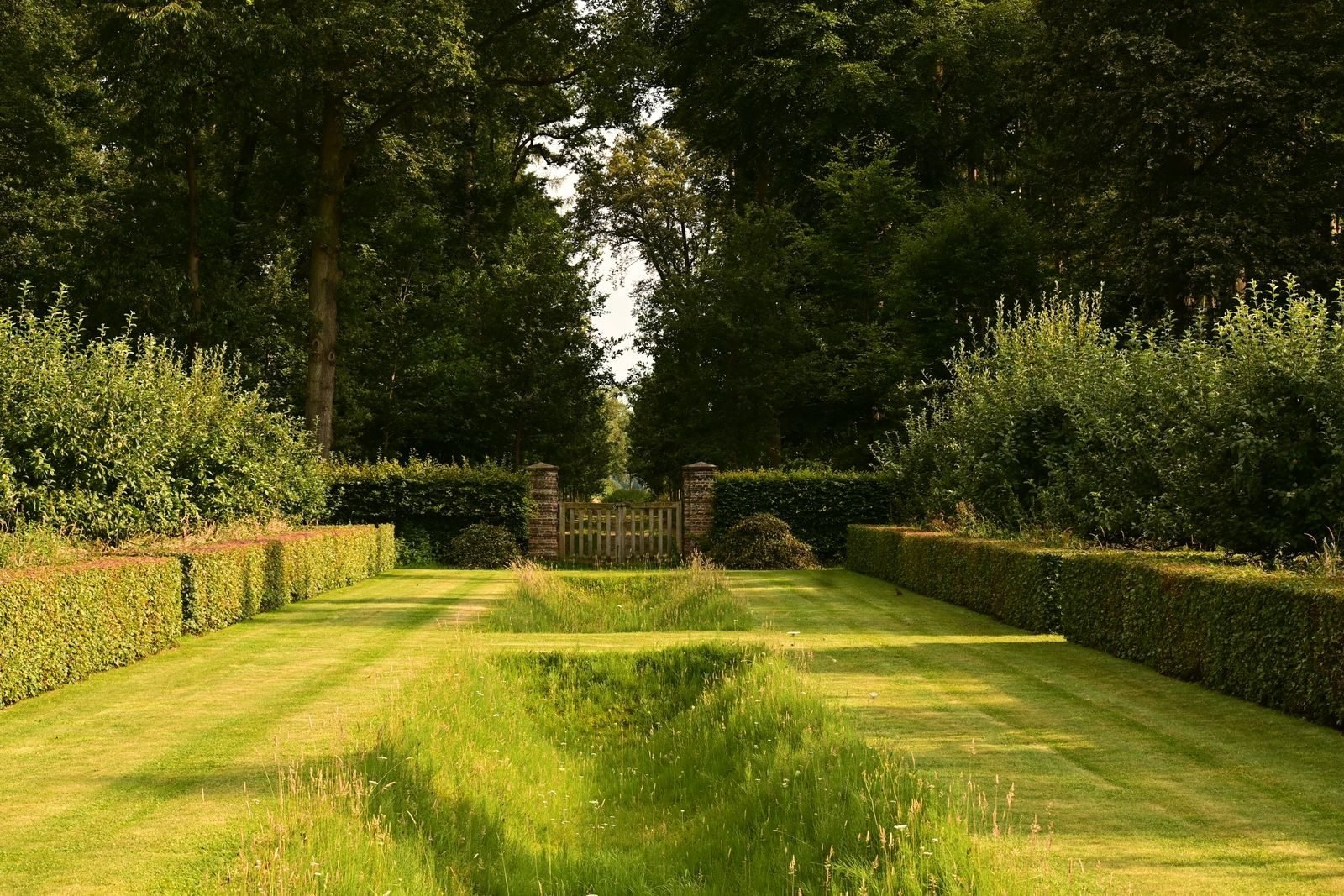
A thick hedge of boxwood, holly, or privet can supplement (not usually replace) a fence — most codes require a manufactured barrier, but hedges make a great second layer and soften any fence's look.
Plant densely and be patient: a hedge that actually blocks a toddler takes 3–5 years to fill in. Avoid thorny or berry-dropping plants right at the pool edge — they end up in the water.
Best for: Layering beauty over an existing fence, and for privacy from neighbors.
8. Bamboo Screening Panels

Bamboo rolls or panels over a structural fence give instant tropical resort vibes for very little money ($10–$20 per linear foot for the screening itself). They attach to chain-link or wood frames in an afternoon.
Treat bamboo as a cosmetic layer over a code-compliant fence, not as the barrier itself — it won't pass inspection alone in most places. Natural bamboo lasts 3–5 years outdoors; synthetic bamboo lasts far longer.
Best for: Quick tropical makeovers on an existing fence.
9. Stone or Stucco Half-Walls with Fencing Above

A 2-foot stone or stucco knee wall topped with 2–3 feet of aluminum or glass railing gives a high-end custom look that matches the house.
This is a premium option ($80–$150+/linear foot) because of the masonry work, but it doubles as seating and a windbreak. Match the wall's stone or stucco to your home's exterior for a cohesive look.
Best for: New builds and major renovations where the fence is part of the architecture.
10. The All-Important Gate: Self-Closing, Self-Latching
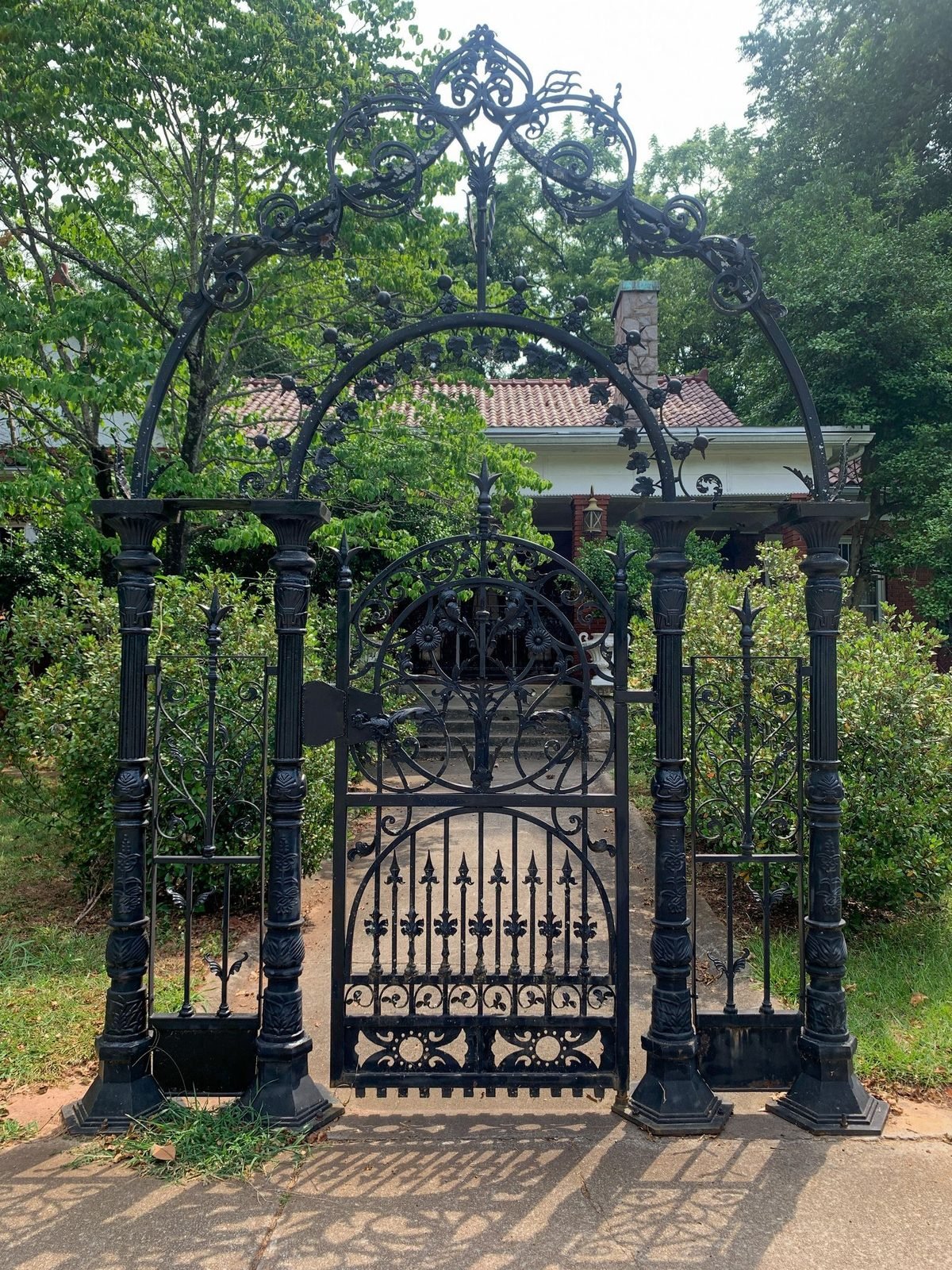
The fence is only as good as its gate. Here's what actually keeps kids safe:
- Self-closing hinges that shut the gate from any open position — no "I'll close it in a second" moments
- Self-latching mechanism with the release at least 54 inches above the ground (the common US guidance, based on CPSC recommendations), so small children can't reach it
- Gate swings outward, away from the pool, so a child leaning on it can't push it open toward the water
- No footholds or handholds on the gate or within the fence that a child could climb
Test your gate monthly. Hinges sag, latches stick, and a gate that doesn't reliably latch is decoration, not safety. The CPSC's pool safety guidance at poolsafely.gov is the authoritative source — their data shows proper barriers are one of the most effective layers of drowning prevention.
Best for: Every pool owner, full stop. Budget for a quality gate before you budget for fence aesthetics.
11. Fence Height and Code Basics

Most US jurisdictions require pool barriers to be at least 4 feet tall (some require 5 feet), measured from the ground on the side away from the pool. Common requirements include:
- No gaps larger than 4 inches anywhere in the fence
- The fence can't be climbable — no horizontal rails a child could use as a ladder on the outside
- Doors from the house opening directly to the pool area need alarms in many jurisdictions
- Above-ground pools need their ladders removed or locked when not in use
Check your city and county codes before buying anything — requirements vary, and HOAs often add their own rules. A fence that passes in one county can fail inspection in the next.
Best for: Anyone in the planning stage — get the code sheet first, shop second.
12. Style It Like a Designer

Safety handled — now make it pretty. A few finishing touches:
- Vine pockets: plant jasmine or clematis at fence posts to soften aluminum or iron (keep growth trimmed off latches and hinges)
- Color coordination: match your fence finish to your patio furniture frames — black fence, black furniture frames, done
- Towel hooks: weatherproof hooks on the inside of the fence near the steps keep towels off the ground
Pair your finished fence with a styled patio from our backyard pool and patio ideas guide — safe and gorgeous is the whole point. And if you're still budgeting, our backyard pool costs and prices breakdown includes realistic fence pricing by material.
Best for: The final polish that makes a safety feature look like a design choice.
FAQ
How tall does a pool fence need to be?
Most US codes require at least 4 feet, with some jurisdictions requiring 5 feet. The measurement is taken from the ground on the outside of the fence. Always verify with your local building department — this is one area where guessing wrong means failing inspection.
What's the safest type of pool fence for toddlers?
Removable mesh fencing is widely considered the best option for homes with toddlers — it's climb-resistant, has no footholds, and meets ASTM F2286 standards when properly installed. Whatever type you choose, a self-closing, self-latching gate with the latch 54 inches high is non-negotiable.
Can I install a pool fence myself?
Aluminum panel kits and removable mesh fences are very DIY-friendly and come with detailed instructions. Glass panels and masonry work are best left to pros. Even DIY installs usually need a permit and final inspection, so check local rules first.
Do I need a fence if my yard is already fenced?
In most jurisdictions, yes — a perimeter yard fence usually doesn't satisfy pool barrier codes because house doors often open into the yard, giving kids direct pool access. The pool typically needs its own isolated barrier. Some areas allow the house wall as one side of the barrier if doors have alarms.
A fence protects your family, but water safety is bigger than any barrier — swim lessons, constant adult supervision, and learning CPR complete the picture. The CDC's Healthy Swimming resources are worth a read for every pool-owning household.