HOA says no fence? Renting? Or just hate the boxed-in look? These 13 ideas create real privacy with plants, structures, and smart layout — no fence required.
1. Layered Evergreen Trees

Arborvitae, Leyland cypress, or holly planted in a staggered double row give year-round screening that looks like landscaping, not a barrier. They take 2–3 years to fill in — the patience pays off.
Best for: permanent, natural privacy that adds property value.



2. Freestanding Lattice Screens

Cedar lattice panels in planter boxes stand anywhere — no posts in the ground. Train jasmine or clematis up them for a living wall effect in one season.
Best for: renters and anyone who wants movable privacy. Pairs well with https://cozypatiohome.com/patio-privacy-ideas-screens-plants/.
3. Pergola With Draped Curtains

A pergola defines the seating zone; outdoor curtains on three sides close it into a private room. Open them by day, draw them for evening seclusion.
Best for: patios overlooked by second-story windows.
4. Tall Ornamental Grasses

Miscanthus and pampas grass hit 6–8 feet in a single season — the fastest living screen you can buy. Plant in a thick row for a swaying, soft barrier.
Best for: instant-ish privacy on a budget (a flat of grasses is cheap).
5. Bamboo in Containers (Clumping Only)
Clumping bamboo in long planters creates a dense 8-foot screen in one growing season. Never plant running bamboo in the ground — containers keep it civilized.
Best for: narrow side yards and modern-style homes.
6. Outdoor Curtain Wire on the Patio Edge

A simple wire run with sheer curtains softens sightlines without blocking breeze or light. Under $50 and completely removable.
Best for: renters — see https://cozypatiohome.com/diy-outdoor-curtains-under-100/ for the full method.
7. Strategic Pergola + Vine Combo

Grapes, wisteria, or trumpet vine over a pergola create a green ceiling that blocks upstairs views while letting dappled light through. It’s privacy you can eat (in the grape case).
Best for: long-term homeowners playing the long game beautifully.
8. Decorative Metal Screens

Laser-cut metal panels (Corten steel or powder-coated aluminum) are sculpture and screen in one. They age beautifully and need zero maintenance.
Best for: modern yards where a hedge would look wrong.
9. Raised Planters as Living Walls
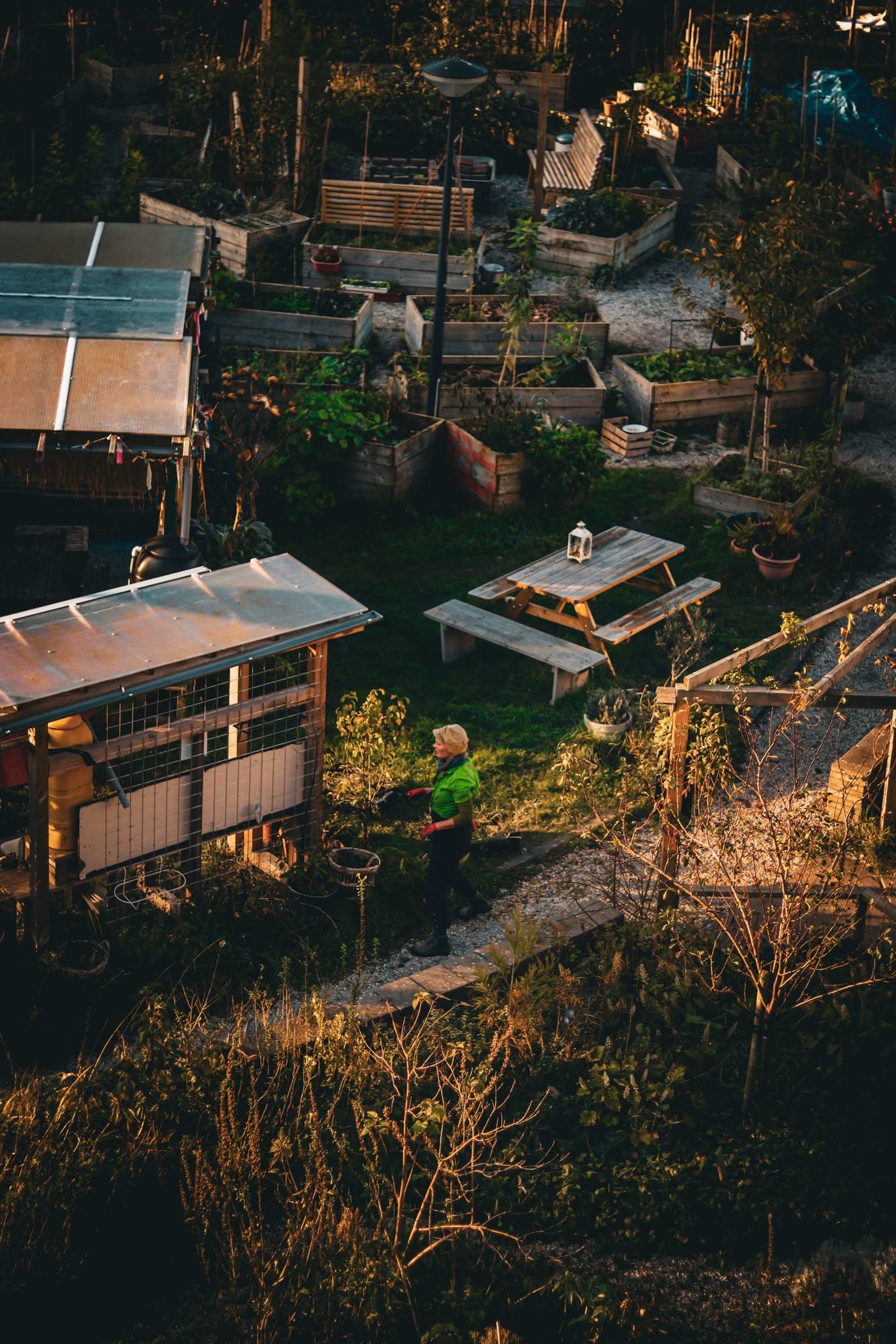
A 2-foot-tall planter with 4-foot shrubs on top reads as a 6-foot hedge — and it’s portable. Line them along the property edge for modular privacy.
Best for: renters and anyone who wants to rearrange seasonally.
10. Umbrella + Sail Layering

An oversized cantilever umbrella angled toward the neighbor’s window, plus a shade sail above, blocks sightlines from multiple heights. No digging, no permits.
Best for: immediate privacy this weekend.
11. Espalier Fruit Trees Along the Line

Flat-trained apples or pears on wires create a productive green wall just 18 inches deep. Beautiful in bloom, fruitful in fall, structured in winter.
Best for: gardeners who want privacy with a harvest.
12. Shed or Studio as a Blocker
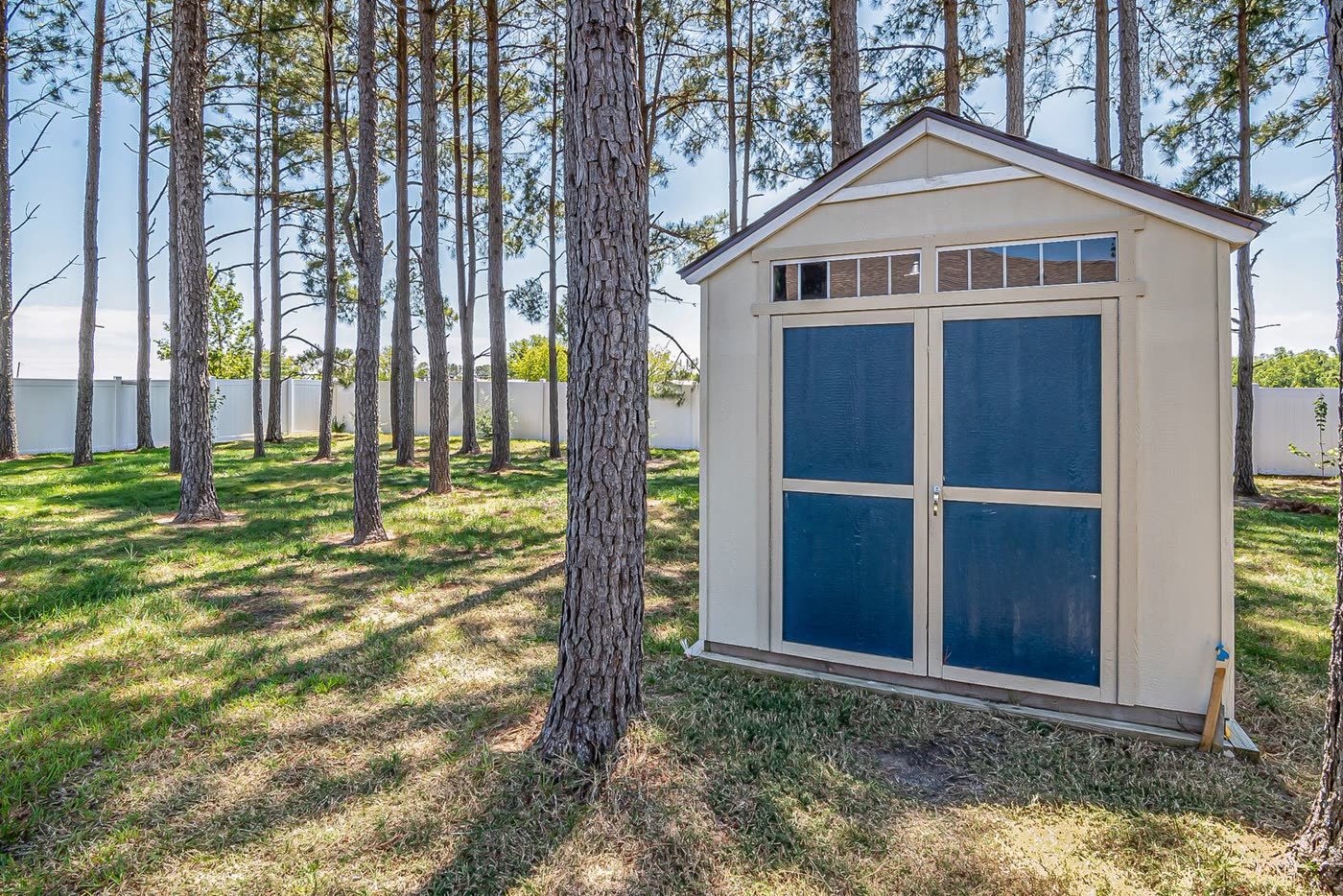
Position a shed, studio, or even a handsome storage box where the sightline is worst. Structures block views absolutely — and you get storage.
Best for: killing two birds: privacy plus the storage you needed anyway.
13. Layer Heights: Low, Mid, Tall

The pro trick: combine a low hedge (3 ft), mid shrubs (5 ft), and a tree canopy (10+ ft). Layered planting blocks sightlines at every angle better than any single tall thing.
Best for: corner lots and yards exposed on multiple sides.
14. Willow Hurdle Screens

Woven willow panels on posts give rustic, dappled screening that looks like an English country garden. They weather to a beautiful silver-gray.
Best for: cottage and rustic-style yards.
15. Retractable Side Awning
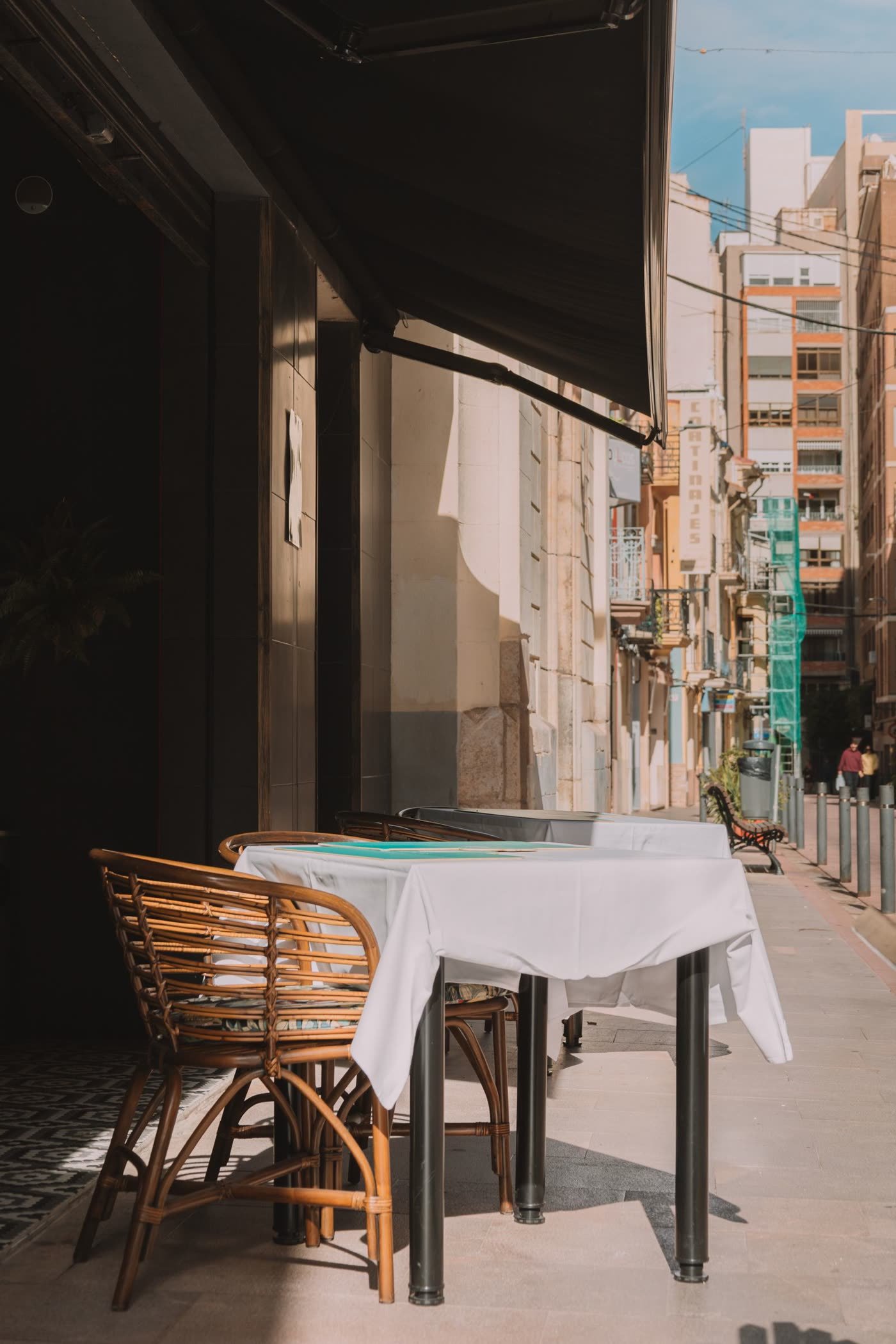
A retractable fabric screen on a cassette housing extends 10+ feet when you need privacy and vanishes when you don’t. Pricier ($150–$300) but the most flexible option.
Best for: patios where permanent structures aren’t allowed or wanted.
16. Fruiting Hedge: Blueberries or Currants

A row of blueberry bushes gives spring flowers, summer fruit, fall color, and a 4-foot screen. Privacy you can eat, three seasons of interest.
Best for: edible landscapers in acidic-soil regions.
Privacy Math: How Tall Is Tall Enough?
Stand where you sit most, have someone walk the property line holding a broom — mark where their head disappears behind a test panel. That’s your target height, usually 6 feet for ground-level neighbors but 8–10 feet against two-story windows. Remember plants grow: a 4-foot arborvitae today is an 8-foot screen in three years, so don’t overbuy size. For upper-floor overlook, think in triangles — screening works best close to YOU (a pergola curtain 8 feet away) rather than at the distant fence, because near screens block wider sight angles.
Seasonal Privacy Notes
Evergreens are the only plants that screen in winter — if year-round privacy matters, at least half your planting should be evergreen. Deciduous screens like ornamental grasses give you May through November coverage and winter architecture, which suits many people fine. In snowy climates, choose screening that won’t collapse under snow load (arborvitae can splay; yew holds). And remember: outdoor curtains come down in winter in harsh climates, so don’t rely on them as your only screen.
What About the Neighbors?
A quick heads-up before planting near the line prevents most disputes — and many neighbors will split the cost of a shared screen. For fence-based options when rules allow, our patio privacy guide at https://cozypatiohome.com/patio-privacy-ideas-screens-plants/ covers those.
Garden Design’s privacy landscaping ideas has excellent plant combination charts by region.
FAQ
What’s the fastest-growing privacy plant?
Leyland cypress and clumping bamboo both push 3–5 feet per year once established. For true one-season impact, tall ornamental grasses like miscanthus reach 6–8 feet by late summer from a spring planting. If you need privacy this month, though, only structures — screens, curtains, sails — deliver instantly; plants always need at least one season.
How can renters get backyard privacy?
Stick to the movable toolkit: freestanding lattice screens in planters, container bamboo, outdoor curtains on tension wires, tall planters with shrubs, and cantilever umbrellas. Everything should be freestanding or tension-mounted — nothing dug in, nothing screwed to the building. You can take it all with you when you move.
Will my HOA allow these?
Most HOAs restrict fences and permanent structures but are lenient about landscaping — which is exactly why plant-based privacy is the HOA workaround. Still, check your CC&Rs for plant height limits (many cap at 6–8 feet) and any rules on pergolas, sails, or sheds before you build or buy.
How far from the property line should I plant?
Leave at least 2–3 feet so mature spread doesn’t cross the line and create neighbor disputes. For trees, use the mature canopy radius — a Leyland cypress wants 6–8 feet of clearance. And always call 811 before digging to mark utilities.