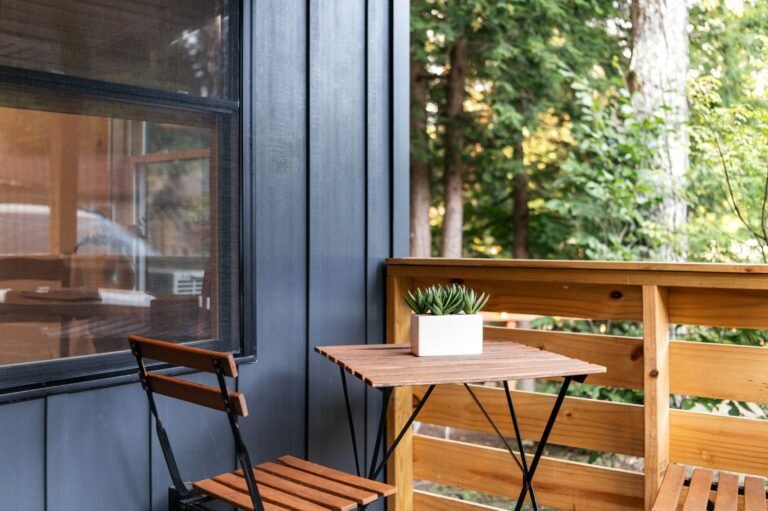

Your balcony does not have to go bare when temperatures drop. These 12 winter container garden balcony ideas show exactly what to plant in balcony containers in winter, how to protect pots from freeze damage, and how to arrange it all so your small space looks alive until spring.
1. Plant Winter Kale and Ornamental Cabbage
Ornamental kale and cabbage are the workhorses of winter containers, holding their ruffled purple, pink, and cream rosettes through frosts down to 15°F. Plant one 6-inch nursery pot per 10-inch container, or cluster three in a 14-inch pot for a full look. They actually develop richer color after the first hard frost, when cold triggers their pigments. A flat of six plants costs $12 to $18 at garden centers in October and November.
Best for: Instant winter color | Beginners
2. Add Dwarf Conifers for Year-Round Structure
Dwarf conifers like mugo pine, dwarf Alberta spruce, and birds-nest spruce give winter containers permanent backbone. Choose slow-growing varieties that stay under 3 feet for a decade, and plant them in pots at least 14 inches wide so roots have room. Water deeply before the first hard freeze, then water lightly whenever the soil thaws and feels dry. A 1-gallon dwarf conifer costs $20 to $35 and anchors your balcony garden for years.
Best for: Permanent structure | Low maintenance
3. Grow Winterberry Holly for Red Berries
Winterberry holly drops its leaves and shows off clusters of brilliant red berries on bare stems — stunning against a gray winter sky. Plant a compact variety like 'Red Sprite' in a 12-inch pot, and note that you need a male pollinator plant nearby for berries, so buy them as a labeled pair. Berries persist from November through February and feed visiting birds. Expect to pay $25 to $40 per plant at nurseries.
Best for: Berry color | Wildlife-friendly balconies
4. Try Hellebores for True Winter Blooms
Hellebores, or Lenten roses, bloom from December through March in white, pink, and deep plum — the only real flowers most balconies will see in midwinter. Plant them in 10-to-12-inch pots in partial shade; they hate hot afternoon sun even in winter. Mulch the soil surface with 2 inches of shredded bark to insulate the roots. A gallon-size hellebore costs $18 to $28 and returns bigger every year. Remove faded flowers promptly to encourage continuous blooming.
Best for: Winter flowers | Shady balconies
5. Fill Gaps With Evergreen Carex Grasses
Golden or bronze carex grasses add flowing texture that softens the stiff look of conifers and kale. Varieties like Carex 'Evergold' stay evergreen to about 0°F and need nothing but occasional water. Plant three 4-inch pots in a triangle around your thriller plant in a 14-inch container for a professional arrangement. They cost $8 to $12 per pot and never need deadheading or dividing on a balcony. Snip off brown blades in spring to keep each clump tidy.
Best for: Texture and movement | Filler plants
6. Add Cyclamen for Pops of Color
Florist cyclamen in red, pink, and white bloom for months in cool weather and cost just $5 to $8 per 4-inch pot. Tuck them at the front of larger containers where their swept-back petals show best, and deadhead spent blooms by twisting the stem off at the base. They sulk below 25°F, so in colder zones treat them as replaceable color and swap in fresh pots midwinter. Keep the soil barely moist — soggy cyclamen rot fast.
Best for: Cheap, cheerful color | Mild-winter zones
7. Shape Boxwood Into Topiary Balls
A boxwood ball in a classic urn reads as elegant in January as it does in June. Choose 'Green Velvet' or 'Winter Gem' varieties, which resist winter bronzing better than common boxwood. A pre-shaped 12-inch ball costs $30 to $50; trim it lightly with hand shears in late fall to sharpen the shape. Water before freezes and shield it from harsh wind, which desiccates the leaves faster than cold does. Avoid pruning in winter, which exposes tender inner leaves to frost damage.
Best for: Formal style | Year-round elegance
8. Plant Pansies and Violas for Edging
Pansies and violas bloom through light frosts and bounce back after freezes that would kill lesser annuals. Plant them 6 inches apart around the rim of your containers for a flowering edge that lasts from fall into spring. A flat of 24 violas costs $10 to $14 — the cheapest flower color per dollar in winter gardening. Pinch off frozen blooms after hard freezes so new buds open clean. Water during midwinter thaws when the soil feels dry an inch down.
Best for: Flowering edges | Tight budgets
9. Trail English Ivy Over the Pot Edges
English ivy spills over container rims and softens the hard edge of the pot, filling the gap between soil and railing beautifully. Plant two or three 4-inch ivy starts per 12-inch pot, spacing them evenly around the edge. Hardy varieties survive to zone 5 in pots with basic insulation. Ivy costs $4 to $6 per pot and grows slowly in winter, so what you plant in November is what you get until spring — buy full-looking starts.
Best for: Spiller plants | Softening pot edges
10. Grow Rosemary as a Fragrant Topiary
In zones 7 and warmer, rosemary survives winter outdoors and doubles as a fragrant, edible topiary. Choose upright varieties like 'Arp', which tolerates cold better than trailing types, and plant in a 12-inch terracotta-look resin pot — real terracotta can crack in freezes. In colder zones, bring the pot indoors before the first hard freeze and set it in your brightest window. Pinch the tips in early fall to encourage the dense shape topiaries need. A gallon rosemary topiary costs $20 to $30.
Best for: Fragrant balconies | Edible gardening
11. Add Heuchera for Foliage That Never Quits
Coral bells offer winter foliage in burgundy, caramel, and lime that outlasts every flower on this list. Varieties like 'Palace Purple' and 'Caramel' hold their color through snow in zones 4 and up. Plant one per 10-inch pot or tuck them between conifers in larger arrangements. They need almost no care — just trim tattered leaves in early spring. Divide crowded clumps every three years in early spring for free plants. Gallon pots cost $12 to $18.
Best for: Foliage color | Shade-tolerant winter interest
12. Insulate Every Pot Before the First Freeze
The plants are only half the battle — unprotected pots crack and roots freeze. Wrap each container in two layers of burlap or bubble wrap, secure with twine, and cluster pots together against the building wall where radiant heat helps. Elevate pots on wood blocks or pot feet so they never sit in freezing meltwater. For the full science of keeping container roots alive through winter, Epic Gardening's guide to overwintering containers is worth a read. Burlap costs about $8 per roll — enough for six medium pots.
Best for: Freeze protection | Saving your pots
Frequently Asked Questions
What is the best plant for a winter balcony container garden?
Ornamental kale wins for most balconies — it is cheap, colorful, and hardy to 15°F with zero fuss. Pair it with a dwarf conifer for structure and pansies for flowers, and you have a complete arrangement in one pot. For more small-space plant ideas, see our small balcony decor ideas.
How do I keep balcony container plants alive in winter?
Choose plants hardy to at least one zone colder than yours, since pots expose roots to more cold than the ground does. Water when the soil thaws and feels dry, wrap pots in burlap or bubble wrap, and cluster containers against the building wall out of the wind. Stop fertilizing by early fall so plants harden off properly.
Can I grow vegetables in balcony containers in winter?
Yes in mild climates — kale, spinach, arugula, and garlic all grow in winter containers in zones 7 and up. In colder zones, use a cold frame or frost blanket over the pots to extend the season by 4 to 6 weeks. Our container vegetable garden patio guide covers soil and spacing for edible containers.
Which pots survive winter on a balcony?
Frost-proof resin, fiberglass, and thick glazed ceramic pots handle freeze-thaw cycles best. Avoid thin terracotta and cheap ceramic, which absorb water and crack when it freezes. Whatever pot you use, make sure it has drainage holes — waterlogged soil that freezes solid kills roots faster than cold air alone. For cozy cold-weather balcony styling beyond plants, see our cozy winter balcony ideas.