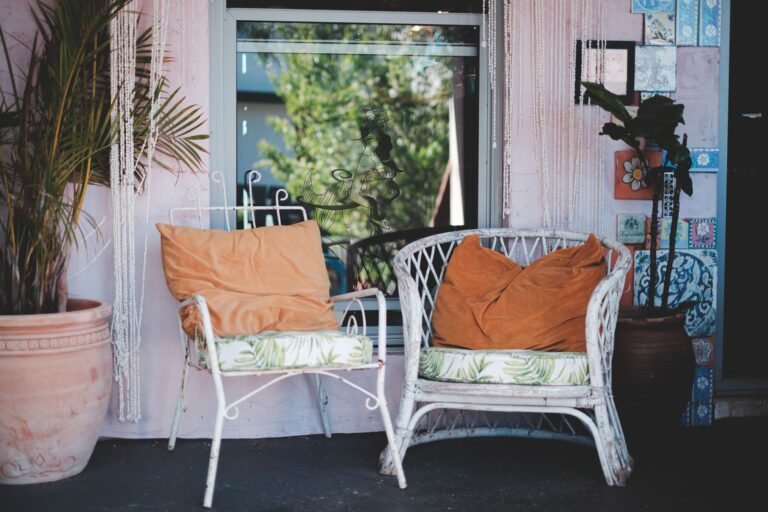
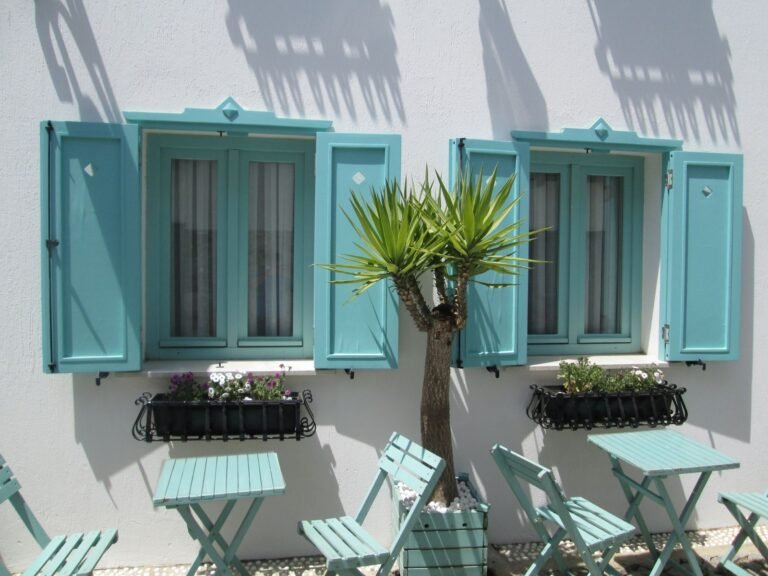
Mid-century modern isn’t just an interior style — the whole movement was designed around indoor-outdoor living. These 10 mid-century modern patio ideas bring the atomic age outside: clean geometry, honest materials, bold accent colors, and that effortless California cool.
1. A Breeze Block Feature Wall

Best for: The ultimate MCM statement | Privacy with style
Decorative concrete breeze blocks (screen blocks) are the most iconic mid-century outdoor element. A breeze block wall or planter gives privacy while letting air and dappled light through — functional sculpture. They’re still manufactured in the classic patterns (starburst, quatrefoil, geometric) — Atomic Ranch is the go-to resource for authentic mid-century exterior details. One wall transforms a patio’s entire identity.



2. Iconic Furniture Silhouettes
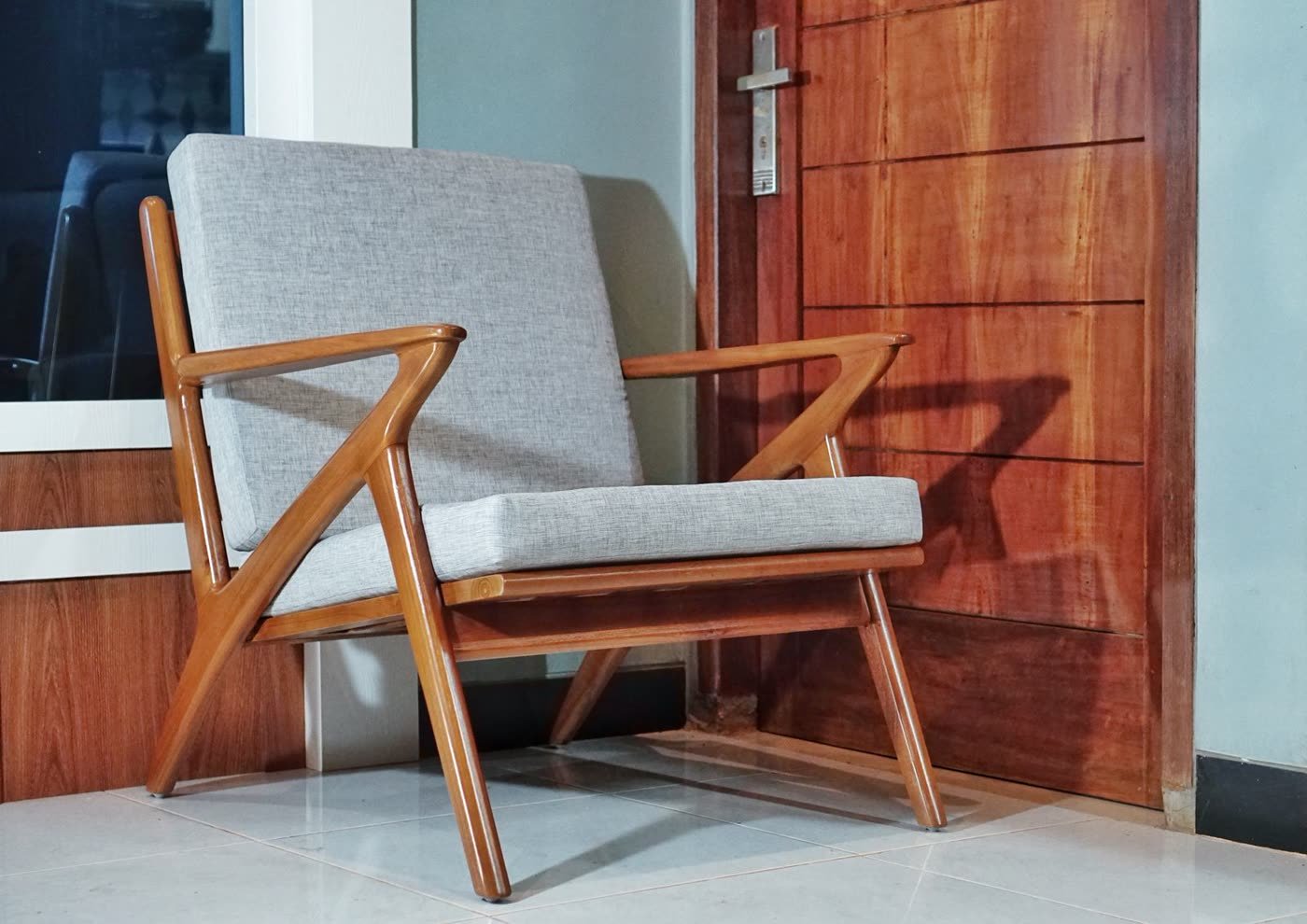
Best for: Instant authenticity | Investment pieces
You don’t need a full set — one iconic silhouette signals the style. A pair of sculptural lounge chairs with clean lines, a kidney-shaped coffee table, a sling-back chair in teak. Look for reproductions in weather-resistant materials; the shapes matter more than the brand names. Facebook Marketplace is full of vintage gems if you’re patient.
3. A Kidney-Shaped Pool or Water Feature
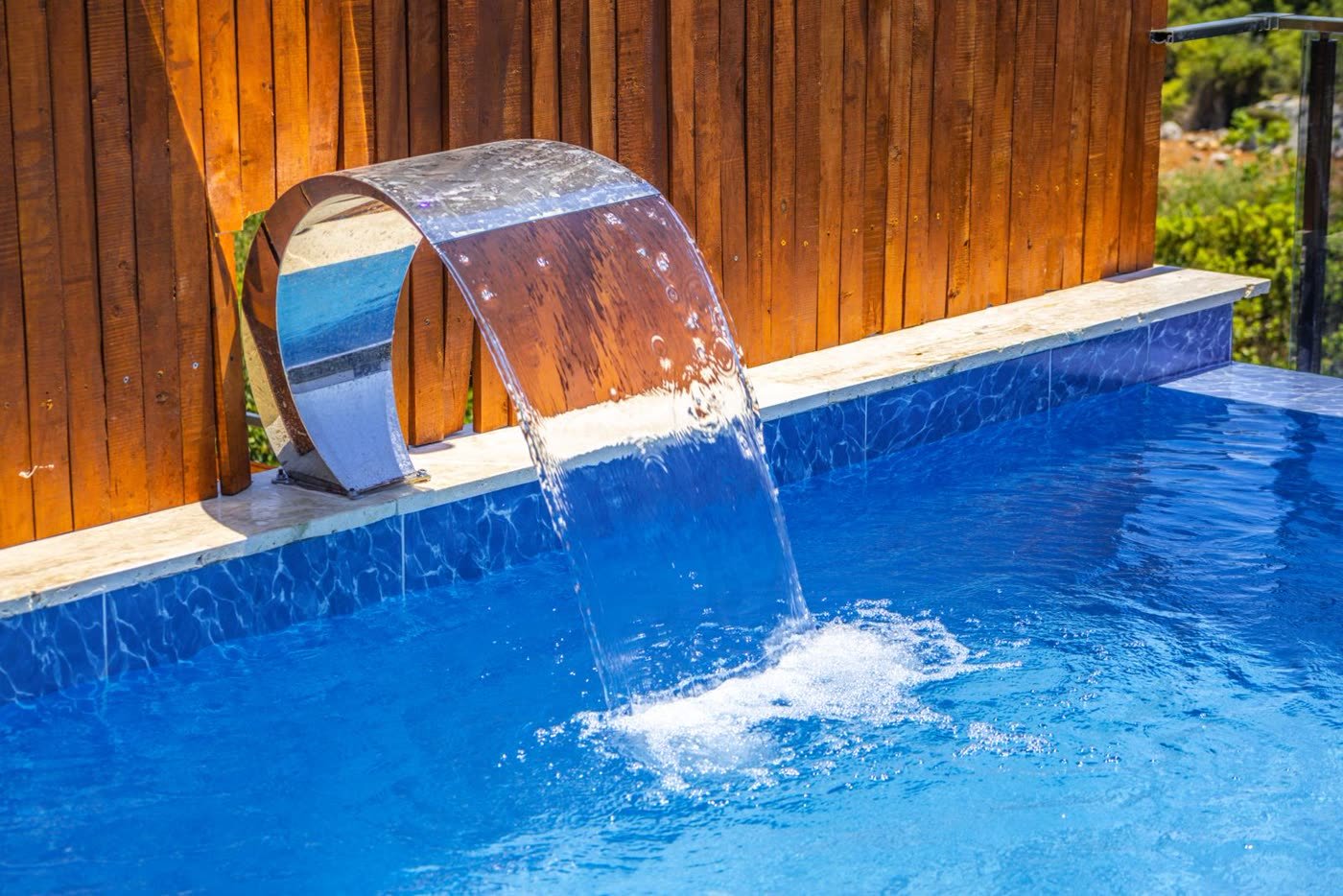
Best for: The full Palm Springs fantasy | If budget allows
The kidney pool is mid-century’s gift to backyards. Can’t swing a pool? A kidney-shaped raised planter, a curved bench, or even an oval outdoor rug captures the same organic geometry. Curves against the style’s straight lines are what make it sing.
4. Starburst and Atomic Motifs (Sparingly)
Best for: Playful retro accents | Clocks, planters, art
A starburst clock on the patio wall, atomic-print outdoor pillows, a sputnik-style pendant light over the dining table — these motifs are pure joy. The key word is sparingly: one or two atomic accents read stylish; a patio full of them reads theme park. Pick the motif you love most and commit to just that one.
5. Teak, Teak, and More Teak
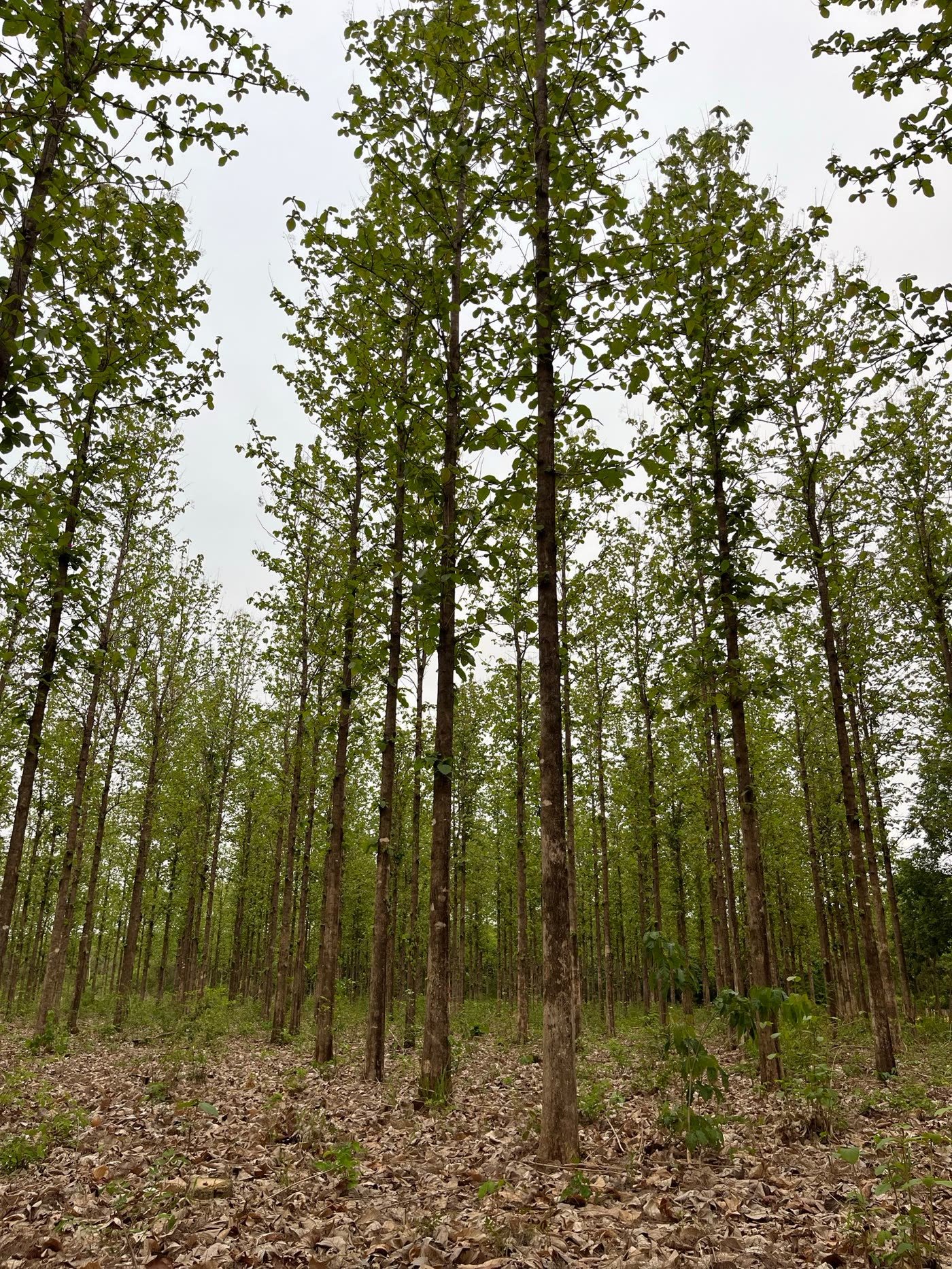
Best for: Warmth against the geometry | Furniture and accents
Mid-century modern loves teak — its warm honey tone softens all those straight lines and right angles. A teak bench, teak planter boxes, a teak slat wall. Genuine teak weathers to silver-gray (still beautiful); teak oil restores the honey color if you prefer. Sustainably sourced teak or quality acacia are budget-friendlier alternatives.
6. Bold Accent Colors: Orange, Turquoise, Mustard
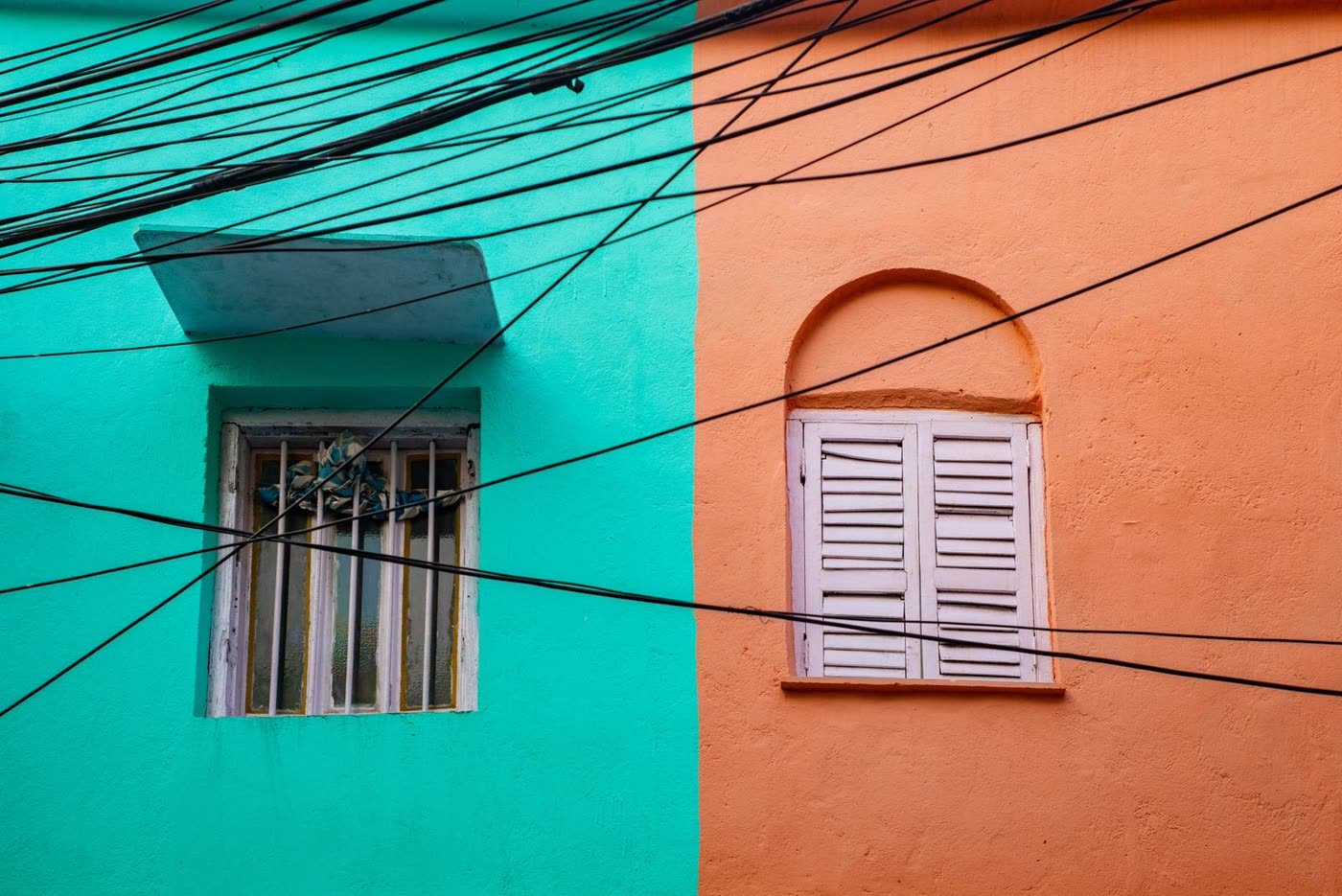
Best for: Pops against neutrals | Easy to change
The MCM palette is warm neutrals (white, walnut, gray) punctuated by bold shots of burnt orange, turquoise, mustard yellow, or avocado. Use them in pillows, a single painted door, outdoor art, or planters. Because they’re accents, you can swap them seasonally without redoing the whole patio. Our guide to patio color schemes explores bold palettes further.
7. A Low-Slung, Horizontal Layout
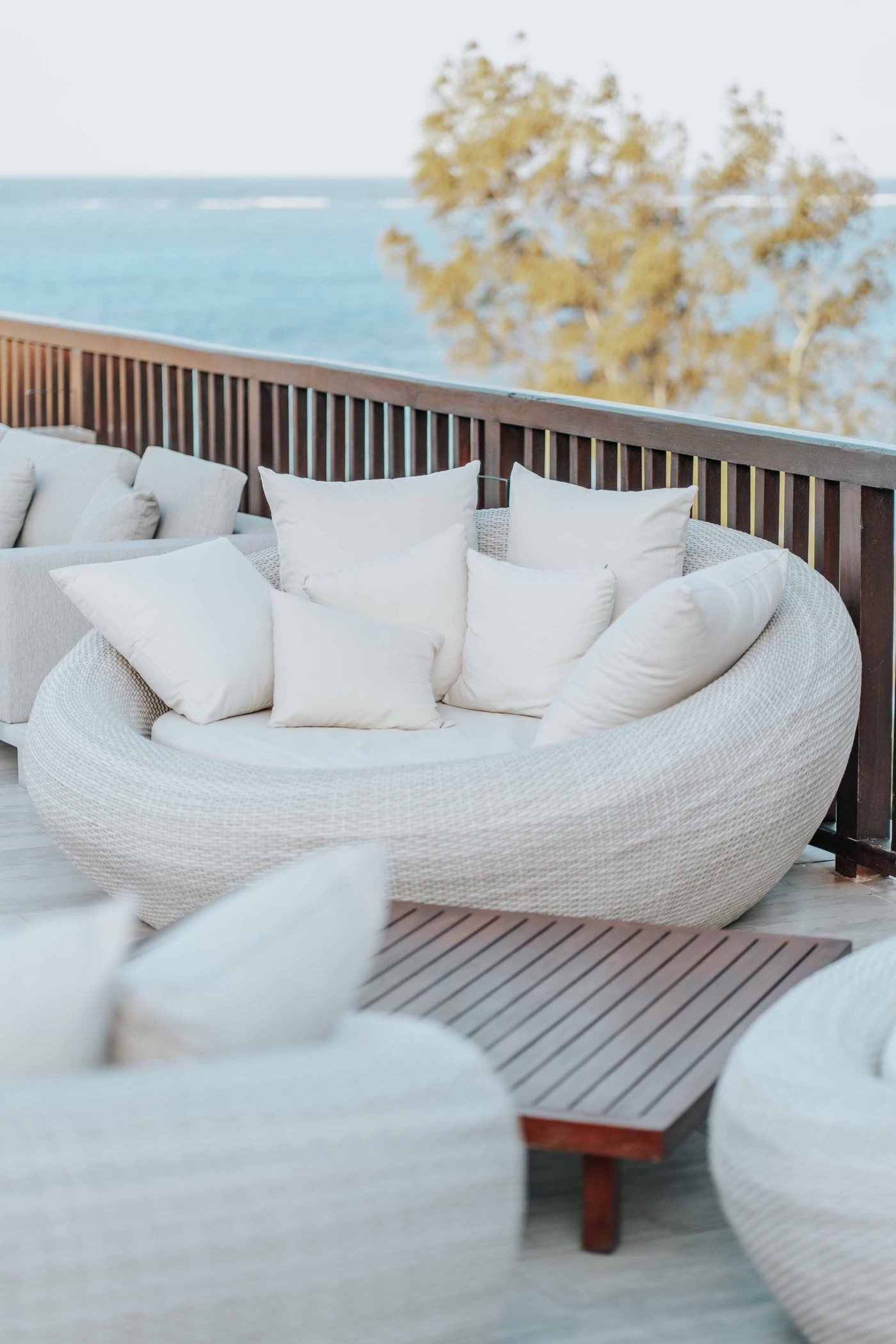
Best for: The architectural feel | Furniture arrangement
Mid-century furniture sits low and stretches horizontal — low profile sofas, long benches, wide planters. Arrange your patio the same way: keep sightlines open, emphasize horizontal lines, let the space feel expansive. Avoid tall, bulky pieces that break the low horizon line.
8. Globe and Sputnik Lighting
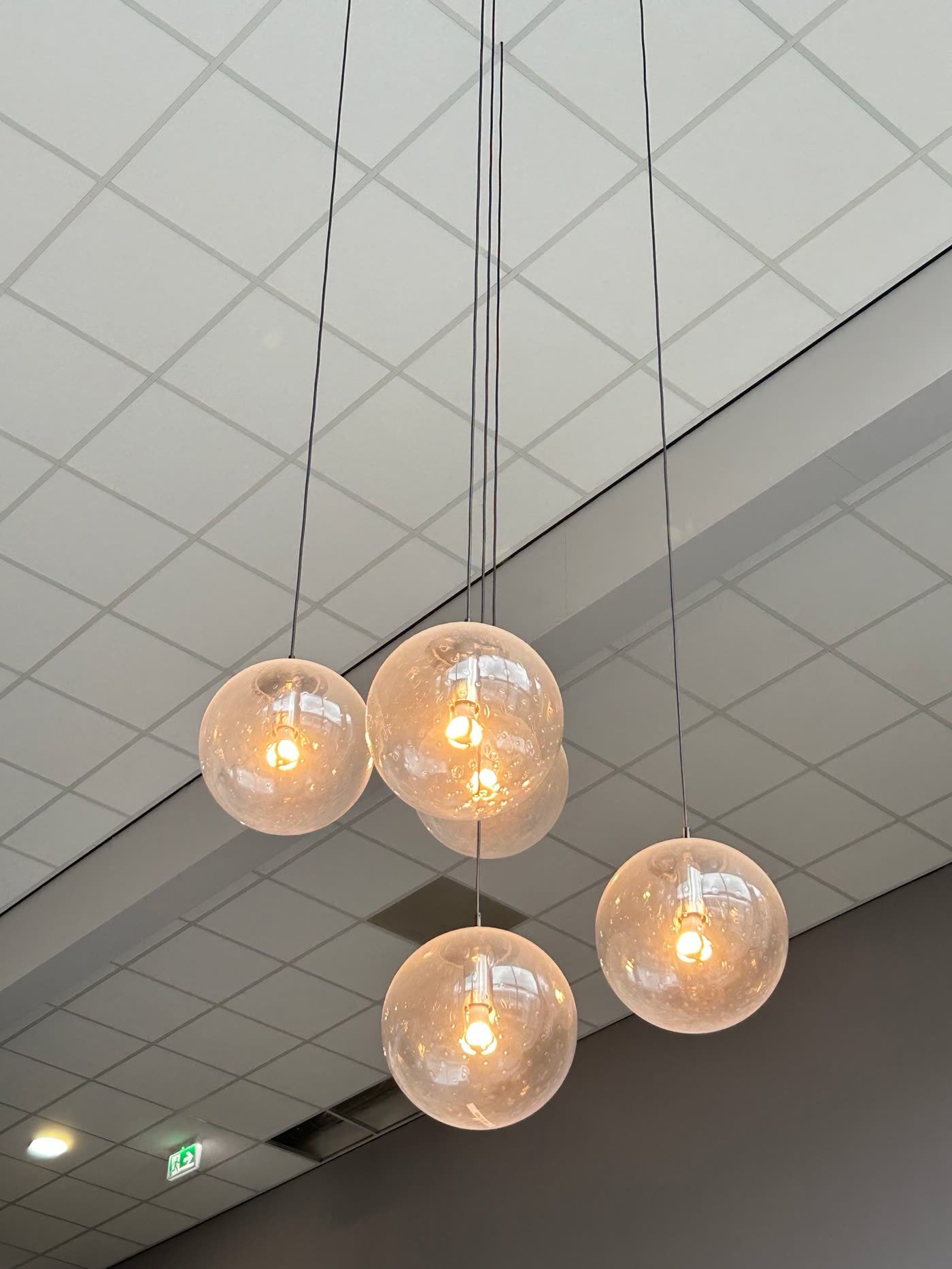
Best for: Statement lighting | Over dining areas
A sputnik chandelier (rated for damp locations) over the outdoor dining table is the mid-century patio’s crown jewel. For a subtler take, cluster white globe string lights or hang a single large paper globe lantern. The spherical shapes contrast beautifully with all the rectilinear furniture.
9. Concrete and Terrazzo Surfaces
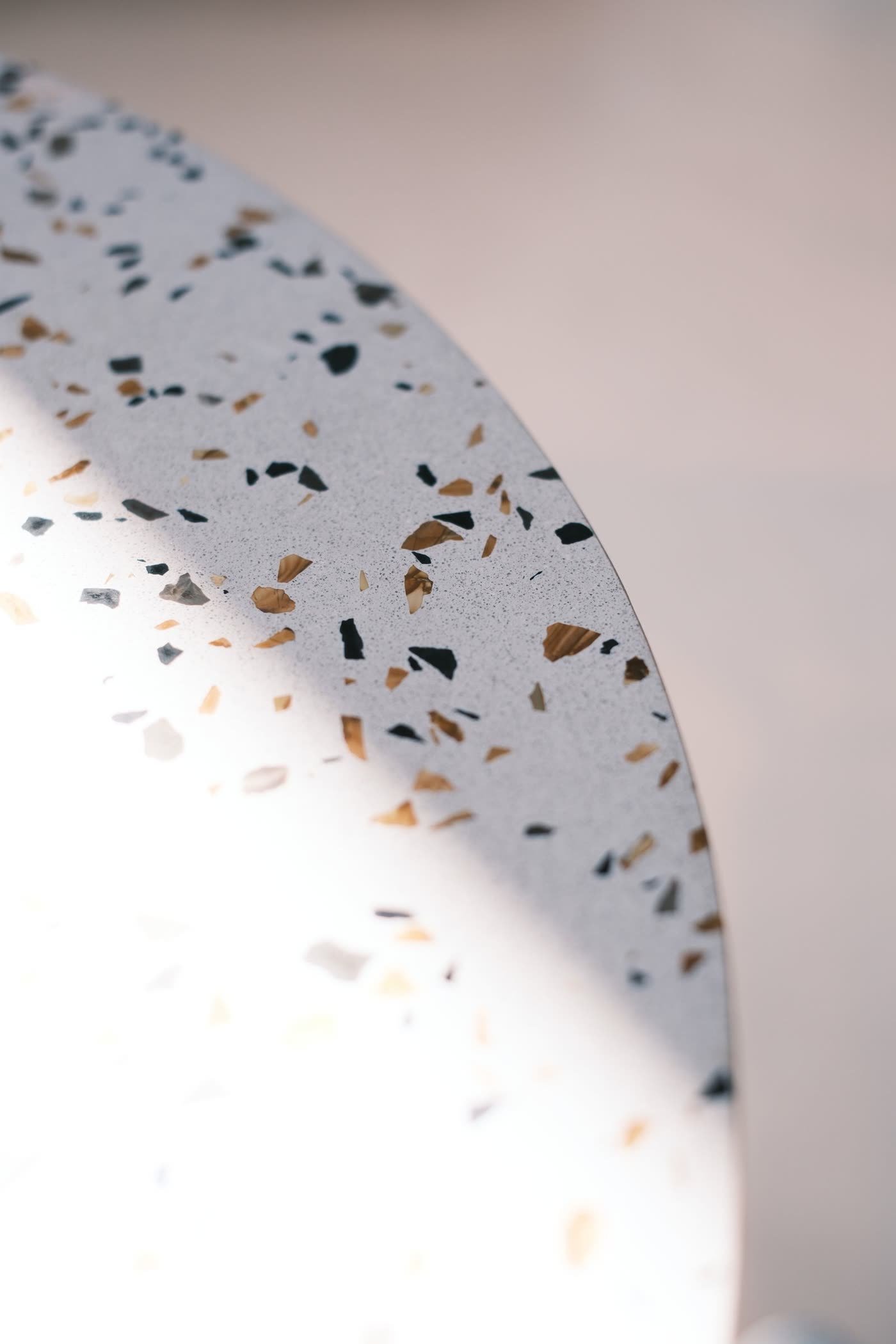
Best for: Authentic materials | Floors and tabletops
Polished concrete floors, terrazzo-look pavers, a concrete block planter wall — mid-century modern celebrates honest, industrial materials. If your patio is already concrete, you’re halfway there: clean it, seal it, and let it be the star. Terrazzo-look outdoor rugs or tabletops add the speckled pattern without the renovation.
10. Indoor-Outdoor Flow With Walls of Glass (or the Illusion)
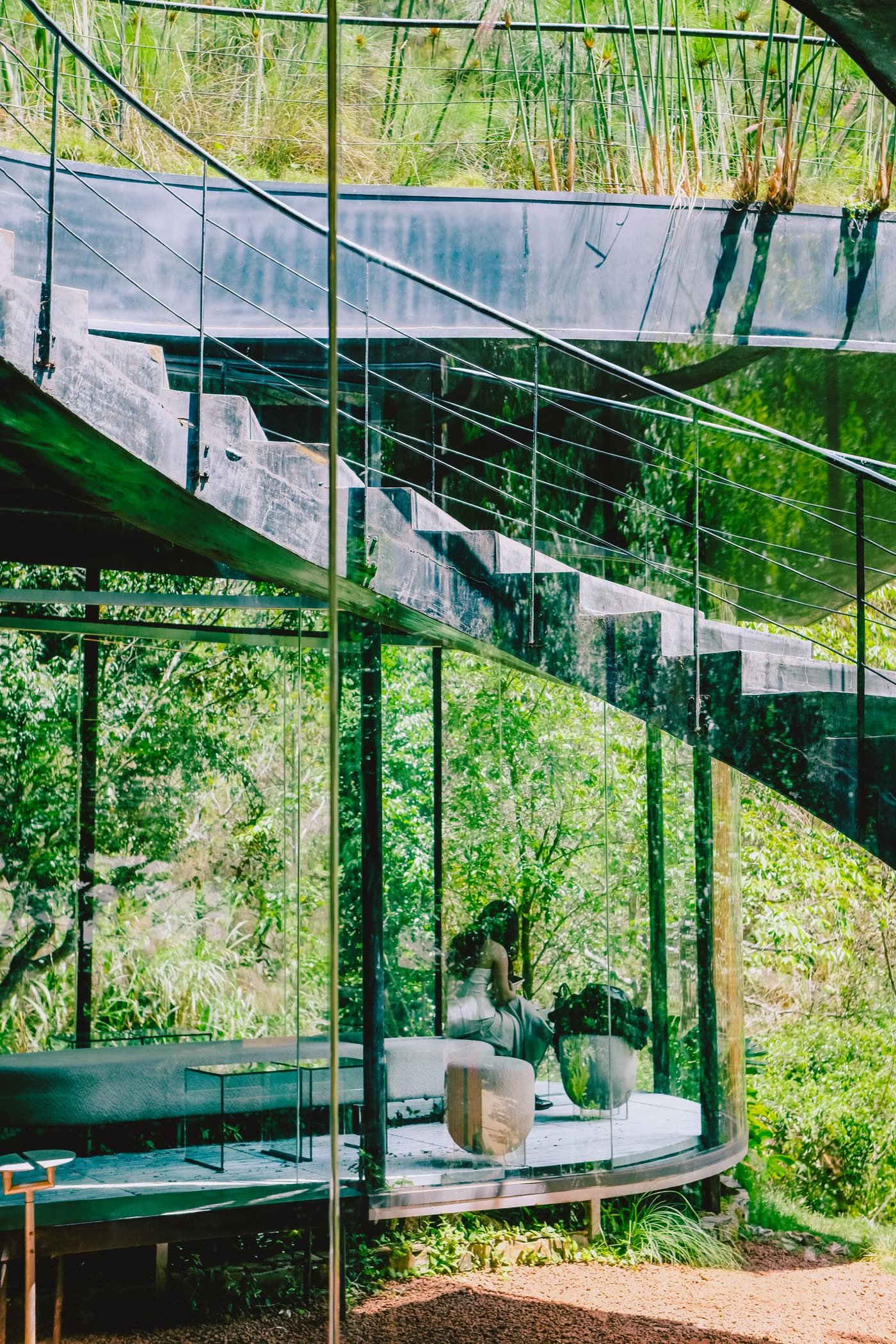
Best for: The philosophy itself | Any patio
The whole point of mid-century design is blurring inside and outside. Maximize it: keep the sightline from your living room to the patio clear and styled, use the same color palette inside and out, and place a statement plant where it’s visible from indoors. Even without glass walls, a patio that feels like another room of the house captures the spirit. For small spaces, our indoor-outdoor small patio ideas show the flow in miniature.
Where to Find Mid-Century Patio Pieces
Best for: Sourcing the look | Vintage to reproduction
Facebook Marketplace & estate sales: The best source for genuine vintage — teak benches, starburst clocks, atomic planters. Search “mid century,” “danish modern,” “teak,” and “retro.” Patience pays; the good stuff goes fast.
Reproduction retailers: Article, Joybird, and even Target’s Project 62 line make MCM-inspired outdoor pieces at accessible prices. Look for the shapes — tapered legs, clean lines, geometric forms — rather than brand names.
Architectural salvage yards: Breeze blocks, vintage doors, old windows for trellises. Salvage yards in the Southwest and California are goldmines for authentic mid-century outdoor materials.
DIY the details: Breeze block planters are just stacked blocks with mortar. A starburst mirror becomes patio art with exterior sealant. Sputnik light fixtures can be built from dowels and a pendant kit. The MCM aesthetic rewards makers.
Mid-Century Patio Color Formulas
Best for: Getting the palette right | Three proven combos
Classic Palm Springs: White + walnut + turquoise + burnt orange. Crisp, sunny, unmistakable.
Sophisticated atomic: Warm gray + teak + mustard + olive. Muted, grown-up, very Mad Men.
Desert modern: Sand + terracotta + turquoise + charcoal. Earthy with a punch — perfect if your patio already leans southwestern.
Pick one formula and commit. The discipline of a limited palette is what separates stylish MCM from a random collection of retro stuff.
5-Minute MCM Patio Audit
Best for: Seeing your patio with fresh eyes | Do this today
Walk to the street and look back at your patio. Ask five questions: Is there a clear horizontal line running through the furniture arrangement? Is there one bold accent color, or a confusing rainbow? Is there at least one curved or organic shape breaking up the rectangles? Can you see the sky (no visual clutter above eye level)? Does one piece make you smile?
Fix the “no” answers first. The audit takes five minutes and tells you exactly where your patio’s mid-century credibility is leaking.
Frequently Asked Questions
What’s the difference between mid-century and mid-century modern?
“Mid-century” just means the middle of the 20th century. “Mid-century modern” is the specific design movement (roughly 1945-1975) with its clean lines, organic shapes, and indoor-outdoor philosophy. When people say they love “mid-century style,” they mean mid-century modern.
How do I get the look without buying expensive vintage furniture?
Focus on shapes and materials, not labels. Clean-lined outdoor furniture in teak-look or walnut-look finishes, one starburst accent, breeze block planters (cheap to build), and the bold accent color palette get you 90% of the look for 10% of the vintage price.
Does mid-century modern work in cold climates?
Yes — the style originated partly in response to harsh climates (think Scandinavian influence). The key is choosing weather-appropriate materials: powder-coated metal instead of raw steel, all-weather wicker in MCM shapes, and bringing teak cushions inside for winter.
What plants suit a mid-century patio?
Architectural plants with strong shapes: agave, snake plant, bird of paradise, sculptural succulents, and ornamental grasses. Plant in geometric containers — square concrete planters, round ceramic pots. Avoid cottage-garden abundance; MCM planting is deliberate and sculptural.